
 Iraq
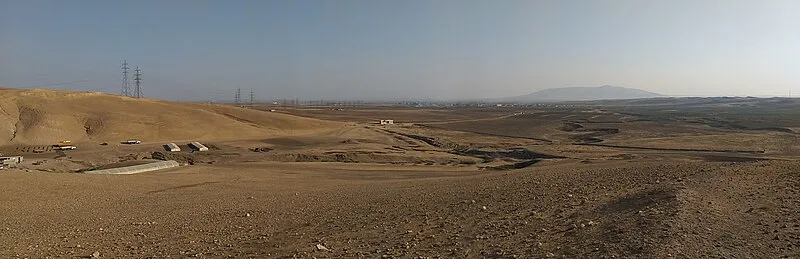
IraqThe Aqueduct of Jerwan in northern Iraq is a monumental hydraulic structure built by Assyrian king Sennacherib between 703 and 690 BC as part of a vast canal system supplying water to Nineveh from the Khinis Gorge, 50 km to the north. Approximately 300 metres long, 22 metres wide, and 9 metres high, it was constructed using over two million dressed limestone blocks, some weighing up to 20 tons, with stone arches and waterproof cement. An inscription reads: "Over steep-sided valleys I spanned an aqueduct of white limestone blocks". Predating Roman aqueducts by five centuries, it is considered the world's oldest known aqueduct and a pioneering achievement in ancient hydraulic engineering.
The Aqueduct of Jerwan
| Type | Megalithic structures |
|---|---|
| Period | 1500 - 500 BC |
| Country | Iraq |
| Coordinates | 36.6698° N, 43.3936° E |