

Archaeological Sites in Denmark
City/town/settlement in Denmark (10)
Bejsebakke
Bejsebakke (also Sorthøj) is a prehistoric settlement in Aalborg, Denmark. It was a Bell Beaker settlement from the Late Neolithic and a settlement of the Late Iron Age. Excavated…
Dankirke
Dankirke was an Iron Age and early medieval settlement in southwest Jutland, Denmark, near present-day Ribe. Elise Thorvildsen's excavations (1965-1970) uncovered approximately…
Egtved
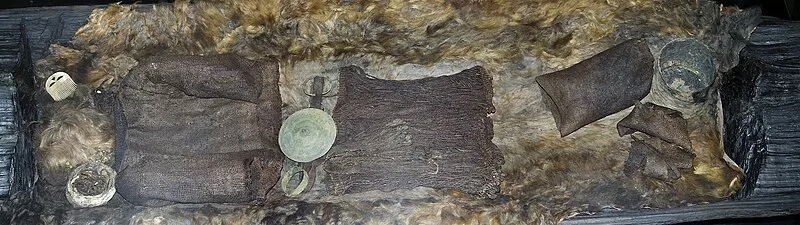
Egtved is the site of a remarkably well-preserved Bronze Age burial dated by dendrochronology to 1370 BC. Discovered in 1921 by farmer Peter Platz in an oak log coffin within a…
Endebjerg
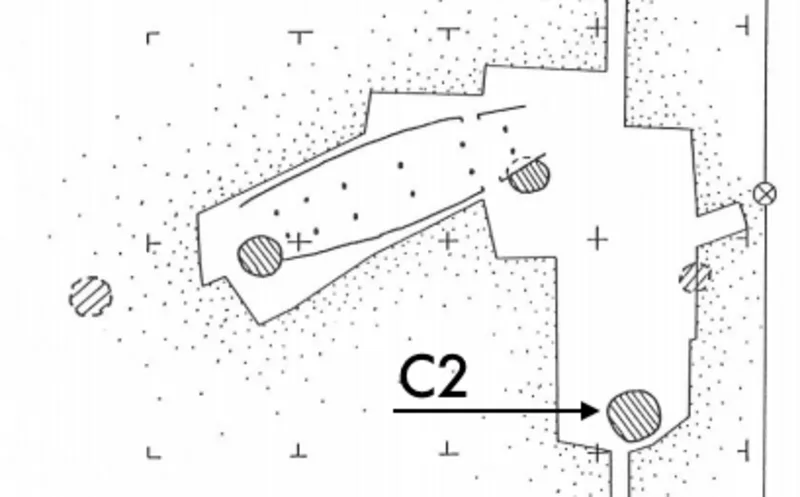
Endebjerg is an excavation site on the Danish island of Samsø, revealing continuous occupation since the Early Neolithic period around 4500 BC. The site was first officially…
Gevninge
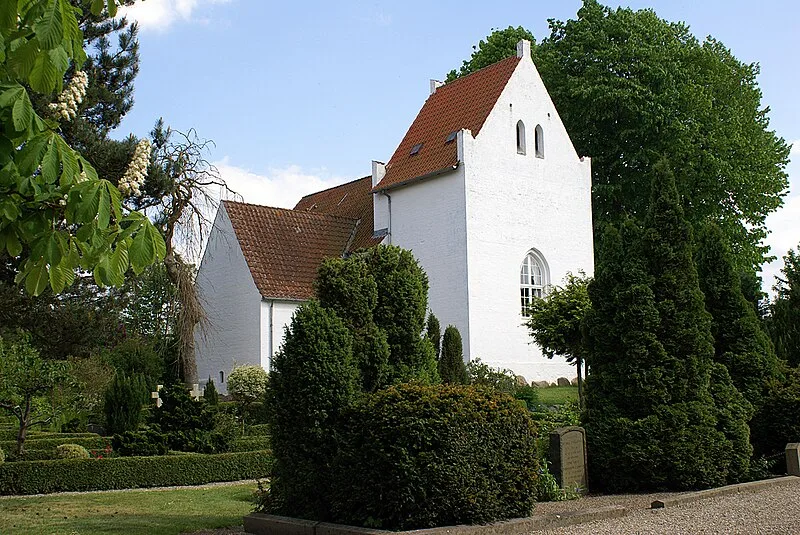
Gevninge is a village on Zealand, Denmark, 3 km north of Lejre, believed seat of the Scylding kings. Archaeological excavations revealed Iron Age and Viking Age occupation…
Gudme
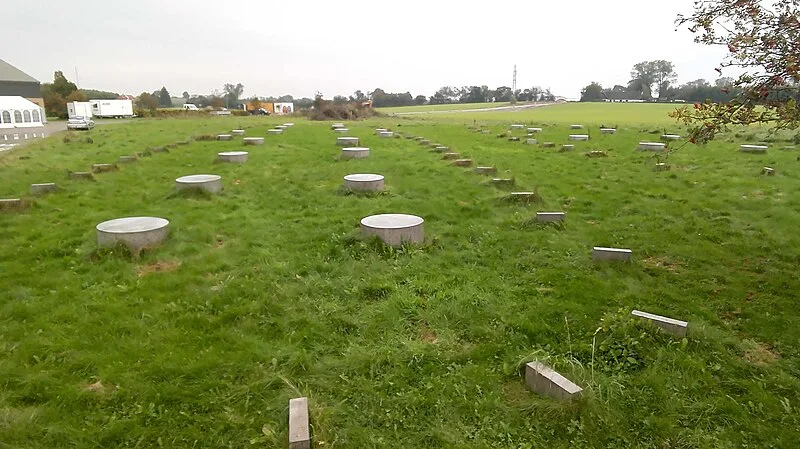
Gudme, meaning 'home of the gods,' was one of Denmark's largest and wealthiest Iron Age settlements on southeast Funen, flourishing from the 3rd to 7th centuries AD with around…
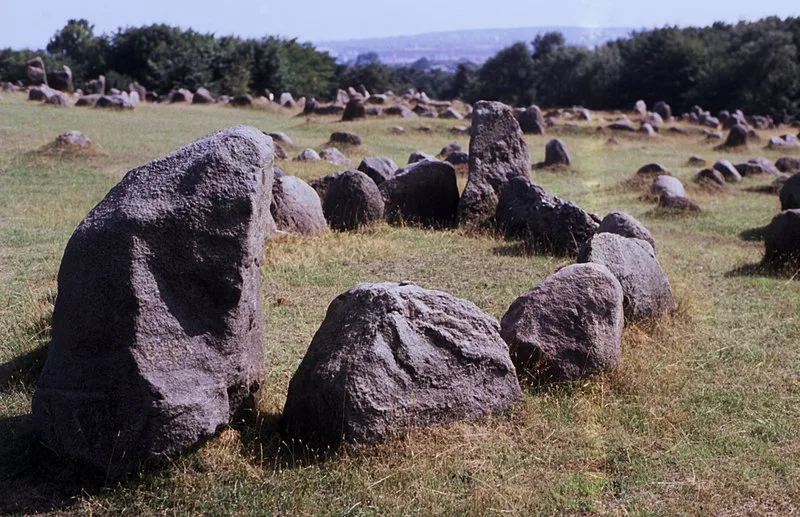
Lindholm Høje
Lindholm Hoje is a major Viking Age burial site and former settlement overlooking Aalborg in northern Denmark. The site contains around 700 cremation graves from the Iron Age and…
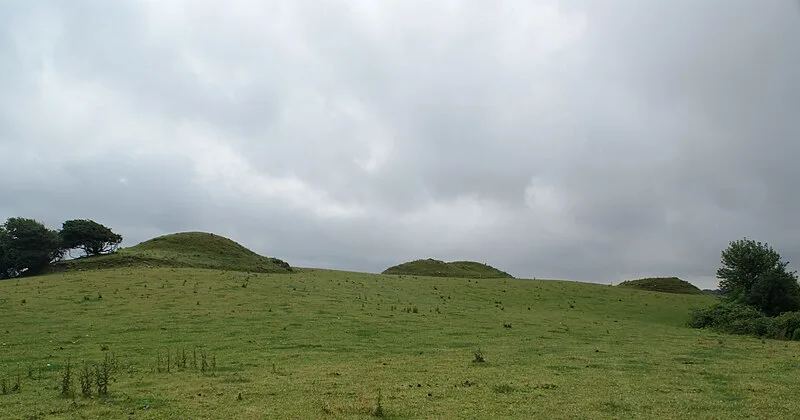
Samsø
Samsø is a Danish island in the Kattegat sea, approximately 15 km off the Jutland Peninsula. Archaeological evidence shows the island has been continuously occupied since the end…
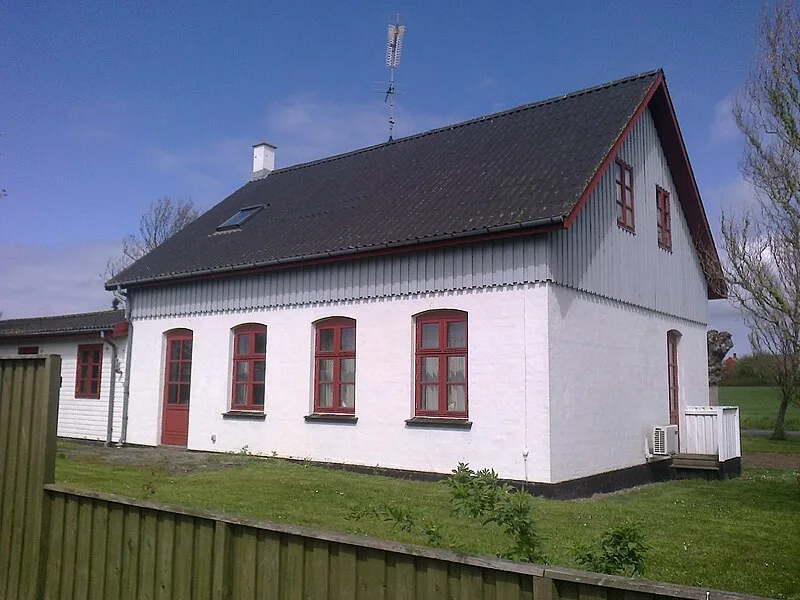
Stenseby Passage Grave
Stenseby is a Neolithic passage grave (jaettestue) near St Bodil's Church on the Danish island of Bornholm, discovered in the 1880s. In 1882, schoolteacher and archaeologist J. A.…
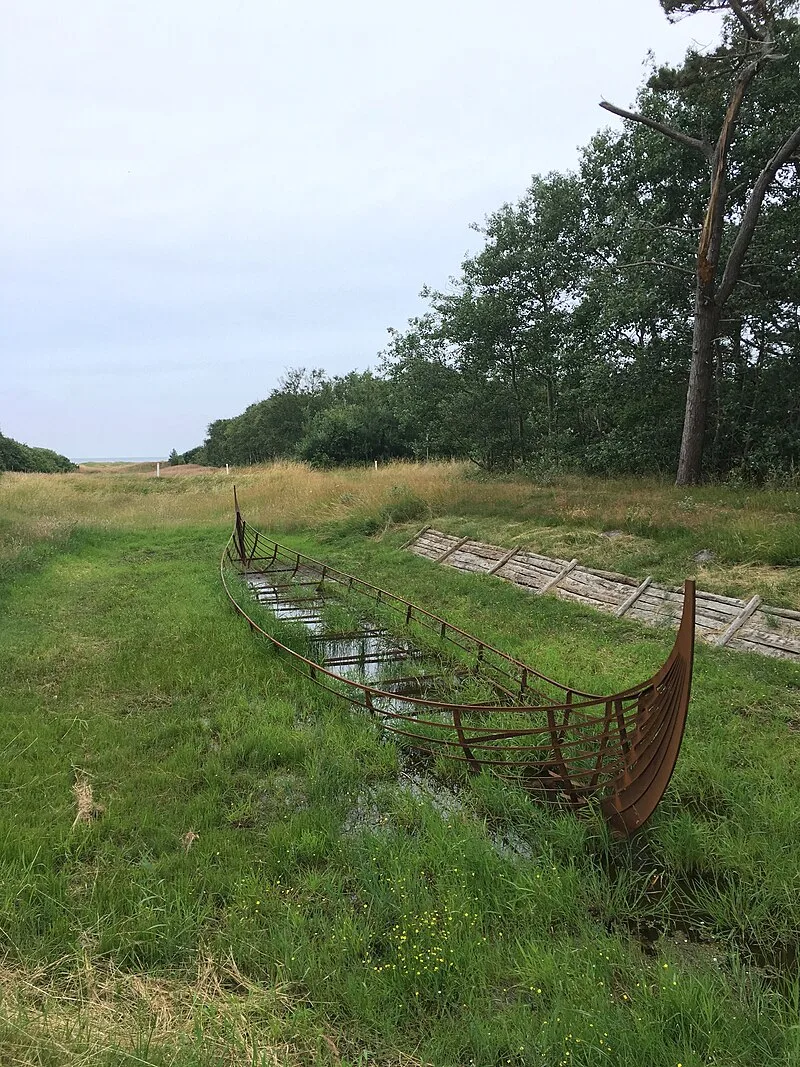
Tønnesminde
Tonnesminde is an archaeological site on the Danish island of Samso, featuring a present-day organic farm built atop layers of human occupation dating to approximately 4000 BC.…
Necropolis/tombs complex in Denmark (7)
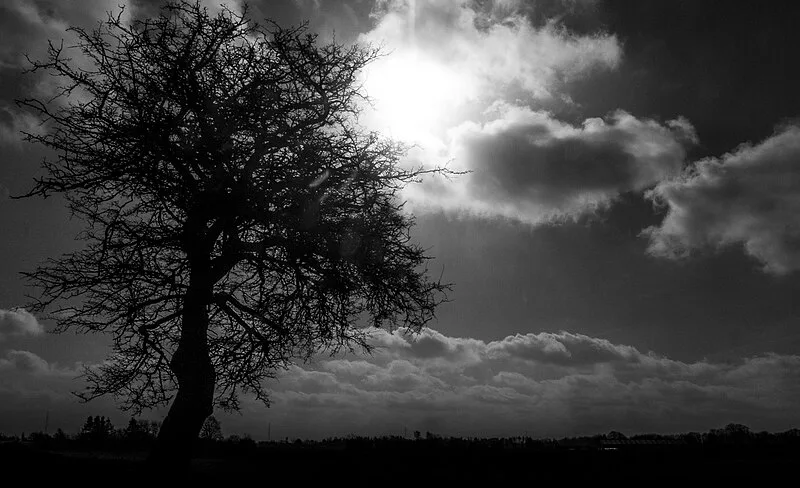
Grønsalen
Gronsalen (Gronjaegers Hoj) near Fanefjord Church on the Danish island of Mon is Denmark's largest long barrow, measuring approximately 102m long and 11m wide. Dating to c. 3500…
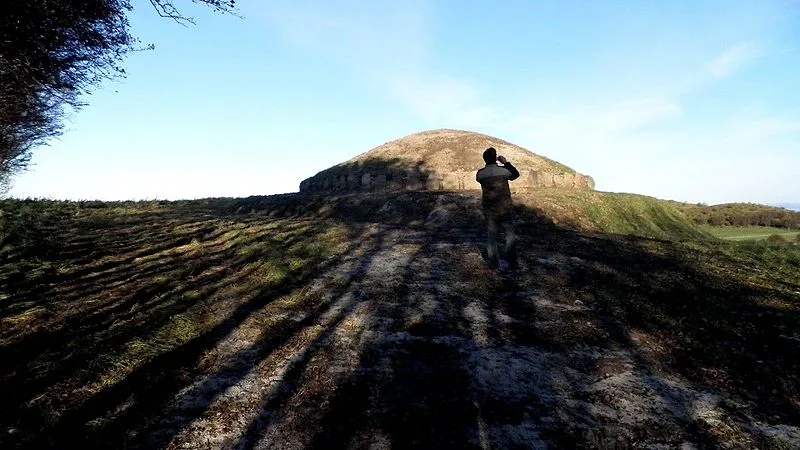
Hulbjerg Passage Grave
The Hulbjerg Passage Grave is a Neolithic passage grave on Langeland island, Denmark, located on a 15-meter hill south of Bagenkop harbour. Dating to 3300–3200 BCE, it belongs to…
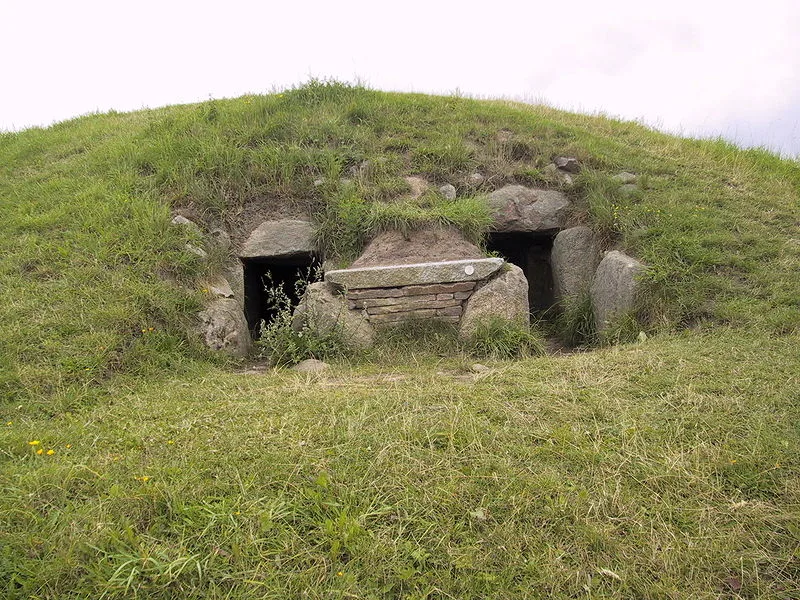
Klekkende Høj
Klekkende Hoj is a Neolithic passage grave on the island of Mon in Denmark, dating to approximately 3300-3200 BCE. It is the only double-passage tomb found on Mon, featuring two…
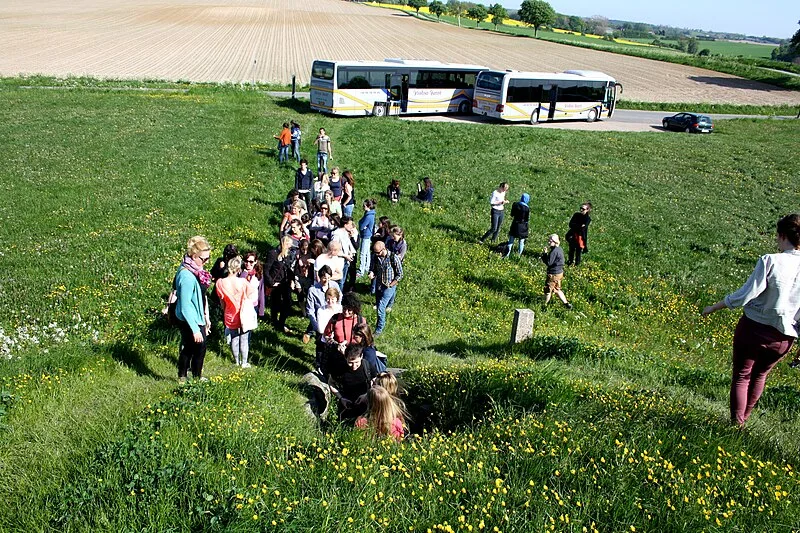
Kong Asgers Høj
Kong Asgers Høj is Denmark's largest passage grave, located on the island of Mon and dating to the Neolithic Funnel Beaker culture around 3000 BC. The megalithic structure…
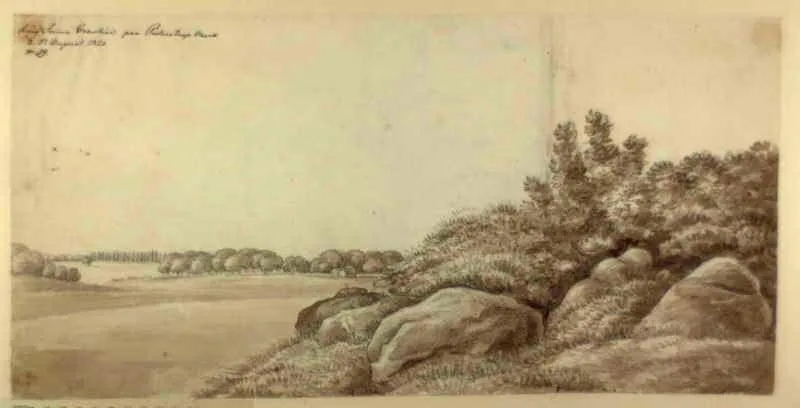
Kong Svends Høj
Kong Svends Hoj (King Svend's Mound) is a Neolithic passage grave on the island of Lolland in Denmark, north of Pederstrup, dating to around 3200 BC. Attributed to the Funnel…
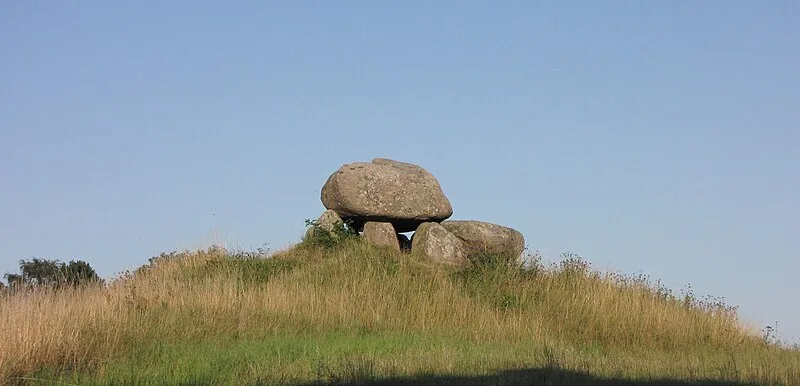
Sømarkedyssen
Soemarkedyssen is a Neolithic megalithic tomb near Soemarke on the Danish island of Moen, dating to approximately 3400 BC. The burial chamber has an octagonal design with a large…
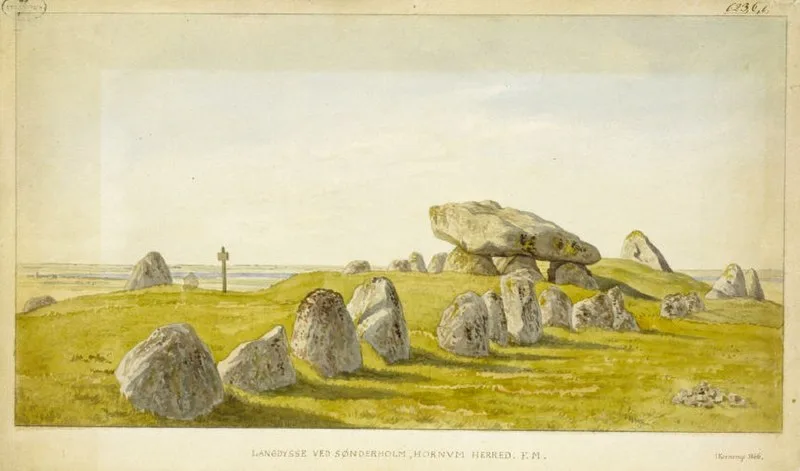
Troldkirken
Troldkirken ("Church of the Troll") is a Neolithic long barrow near Nibe, Denmark, constructed by the Funnelbeaker culture around 3500 BC. The monument stretches nearly 50 metres…
Geological interest in Denmark (3)
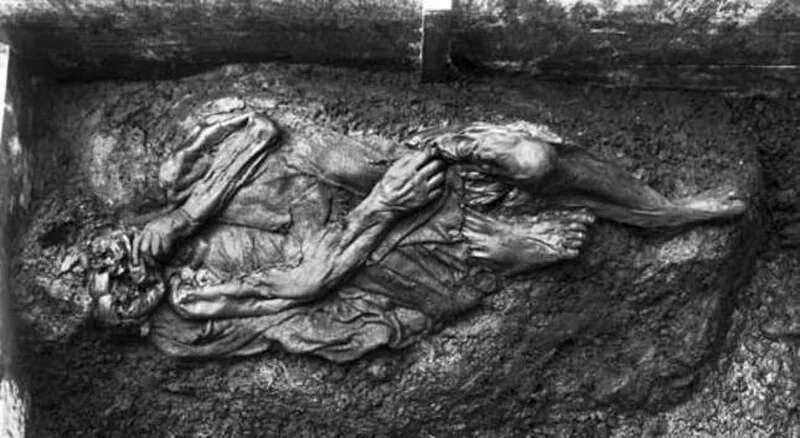
Borremose
Borremose is a raised bog in Himmerland, Denmark, famous for a Pre-Roman Iron Age fortified settlement and three naturally mummified bog bodies discovered between 1946 and 1948.…
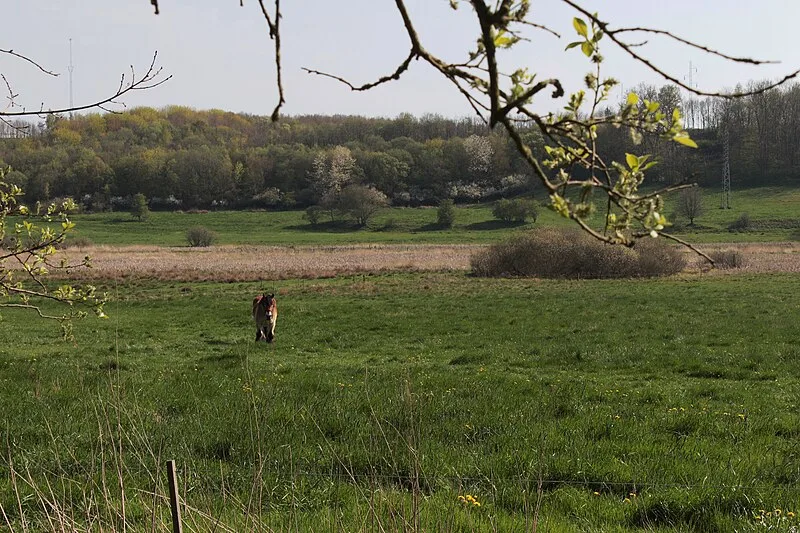
Illerup Ådal
A river valley and major Iron Age weapon sacrifice site near Skanderborg in East Jutland, Denmark. Excavated from 1950-1956 and 1975-1985, the site yielded over 15,000 items…
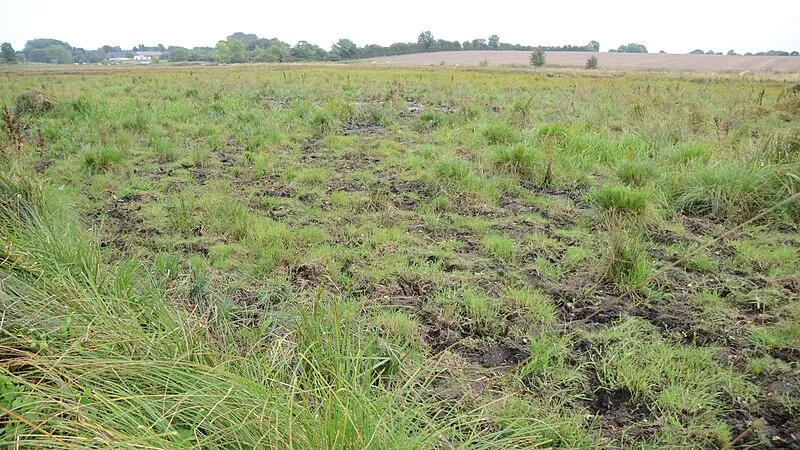
Nydam Mose
Nydam Mose (Nydam Bog) is an Iron Age sacrificial bog near Sonderborg, Denmark, where weapons and ships of defeated armies were ritually offered to gods between 200-400 AD.…
Megalithic stones in Denmark (2)
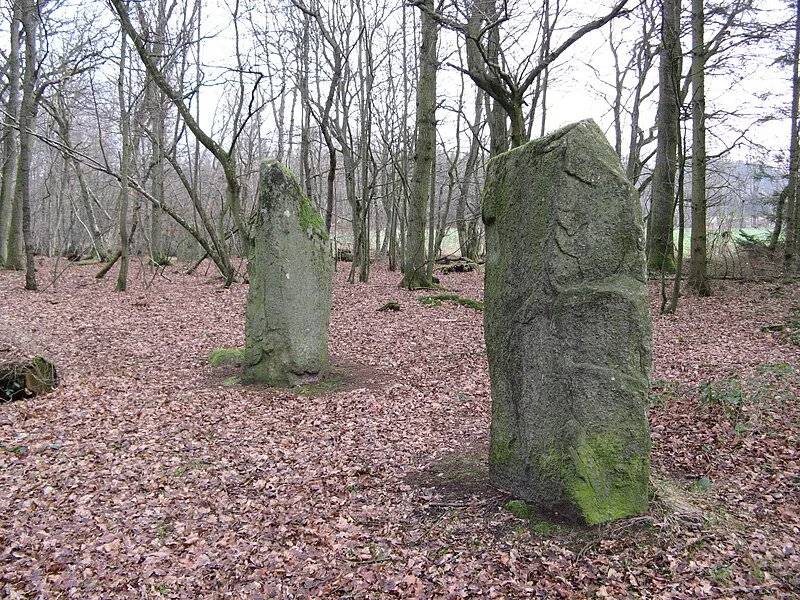
Gryet
Gryet is one of Denmark's largest megalithic sites, located on the island of Bornholm near Nexo, with 66 preserved standing stones in a small wooded area on elevated ground once…
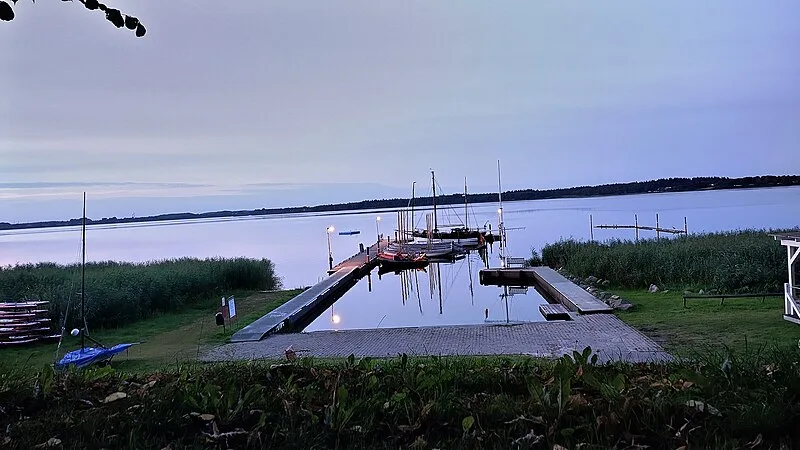
Louisenlund, Bornholm
Louisenlund is one of Denmark's largest megalithic sites, featuring approximately 50 standing stones among the trees, many exceeding 2.5 metres in height. Located 3.5 km east of…
Mound/tumulus in Denmark (2)
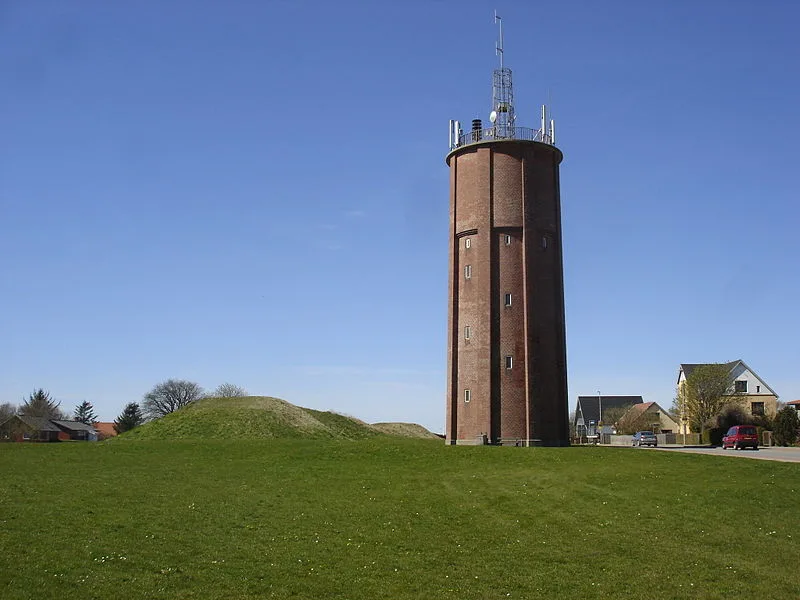
Langdos
Langdos (meaning 'long mound') is the largest Bronze Age burial mound in Denmark, located in Thisted, Jutland. Originally 175 metres long, it now measures 140 metres and was built…
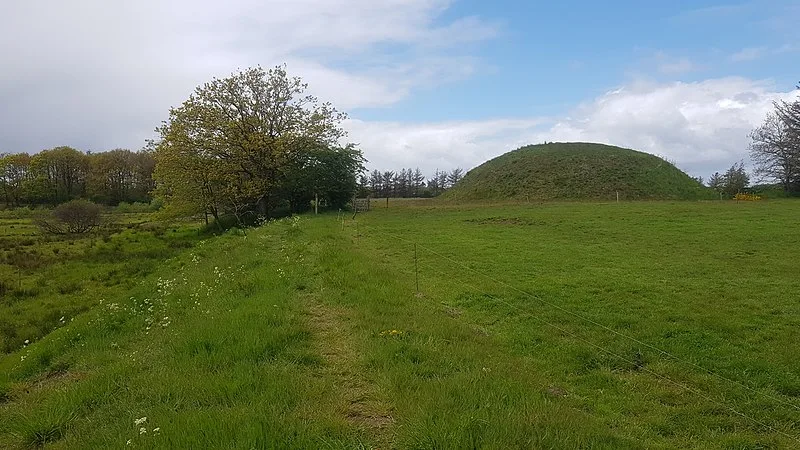
Skelhøj
Skelhoj is a Bronze Age burial mound near the Kongea River in southern Denmark, measuring 30 metres in diameter and 7 metres high -- the largest of 26 monumental mounds in the…
Barrow in Denmark (1)
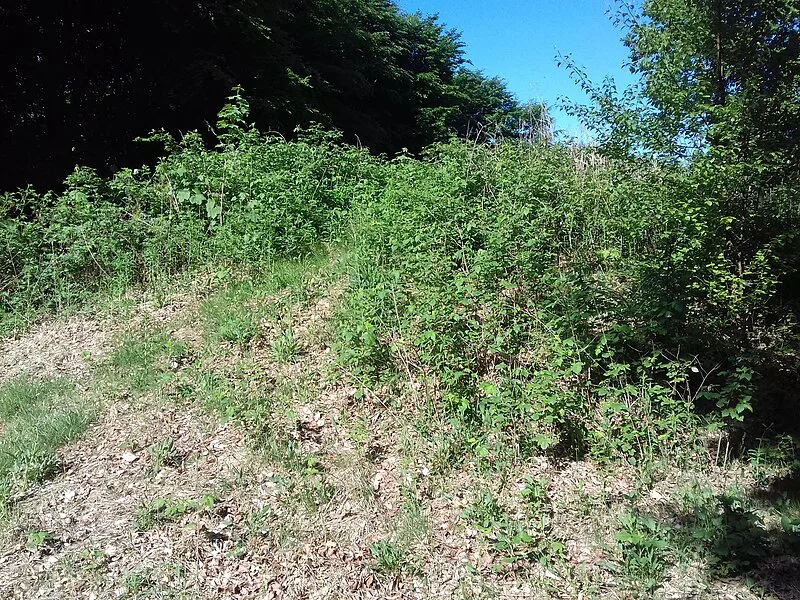
Cemetery in Denmark (1)
Fortress/citadel in Denmark (1)
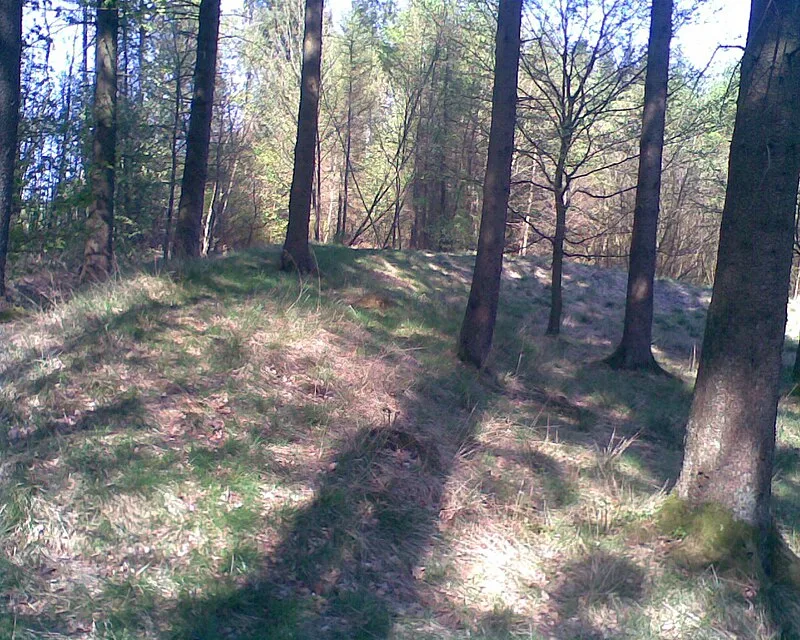
Petroglyphs in Denmark (1)
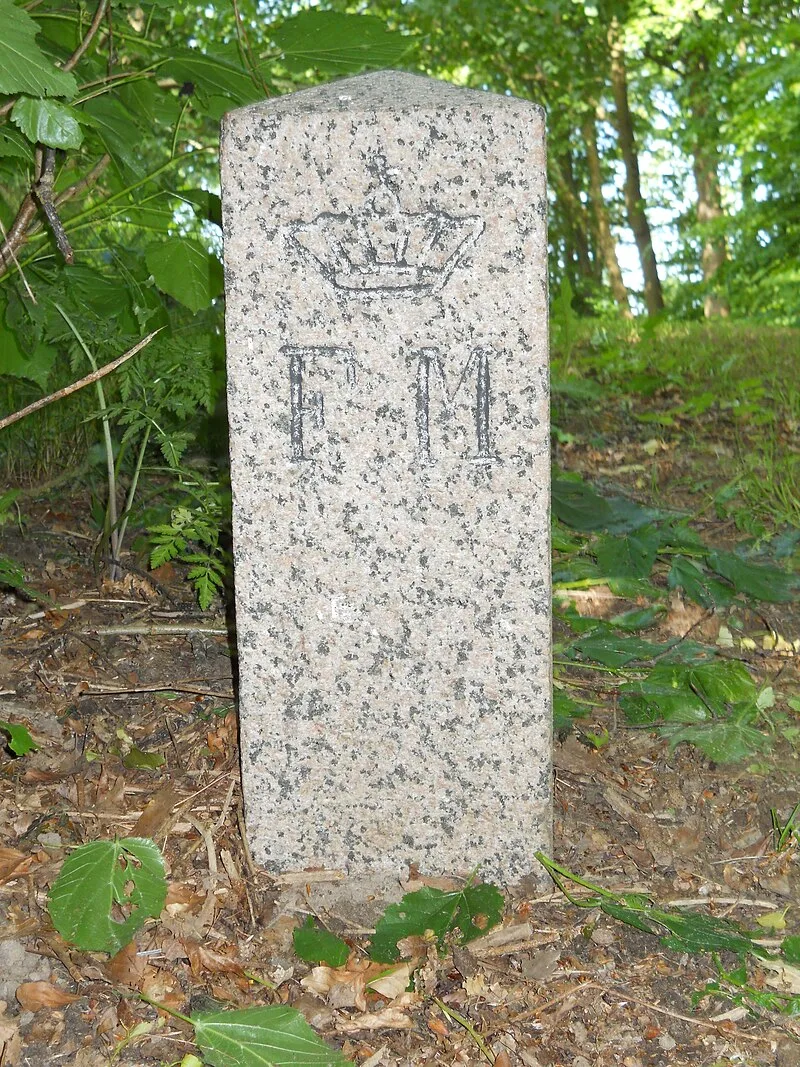
Timber circle in Denmark (1)
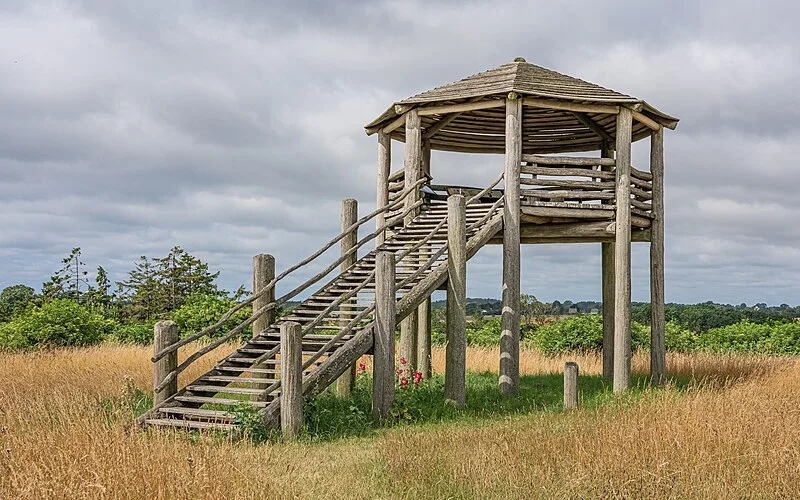
Tomb in Denmark (1)
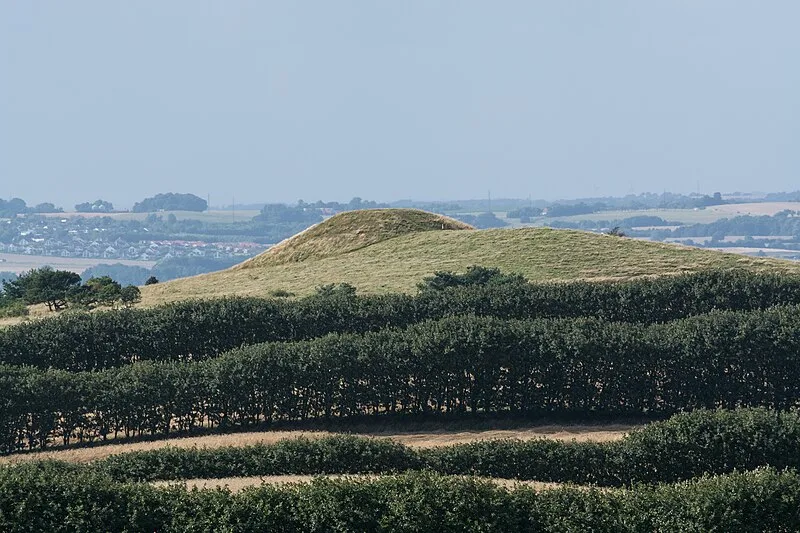
Keep exploring
Every site on this page sits on the globe, and the people who research them are on the Discord.
3D Globe · Sites by country · Story Archive · Research Library · Weekly Journal · Search