
 Belize
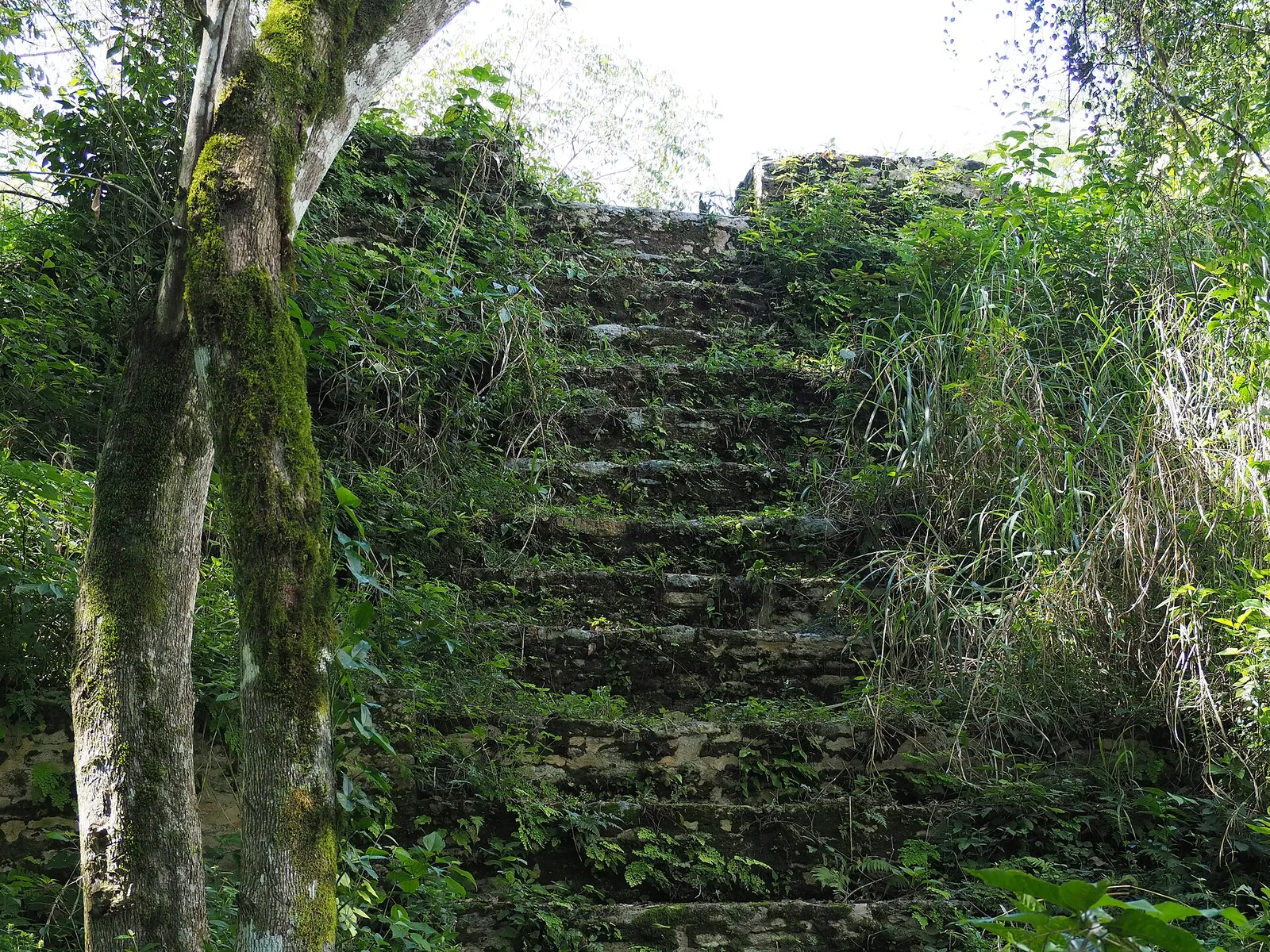
Pacbitun is a Maya archaeological site located near the town of San Ignacio in the Cayo District of west central Belize [1]. The site, at about 240 m above sea level, is one of the earliest known from the southern Maya Lowlands, and was inhabited for almost 2000 years, from ca. 900 BCE to 900 CE [1]. The central part of the site lies atop a partly artificial, east-west acropolis of limestone, and is marked today by over 40 masonry structures surrounding five major plazas [1]. First reported in the 1970s, Pacbitun was excavated extensively in the late 20th century by archaeologist Paul F. Healy and, in the early 21st century, by Terry G. Powis [1]. Based on these multi-year investigations, it is evident that the site was inhabited very early in Maya history, and flourished during the Late and Terminal Classic period (550-900 CE) [1]. Pacbitun was abandoned by about 900 CE, for reasons that remain unclear, but which surely were connected to the widespread abandonment of dozens of other, major centers of the Southern Lowlands at this time, as part of a phenomenon known as the Classic Maya collapse [1].
Text: Wikipedia – 'Pacbitun' (revision of 2026-07-22), CC BY-SA 4.0 · sentences selected and shortened by an AI system · source →Pacbitun
Also known as: Пакбітун
| Type | City/town/settlement, Pyramid complex |
|---|---|
| Period | 1500 - 500 BC |
| Country | Belize |
| Coordinates | 17.0920° N, 88.9950° W |