

Story Archive

USGS LiDAR video points to possible archaeological anomalies
LiDAR app (apps.nmmap.govviewer) used to identify archaeological anomalies. LiDAR app (apps.nmmap.govviewer) used to identify archaeological anomalies Large quartz-filled rock…
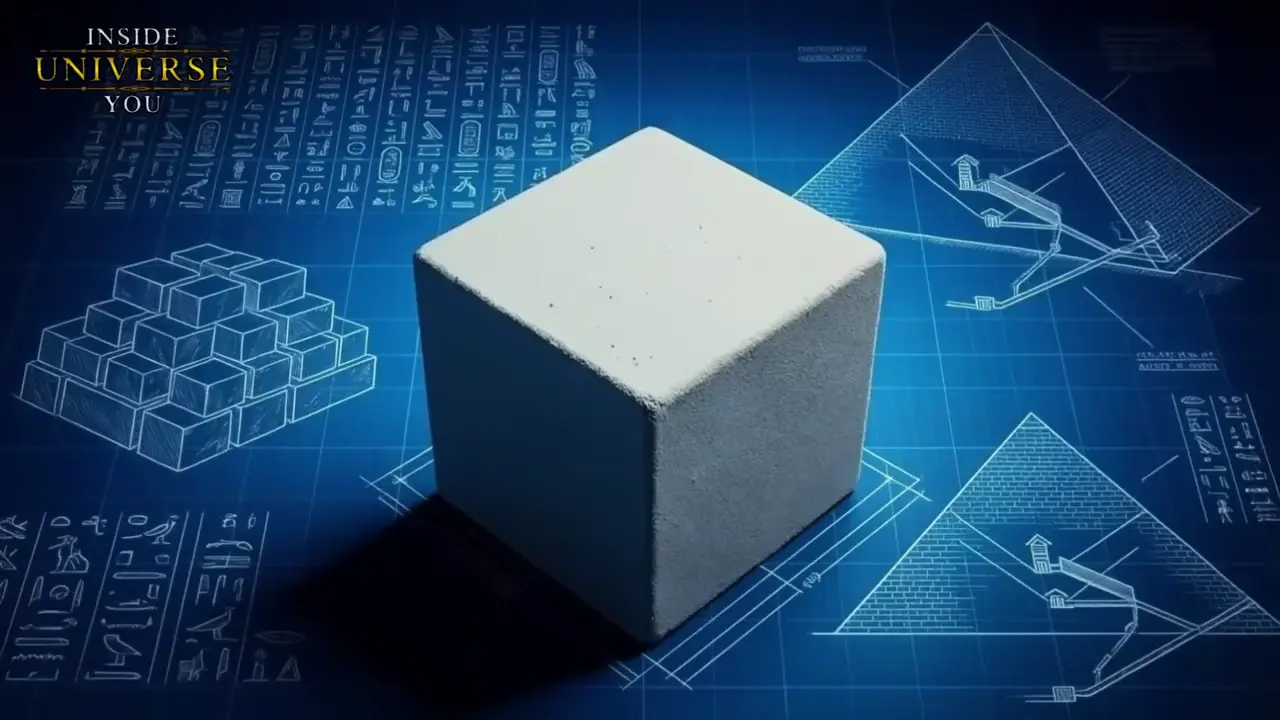
Video advances disputed geopolymer-casting theory for Sacsayhuamán blockslost_civilization
Hypothesis that Inca polygonal blocks were cast from geopolymer materials rather than carved from solid stone. Hypothesis that Inca polygonal blocks were cast from geopolymer…
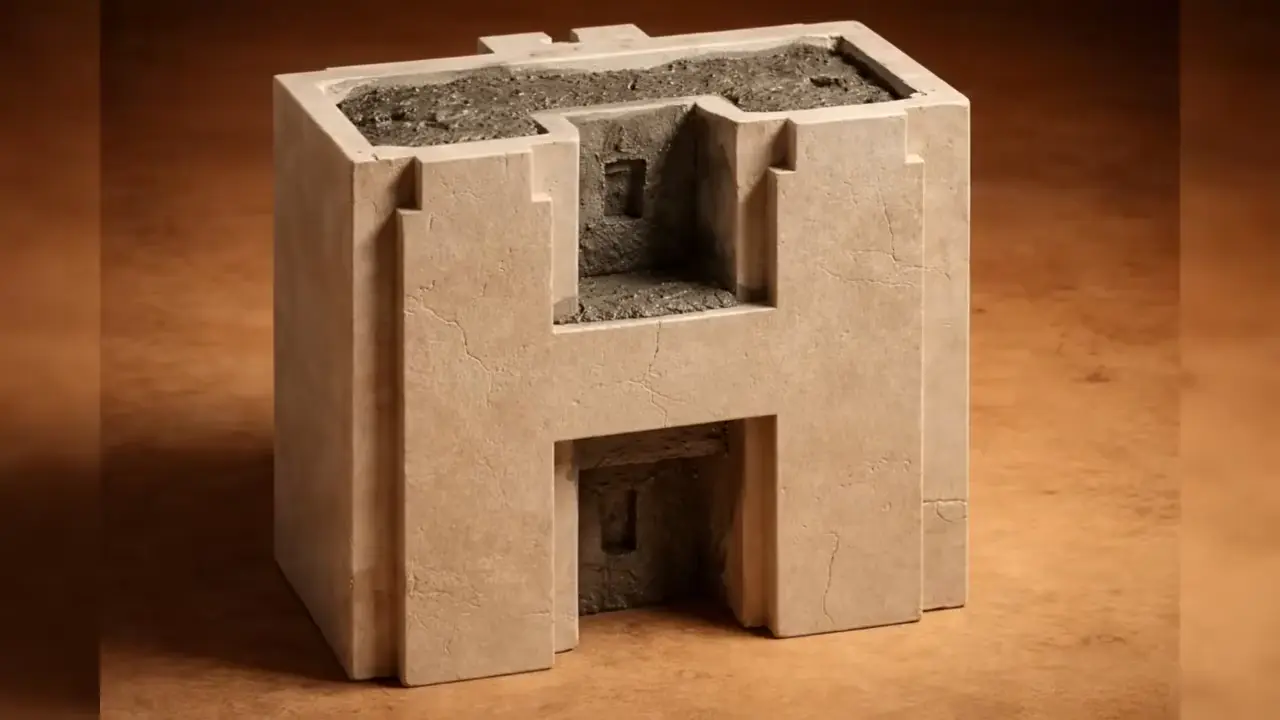
Qorikancha has mortarless andesite masonry; the purpose of inserted stones is debated
Qorikancha inner temple features tiny perfectly shaped stone inserted between multi-ton andesite blocks as stress relief marker. Qorikancha inner temple features tiny perfectly…
Inca polygonal masonry uses fitted, mortarless blocks in Cusco, Sacsayhuamán and the highlandslost_civilization
Inca polygonal masonry in Cusco, Sacsayhuamán, and highland sites features massive irregular blocks fitting without mortar. Inca polygonal masonry in Cusco, Sacsayhuamán, and…
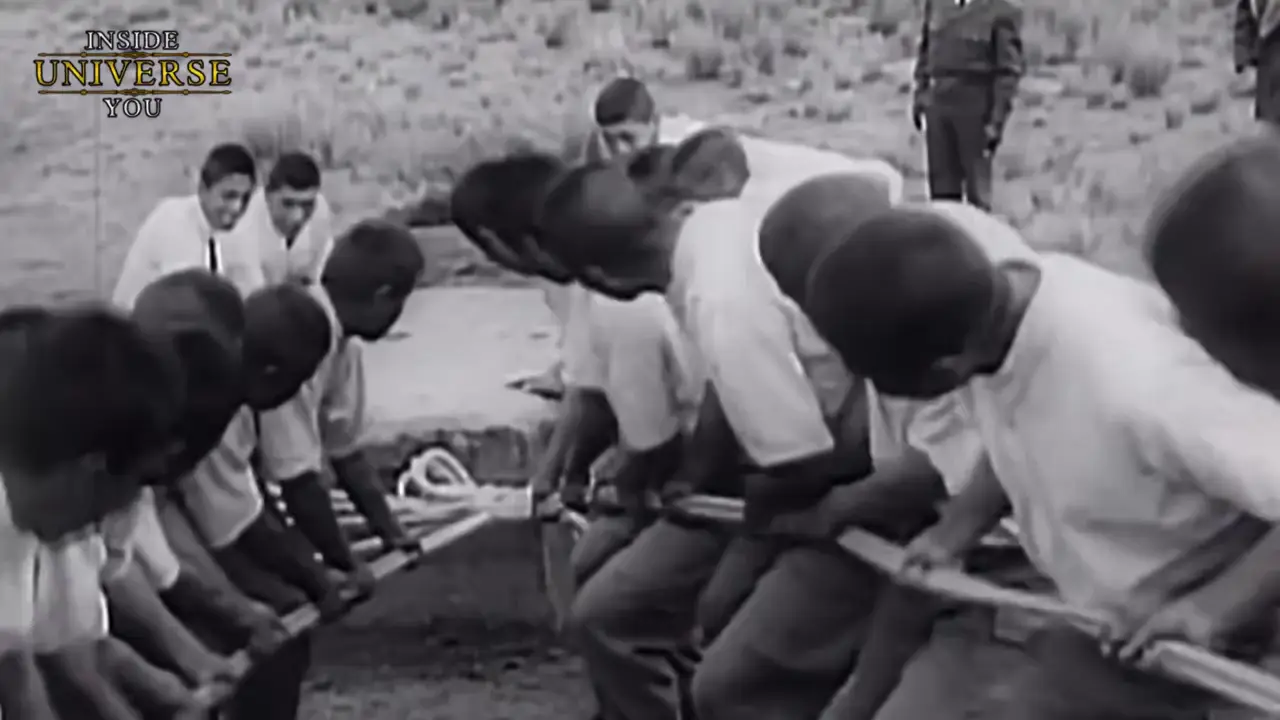
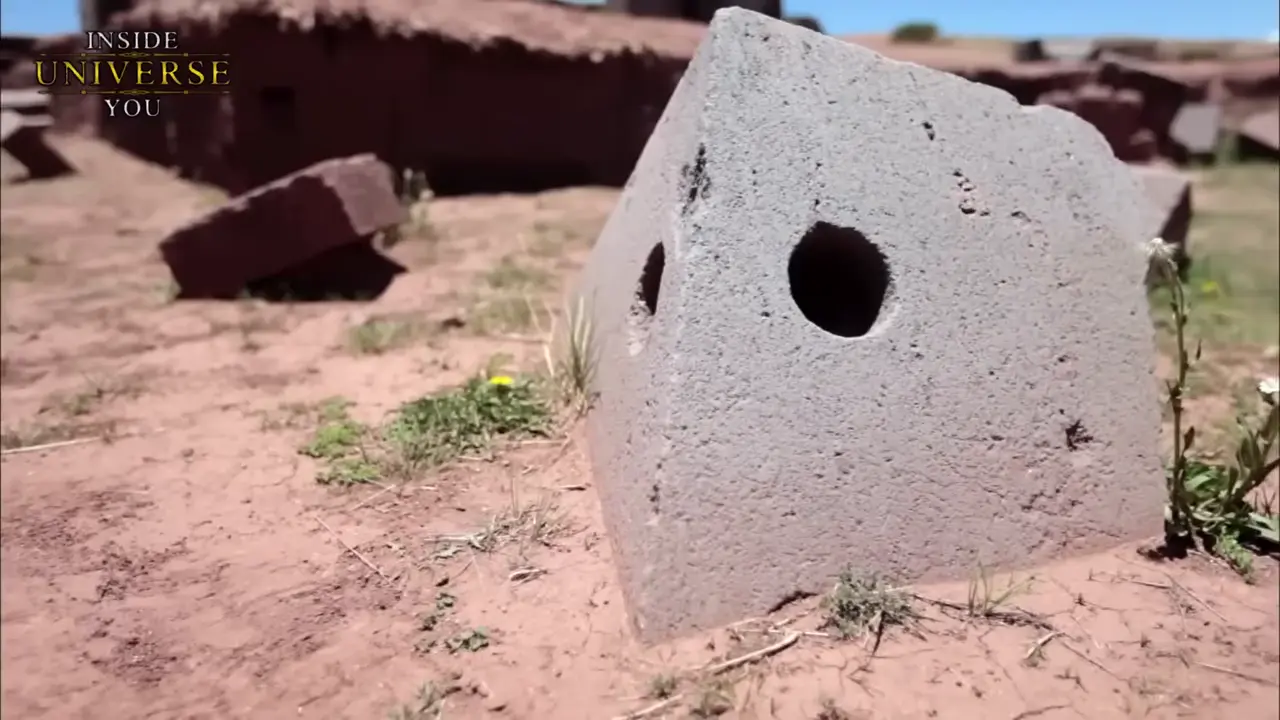
Pumapunku began in the 6th century CE; construction methods remain debated
Official narrative claims Pumapunku built around 536 CE by Tiwanaku civilization using stone hammers, ropes, and primitive tools. Official narrative claims Pumapunku built around…

Baghdad Battery artifacts consist of iron and copper metals submerged in electrolytic solution
Baghdad Battery artifacts consist of iron and copper metals submerged in electrolytic solution. Baghdad Battery artifacts consist of iron and copper metals submerged in…
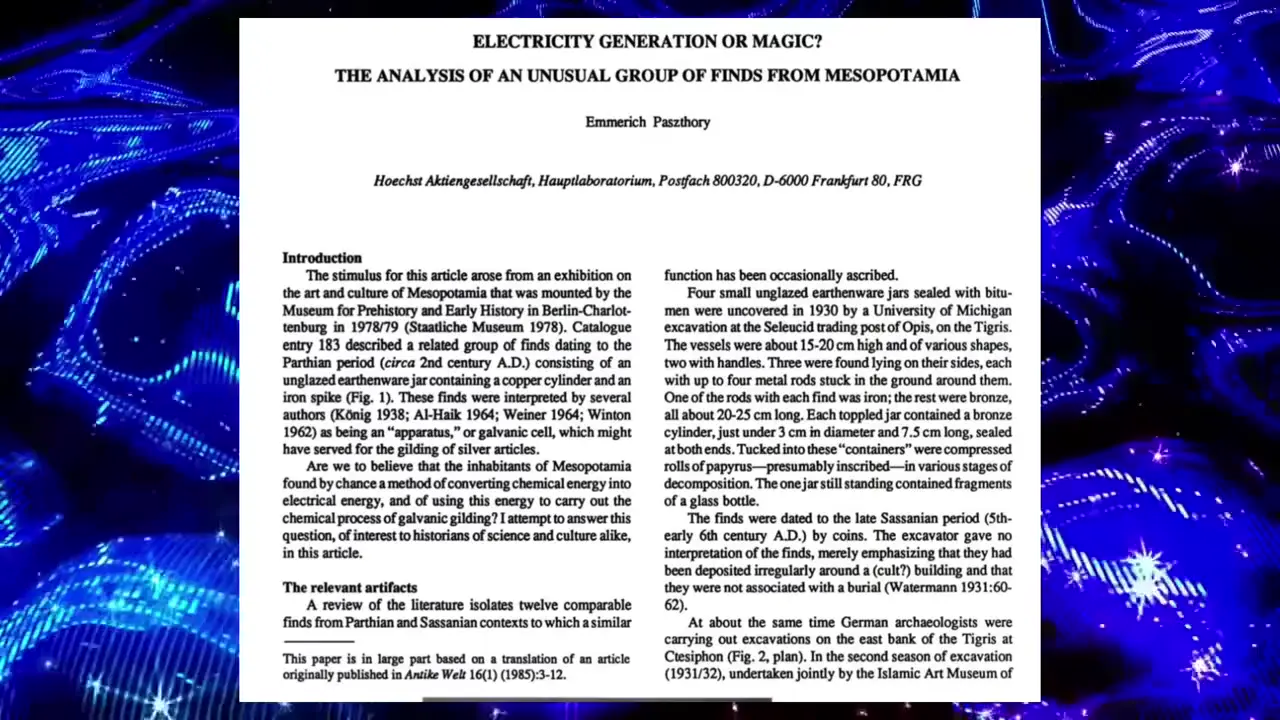
Video proposes Baghdad Battery used to extract precious metals from mine runoff
Proposed alternative function: galvanic cells used for precious metal extraction from mine runoff solutions. Proposed alternative function: galvanic cells used for precious metal…
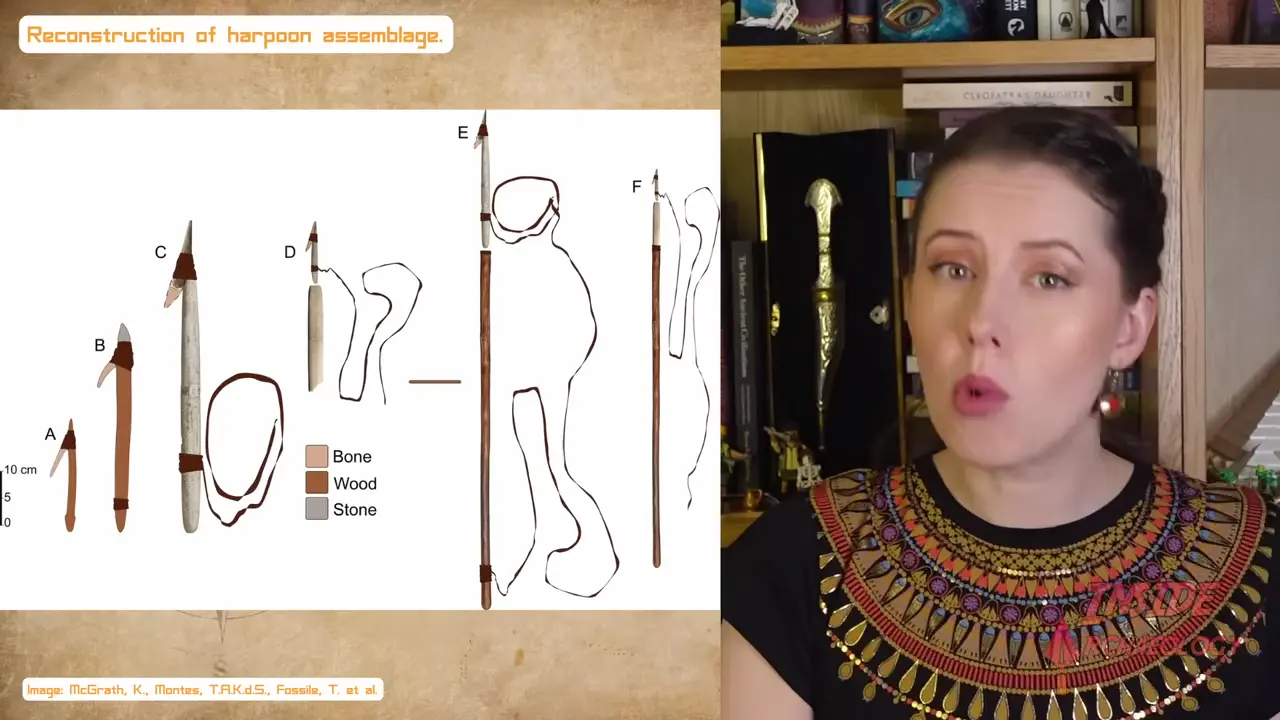
Ancient whale hunting in Brazil dated to 5,000 years ago
Ancient whale hunting in Brazil dated to 5,000 years ago. 5,000 years ago on southern coast of Brazil Sambaki shell mounds in Babatonga Bay Southern right whales, humpback whales,…
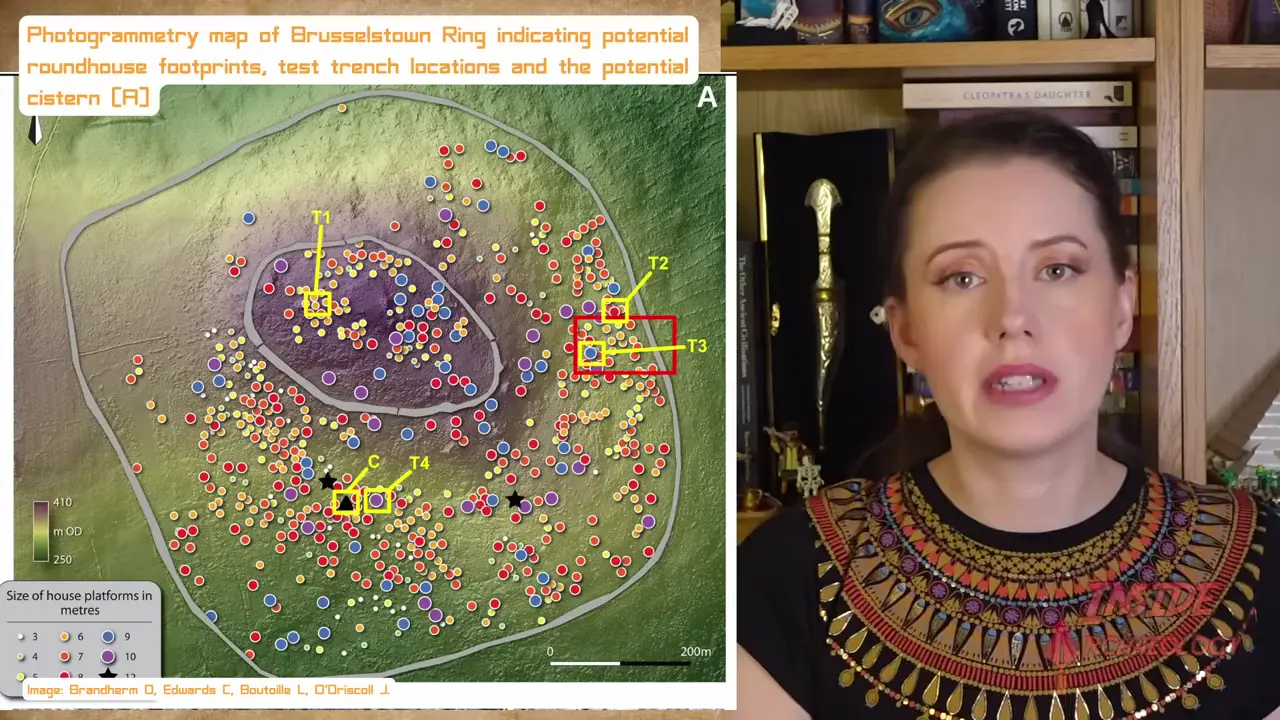
Largest prehistoric Irish settlement reveals 600+ suspected house platforms
Largest prehistoric Irish hill fort reveals 600 house platforms. Bronze and Iron Ages, 3,200-2,400 years ago County Wicklow, Ireland Brussels Ring Hill Fort
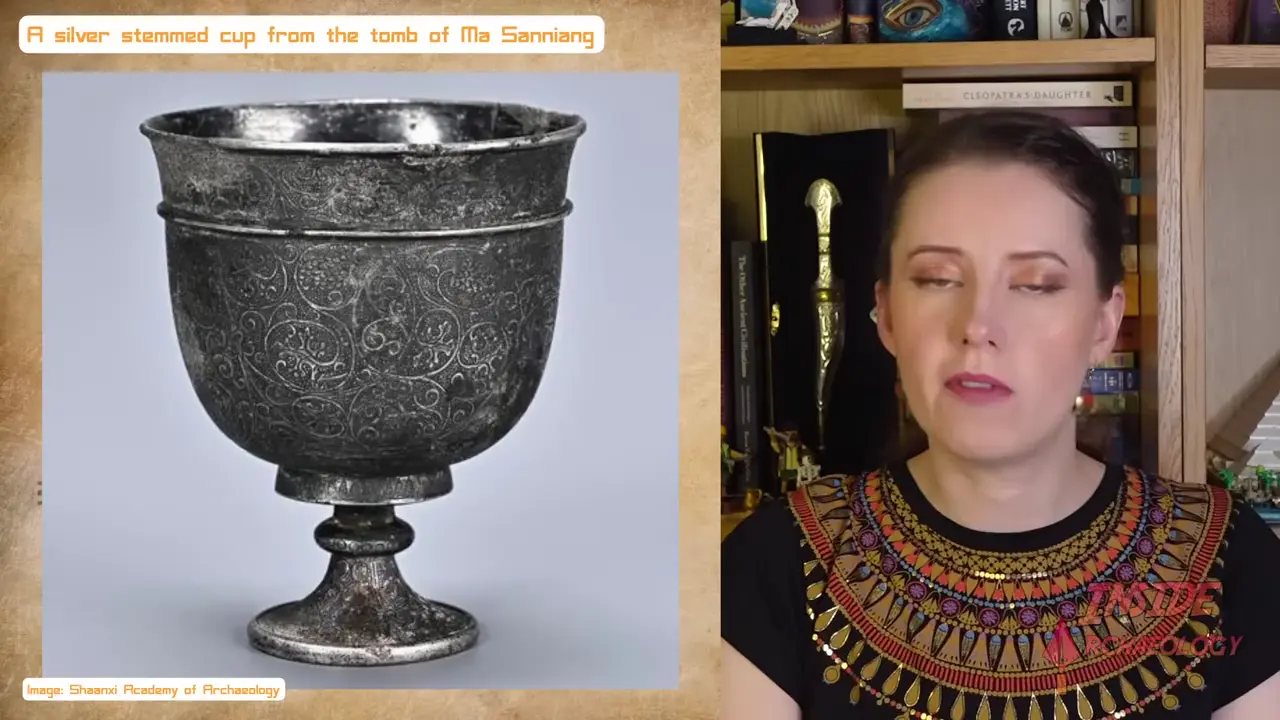
Tang Dynasty tomb of elite woman reveals Silk Road artistic influences
Tang Dynasty tomb of elite woman reveals Silk Road artistic influences. 1,300 years old, 698 CE Xi'an, Shaanxi Province, China Tomb of Ma San Niang, wife of Tang Dynasty military…
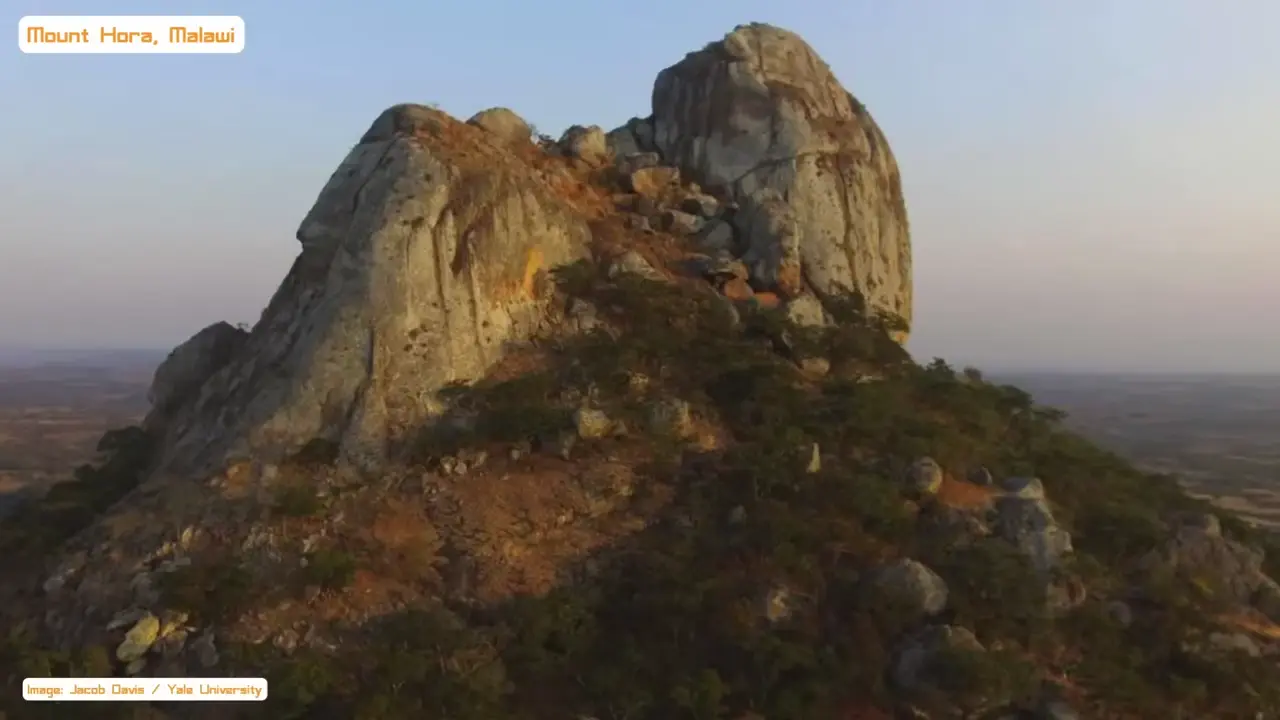
Oldest adult cremation in Africa discovered in Malawi rock shelter
Oldest adult cremation in Africa discovered in Malawi rock shelter. 9,500 years ago (9,540-9,454 years before present) Mount Hora rock shelter in northern Malawi 170 bone…
3rd century BCE terracotta dancing figurine found at Taxila, Pakistan
3rd century BCE terracotta dancing figurine found at Taxila, Pakistan. 2,300 years old Beher Mound near Islamabad, Pakistan Part of UNESCO World Heritage site Taxila
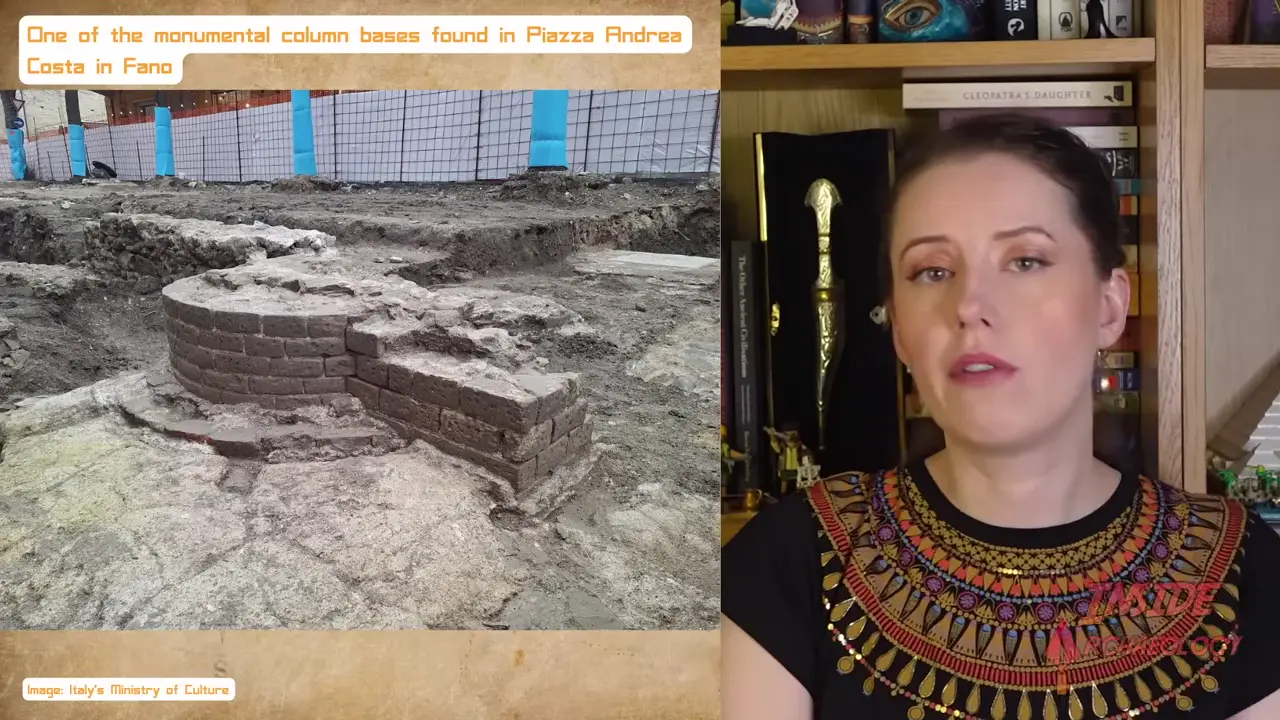
Vitruvius' basilica confirmed in Fano, Italy after centuries of searching
Vitruvius' basilica confirmed in Fano, Italy after centuries of searching. 1st century BCE, 2,000 years ago Fano, Italy Designed by Marcus Petruvius Pollio, Roman architect
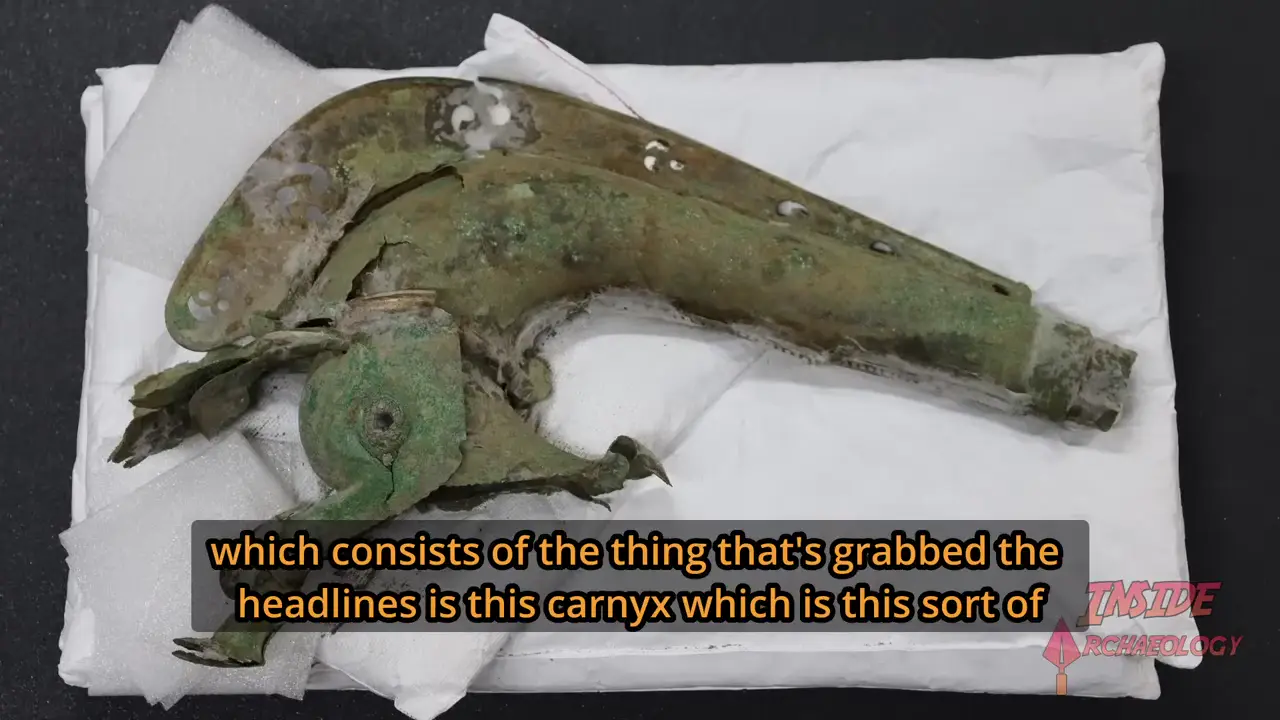
Near-complete Iron Age carnyx and first UK boar standard found in Norfolk, UK
Most complete Iron Age carnyx and boar standard found in Norfolk, UK. 2,000 years old, 1st century CE West Norfolk, UK Consolidated horde of late Iron Age metalwork
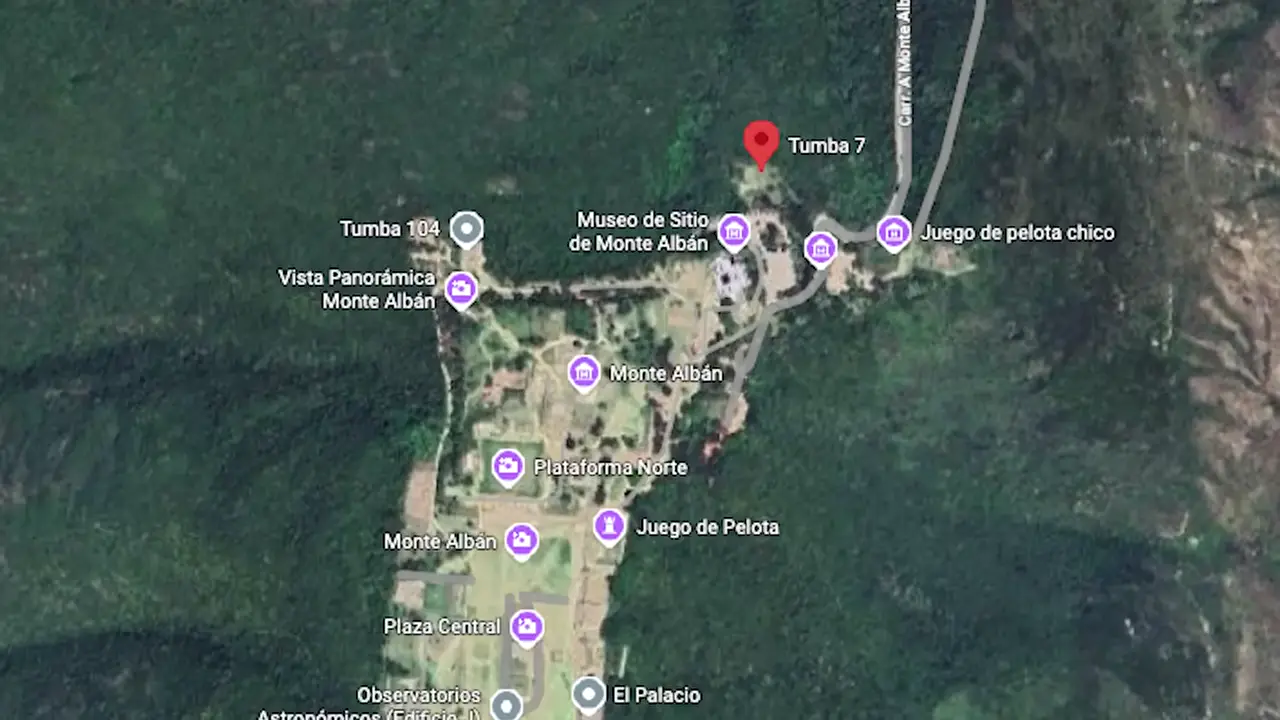
Monte Albán Tomb 7 yielded one of Mesoamerica’s richest pre-Columbian burials
Monte Alban Tomb 7 remains richest pre-Columbian burial north of South America with gold artifacts. Monte Alban Tomb 7 discovered in 1931 by Alfonso Caso Contains the richest tomb…

1,400-year-old Zapotec tomb discovered in Oaxaca Valley with carved doorways and murals
1,400-year-old Zapotec tomb discovered in Oaxaca Valley with carved doorways and murals. Tomb dates to approximately 600 CE Located in the Etla Valley, the most fertile region of…
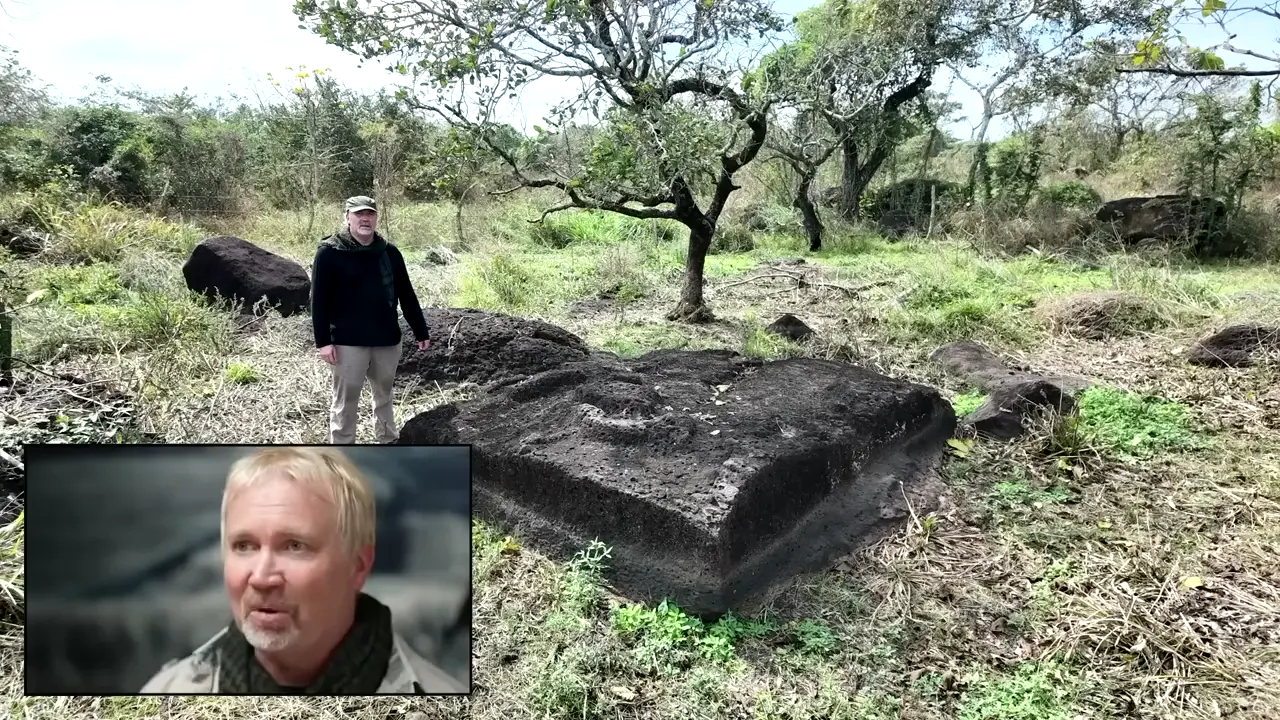
An undiscovered Olmec head remains partially buried and unexcavated in a quarry
An undiscovered Olmec head remains partially buried and unexcavated in a quarry. An undiscovered Olmec head remains partially buried and unexcavated in a quarry The head is…
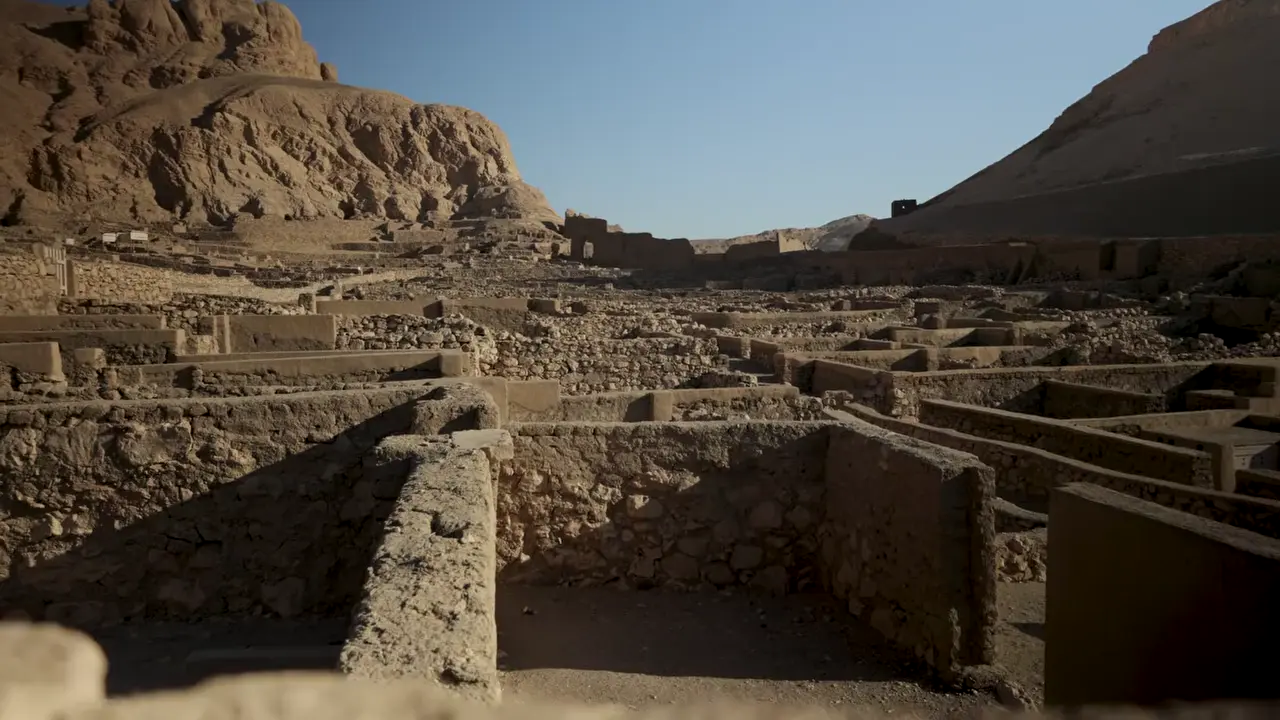
Deir el-Medina village housed skilled artisans who built Valley of the Kings tombs for 400 years
Deir el-Medina village housed skilled artisans who built Valley of the Kings tombs for 400 years. Deir el-Medina ancient name: Set Maat (place of truth or justice) Purpose-built…
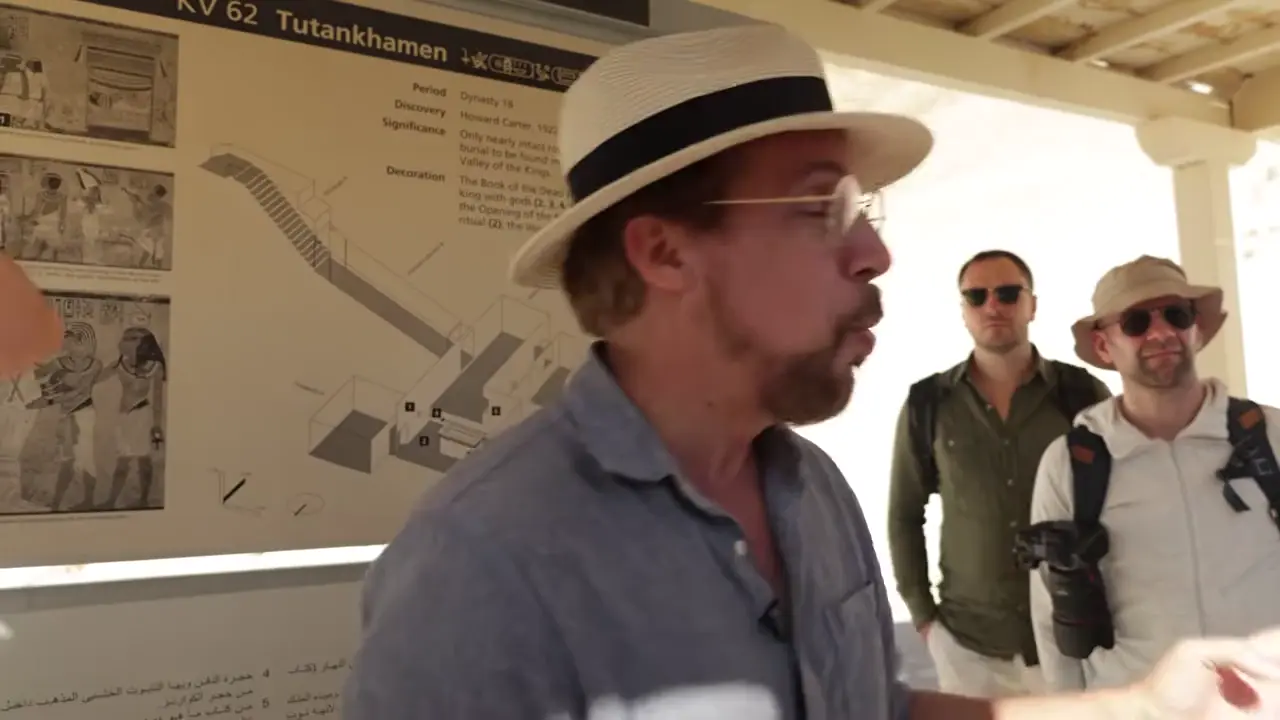
Howard Carter's systematic excavation of Tutankhamun's tomb in 1922
Howard Carter's systematic excavation of Tutankhamun's tomb in 1922. Howard Carter hired by Lord Carnarvon to search for intact royal tomb Carter predicted finding Tutankhamun's…
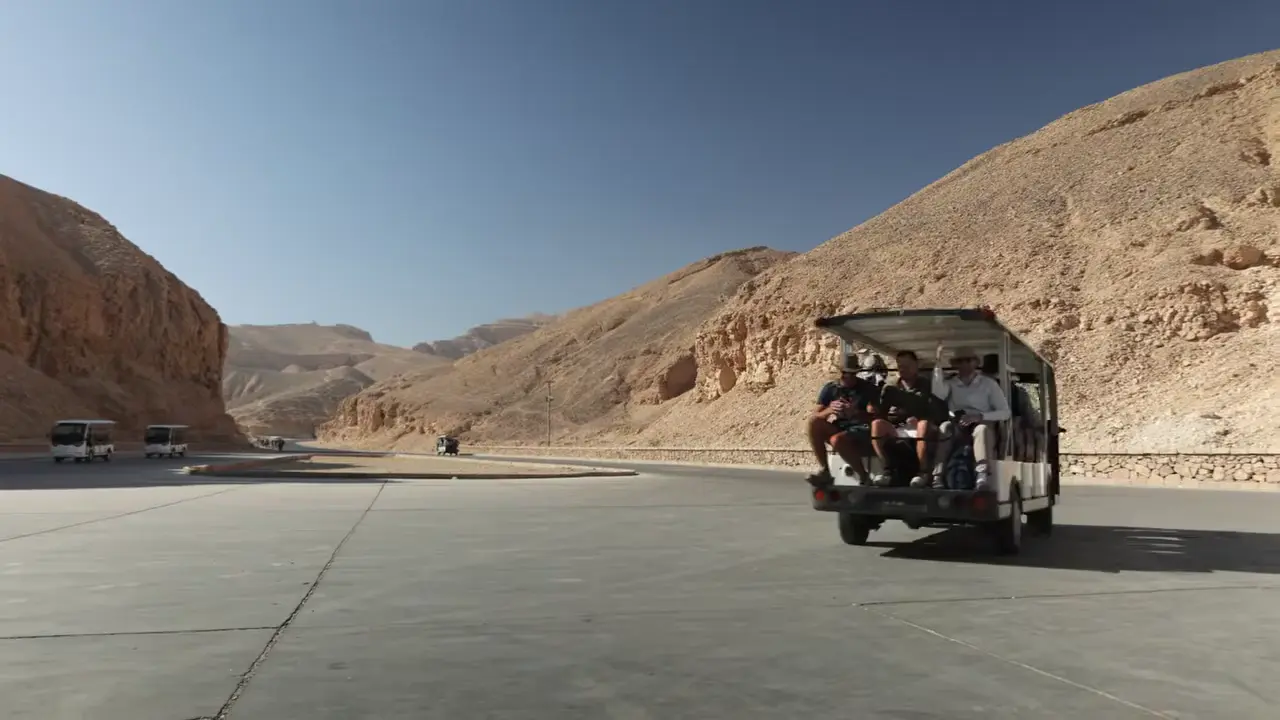
Valley of the Kings used as royal cemetery for 500 years during New Kingdom
Valley of the Kings used as royal cemetery for 500 years during New Kingdom. Valley of the Kings served as royal cemetery from approximately 1539 to 1075 BCE Covers 18th, 19th,…
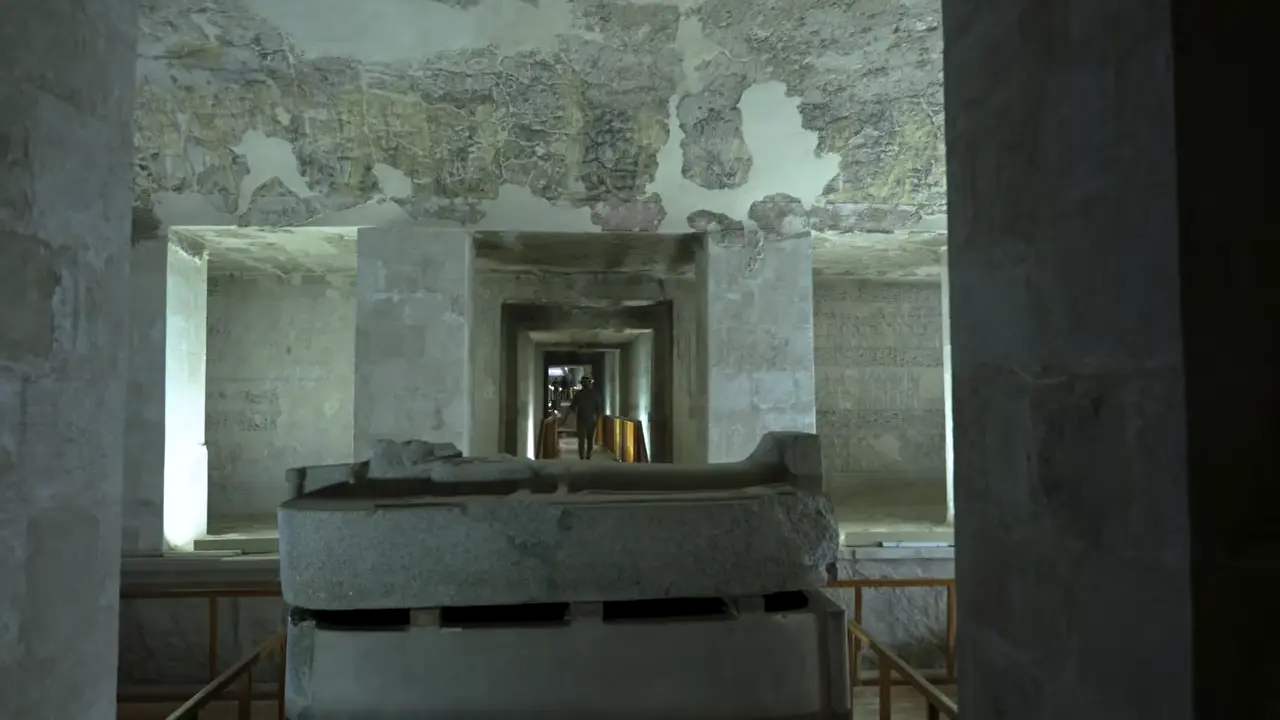
Setnakht reused Queen Tausret’s KV14 tomb; video links changes to instability
Queen Tausert's tomb usurped by Setnakht reveals political instability of late New Kingdom. Queen Tausert (also Tawosret) was last ruler of 19th dynasty, died around 1188 BCE…
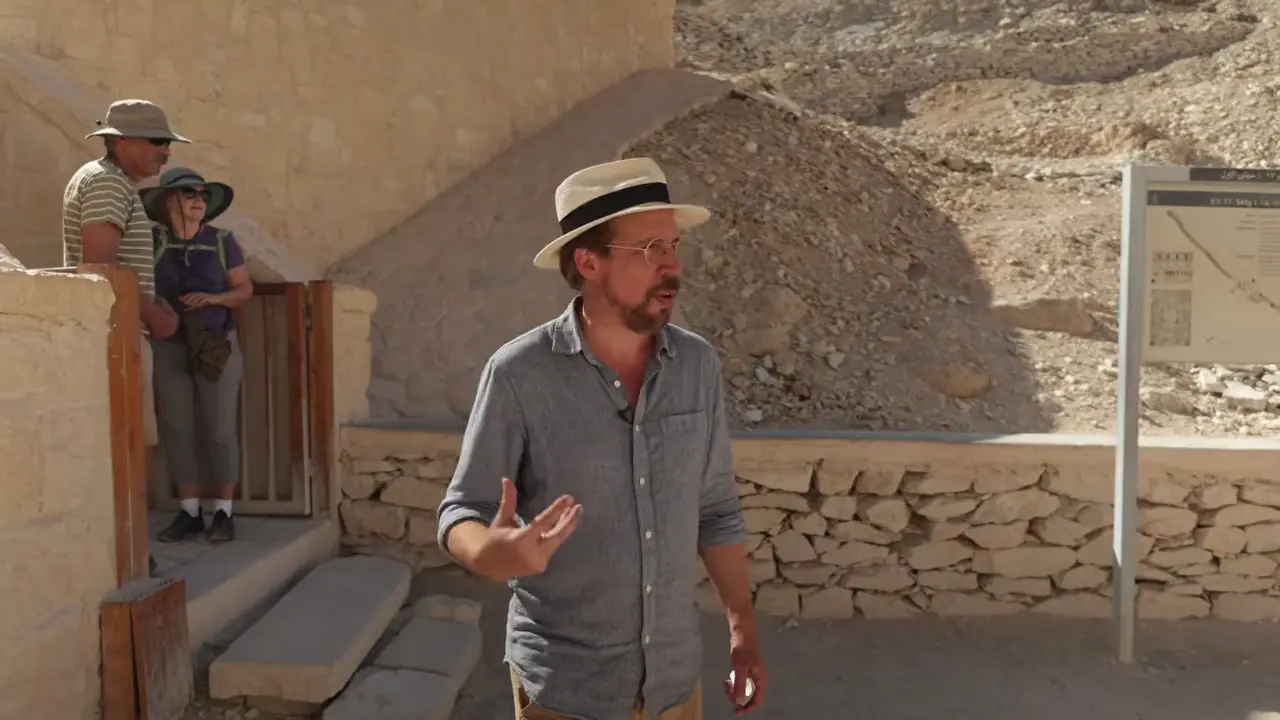
Seti I’s roughly 137-metre tomb features elaborate underworld texts
Seti I's tomb features 137-meter corridor and elaborate underworld theology texts. Seti I was great conqueror and father of Ramesses the Great Tomb approximately 137 meters long…
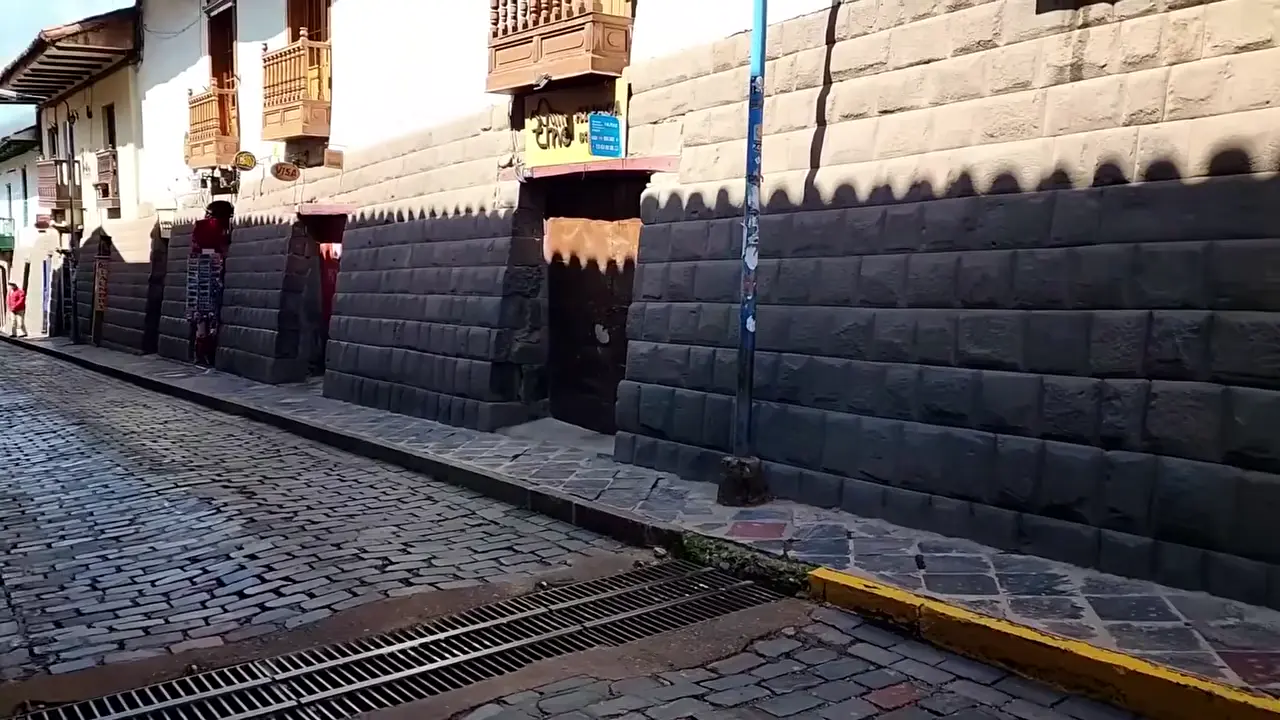
Video argues Sacsayhuamán’s Inca walls were engineered for earthquakes
Ancient megalithic construction techniques show earthquake-resistant engineering design. Megalithic walls are constructed with inward-sloping sides for earthquake resistance…
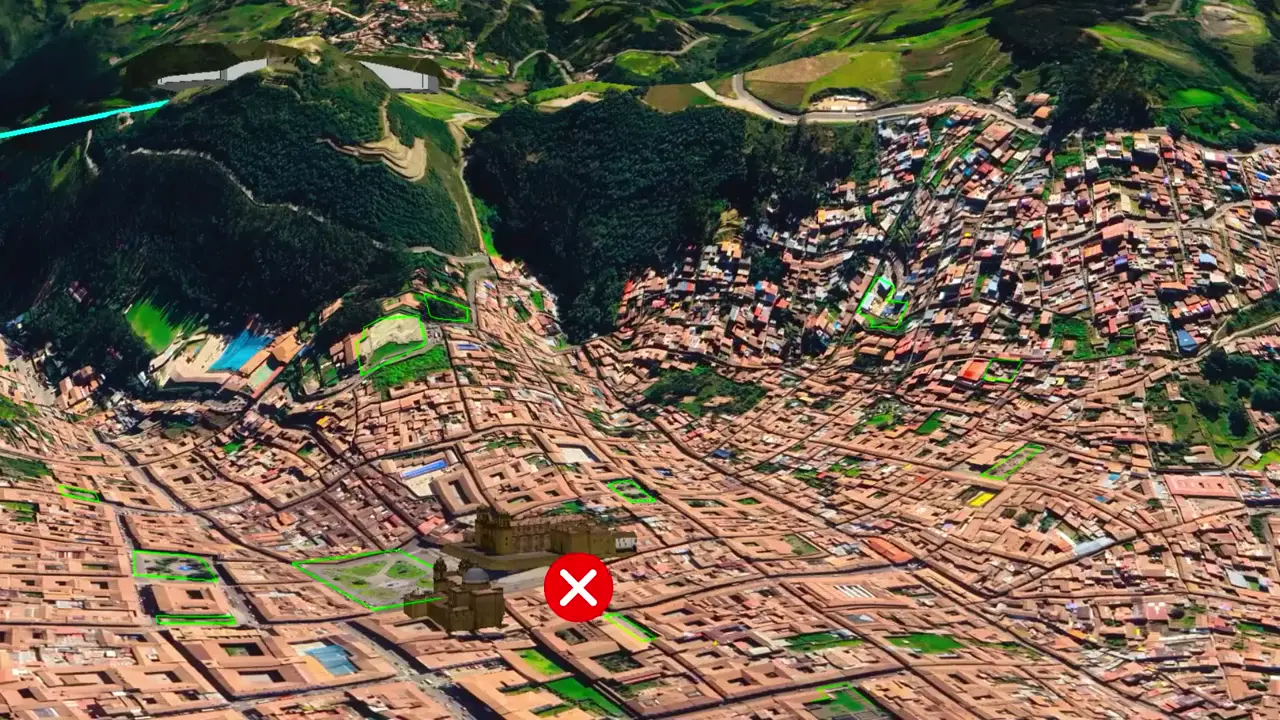
Ancient megalithic wall with trapezoidal doors and windows built into downtown Titiqaqa, Cusco restaurant
Ancient megalithic wall with trapezoidal doors and windows built into downtown Titiqaqa, Cusco restaurant. Megalithic wall located near the cathedral, now part of a restaurant…

Dating evidence from polished stone surfaces and carbon samples suggests original carving
Dating evidence from polished stone surfaces and carbon samples suggests original carving. Stones are polished on all faces except bottom portions Unpolished portions indicate…

Carved megalithic stones with zoomorphic reliefs depicting fish and bulls
Carved megalithic stones with zoomorphic reliefs depicting fish and bulls. Stones feature zoomorphic reliefs rather than simple standing stones Some carvings represent fish,…

Vishapi Dragon Stones of Armenia dated to 6,000 years old
Vishapi Dragon Stones of Armenia dated to 6,000 years old. Vishapi stones also known as Dragon Stones located in Armenian highlands Recently subject to modern archaeological…

115 Vishap stones documented in Armenia; roughly 150 across the Armenian Highlands
115 Vishapi stones documented in Armenian highlands with 150 total across region. 115 Vishapi stones documented in Armenia highlands to date Total of approximately 150 stones when…

Stones used continuously from creation through medieval times with later modifications
Stones used continuously from creation through medieval times with later modifications. Evidence suggests stones were in use from original placement through medieval times Some…

Video argues largest stones were deliberately moved to high-altitude sites
Deliberate effort to transport largest available stones to high altitude locations. Lower level stones (1,400-2,300 meters) are singular and close to settlements Upper level…

Video argues Poverty Point's clay objects may not have been cooking stones
Poverty Point objects found in Louisiana mound are traditionally classified as cooking stones. Poverty Point objects found in Louisiana mound are traditionally classified as…
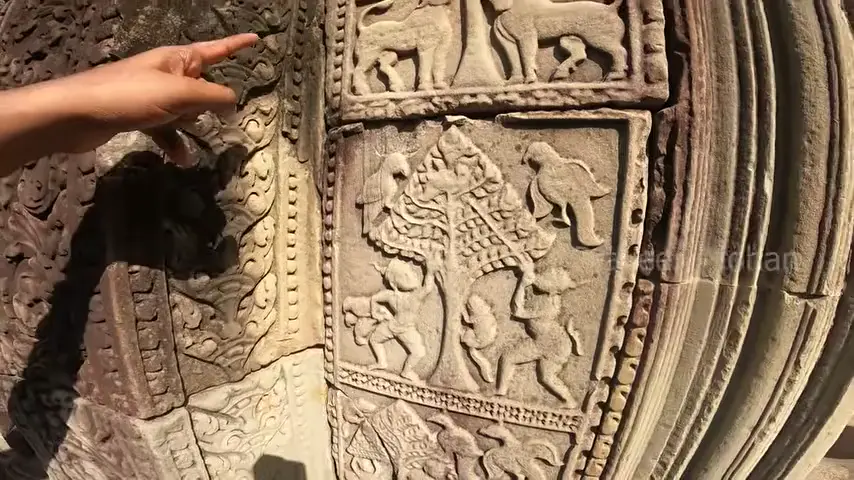
Video interprets Baphuon relief as showing drug-assisted bird trapping
Baphuon depicts ancient bird-trapping technique using drugged food. Carvings show two figures offering food to tree branches Bird shown upside down (fainted) after eating laced…

Baphuon carving illustrates Jayadratha’s decapitation in the Mahabharata
Baphuon carving illustrates Mahabharata episode of Jayatrada's decapitation. Carving shows figure in namaste position with flying severed head wearing crown and long ears Head has…

Video argues Baphuon carvings may depict extinct animals and non-human beings
Baphuon carvings depict extinct megafauna and non-human entities. Carvings show hunting scenes with animals twice the size of modern wild boars (5 feet tall vs 2.5 feet today)…
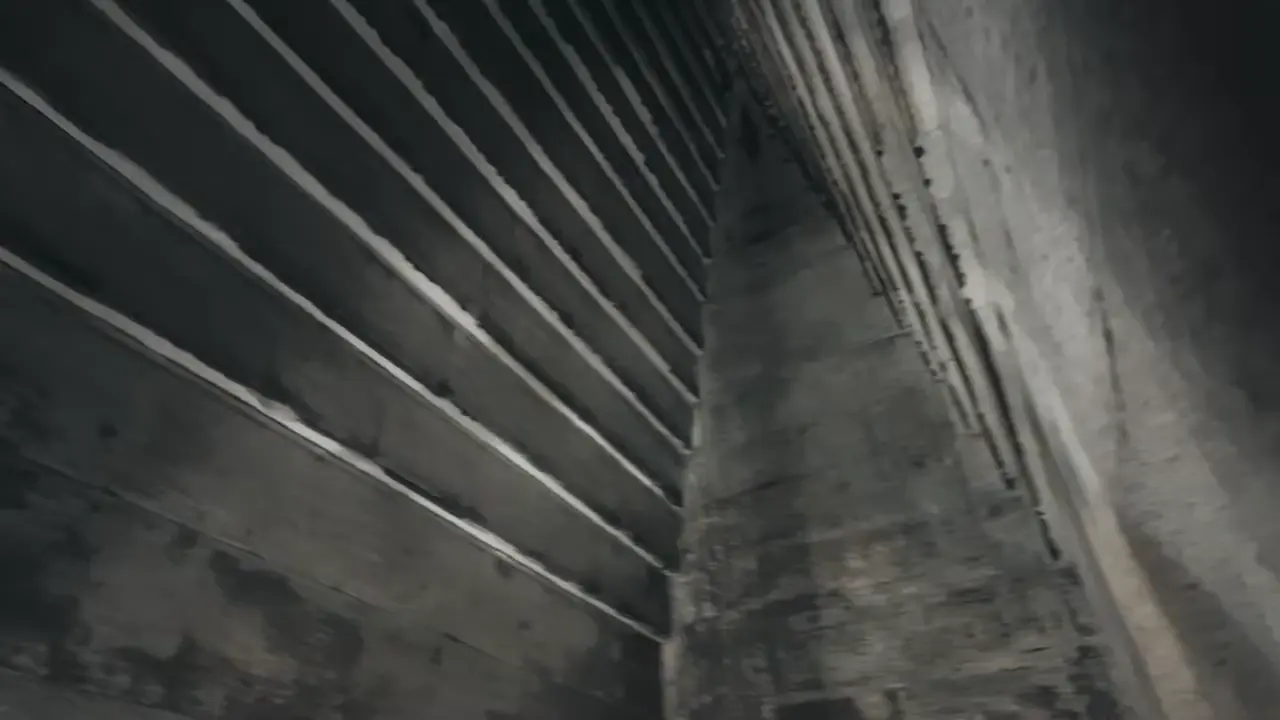
No burial was found in the Bent Pyramid; its Sneferu attribution is evidence-based
No funerary equipment, burial remains, or sarcophagi were uncovered at the Bent Pyramid.,. No funerary equipment, burial remains, or sarcophagi were uncovered at the Bent…
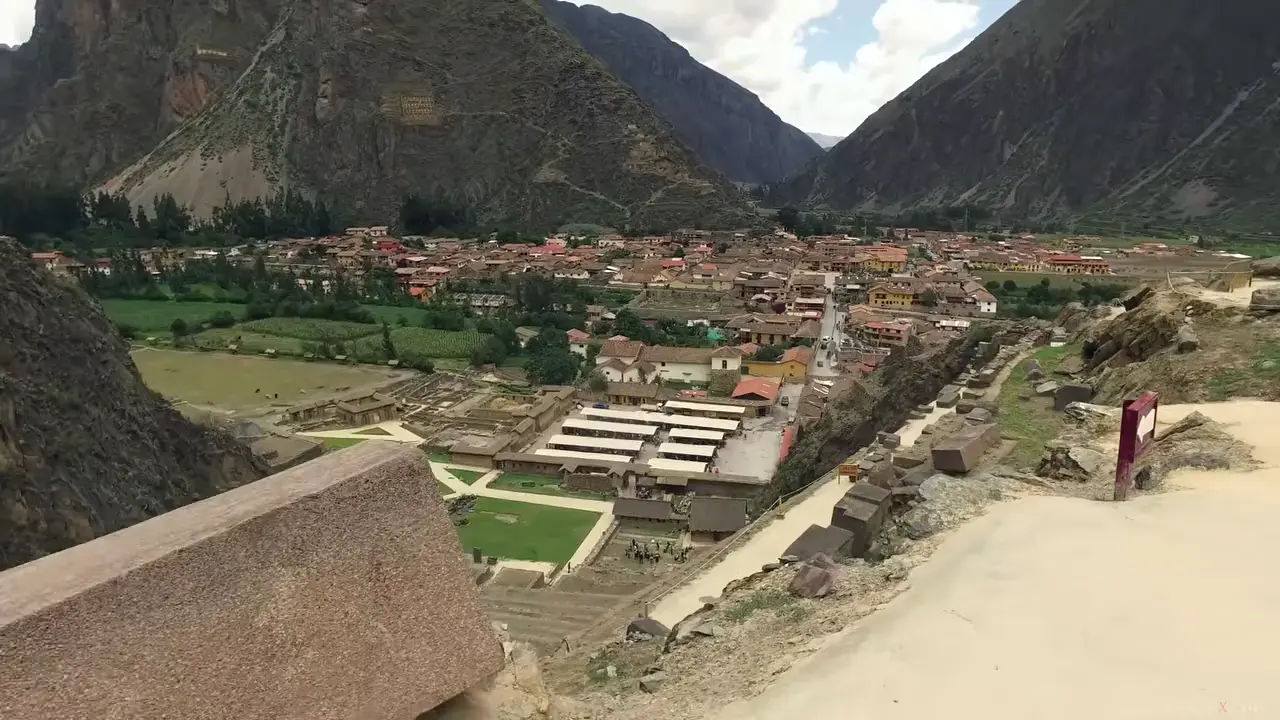
Ollantaytambo’s “Tired Stones” are unfinished Inca granite blocks near a 6 km quarry
Ollantaytambo features megalithic granite ashlars in the 80-90 ton range scattered across steep mountain slopes. Ollantaytambo features megalithic granite ashlars in the 80-90 ton…
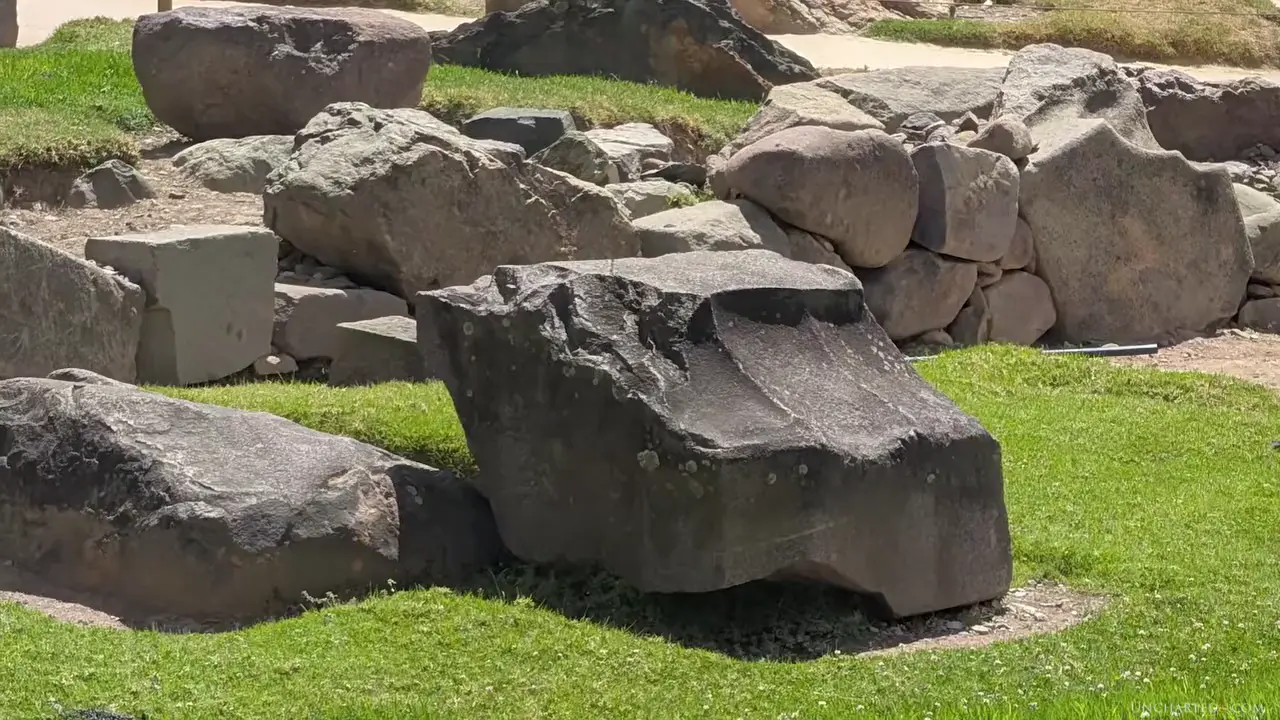
Granite quarry located 4.5 kilometers in straight line from Sun Temple, actual transport route approximately 10 kilometers crossing steep terrain and Urubamba River
Granite quarry located 4.5 kilometers in straight line from Sun Temple, actual transport route approximately 10 kilometers crossing steep terrain and Urubamba River. Granite…
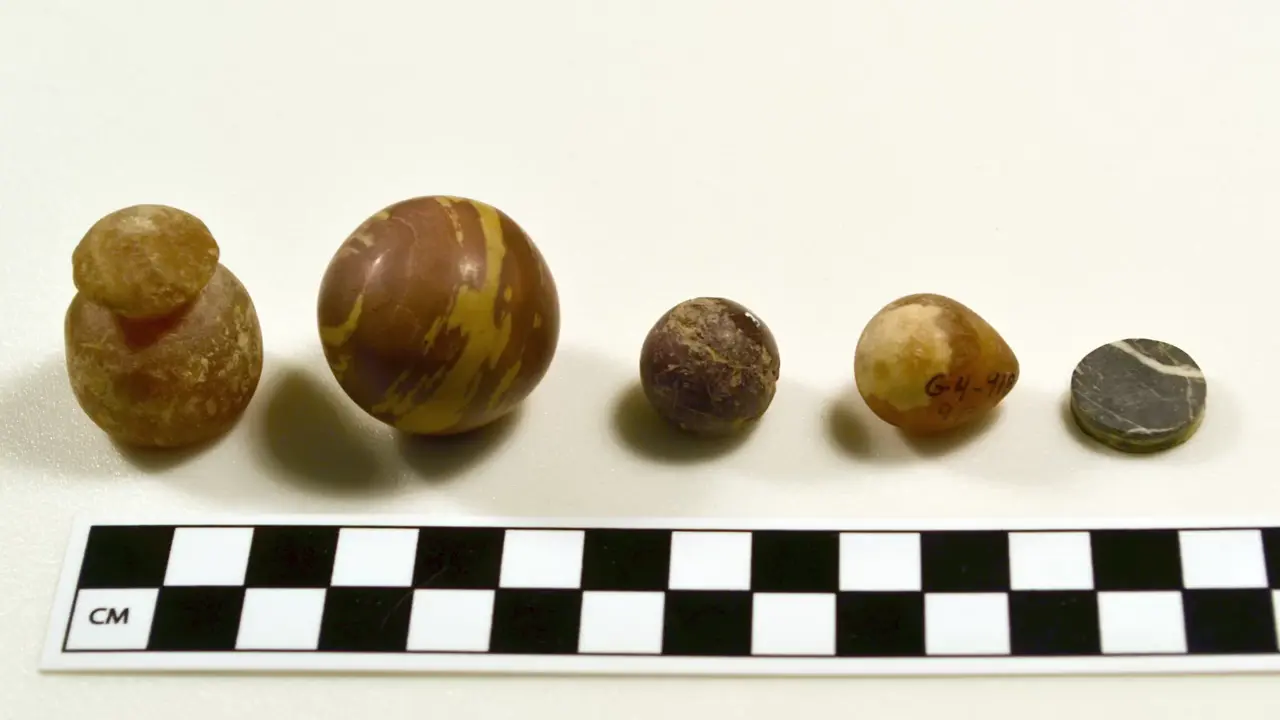
Clay tokens predate writing by thousands of years in Mesopotamia
Clay tokens predate writing by thousands of years in Mesopotamia. Thousands of clay tokens found across Mesopotamia Earliest tokens may be as old as 11,000 years old At Tepe…
Tepe Gawra was occupied for about 3,500 years, from 5000 BCE to 1500 BCE
Tepe Gawra settlement occupied 5,000 years spanning pre-writing and early writing periods. Tepe Gawra occupied roughly 6,500 BCE to 1,500 BCE Town seemingly burnt down to ground…
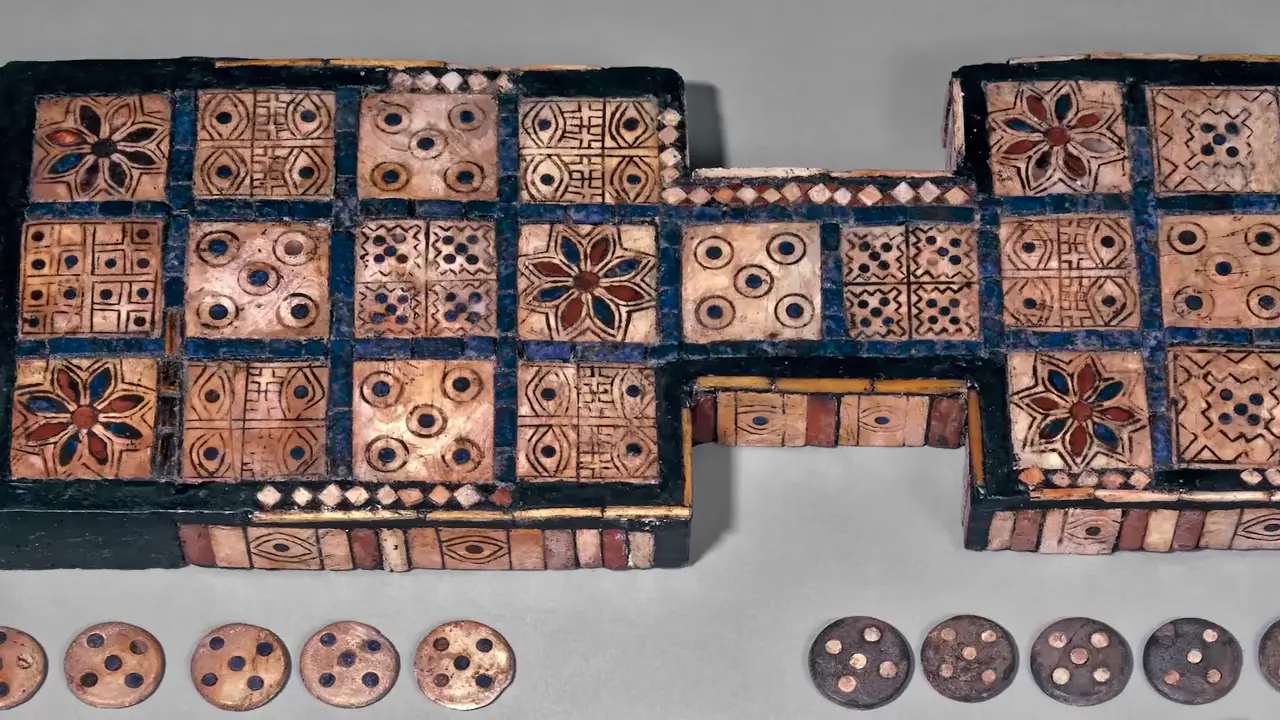
Video links clay tokens to cuneiform and suggests they may have inspired board games
Token shapes evolved into cuneiform symbols, possibly inspiring board games. By 3,500 BCE, more complex token shapes and relationships to writing became obvious Cone-shaped tokens…

Video estimates a 70:1 chondrite-to-iron impact ratio, not abundance
H-chondrite stony meteorites are 70 times more abundant than iron asteroids in near-Earth space. H-chondrite is a species of meteorite inhabiting near-Earth space Stony meteorites…
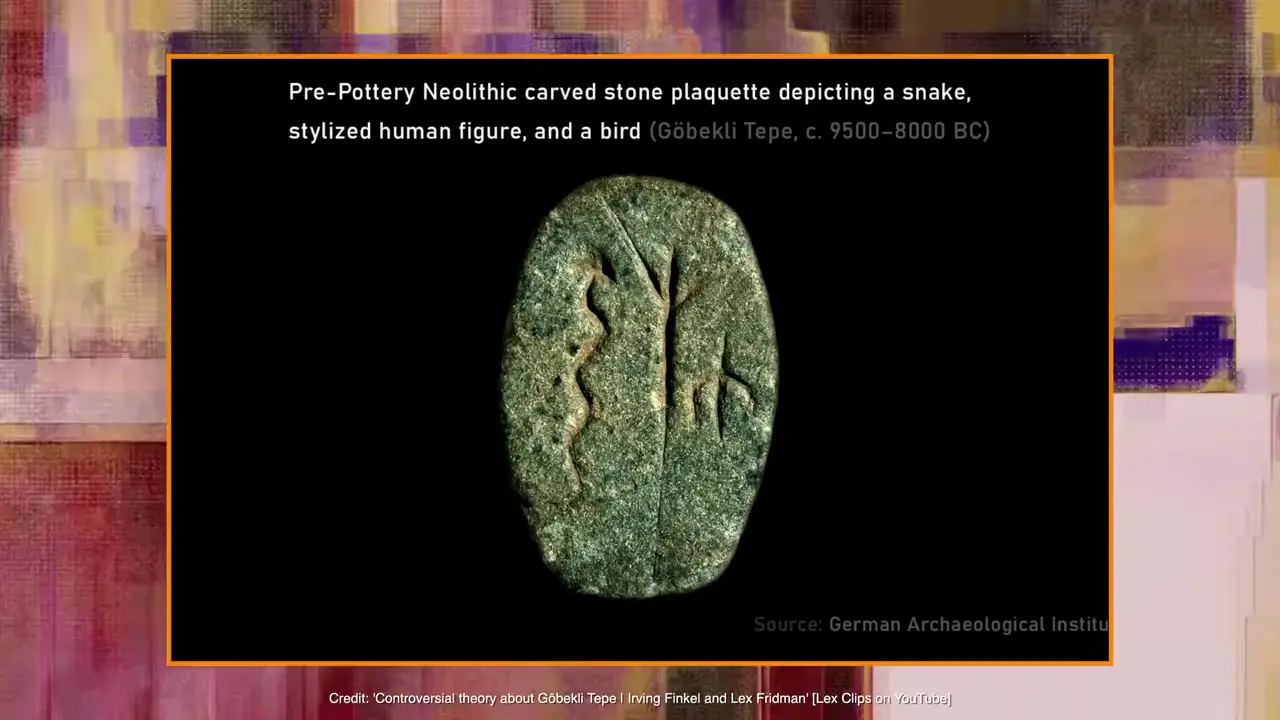
Göbekli Tepe began c. 9,600 BC; a video links a 9,000 BC artifact to early writing
Göbekli Tepe dates to approximately 9,600 BC, predating farming, cities, and conventional writing. Göbekli Tepe dates to approximately 9,600 BC, predating farming, cities, and…

Kofun culture took shape around 300 AD amid Korean Peninsula migration
Kofun culture emerged around 300 AD from Korean Peninsula migrants. Kofun culture emerged around 300 AD from Korean Peninsula migrants Kofun period burial mounds (keyhole-shaped)…
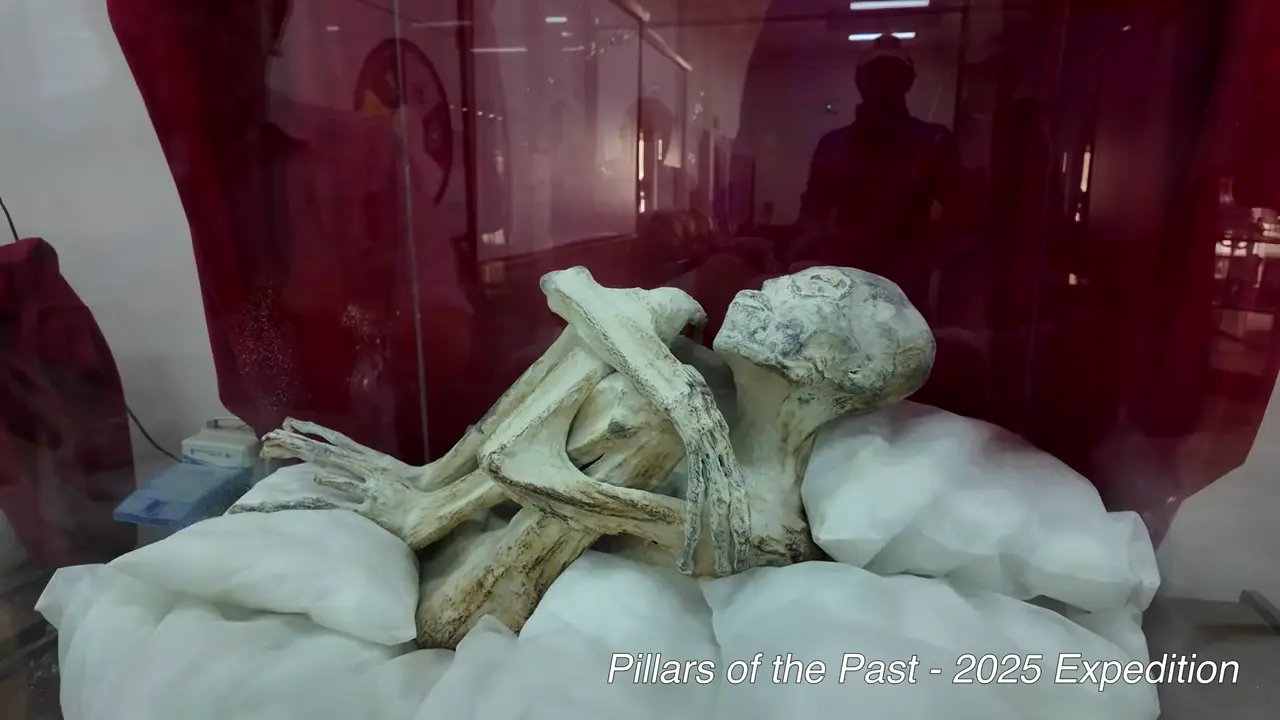
Maussan says Inkarri's Jamin and a grave robber supplied Nazca specimens in 2017
Nazca mummies introduced to Maussan in 2017 through grave robber network and Inkarri Institute. In 2017, specimens were introduced to Jaime Maussan through Terry Hamin of the…
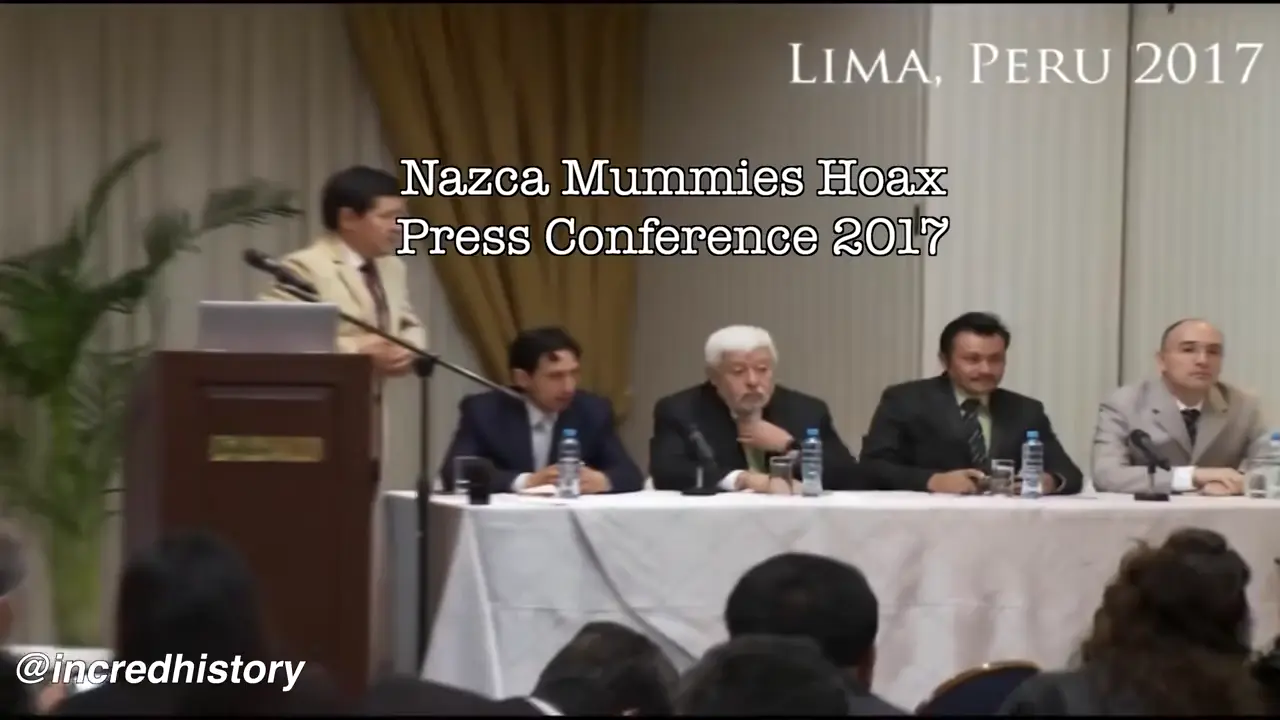
Roswell Slides hoax (2015) used identical experts and methods as Nazca mummies (2017)
Roswell Slides hoax (2015) used identical experts and methods as Nazca mummies (2017). 2015 Roswell Slides hoax involved paid event advertising alien photograph from Roswell crash…

Atahualpa’s capture during the Huáscar–Atahualpa civil war aided the Spanish conquest
Spanish conquest of Inca Empire through capture of Atahualpa and civil war. Atahualpa was engaged in civil war with his brother Wascar over succession to the Sappa Inca throne…

Video argues disease and spiritual demoralization helped bring down the Inca Empire
Infectious diseases and spiritual demoralization caused Inca Empire collapse. A dozen infectious diseases accompanied Spanish to the New World and spread across the Andes Inca…
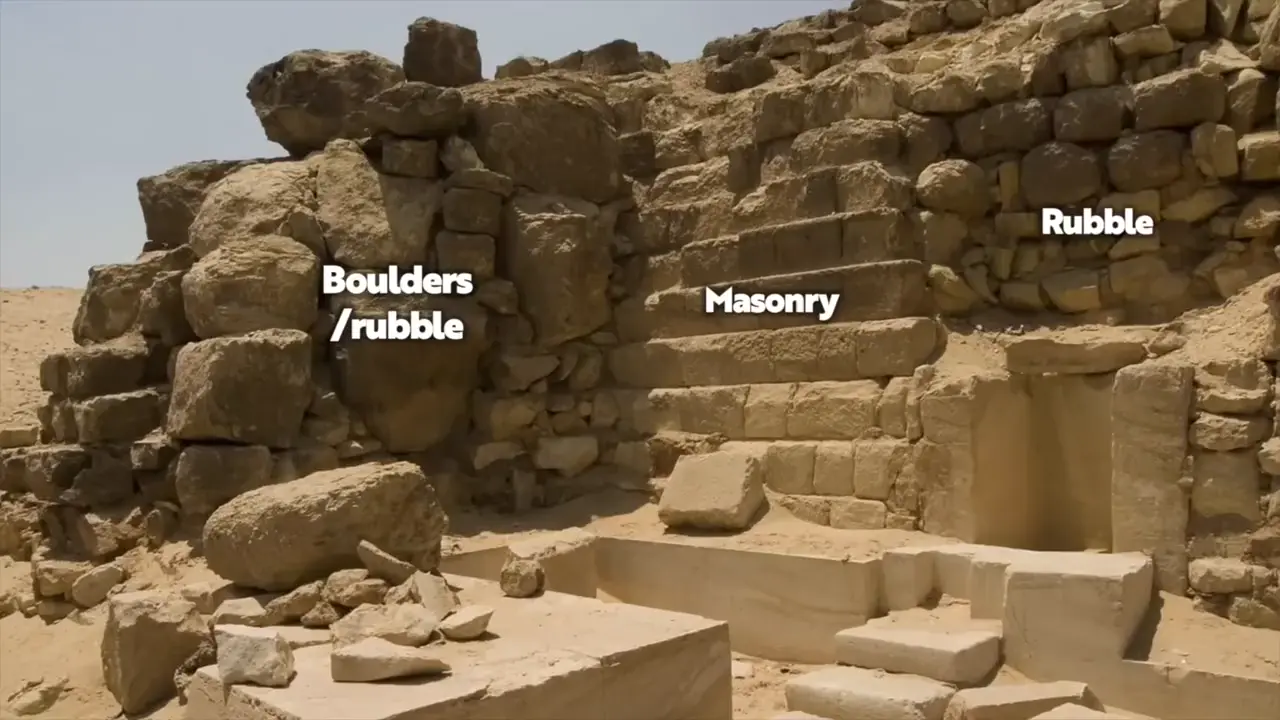
Great Pyramid: 2.3 million blocks averaging 2.5 tonnes, with rubble-filled core gaps
Traditional assumption: Great Pyramid contains 2.3 million blocks of cut limestone, each weighing ~3 tons. Traditional assumption: Great Pyramid contains 2.3 million blocks of cut…
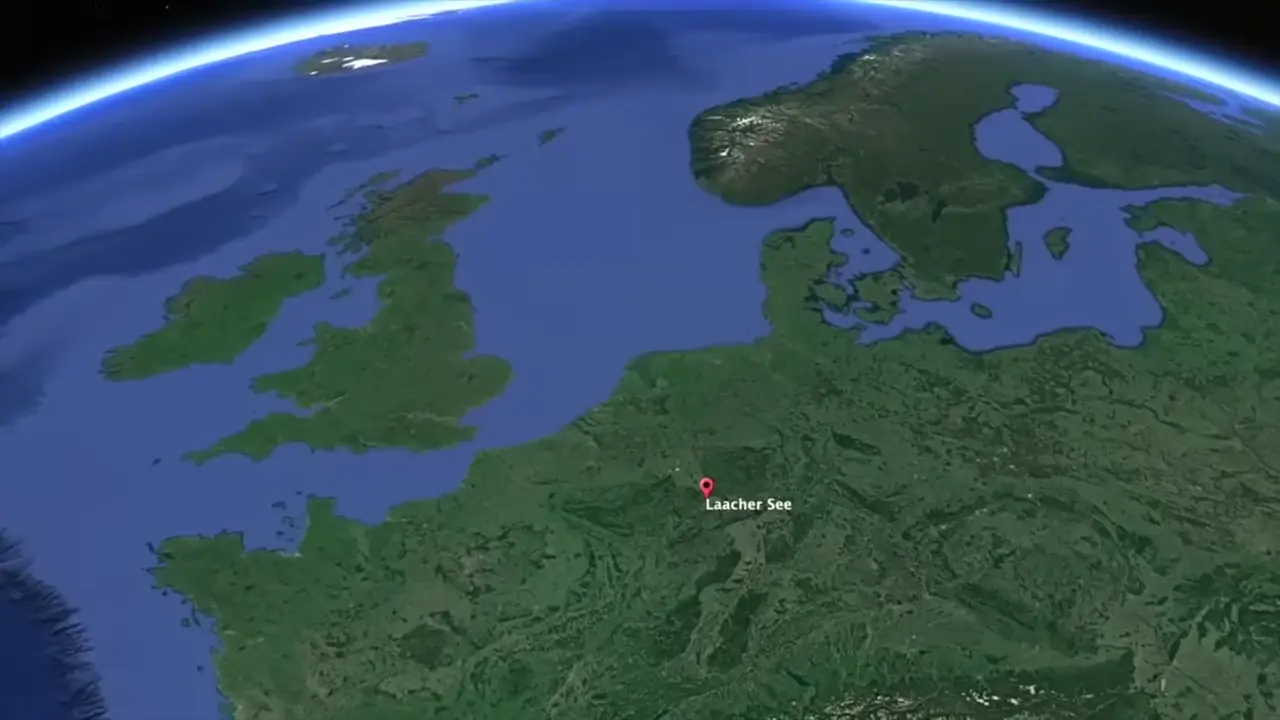
Laacher See eruption redated to 13,077 years ago (11,078 BC), 126 years earlier
The Laacher See volcanic eruption occurred 13,077 years ago (11,077 BC), recently redated 126 years earlier than previously thought. The Laacher See volcanic eruption occurred…
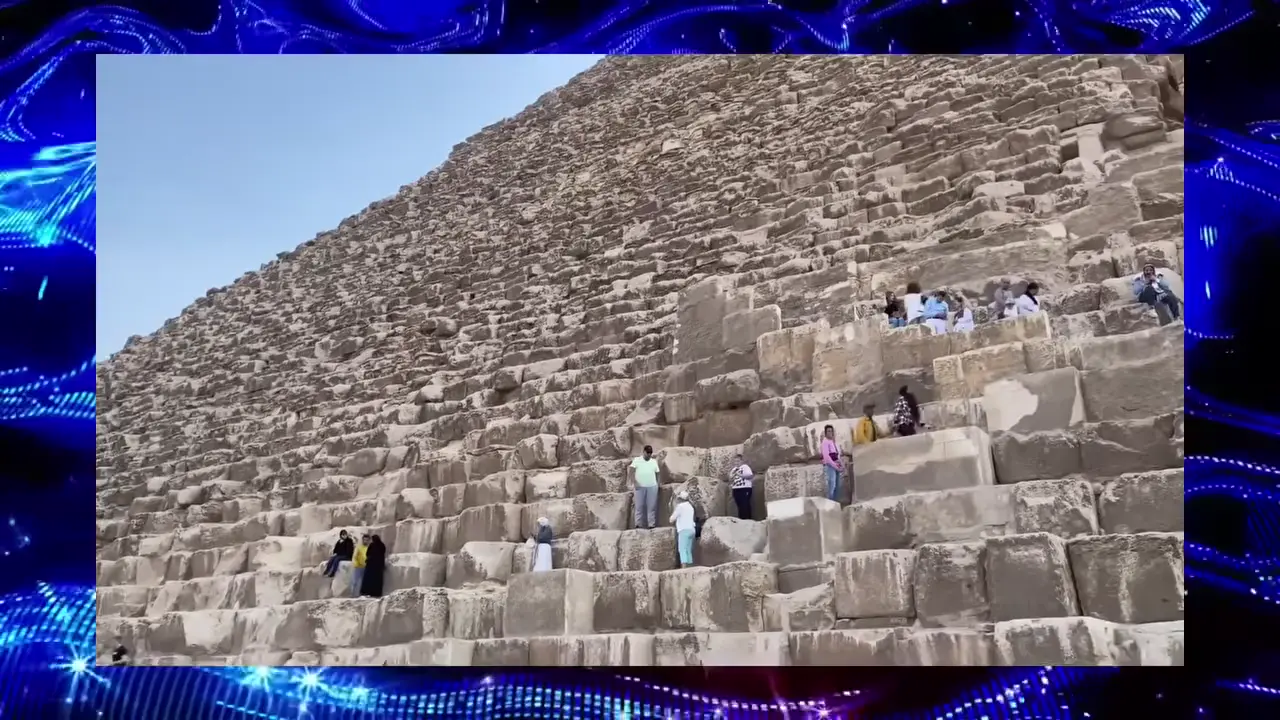
Ancient Egyptian stone vases made from hard stone granite were manufactured before pyramid construction
Ancient Egyptian stone vases made from hard stone granite were manufactured before pyramid construction. Ancient Egyptian stone vases made from hard stone granite were…
Keep exploring
Every site on this page sits on the globe, and the people who research them are on the Discord.
3D Globe · Sites by country · Story Archive · Research Library · Weekly Journal · Search