

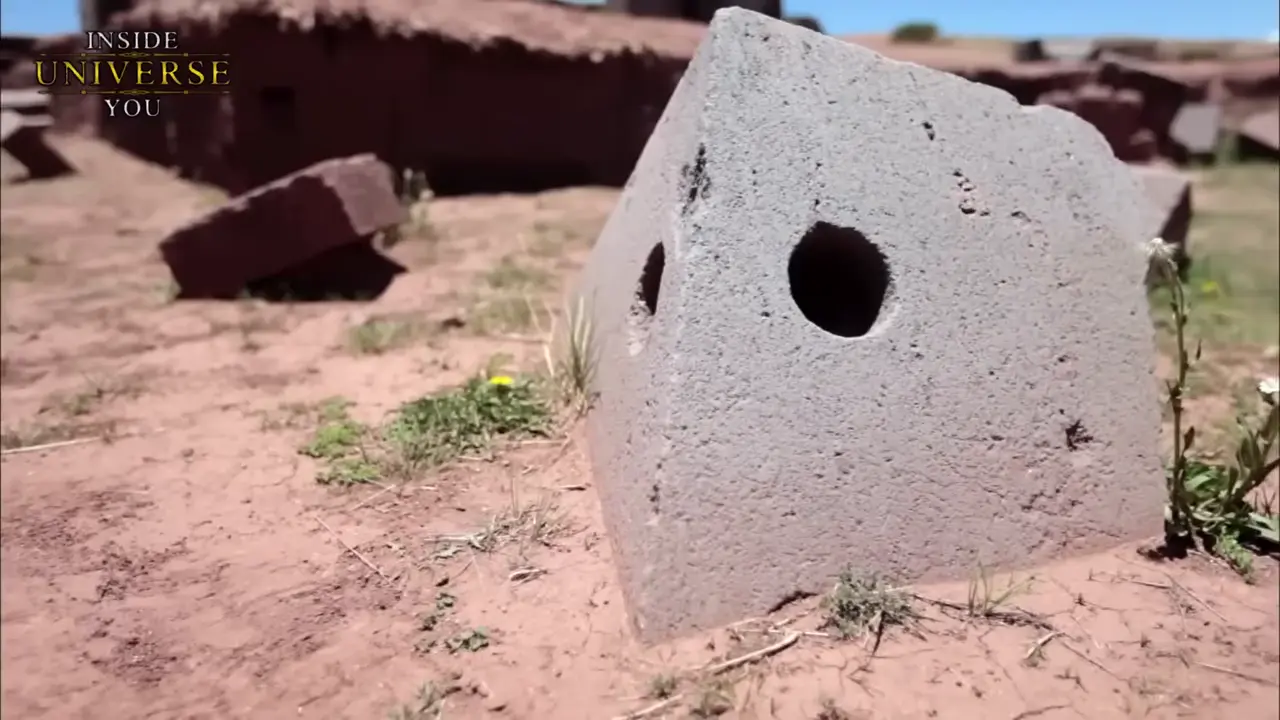
Inca polygonal masonry uses fitted, mortarless blocks in Cusco, Sacsayhuamán and the highlands

Lost Civilization

Fortress/citadel500 - 1000 AD
Pre-Inca Geopolymer Explains the Massive Megaliths
Source: Pre-Inca Geopolymer Explains the Massive Megaliths by Universe Inside You

Site mentioned

📄 Sacsayhuamán🗺️ More sites in Peru🌍 Show on the globe

Inca polygonal masonry at Cusco, Sacsayhuamán and other highland sites uses large, irregular blocks fitted closely without mortar. Some Sacsayhuamán stones are estimated at around 120 tonnes, while the often-quoted 200-ton maximum is not a settled figure. Tight joints and flexible wall construction helped Inca masonry withstand major earthquakes.

The video argues that the scarcity of obvious tool marks and the precision of some joints sit uneasily with conventional trial-and-error carving. That is not an established conclusion: archaeological evidence shows Inca masons used hammerstones and other tools and repeatedly adjusted stones to fit. Scanning electron microscopy and X-ray diffraction have been cited in disputed geopolymer discussions about Puma Punku, but mainstream archaeology describes Puma Punku as precisely fitted stonework rather than poured concrete.

Key facts

  • Inca architecture includes polygonal masonry: irregular blocks closely fitted, generally without mortar, in Cusco, Sacsayhuamán and other highland sites.
  • Polygonal blocks commonly have five or more faces. Sacsayhuamán includes exceptionally large stones often estimated at up to roughly 120 tonnes; the frequently quoted 200-ton maximum is not a settled measurement.
  • Dry, tightly fitted masonry could move and settle during earthquakes, helping Inca walls withstand them alongside features such as inward-leaning wall profiles.
  • The video argues that some blocks show few obvious tool marks and that the precision of major joints is difficult to reconcile with trial-and-error carving. That is a presentation claim, not an established archaeological conclusion.
  • Archaeological evidence shows Inca masons used hammerstones and other tools and repeatedly shaped and adjusted stones to fit; an absence of conspicuous tool marks does not establish unconventional construction.
  • Scanning electron microscopy and X-ray diffraction have been cited in disputed geopolymer discussions about Puma Punku, but mainstream archaeology describes Puma Punku as precisely cut and fitted stonework rather than poured concrete.

More about Sacsayhuamán

Sources

geopolymer.org
natrontheory.com
Inca Stone Masonry: How Peru's Walls Were Built to Endureflycuscoperu.com
Inca architectureen.wikipedia.org
The Magnificent Inca Walls of Cuscoaracari.com
Masonry Techniques of the Inca's Master Buildersearthasweknowit.com
Twelve Angled Stone: Cusco's Inca Masonry Marvelciceru.com
Was this story useful?

← All stories

Keep exploring

Every site on this page sits on the globe, and the people who research them are on the Discord.

3D Globe · Sites by country · Story Archive · Research Library · Weekly Journal · Search

AI-generated text · images from the original sources · always verify with the sources.