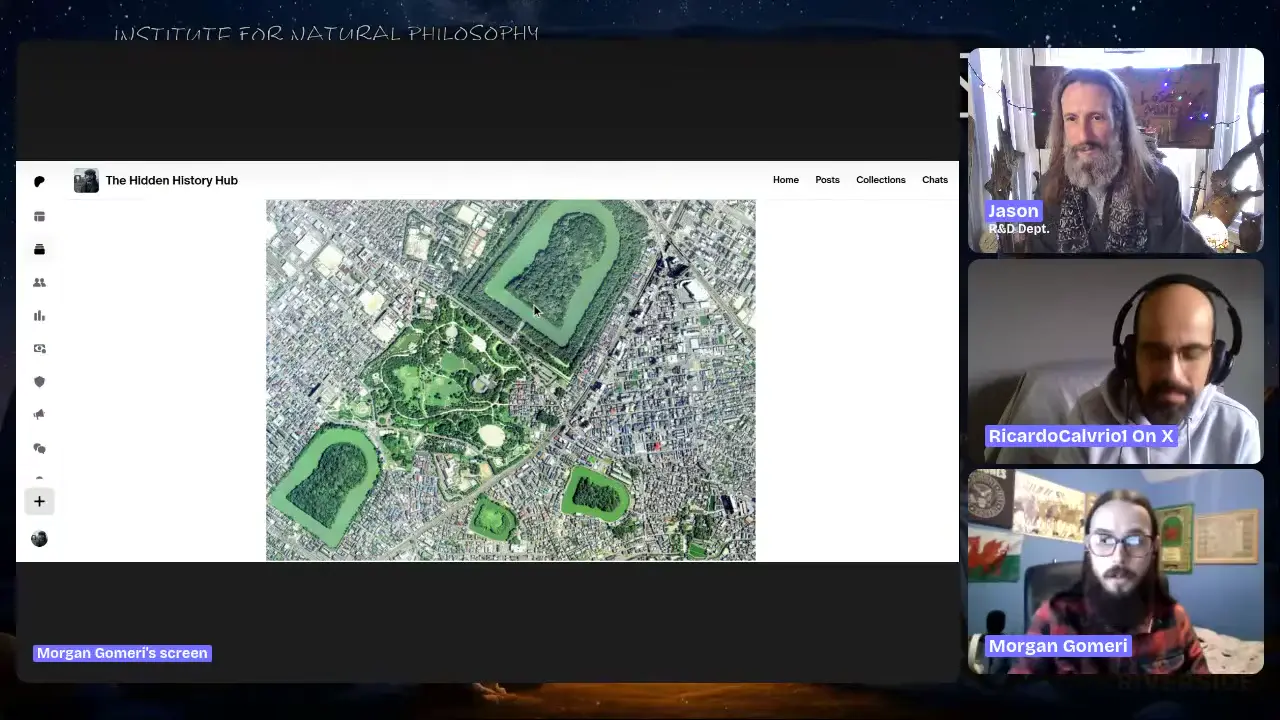
Japan’s Kofun period lasted roughly 250–538 CE, not 300–710. Daisenryō Kofun, traditionally identified as Emperor Nintoku’s tomb, is about 486 m long—the world’s largest keyhole-shaped mound. It is longer than Khufu’s Great Pyramid, which is about 230 m per side, but the Great Pyramid is larger by volume.
The video argues that Korean Peninsula migrants helped launch Kofun culture and brought a “Scythian triad” of animal art, iron weaponry, composite bows and horseback riding. Archaeology supports significant Korean Peninsula migration and exchange, but that specific origin package is not established fact. Ironworking had earlier Yayoi roots and was refined in the Kofun period; Chinese-character inscriptions appeared in the Kofun era.
Kofun chiefs, kin groups and fortified settlements shaped later state formation, but they were not already a feudal order that directly became the samurai tradition. Ancient DNA points to repeated migration and admixture, not one identifiable “300 AD wave” in a fixed modern Japanese genetic profile.
Sources
The Guardians of Japan's Keyhole Tombs - ny timesnytimes.comThe burial mound, known as a kofun, is a gently arching mass of greenery in the Osaka urban sprawl. Covered originally in stone, it gives a profound sense of ...
Kofun: Japan's Keyhole-Shaped Burial Mounds | Amusing Planetamusingplanet.comThey ranged in size from a few meters to over four hundred meters long. The more powerful and influential the person was, the bigger his kofun ...
Kofun: Japan's Mysterious Key-shaped Burial Moundsjapancheapo.comThese burial mounds vary in sizes, from a relatively small 50 m in diameter to an impressive 400 m in length. Often located in areas of great political or ...
— JojaMapsjojamaps.com... Kofun (Emperor Nintoku's tomb) is the largest kofun in Japan at 486 meters. The Mozu-Furuichi Kofun Group comprises 49 ancient burial mounds ...
Exploring Japanese Kofun Tombs: Ancient Japanese Burial Moundjobsinjapan.comThe most prevalent and recognizable shape among kofun tombs is the keyhole design. This design resembles, quite literally, a keyhole when ...
The Significance of “Korean” Keyhole-shaped Tombs in the ...korea.fas.harvard.eduIn 1983, Korean scholar Kang Ingu ignited a political firestorm by confirming the existence of keyhole-shaped tombs on the Korean peninsula. Keyhole-shaped ...
Kofun perioden.wikipedia.orgSeveral clans claimed origin in China or the Korean peninsula. During the 5th century, the Katsuragi clan (葛城氏, descended from the legendary grandson of ...
Ancient Japan's Korean Connectionjstor.orgby WW Farris · 1996 · Cited by 35 — By 400 b.c., both the Scythian and Chinese methods could have bee available to the residents of northern Korea, but uncertainties abound. has yet traced the ...
AI-generated text · images from the original sources · always verify with the sources.