

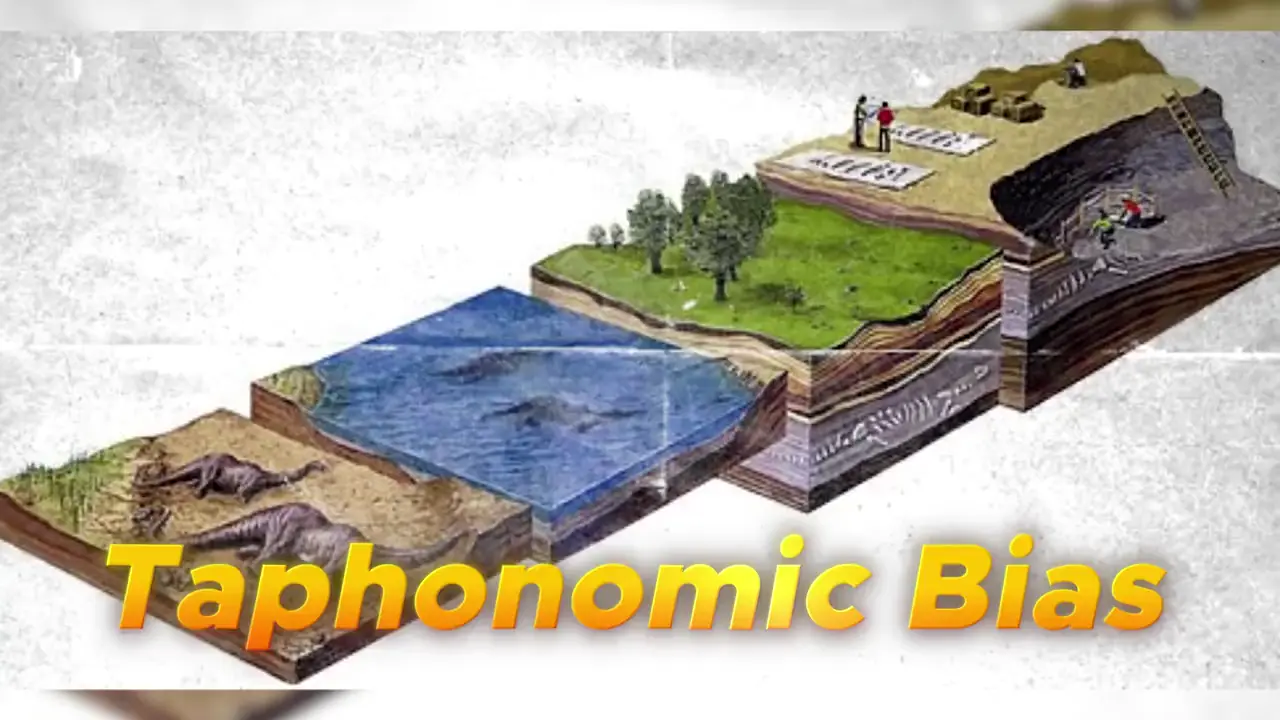
Acidic, moist soils destroy organics quickly, while dry alkaline deserts preserve them; future archaeologists may only see desert artifacts, missing drowned cities. Synthetic polymers could be the sole chemical clues.
Taphonomic bias and environmental factors dictate what survives
Key facts
- Acidic, moist soils rapidly destroy organic material, while dry alkaline deserts preserve it longer.
- Future archaeologists may only find isolated artifacts in deserts, missing submerged or eroded cities.
- Chemical signatures (iron oxides, synthetic polymers) may be the only trace of past civilizations.
Sources
[PDF] Digging into Archaeology | ASCCC OERIasccc-oeri.org
Welcome! We are excited that you have decided to use this book. Digging into Archaeology: A Brief OER Introduction to Archaeology with ...
[PDF] PWTB 200-1-98 Guidance to Improve Archaeological Interpretations ...wbdg.org
... artifacts may be well preserved, and what may have disappeared ... Acidic soils will turn the paper red, alkaline soils will turn it blue.
[PDF] Appendices - Sonoma County Regional Parksparks.sonomacounty.ca.gov
Question 1, summarized in the tables below, was the only question which differed on the two versions of the questionnaire, and therefore responses to the print ...
[PDF] REUSE OF SOLID MINING WASTE - ITRCitrcweb.org
Bentonite-amended soil or pure clay layer systems may be subject to desiccation during dry periods of the year, which can adversely affect their performance.
5.2: Preservation - Social Sci LibreTextssocialsci.libretexts.org
Climate affects the preservation of organic remains as well by dictating how much oxygen, warmth, and moisture are present.
Was this story useful?
Keep exploring
Every site on this page sits on the globe, and the people who research them are on the Discord.
3D Globe · Sites by country · Story Archive · Research Library · Weekly Journal · Search
AI-generated text · images from the original sources · always verify with the sources.