
 Türkiye
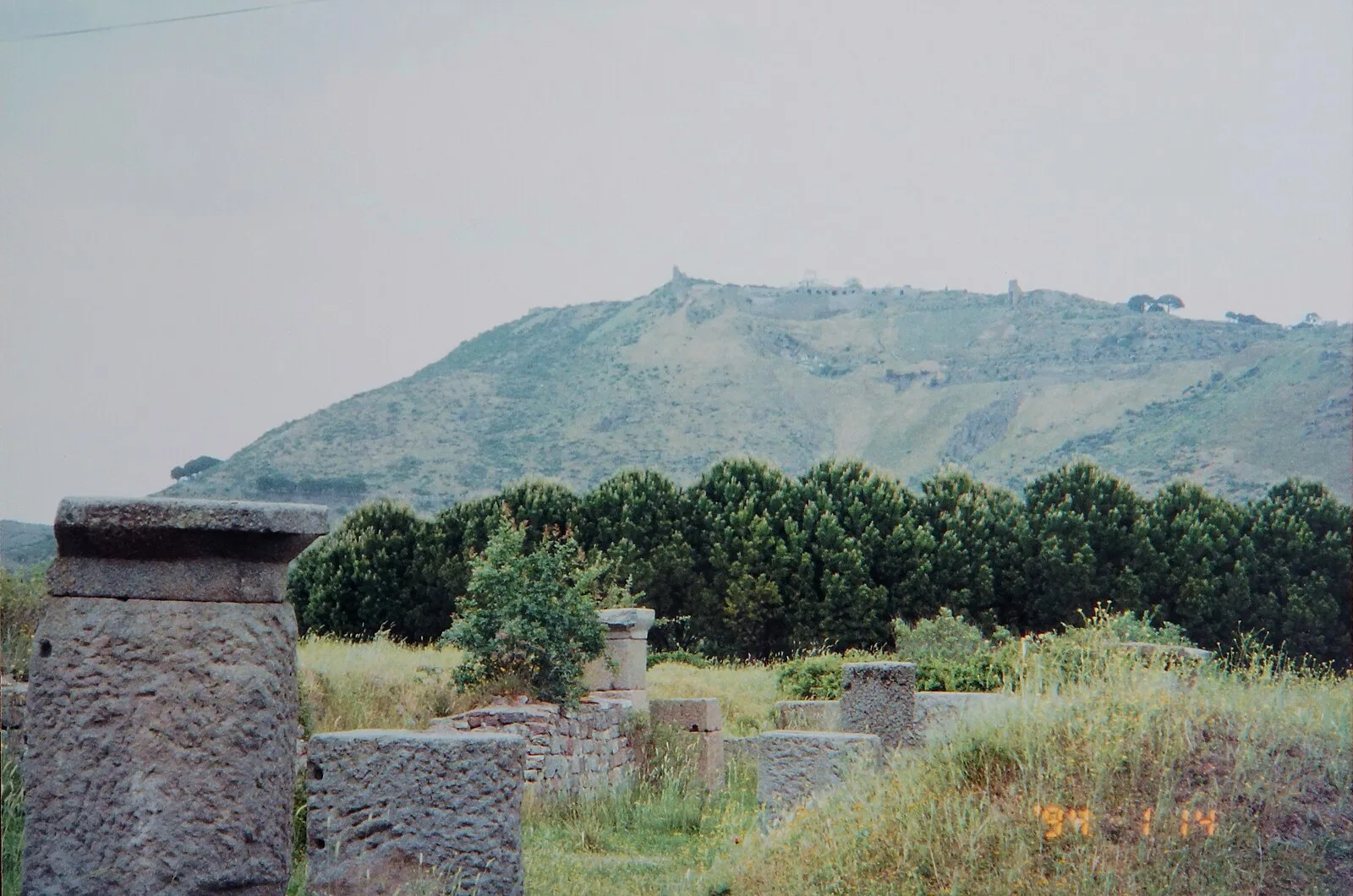
The Asclepieion of Pergamon was an asclepieion, a healing temple, built in honour of the gods Asclepius and Hygieia, located west of the Pergamon hill, roughly three kilometers southwest of the acropolis in modern-day Bergama [1]. Founded in the mid-4th century BCE, it functioned as a religious and therapeutic centre through the Hellenistic and Roman periods, reaching its greatest prominence in the 2nd Century CE [1]. The Asclepieion grew across several distinct building phases spanning roughly eight centuries [1]. The sanctuary's origins date to the mid-4th century BCE, when the complex consisted of a modest sacred enclosure and spring shrine at the site [1]. Under the Attalid dynasty in the 3rd and 2nd centuries BCE, the sanctuary saw its major expansion [1]. During this period, a Doric temple to Hygieia was built, along with a cluster of structures around the incubation area [1].
Text: Wikipedia – 'Asclepieion of Pergamon' (revision of 2026-08-23), CC BY-SA 4.0 · sentences selected and shortened by an AI system · source →Asclepieion of Pergamon
| Type | Temple complex |
|---|---|
| Period | 500 BC - 1 AD |
| Country | Türkiye |
| Coordinates | 39.1190° N, 27.1659° E |