
 Australia
The Ghow Swamp Aboriginal Place, also known as the Kow Swamp archaeological site, is a protected Aboriginal place [1]. The archaeological site contains the largest known single population of human skeletal remains from the late Pleistocene era [1]. The remains are situated within the lunette of the eastern rim of a former wetland known as Ghow Swamp, in the North Central region of Victoria, Australia [1]. The site is 10 kilometres south-east of Cohuna in the central Murray River valley and is significant for archaeological excavations by Alan Thorne between 1968 and 1972 which recovered the partial skeletal remains of more than 22 individuals [1]. Following a campaign by Aboriginal community groups to have human remains repatriated from Australian and overseas museum collections, Museum Victoria returned the Ghow Swamp skeletons in 1990 to the Yorta Yorta people at Echuca who re-interred them [1]. Despite extensive reconstruction, the Ghow Swamp material was extremely fragmentary, with only two of the crania, KS1 and 5, being relatively complete [1].
Text: Wikipedia – 'Ghow Swamp Aboriginal Place' (revision of 2026-08-30), CC BY-SA 4.0 · sentences selected and shortened by an AI system · source →Kow Swamp Archaeological Site
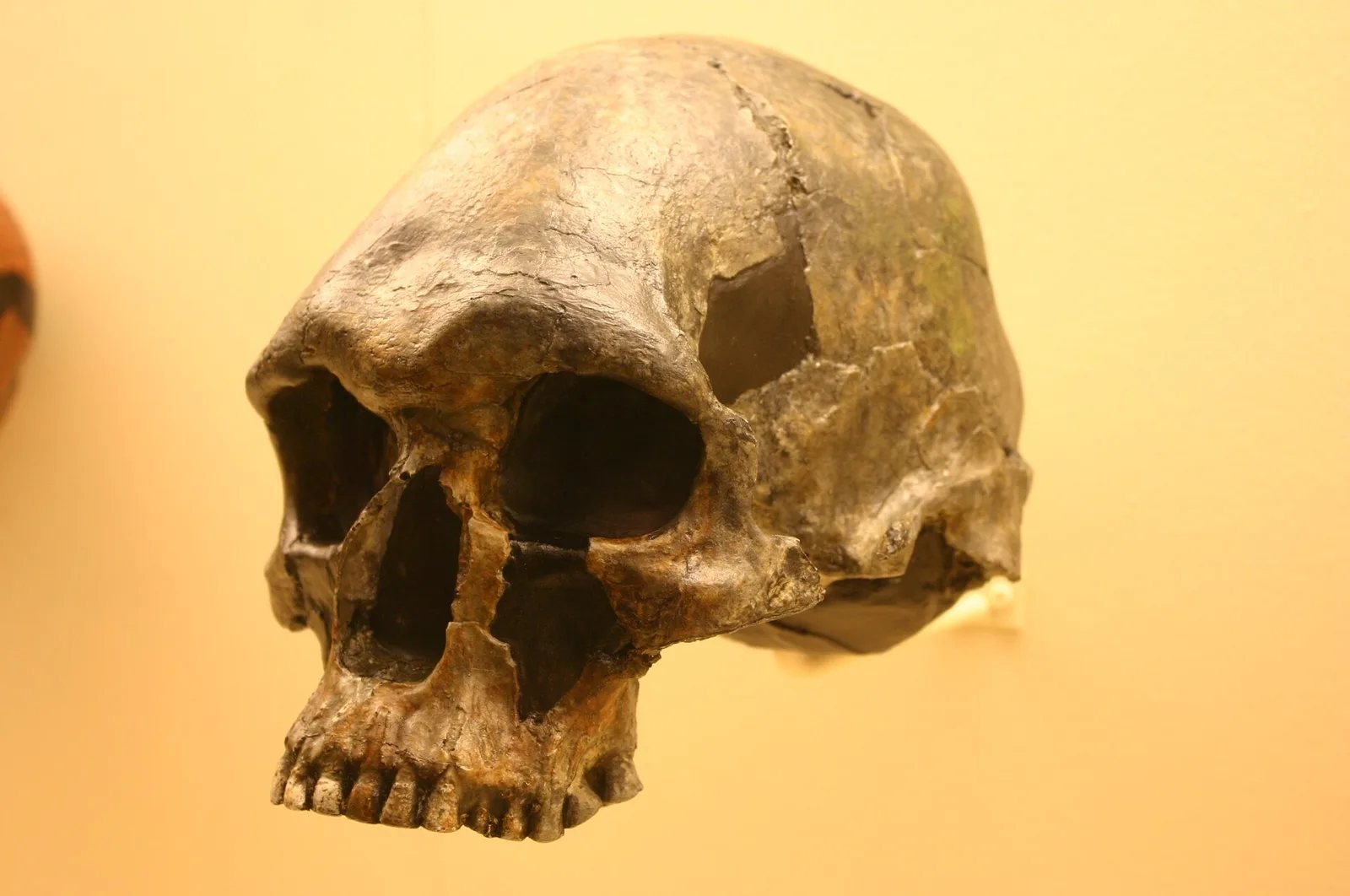
Also known as: Di chỉ khảo cổ Kow Swamp, Ghow Swamp Aboriginal Place, Ghow Swamp Archaeological Site, Kow Swamp, Marais de Kow (site paléolithique), Site archéologique du marécage de Kow, Sítio Arqueológico do Pântano de Kow
| Type | Archaeological site |
|---|---|
| Period | < 4500 BC |
| Country | Australia |
| Coordinates | 35.9535° S, 144.3181° E |