

Story Archive

5,000-year-old whale-bone harpoons reveal early organized whaling in Brazil
5,000-year-old whale bone harpoons found in Brazil. Whale bone harpoons dating back 5,000 years identified in southern Brazil First evidence that indigenous communities hunted…

Neolithic mass graves reveal ritualized victory ceremonies in France
Neolithic mass graves reveal ritualized victory ceremonies in France. Mass graves in Alsace, northeastern France show evidence of ritualized violence after conflict Remains date…
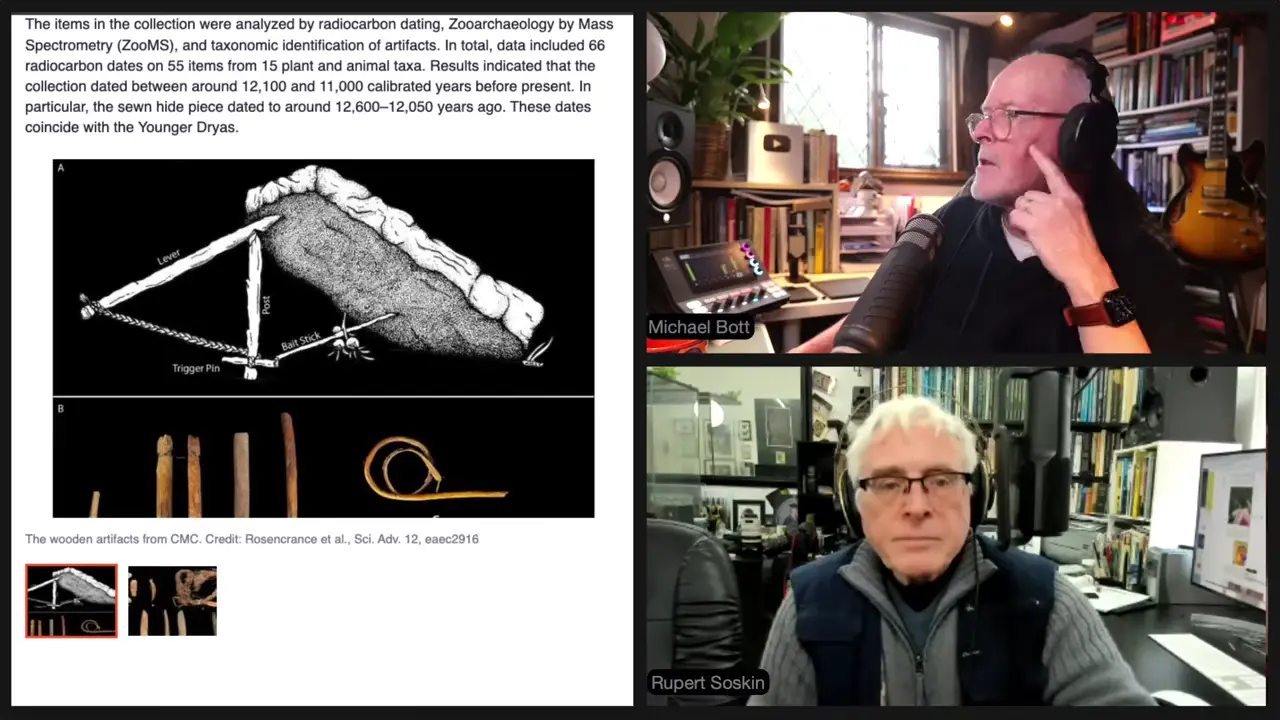
Oldest known sewn hide found in an Oregon cave
Oldest sewn hide clothing found in Oregon caves. Oldest piece of sewn material ever found discovered in Cougar Mountain Cave and Paisley Caves, Oregon Sewn elk hide fragment dates…

Bell Beaker DNA traces Britain’s replacement migrants to the lower Rhine-Meuse
Bellbeaker DNA reveals origins of Stonehenge replacement migrants. DNA analysis of 112 ancient individuals from Netherlands, Belgium, Western Germany (8500-1700 BC) Bellbeaker…
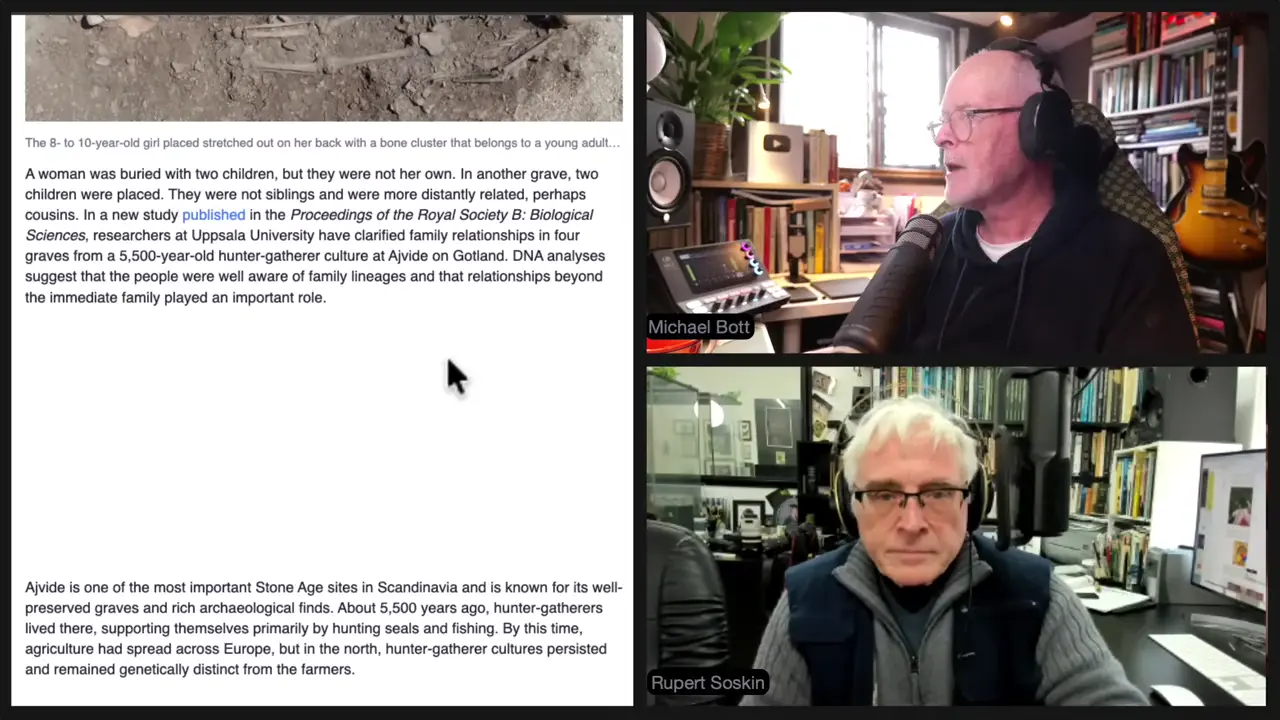
Gotland hunter-graves reveal Stone Age family structures
Gotland hunter-graves reveal Stone Age family structures. Study of 5,500-year-old hunter-gatherer graves at Iivars on Gotland reveals family relationships DNA analysis shows…

Archaeologist Ivan Sprock Finds 80 Maya Settlements in Unexplored Region
Archaeologist Ivan Sprock Finds 80 Maya Settlements in Unexplored Region. Slovenian archaeologist Ivan Sprock has been working in the region for 30 years In 2023, Sprock…

LiDAR Reveals Massive Maya City Valeriana in Campeche, Mexico
LiDAR Reveals Massive Maya City Valeriana in Campeche, Mexico. Valeriana is a newly identified Maya city in Campeche, Mexico Discovered using LiDAR technology (repurposed…
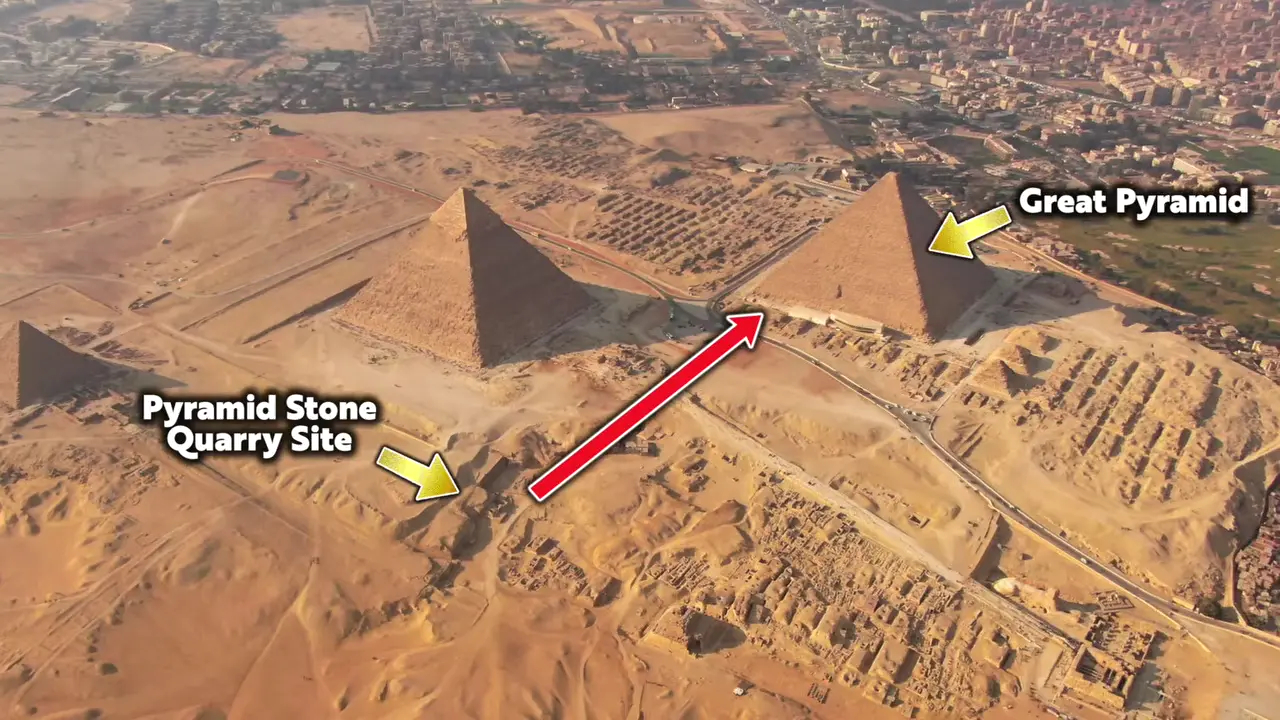
Feasibility study: yoked oxen could haul a 2.5-ton pyramid block
Feasibility study: oxen could pull 2.5-ton pyramid blocks. Average limestone block in Great Pyramid weighs 2.5 tons A single trained ox can pull 1 to 2.5 tons depending on terrain…
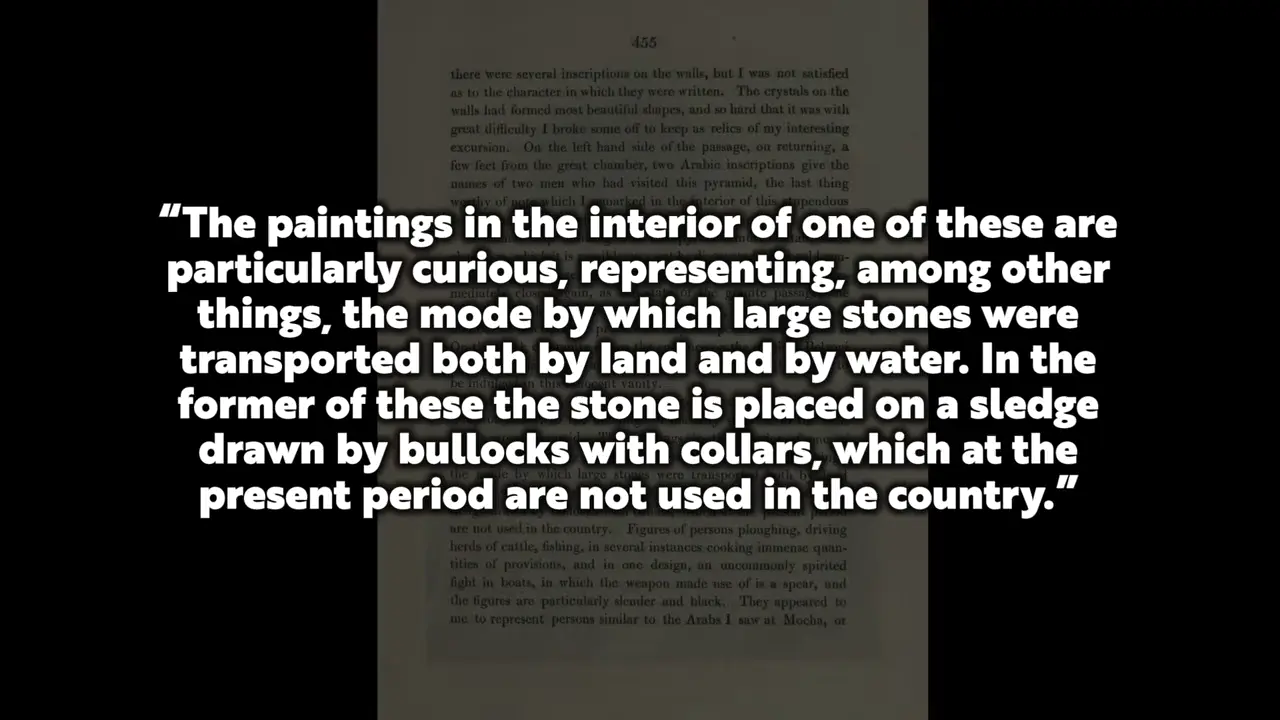
1818 account describes oxen pulling stone sledges at Giza
1818 account describes oxen pulling stone sledges at Giza. George Fitzclarence, 1st Earl of Munster, recorded seeing artwork in an Old Kingdom mastaba in the Western Cemetery at…

Video Presents Geoffrey Drumm’s Red Pyramid Ammonia Theory
Red Pyramid Chemical Process Explained. Stage 1: Water fills lower two chambers, creating isolated reaction spaces Methane gas is introduced and compressed by rising water,…

Geoffrey Drumm proposes the Red Pyramid was an industrial ammonia plant
Red Pyramid: Ancient Industrial Ammonia Plant. Geoffrey Drumm proposes the Red Pyramid was designed as an industrial-scale chemical reactor for ammonia production The pyramid…

Kelp Highway Hypothesis explains coastal migration to Americas
Kelp Highway Hypothesis explains coastal migration to Americas. The Kelp Highway hypothesis proposes settlers used boats to hop along the kelp-covered west coast of the Americas…
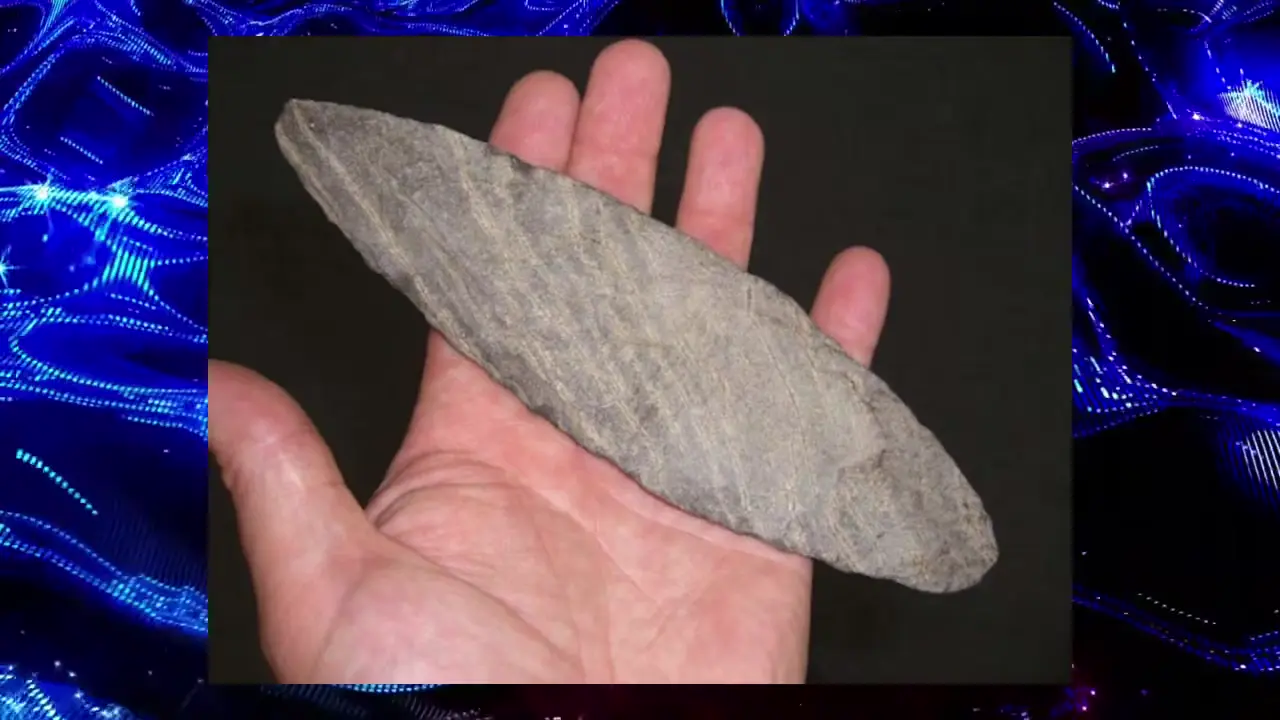
Solutrean point found in Virginia suggests European connection
Solutrean point found in Virginia suggests European connection. A projectile point was found off the coast of Virginia by a scallop trawler in 1970, identified in 2004 Dennis…

Rapa Nui evidence points to prehistoric South American contact
Easter Island shows Trans-Pacific contact evidence. A 2024 paper showed Easter Island had both sweet potato and ginger in its earliest habitats Sweet potato originated in the…

1997 Monte Verde reassessment validated pre-Clovis occupation
1997 Monteverde meeting changed Clovis First consensus. Prior to the 1970s-90s, the prevailing scientific position held that first humans arrived in the Americas about 3,000 years…

Younger Dryas chronology and naming clarified
Younger Dryas chronological sequence established. Older Dryas: 14,500-14,700 years ago, a brief cold period lasting decades to centuries Bölling-Alleröd interstadial: warming…
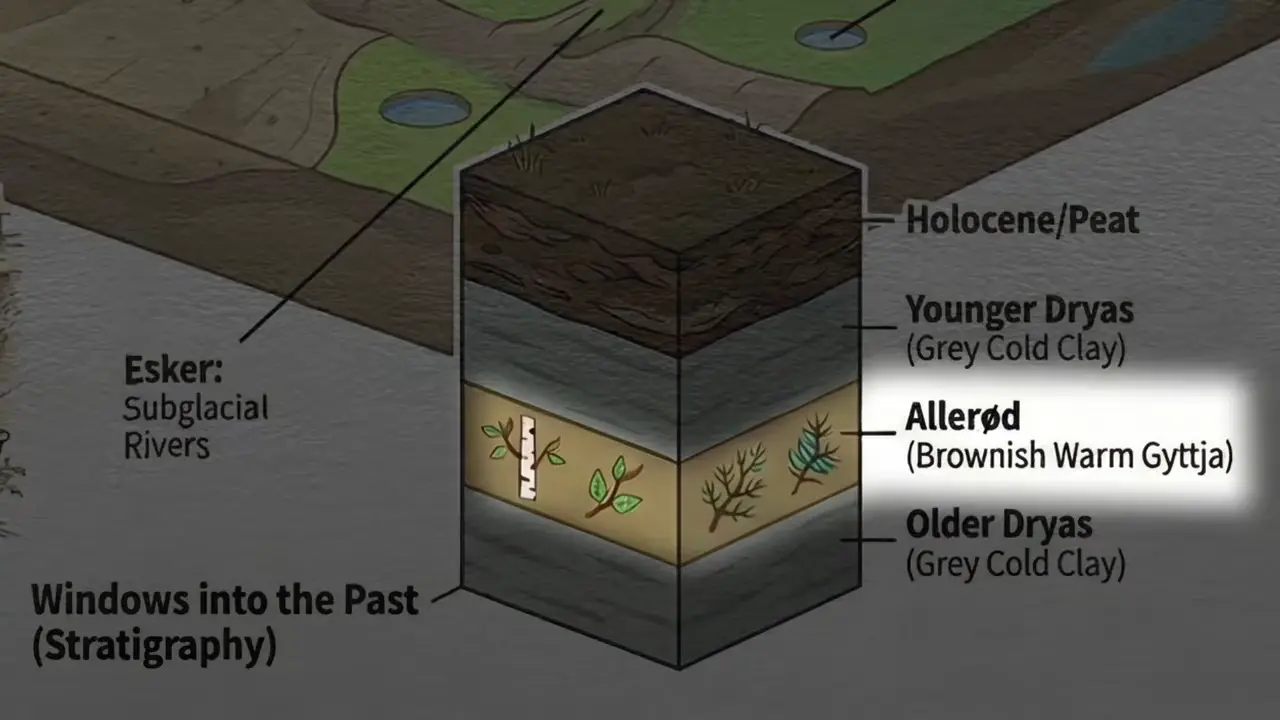
Allerød gyttja discovery demonstrated a climate oscillation
Allarød gytja discovery proves climate oscillation. In 1901, Harts and Milthers discovered a 30cm (about 1 foot) thick gytja layer at Allerød, Denmark Gytja is dark, oxygen-rich…
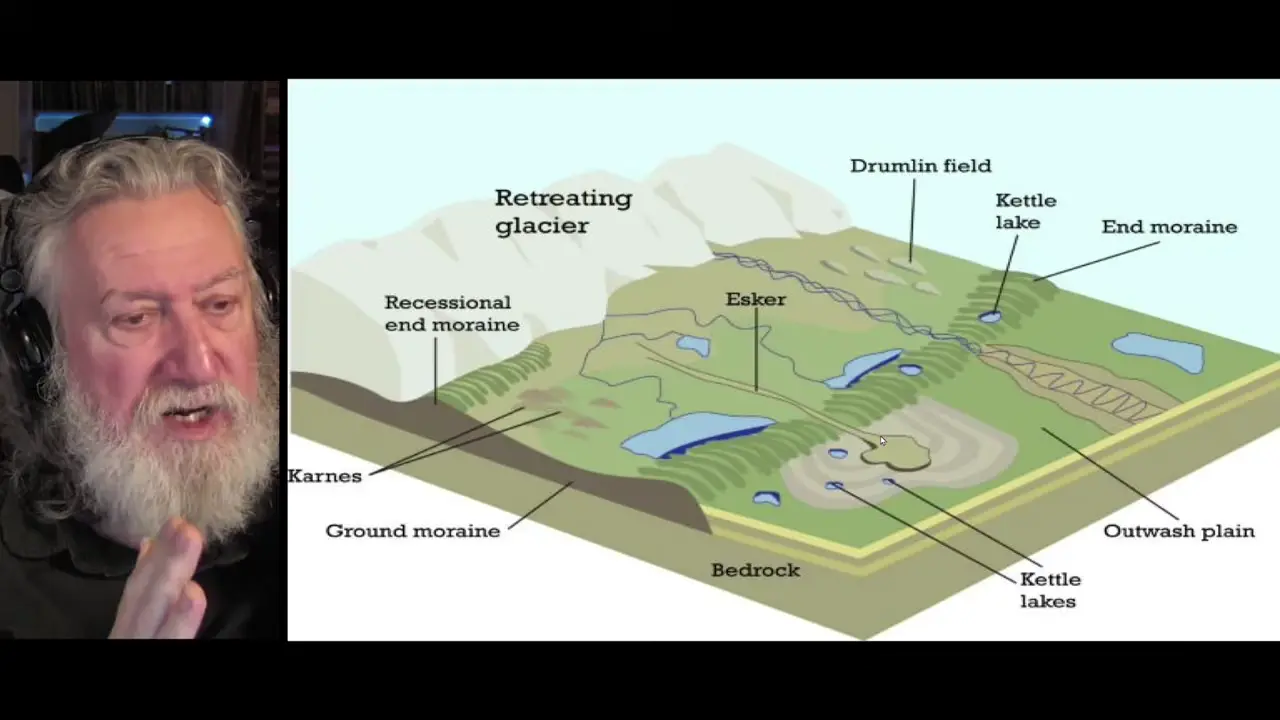
Eskers form in subglacial meltwater channels
Esker formation in subglacial fractures. Eskers form when meltwater flows through fractures between ice masses When the water slows, it deposits sediment in long, sinuous patterns…
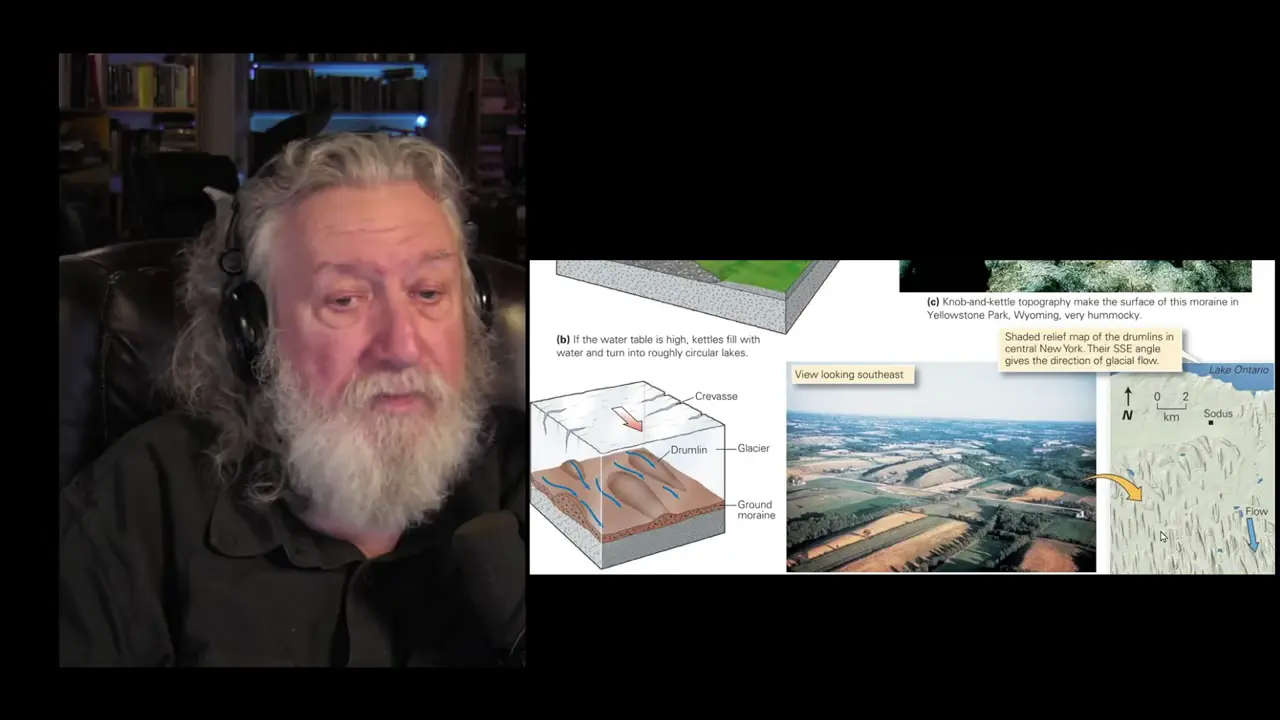
Drumlin formation remains scientifically unresolved
Drumlin formation remains scientifically unresolved. Drumlins are elongated hills blunt on one end and tapered on the other They form beneath glaciers, not outside them Drumlin…
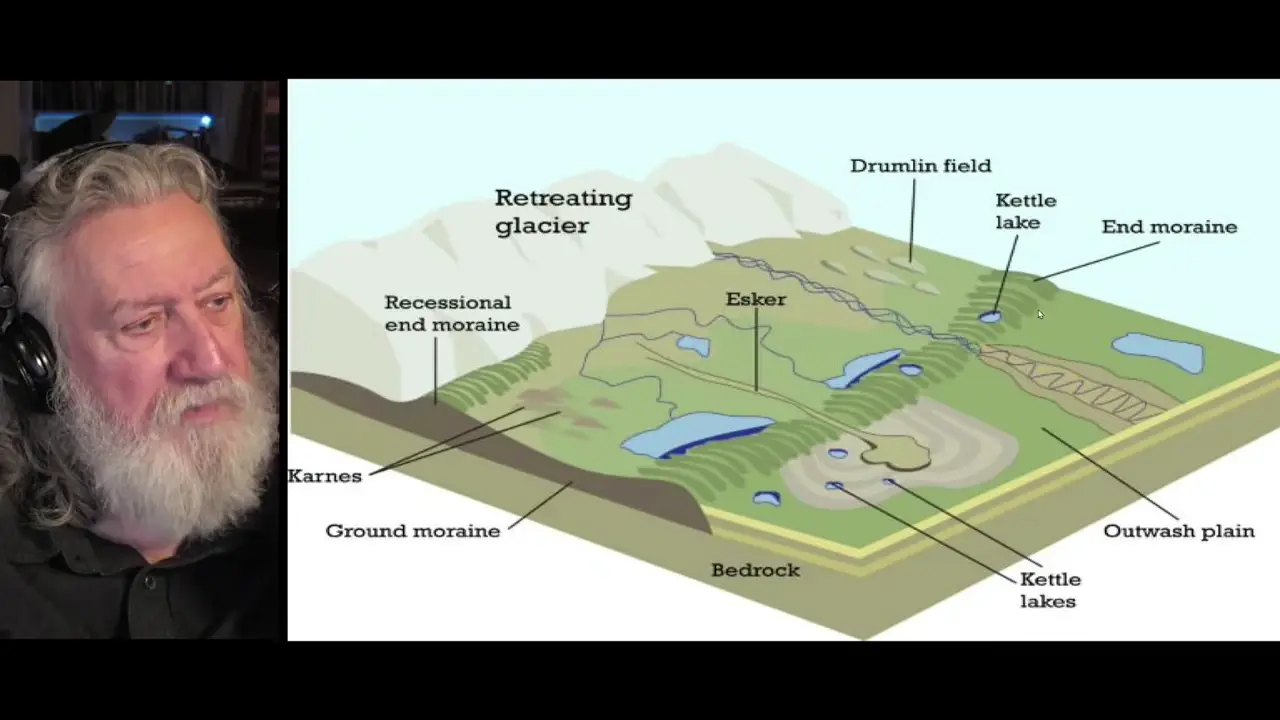
Terminal and recessional moraines as glacial indicators
Terminal and recessional moraines as glacial indicators. Terminal moraines mark the furthest extent of glacier advance Drumlins form beneath glaciers, not outside them, and are…
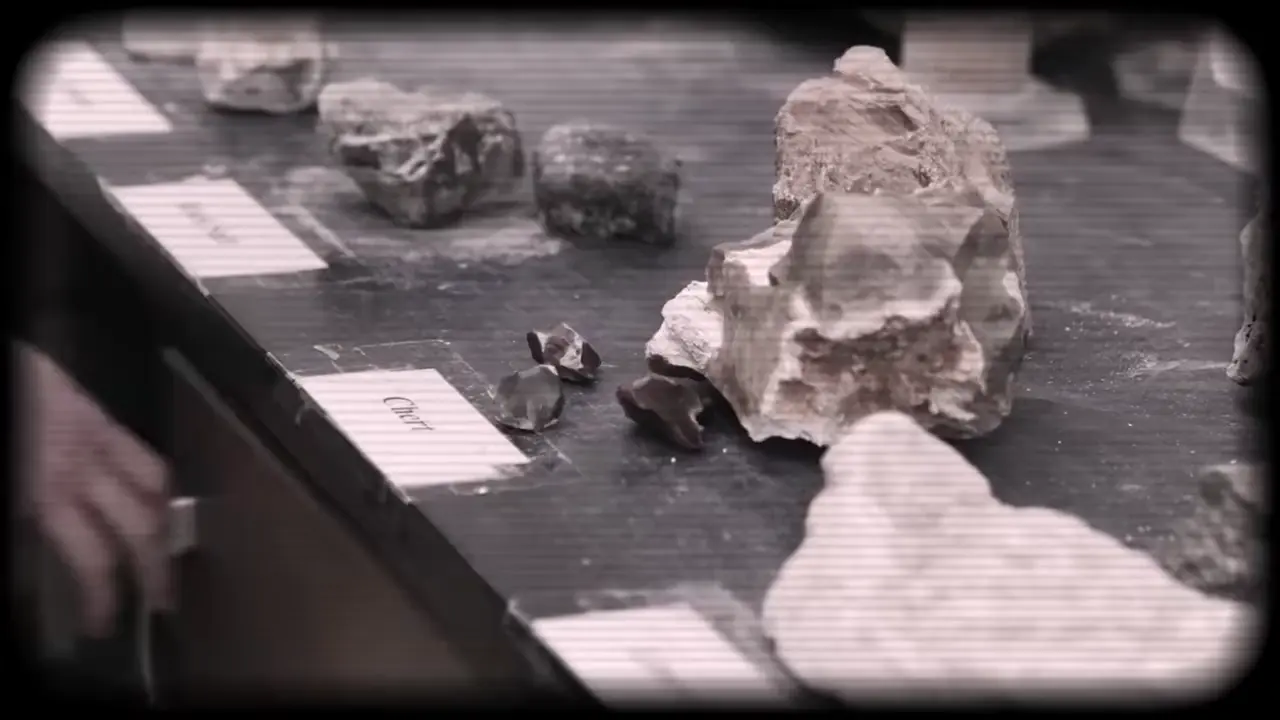
Moyjil fire evidence marginally supports human presence in Australia 120,000 years ago
Moyil fire evidence suggests 120,000-year-old human presence in Australia. Charcoal and burnt stone feature (CBS1) discovered at Moyil/Point Ritchie in southwest Victoria…
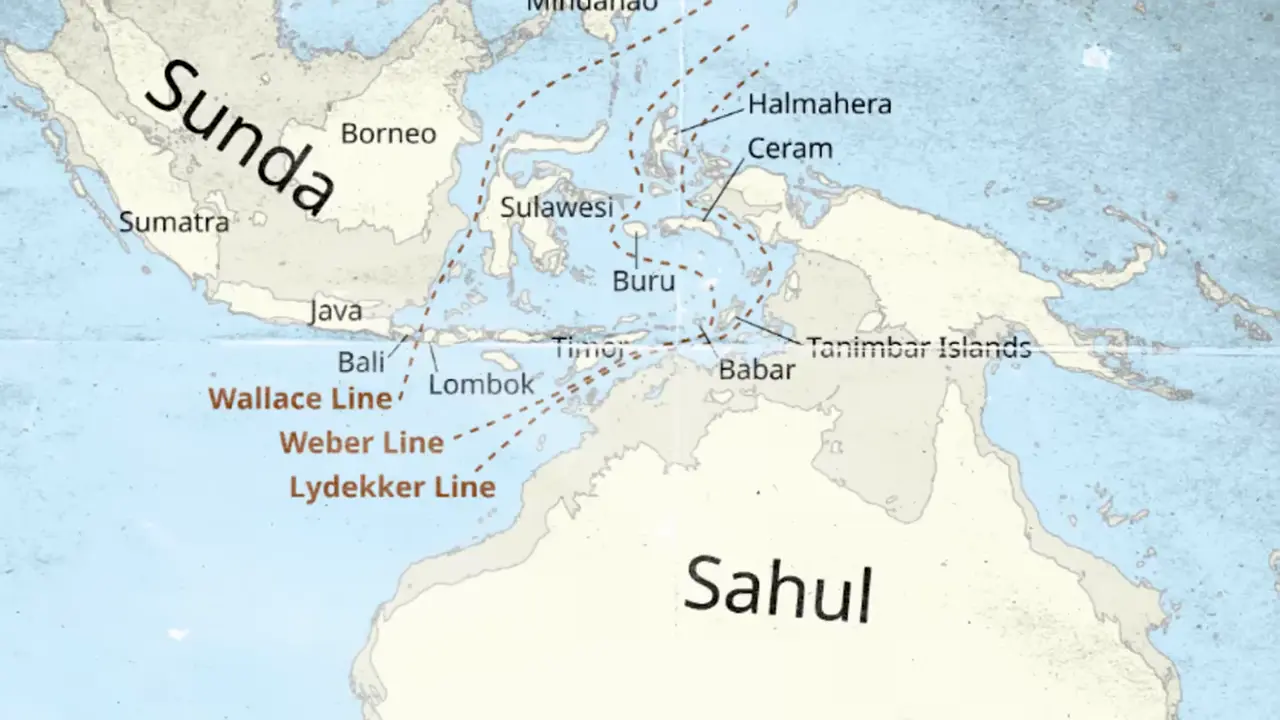
Ancient tools show hominins crossed water into Wallacea by about 1 million years ago
Southeast Asian island tools prove hominins crossed seas 1 million years ago. Stone tools on Luzon, Philippines dated to 700,000 years ago Stone tools on Flores, Indonesia dated…

Tollense Valley battlefield has competing interpretations
Tolands Valley site has competing battle interpretations. Tolands Valley (or Tolant's Valley) contains evidence of a battle with loads of dead people One interpretation is that it…

Presenter challenges Navan Fort's geophysical 'temple' interpretation
Navan Fort over-interpretation from geophysical data. Navan Fort in County Armagh, Northern Ireland is a massive hengeiform structure predating Iron Age layers Geo-physics…

Video argues funding pressures can encourage bold archaeological claims
Funding pressures incentivize bold archaeological claims. Researchers need funding for major archaeological projects Those who get the biggest media response are more likely to…

Göbekli Tepe misperception persists despite corrections
Göbekli Tepe misperception persists despite corrections. Göbekli Tepe was branded as 'ground zero, the oldest temple' It has been known for about 20 years that Göbekli Tepe was…

Archaeologists face dilemma between data and interpretation
Archaeologists face dilemma between data and interpretation. Archaeologists face a dichotomy between presenting objective data (what was found, dates) and producing interpretive…

Ritual interpretation becomes default catch-all in prehistory
Ritual interpretation becomes default catch-all in prehistory. When archaeologists find structures with uncertain purpose, they automatically label them 'ritual and ceremonial'…
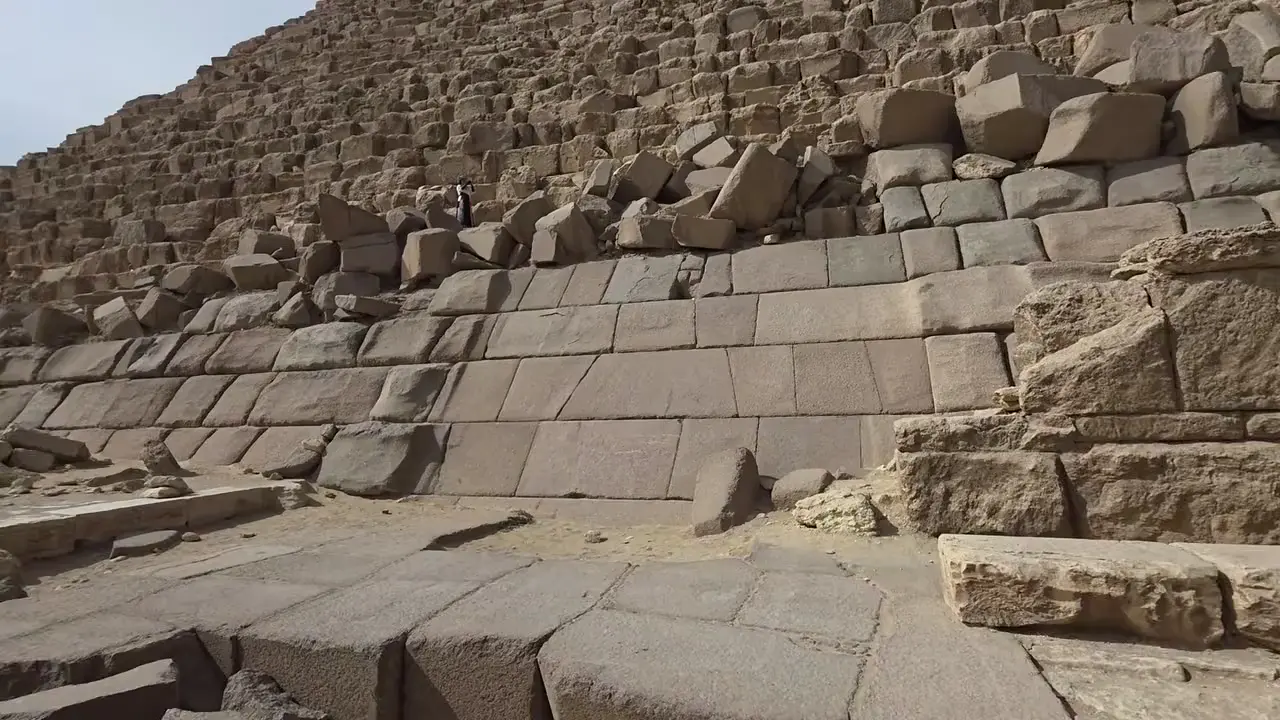
Interlocking megalithic blocks and diagonal cuts challenge construction theorieslost_civilization
Interlocking megalithic blocks and diagonal cuts challenge construction theories. The Valley Temple features interlocking block mechanisms Diagonal cuts in rocks documented,…
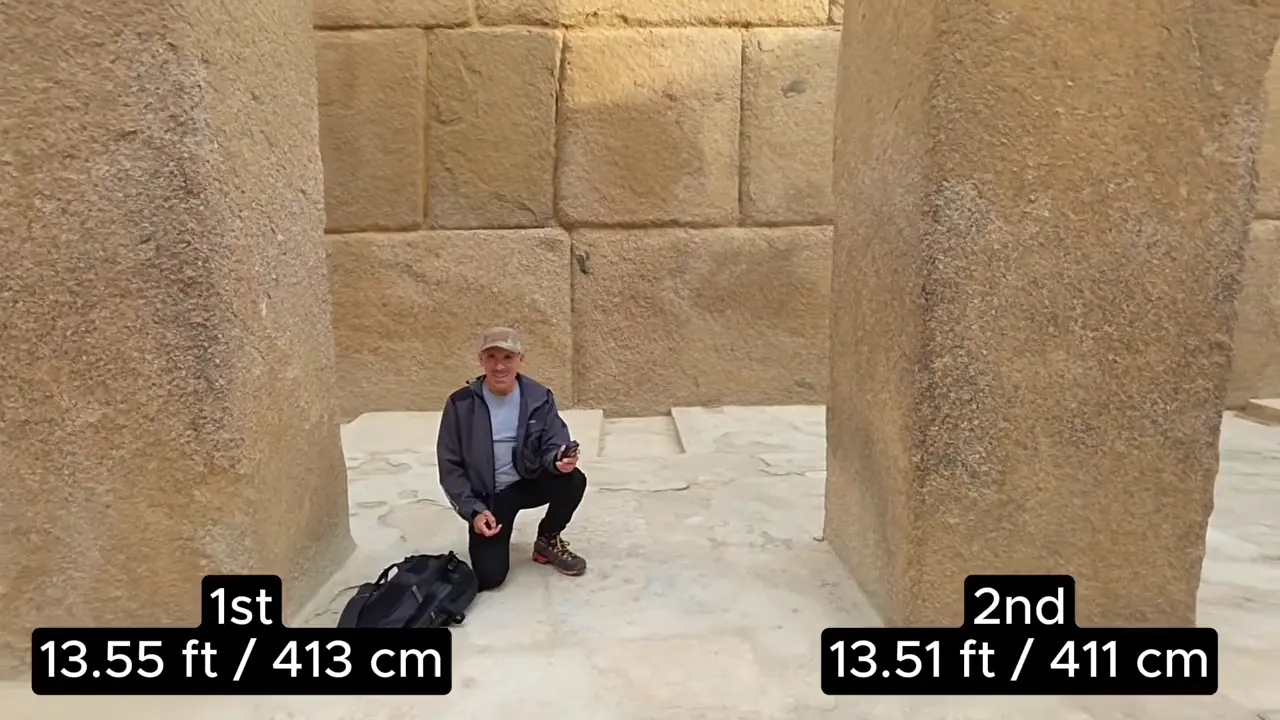
Valley Temple precision: Stones measured at nearly identical 13.5 ft lengths
Valley Temple precision: Stones measured at nearly identical 13.5 ft lengths. Measurements of Valley Temple stones show extreme precision: first stone 13.55 ft, second stone 13.51…
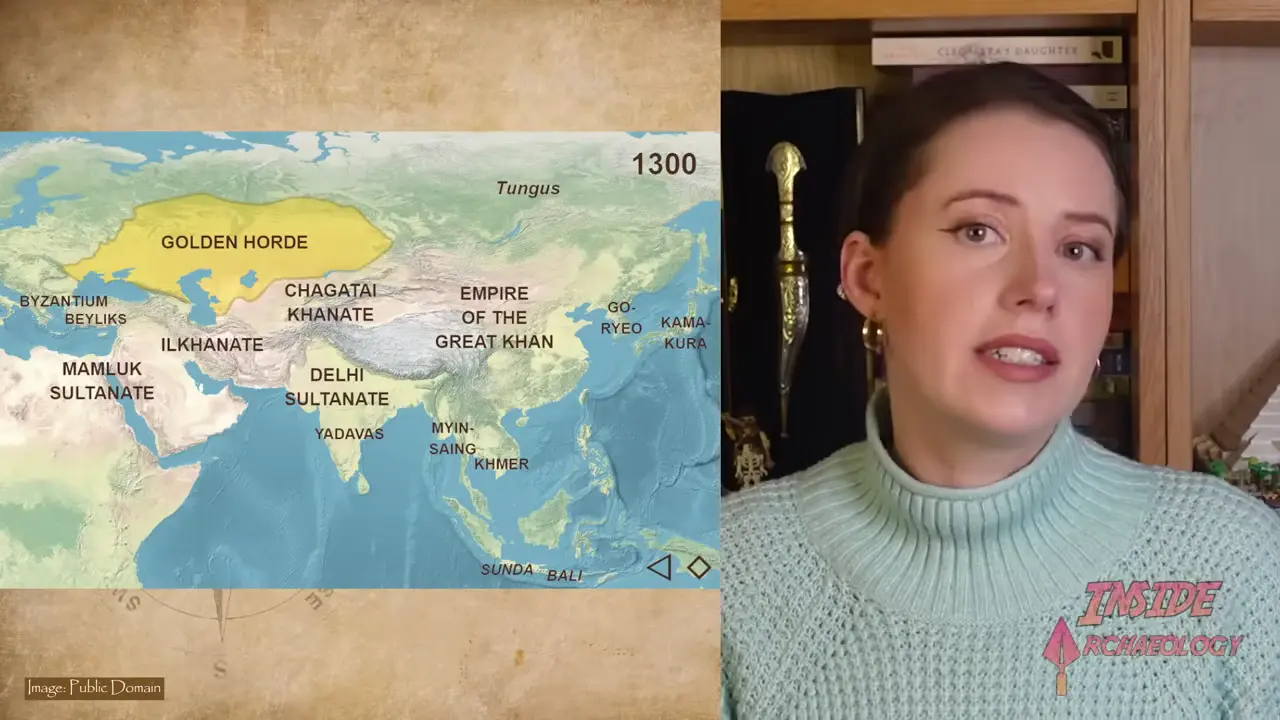
Sarai: The Lost Capital of the Golden Horde in Russia
Sarai: Lost capital of the Golden Horde in Russia. Sarai was the capital of the Golden Horde from the 1240s until 1502 Founded as seasonal residence by Batu Khan near the lower…
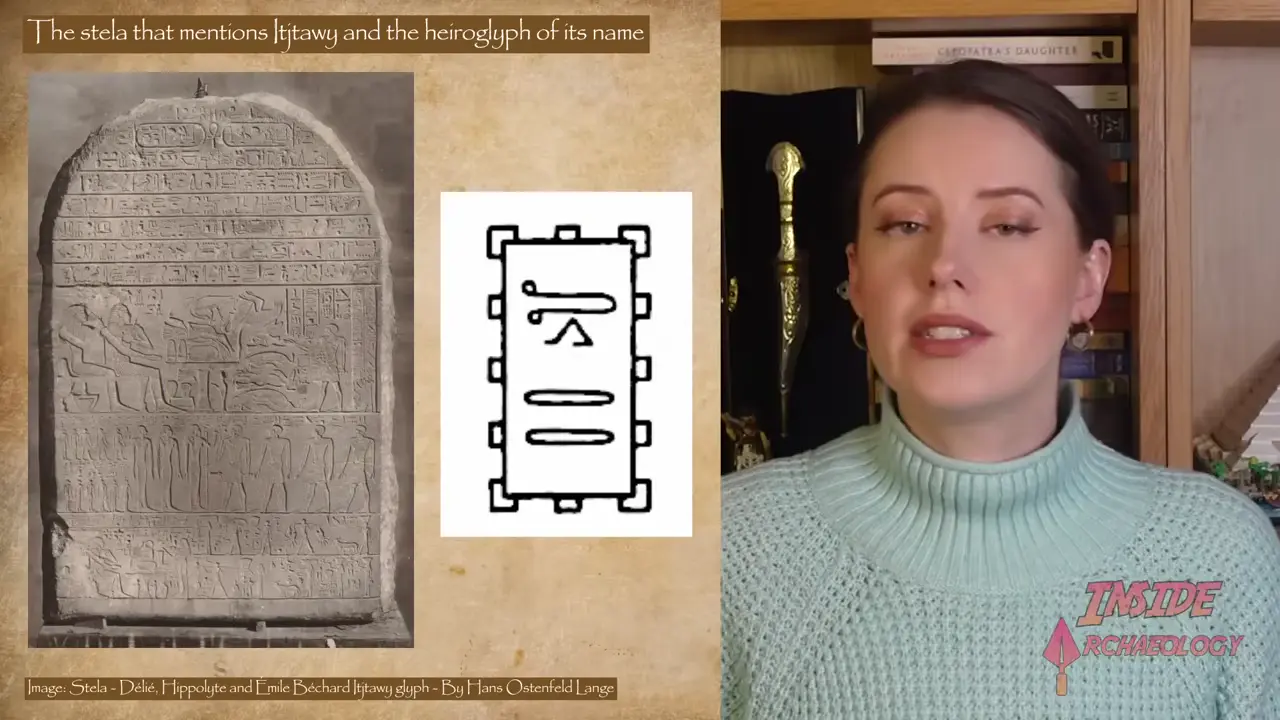
Satellite remote sensing narrows search for Egypt’s lost capital Itjtawy
Lost Egyptian capital Itjtawy found via satellite remote sensing. Itjtawy was the capital of Egypt during the 12th and 13th dynasties of the Middle Kingdom period over 4,000 years…
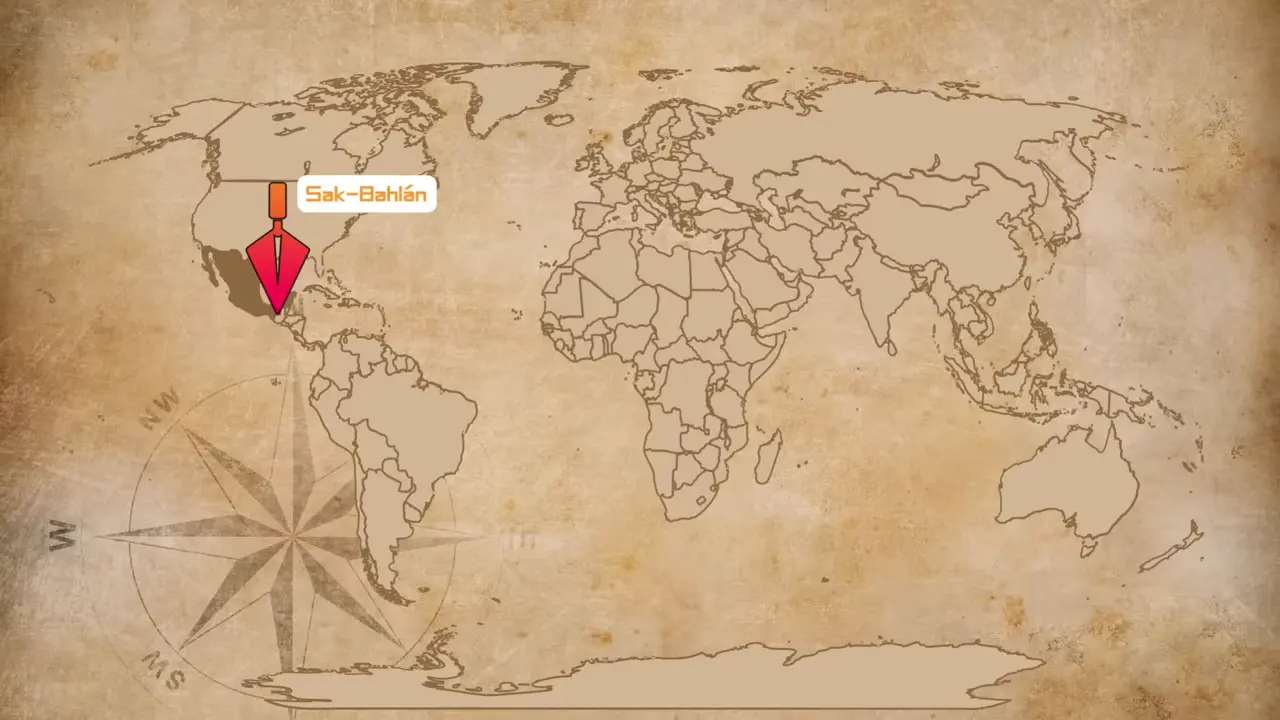
Sac Balam: Maya resistance city found via GIS modeling
Sac Balam: Maya resistance city found via GIS modeling. Sac Balam (Sac Balam) was the 'White Jaguar City' of the Lacandon Maya, established in the late 1600s Located in the depths…
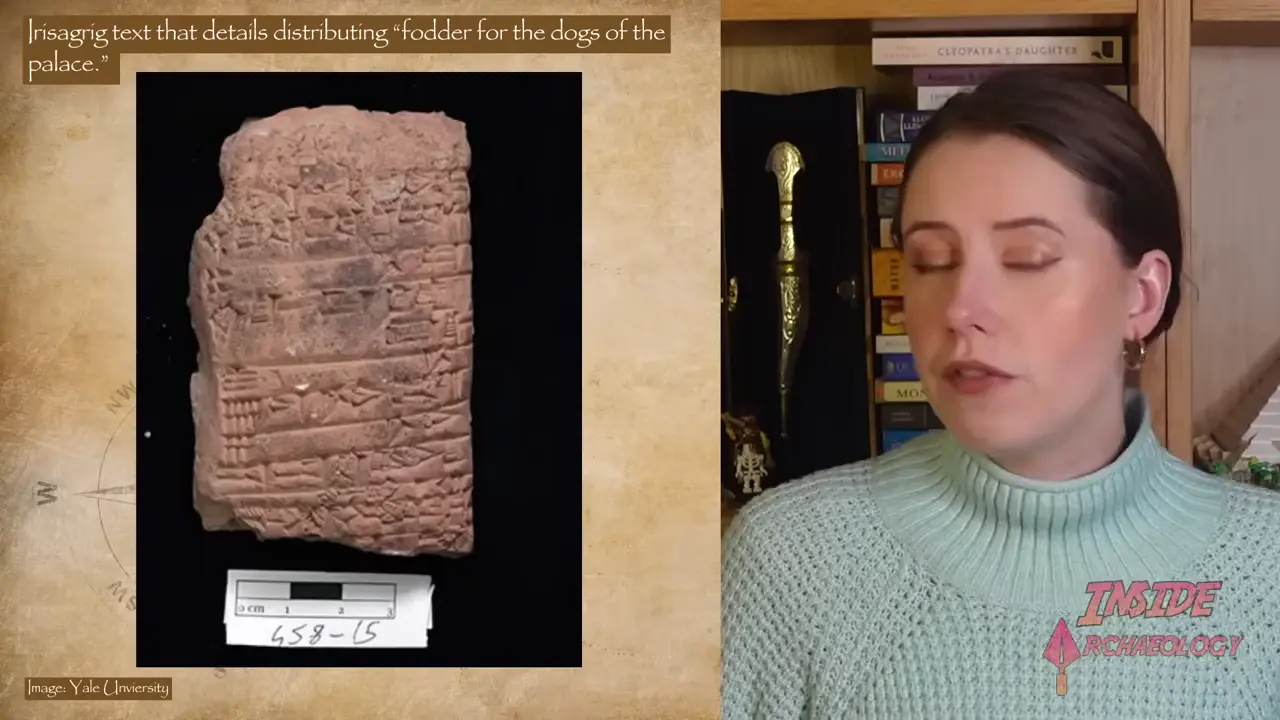
Iri-sagrig: Lost Mesopotamian city known through looted cuneiform tablets
Iri-sagrig: Lost Mesopotamian city known via looted cuneiform tablets. Iri-sagrig was a major provincial capital and transportation hub during the Ur 3 Empire around 4,000 years…
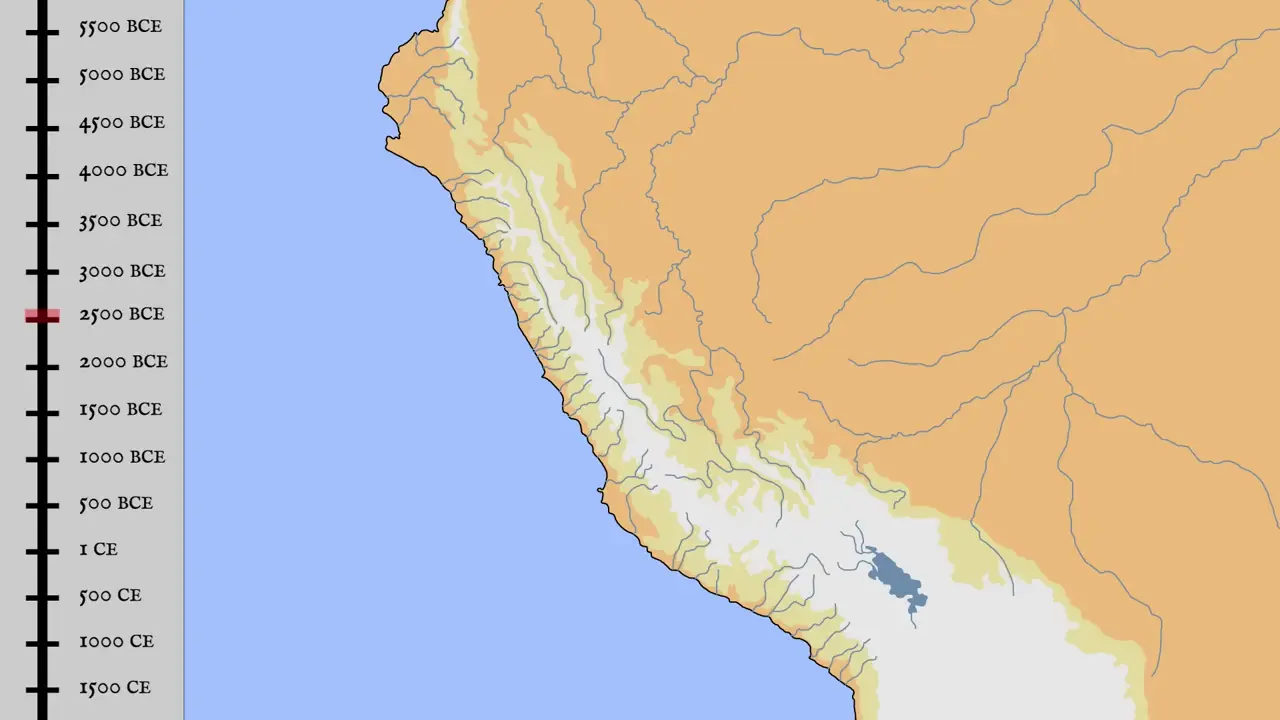
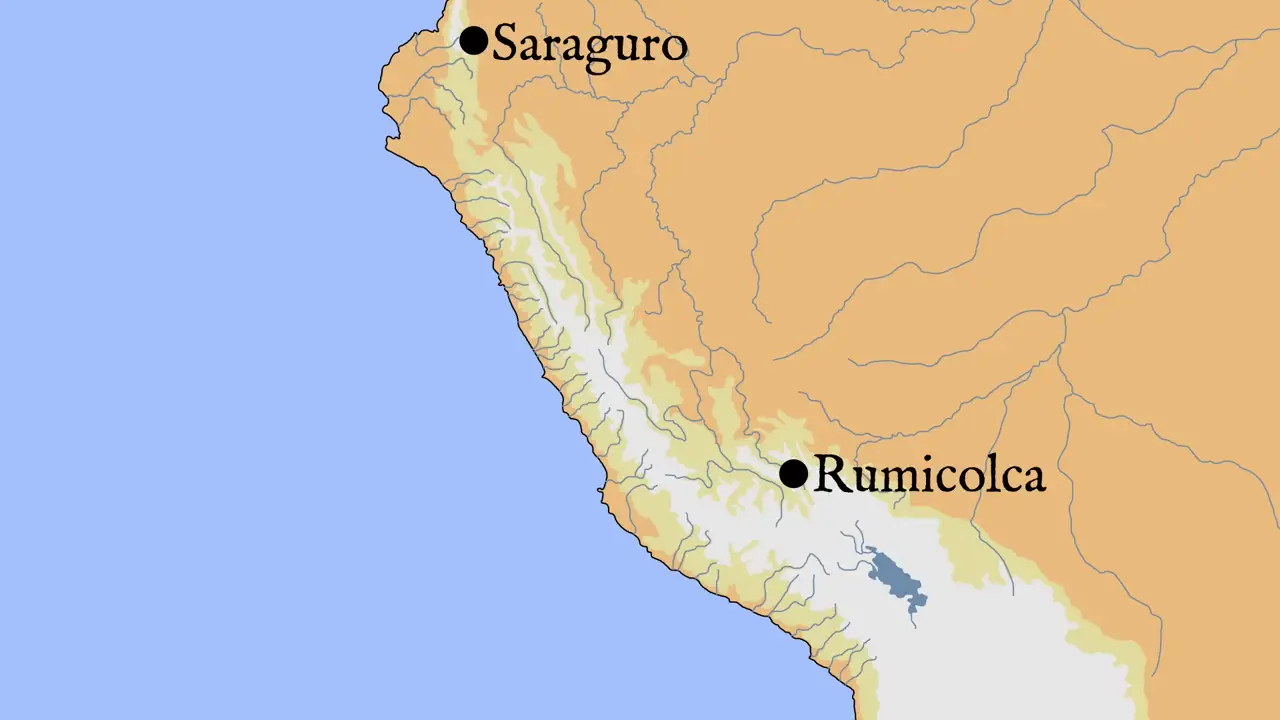
Inca masonry drew on over two millennia of Andean stoneworking
Inca masonry built upon millennia of Andean stoneworking tradition. Earliest monumental Andean stoneworking dates to 2600 BCE at Caral in the Supe Valley Chavín de Huántar…
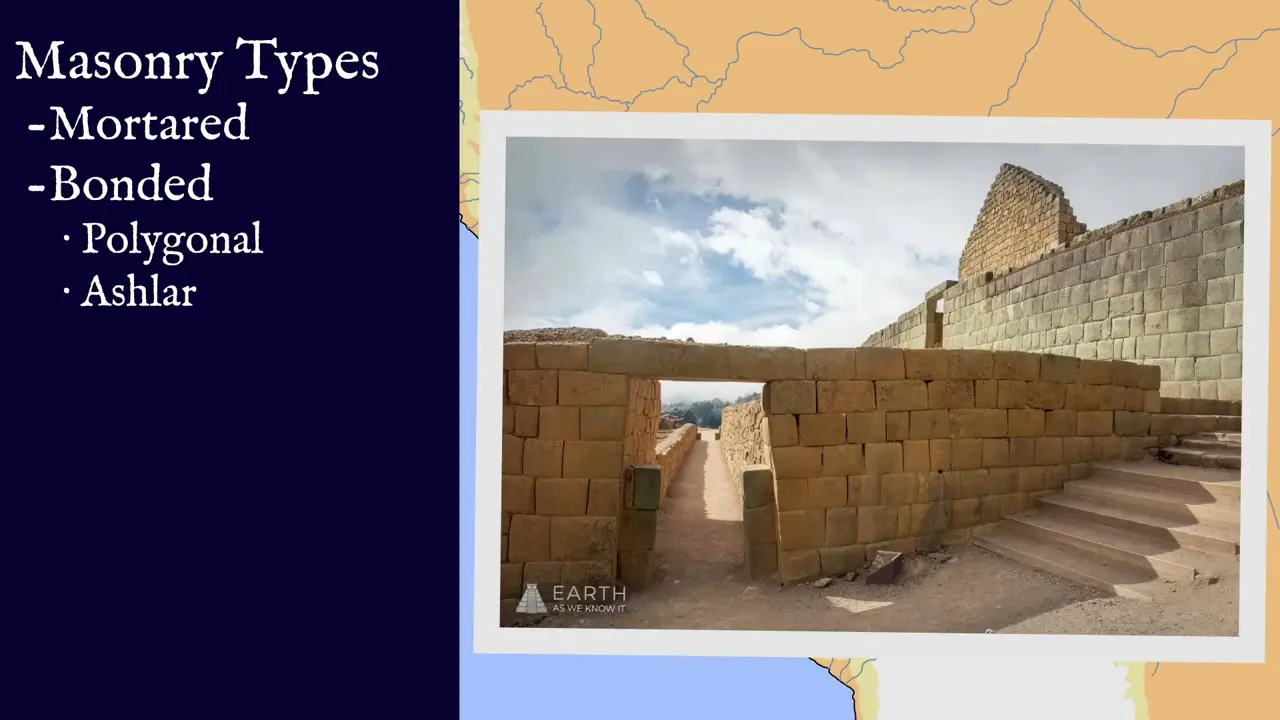
Two main types of Inca bonded masonry: polygonal and ashlar
Two main types of Inca bonded masonry: polygonal and ashlar. Mortared masonry used undressed fieldstones for commoner housing Bonded masonry (caninacukpirca) used no mortar,…

Alternative theory proposes scribing and coping for large blocks
Alternative theory proposes scribing and coping for large blocks. Vince Lee proposed scribing method using measuring stick and plumb bob Plumb bobs recovered in archaeology,…
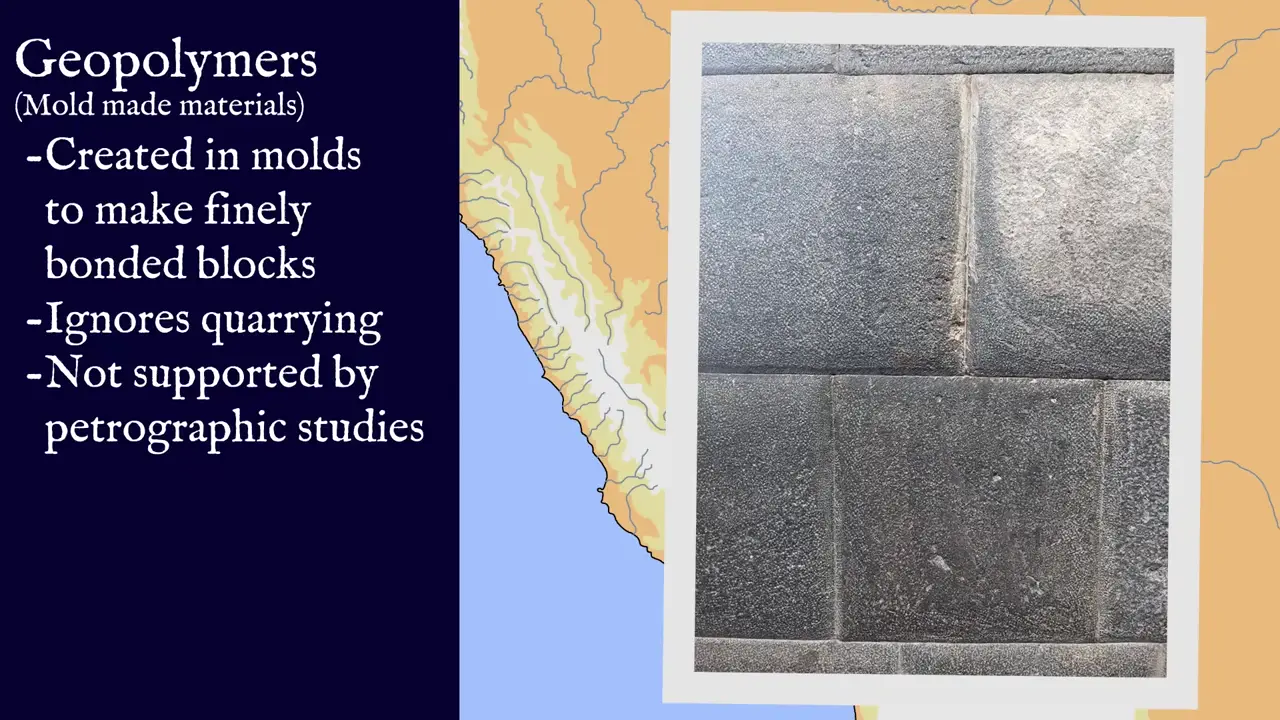
Geopolymer and alien theories rejected by archaeological evidence
Geopolymer and alien theories rejected by archaeological evidence. Acid theory proposed red clay dissolved stone faces but contradicts colonial accounts of dry-fit masonry 2021…
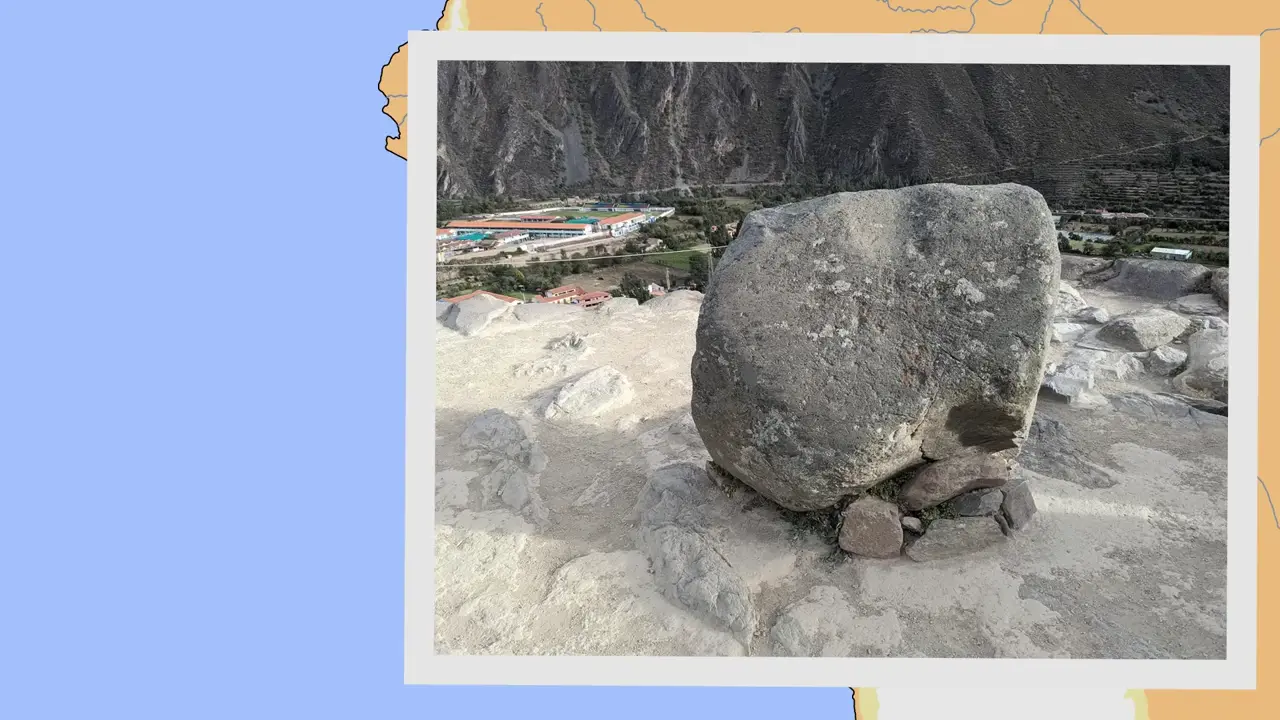
Inca viewed stone as living, sacred material with spiritual power
Inca viewed stone as living, sacred material with spiritual power. Inca believed Viracocha created first humans from stone according to Juan De Betanzos' Narrative of the Incas…
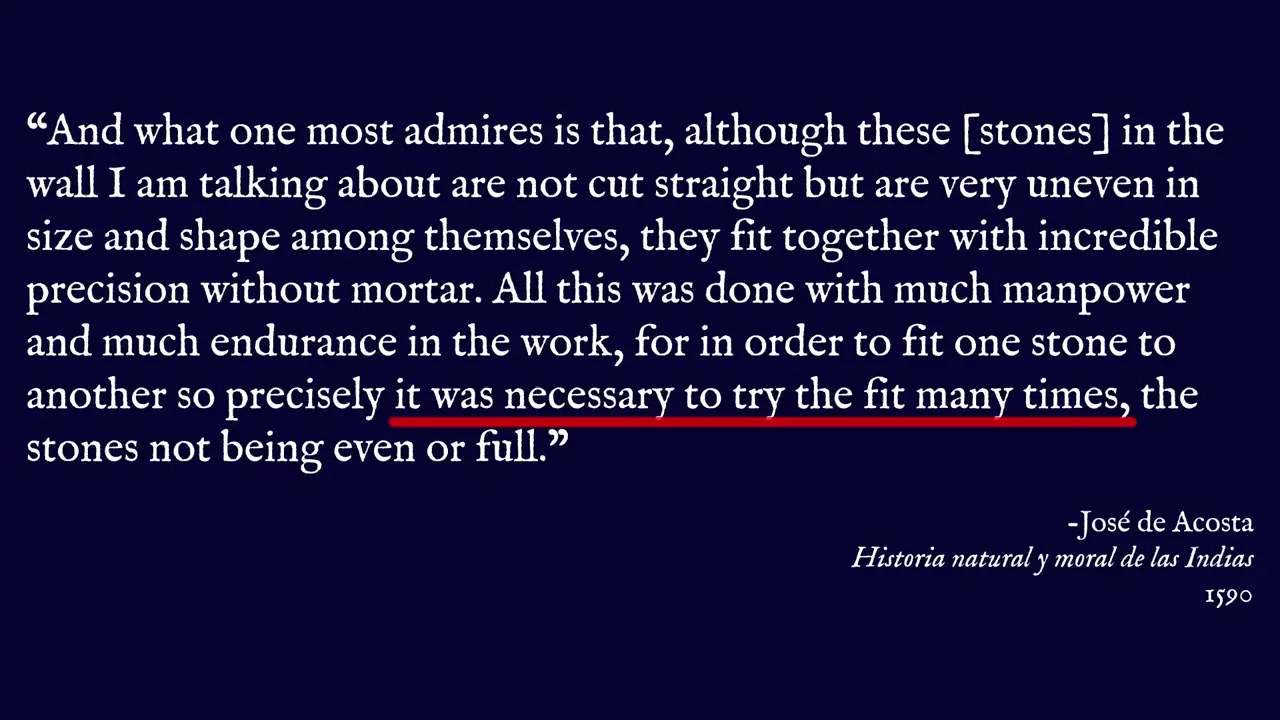
Stones fitted through trial and error using hammerstones
Stones fitted through trial and error using hammerstones. Masons hammered wide shallow troughs into rock faces then smoothed surface Larger hammerstones used on faces, smaller…
Large stones moved using ropes, ramps and massive labor forces
Large stones moved using ropes, ramps and massive labor forces. Largest Sacsayhuamán blocks estimated at 100-200 tons, most blocks weighed 50-150 kg Spanish accounts record ropes,…
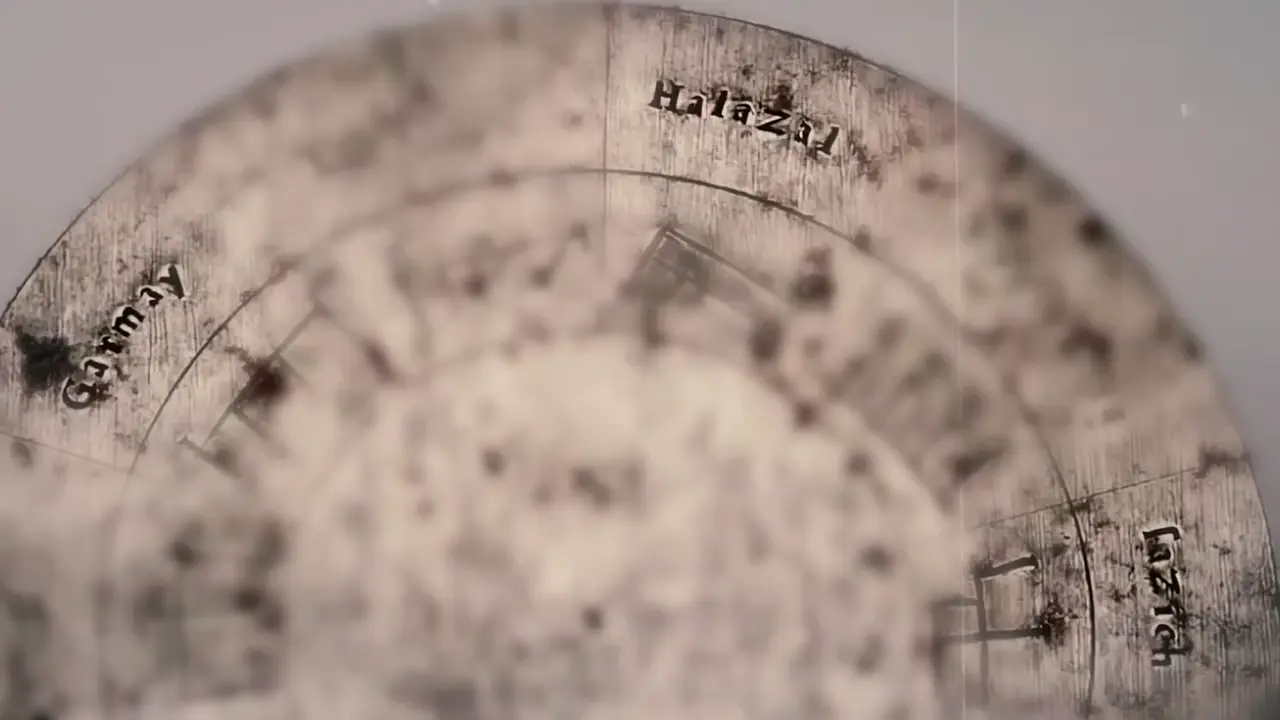
16th-century necromancy mirror ritual in Dresden museum
16th-century necromancy mirror ritual in Dresden museum. A small iron mirror from the 16th century sits in a museum in Dresden, Germany Names carved into its surface include…
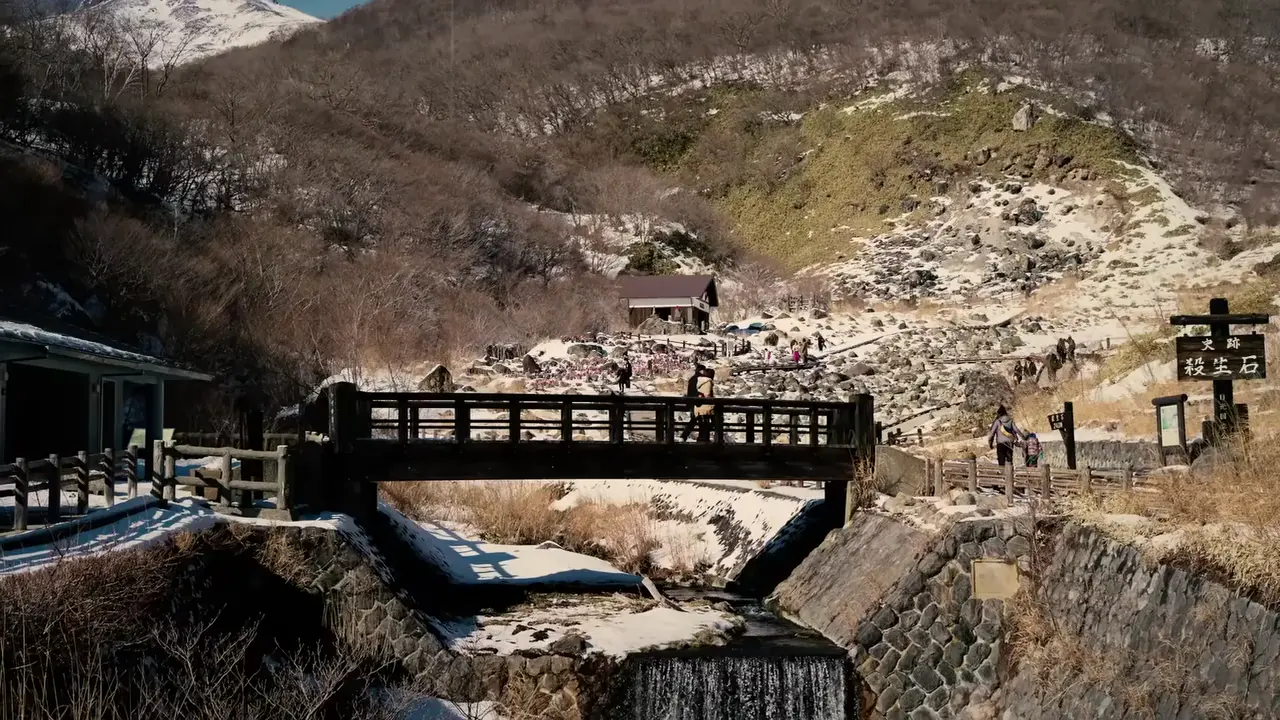
Japanese killing stone splits open in 2022
Japanese killing stone splits open in 2022. In early March 2022, the infamous sessho-seki (killing stone) in Japan's Nasu volcanic zone split in two A Shimenawa ritualistic thick…

Templo Mayor’s 1519 idols: Huitzilopochtli and Tlaloc, not Tezcatlipoca
Aztec Temple Mayor idols described by Cortés in 1519. In November 1519, Hernán Cortés and Bernal Díaz entered the inner chamber of Temple Mayor in Tenochtitlan They described two…

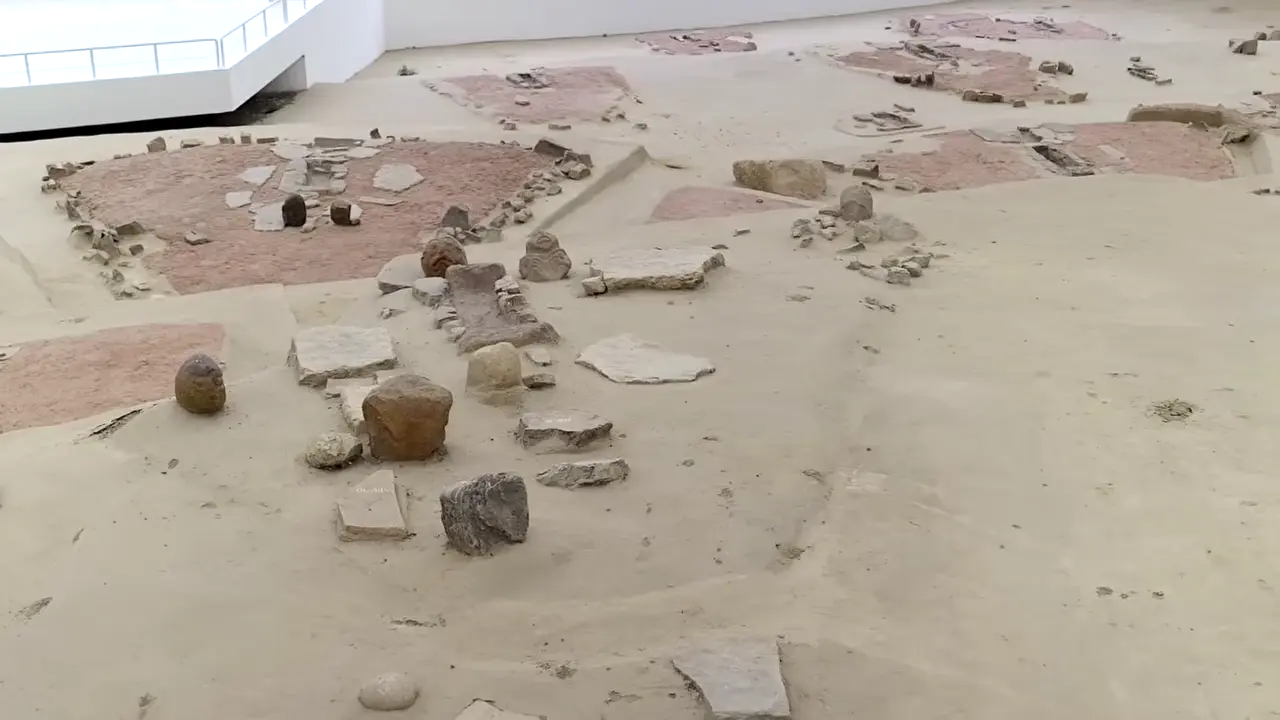
Fish-head sculptures clustered in one house
Fish-head sculptures clustered in one house. 5 of the 11 head sculptures are found in only one house (House 57) The remaining 6 sculptures are not frequently displayed or…

Site remains unique despite fewer sculptures
Site remains unique despite fewer sculptures. Lepenski Vir is the first known site where Anatolian farmers met and integrated with indigenous hunter-gatherers The site represents…
Heads may represent individual portraits not cultural symbols
Heads may represent individual portraits not cultural symbols. Each sculpture is highly individual with no recurring iconographic theme Only common feature is the downturn mouth…

Video argues that only 11 Lepenski Vir boulders are carved fish heads
Only 11 actual fish-head sculptures exist at Lepenski Vir. Google reports approximately 100 boulders at Lepenski Vir with 52 depicting fish-human hybrids Actual catalog from…
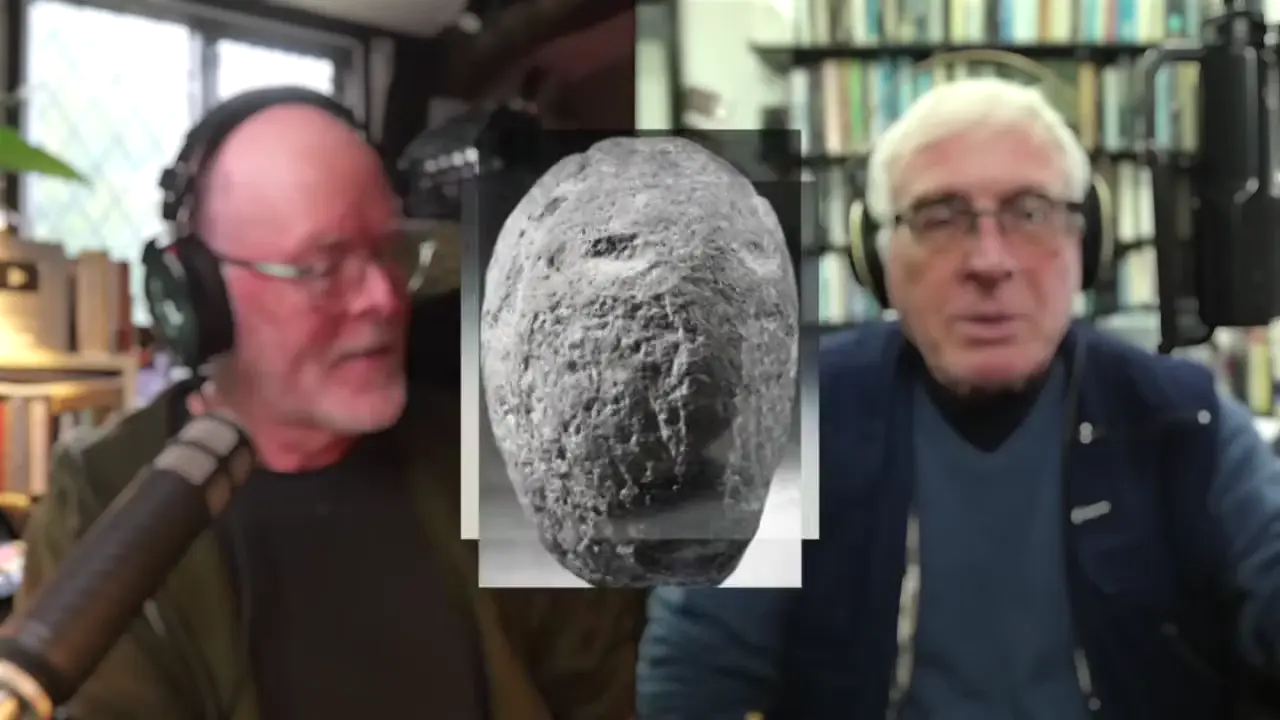
Video criticizes naming and cataloguing at Lepenski Vir
Archaeological naming and cataloging deemed whimsical. Dragois Suovich gave whimsical names to sculptures: 'Mermaid Shaman', 'Lady of Lepenski', 'Progenitor', 'Water Fairy', 'Red…

Museum reproductions inflate perceived number of sculptures
Museum reproductions inflate perceived number of sculptures. Multiple official reproductions of the same heads exist in different museums Belgrade Museum displays original…
Keep exploring
Every site on this page sits on the globe, and the people who research them are on the Discord.
3D Globe · Sites by country · Story Archive · Research Library · Weekly Journal · Search