

Sacsayhuamán's massive blocks required creative engineering. A 1996 NOVA documentary demonstrated traditional Inca methods for moving large stone blocks. The largest Sacsayhuamán blocks are estimated at 100-200 tons, with smaller blocks weighing 50-150 kg. Spanish accounts record ropes and thick cables of sinew and llama hide used for transport. Research has shown traditional ichu grass ropes could support significant weight. Physics calculations suggest hundreds of laborers would have been needed to move the largest blocks up slopes. Historical chroniclers including Cieza de León and Polo de Ondegardo recorded large labor forces working on Inca construction projects.
Large stones moved using ropes, ramps and massive labor forces
 PeruGeneral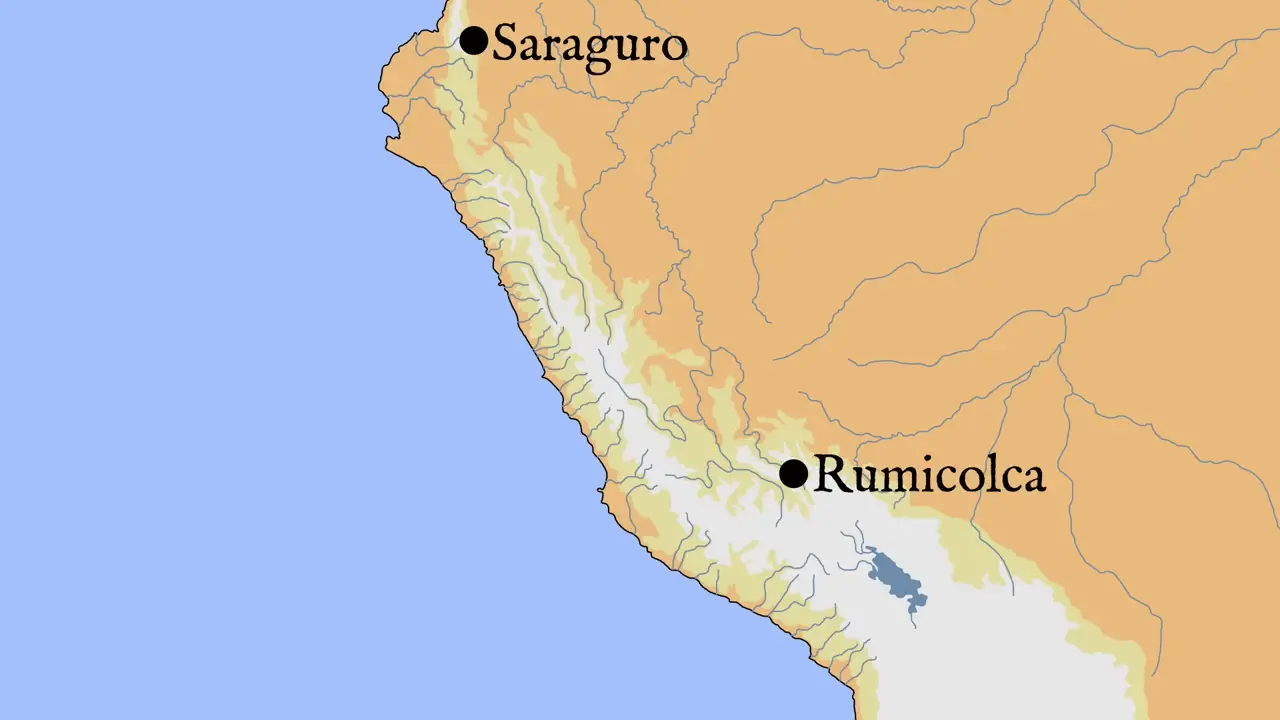
Key facts
- Largest Sacsayhuamán blocks estimated at 100-200 tons, most blocks weighed 50-150 kg
- Spanish accounts record ropes, thick cables of sinew and llama hide used for transport
- John Ochsendorf study showed traditional ichu grass ropes could support 1800 kg (4000 lbs)
- Physics calculations show 100 ton block up 8-degree slope requires ~1765 people
- Cieza de Leon records 10,000 laborers working on Sacsayhuamán, Polo de Ondegardo mentions 30,000
- 1996 NOVA documentary showed 250 people moved 15-ton block in Ollantaytambo using Inca methods
- Stones from Rumicolca transported 1400 km to Saraguro, Ecuador for Wayna Capaq's buildings
Site mentioned
Sources
docs.google.com
Linked in video description
Was this story useful?
Keep exploring
Every site on this page sits on the globe, and the people who research them are on the Discord.
3D Globe · Sites by country · Story Archive · Research Library · Weekly Journal · Search
AI-generated text · images from the original sources · always verify with the sources.