

Story Archive
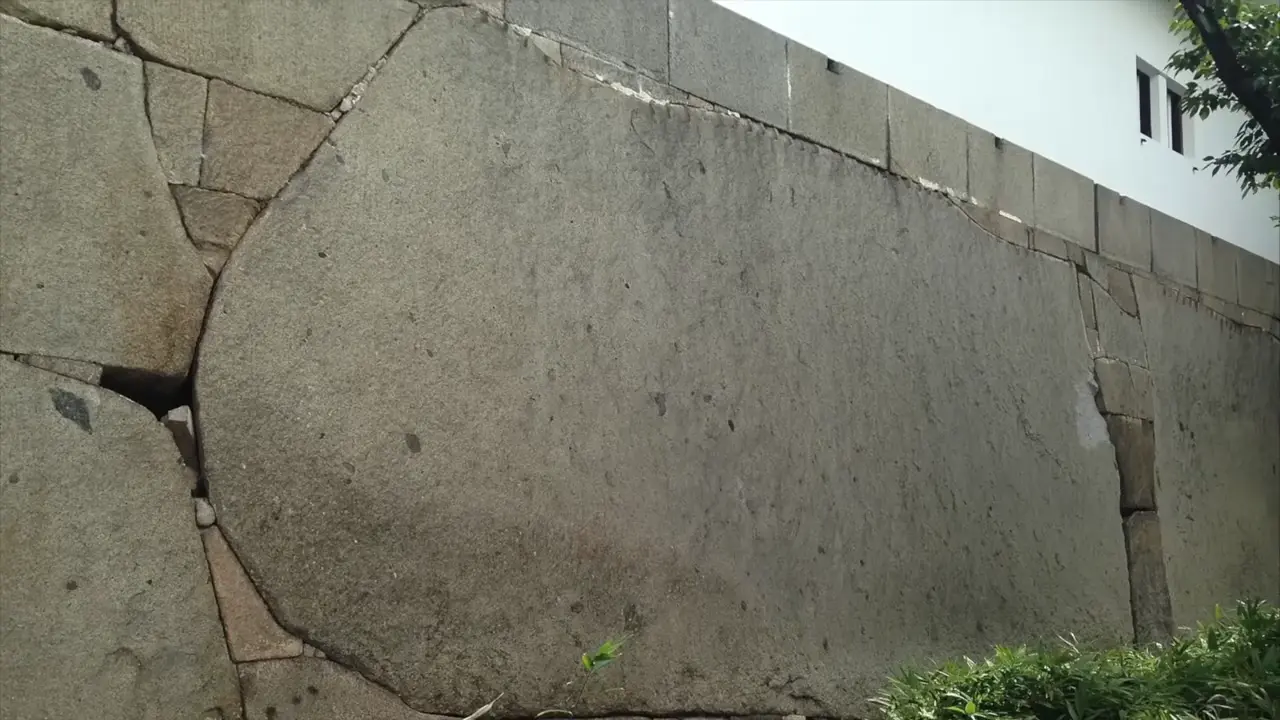
Osaka Castle's Octopus Stone weighs about 108 tons, among five stones over 100 tons
Osaka Castle's Octopus Stone weighs over 120 tons, among 5 megaliths exceeding 100 tons. The Octopus Stone (also called Drum Stone) measures 5.5m x 11.7m and weighs more than 120…
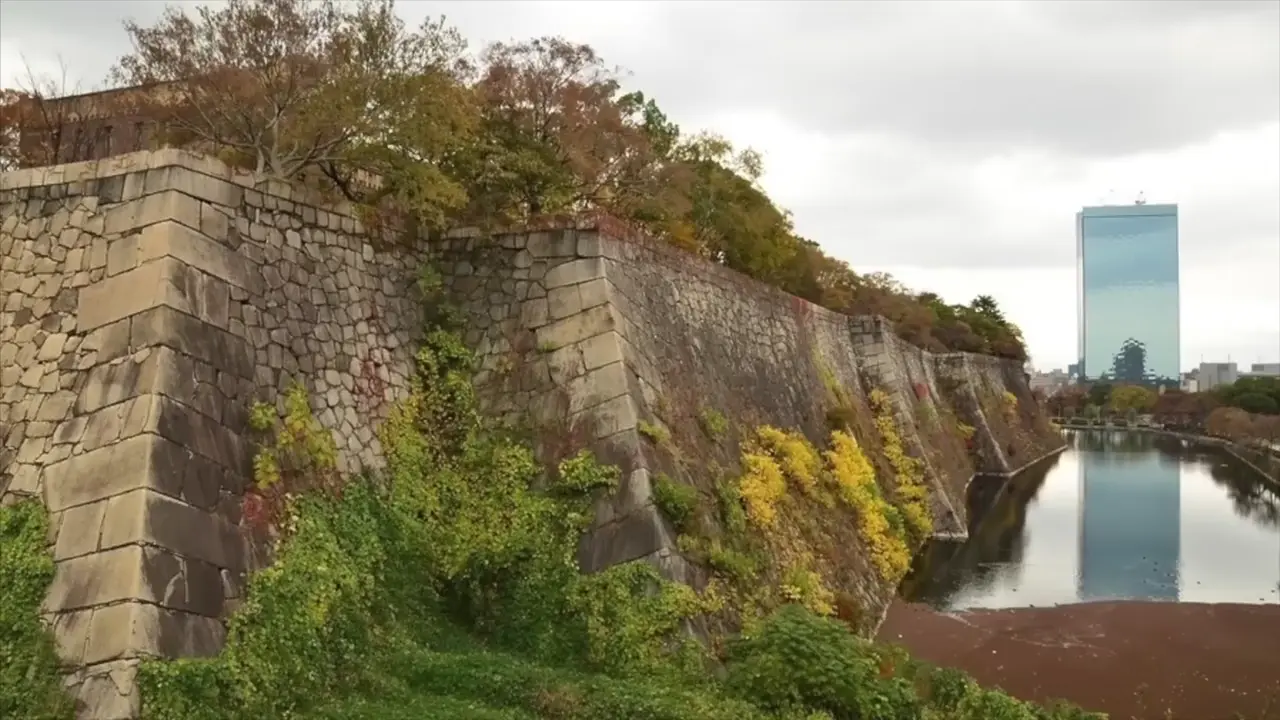
Bozura-zukuri: Japanese castle walls dry-laid to flex during earthquakes
Boerdo piling technique: earthquake-resistant polygonal masonry used in Japanese castles. Boerdo piling is a Japanese technique for building stone walls using large rocks fitted…

LiDAR survey finds 42 newly reported effigy mounds in Wisconsin’s Bad Axe Valley
Wisconsin effigy mound survey reveals minute-accurate ancient layout precision. Surveyed hundreds to thousands of effigy mounds across Wisconsin and surrounding states Found…

Claims of 1400s Chinese contact with Cahokia based on glyph and jade evidence
Claims of 1400s Chinese contact with Cahokia based on glyph and jade evidence. Claims Chinese arrived at Cahokia in the 1400s Piasaw glyph near Alton believed to be Chinese…

Video argues Hopewell geometry rivals European 'mystery schools'
Indigenous sacred geometry knowledge matched or exceeded European mystery schools. Native Americans could square the circle and trisect angles with equal or greater precision than…
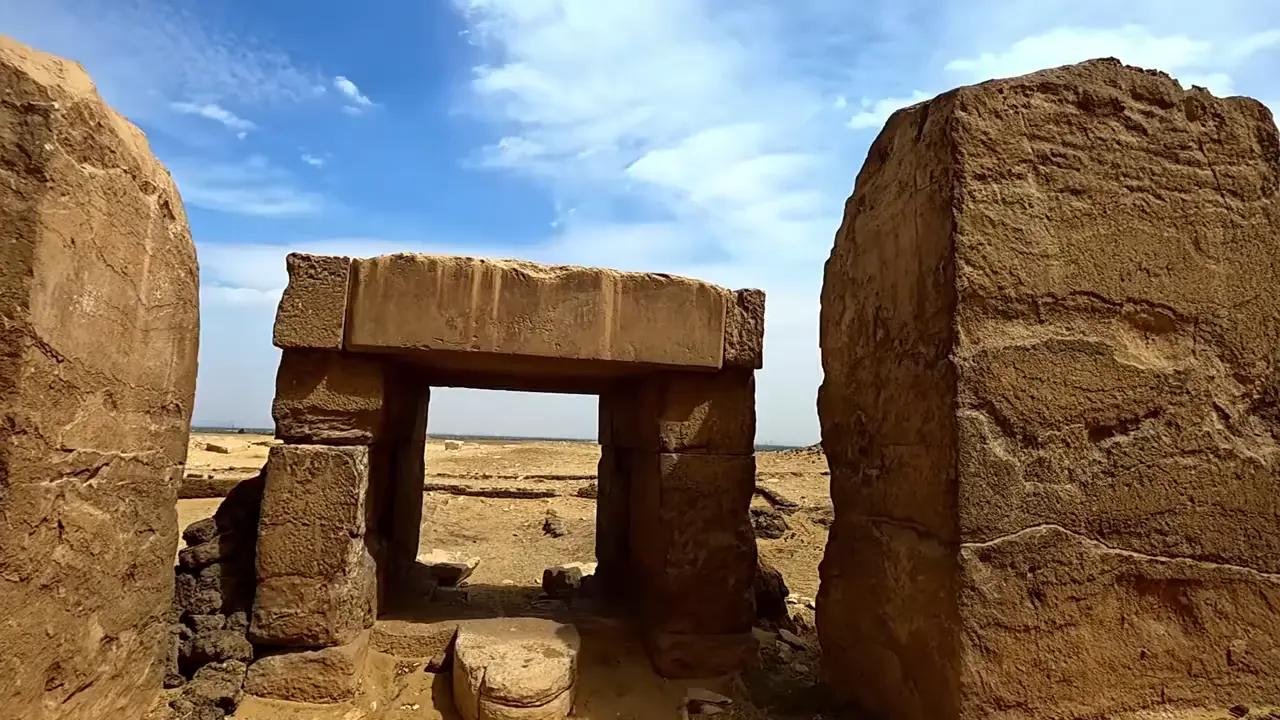
Presenter argues for a global link between Dahshur and Andean sites
Megalithic precision at Dahshur suggests global connection to Andean civilizations. Megalithic rubble scattered across Dahshur and Memphis sites Precision and scale suggest global…
Malta's cart ruts have varied dates; many are Roman-era, not 6,000 years old
Malta cart ruts 6,000+ years old with chaotic crisscrossing patterns. Dating back to before 4,000 BC (6,000+ years old pottery associated) Ruts are chaotic - crisscrossing,…

Video shows Azores cart ruts reaching the ocean; presenter says some predate farm walls
Azores cart ruts on volcanic bedrock extend into ocean, predate farm walls. Ruts found on multiple Azores islands: Pico, São Miguel, Terceira, Flores Pico tracks run on…
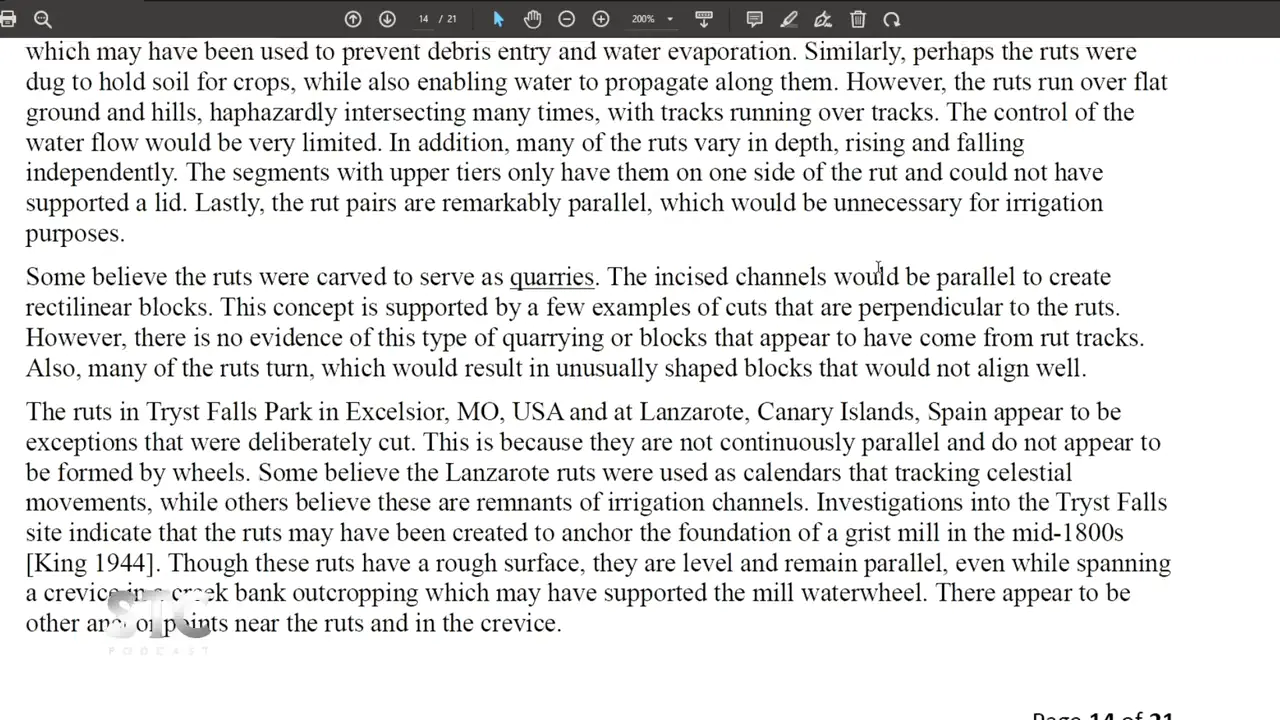
Cart ruts may have served as megalith transport bearings or post-catastrophe routeslost_civilization
Cart ruts may have served as megalith transport bearings or post-catastrophe routes. Stone balls found in Malta at correct height to serve as bearings in grooves Theory: megaliths…

Malta’s cart ruts: most date to the Classical era, origins still debated
Cart ruts documented at 100 locations worldwide in limestone and volcanic rock. Cart ruts are parallel grooves cut into solid bedrock surfaces worldwide Found in approximately 100…

Texas wagon ruts at Round Rock and Bull Creek extend underwater
Texas cart ruts embedded in limestone creek beds extend underwater. Round Rock Memorial Park site has ruts 2-3 inches deep, some up to a foot or more Bull Creek site features…

Heat-induced limestone transformation may explain cart rut formation
Heat-induced limestone transformation may explain cart rut formation. Heat theory: limestone heated to ~1000°C becomes quicklime (emits CO2) Quicklime + water creates slurry that…

Video argues the Roman-cart explanation fails to account for all Malta cart ruts
Standard Roman chariot theory fails multiple tests. Standard explanation: Roman chariots/wagons using same tracks repeatedly Challenges: No raised material pushed up alongside…
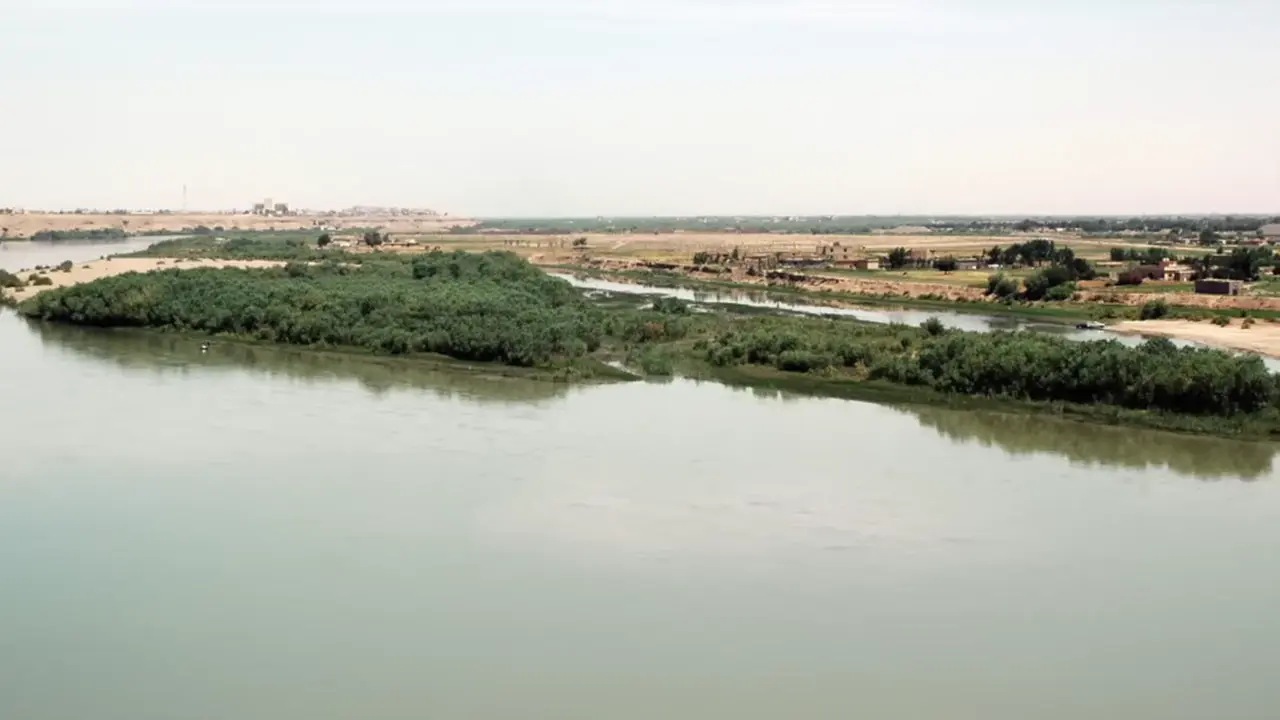
1855 Tigris Shipwreck Lost Most of 230 Crates of Mesopotamian Artifacts
1855 Tigris River Shipwreck Lost 230 Crates of Mesopotamian Artifacts. In 1855, 230 crates weighing over 30 tons of artifacts from Babylon, Nimrud, Nineveh, and Dur Sharrukin were…
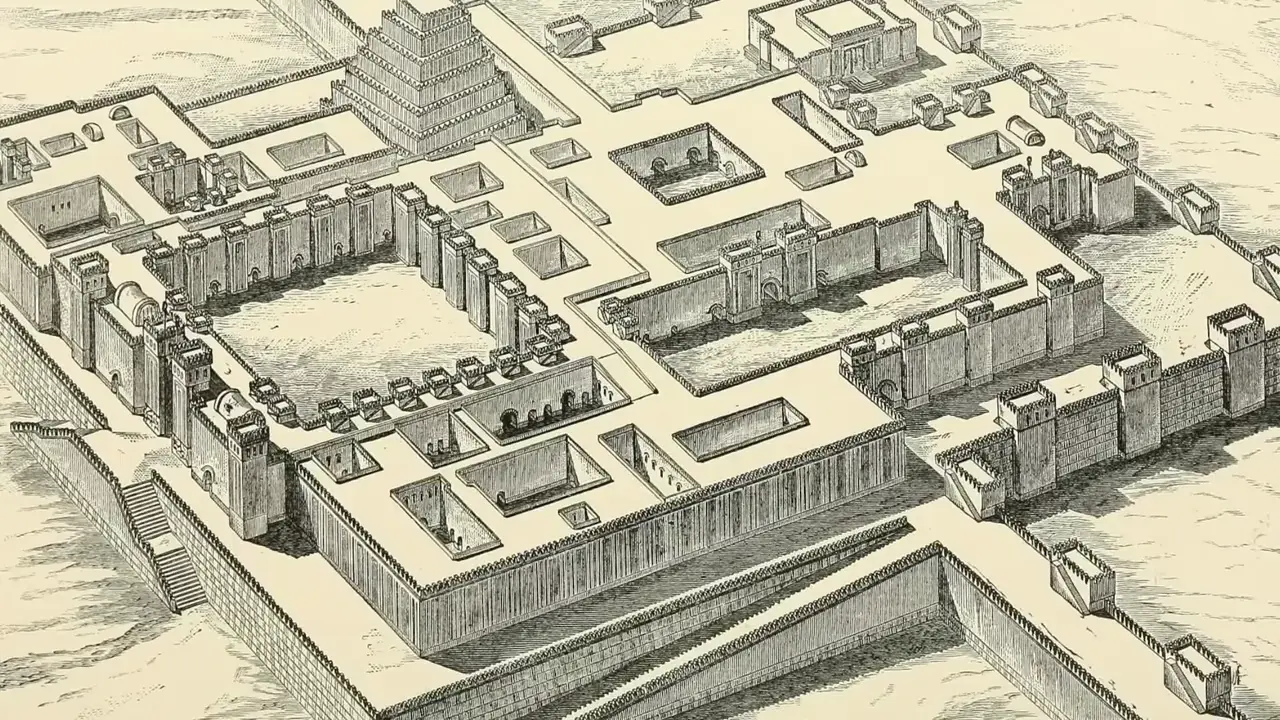
Botta’s 1842–1843 Excavations Uncover Sargon II’s Capital at Dur-Sharrukin
1843 Excavation Reveals Sargon II's Abandoned Capital Dur-Sharrukin. Construction of Dur-Sharrukin (Khorsabad) began in 717 BC under King Sargon II of Assyria The city was…
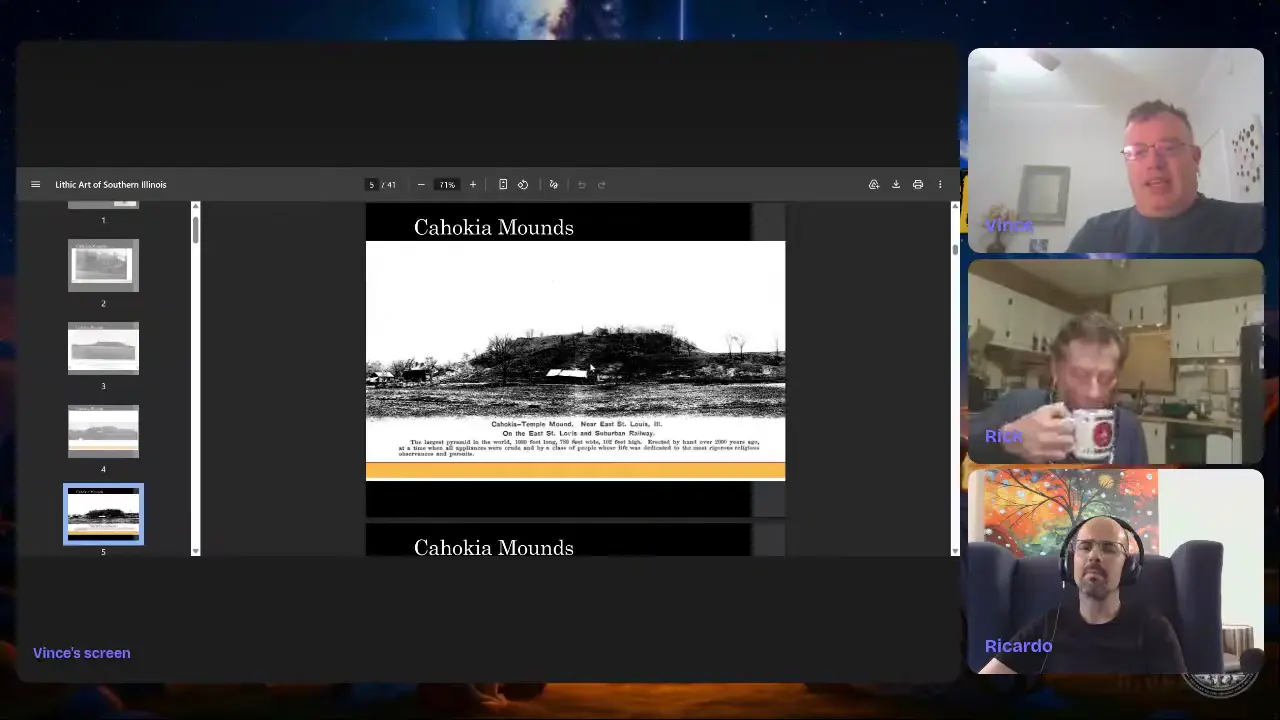
Monks Mound: America’s largest prehistoric earthen mound; video’s sod and flood claims
Monks Mound: Largest pyramid by footprint, sod construction and flooding preservation. Monks Mound has the largest base footprint of any pyramid in the world, larger than the…
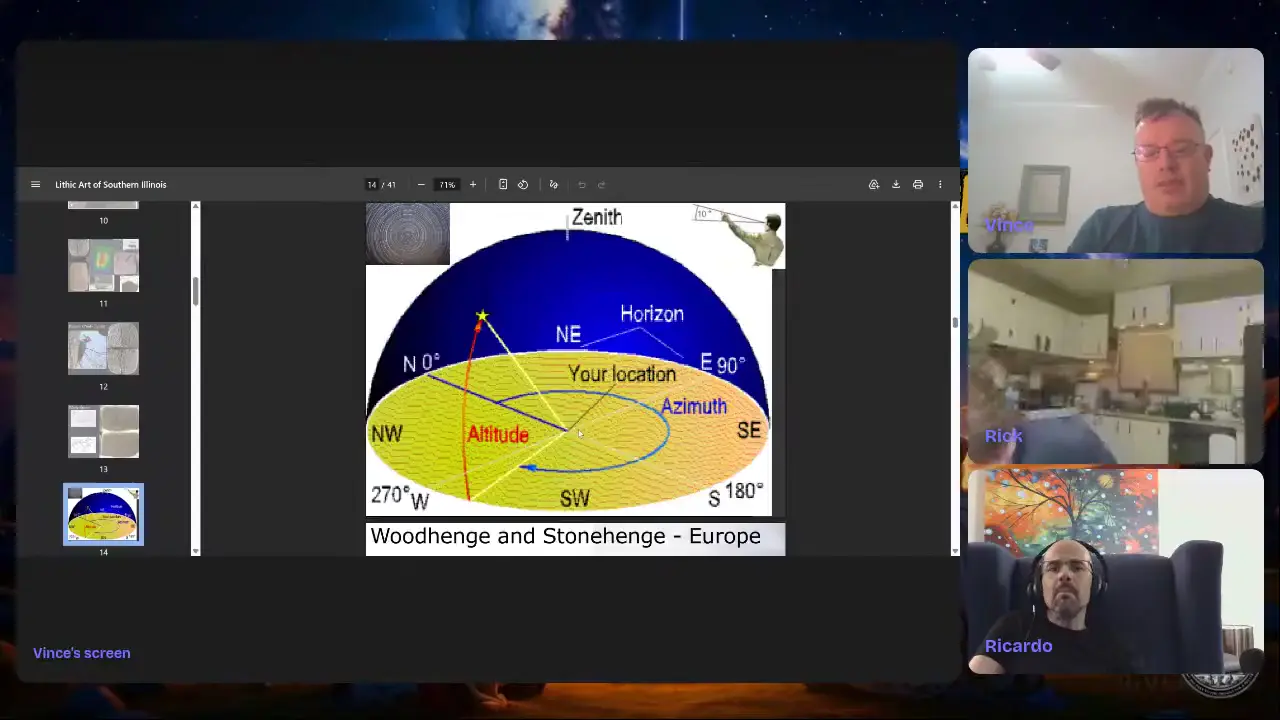
Cahokia Woodhenge was a solar calendar; the video’s lunar and Stonehenge claims are unproven
Cahokia Woodhenge: Solstice and lunar alignments match European Stonehenge. Cahokia Woodhenge had the same number of rings as European Stonehenge and the same plane of the rings A…
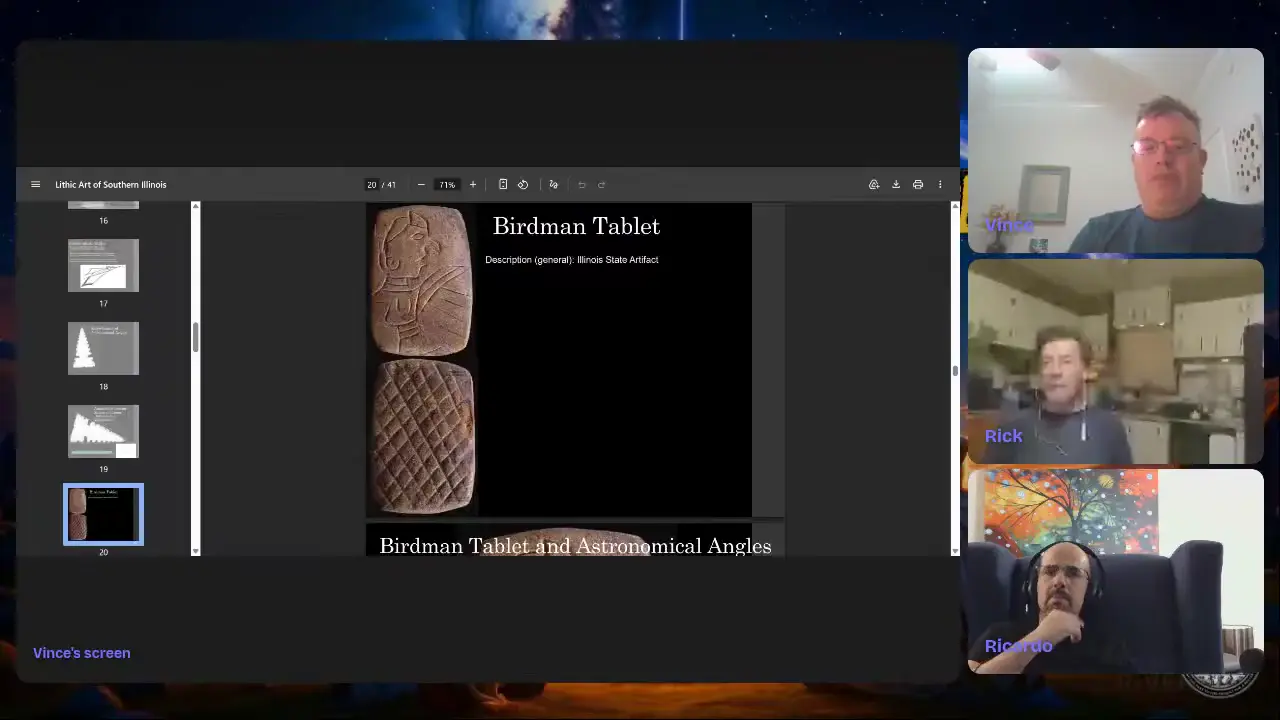
Cahokia Birdman tablets, sharks tooth clubs, and faience discoveries
Cahokia Birdman tablets, sharks tooth clubs, and faience discoveries. Two Birdman tablets were found at Cahokia - one by Morehead in 1921 and one at the Peabody Museum The Birdman…

Cahokia trade network: Obsidian, copper, shells from hundreds to 800+ miles away
Cahokia trade network: Obsidian, copper, shells from hundreds to 800+ miles away. Copper found at Cahokia was sourced from the Upper Peninsula of Michigan, 683 miles away, dating…
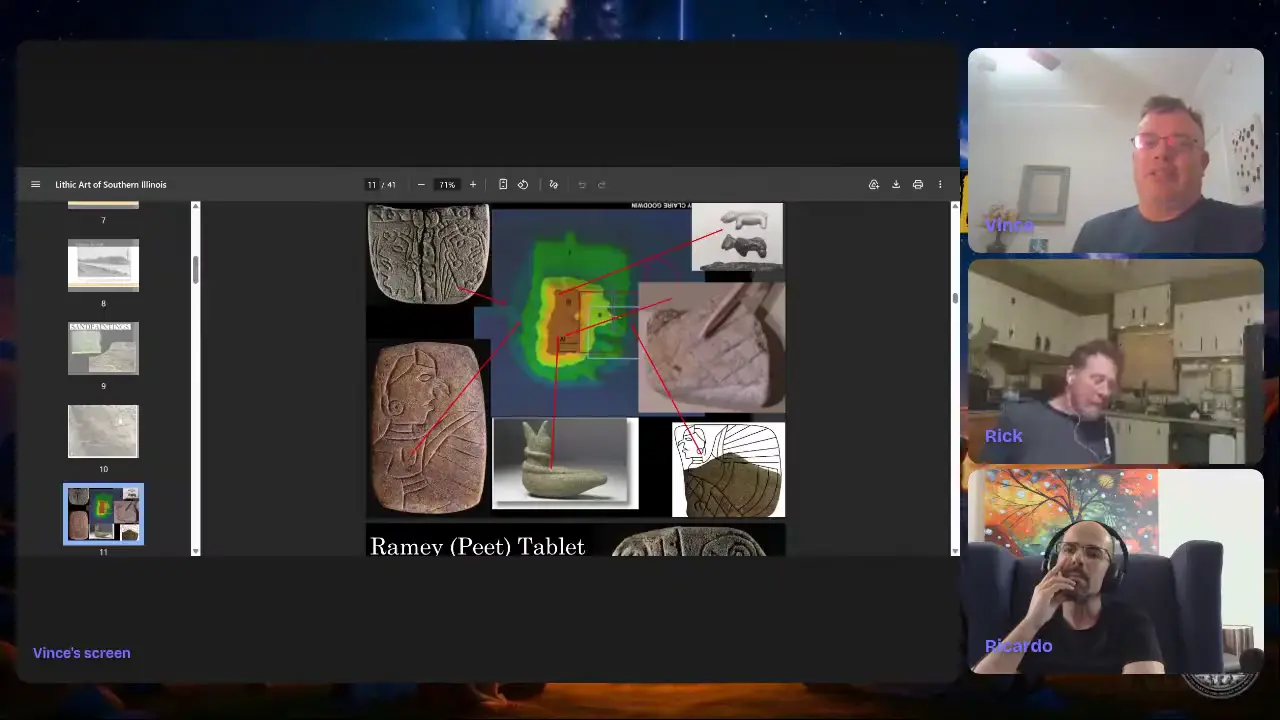
Mound 72 burials: Beaded cloak, possible battle vs sacrifice debate
Mound 72 burials: Beaded cloak, possible battle vs sacrifice debate. Mound 72 contained multiple burials initially assumed to be sacrifices because they were buried together in a…
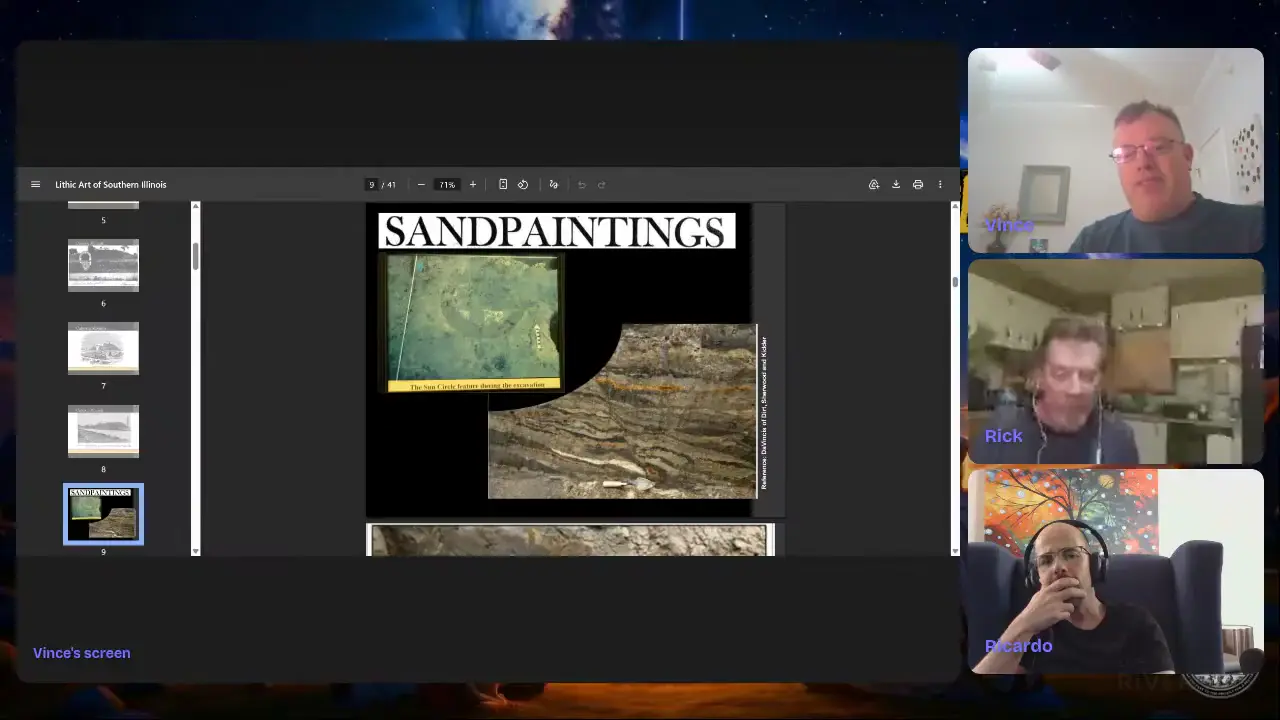
2007 Cahokia excavation reveals colorful layered soil construction
2007 Cahokia excavation reveals colorful layered soil construction. An emergency preservation excavation in 2007 removed approximately 30,000 cubic feet from the side of Monks…

February 2026 video says carve-down pyramid theory fails engineering scrutiny
January 2026 unbuilding theory fails engineering scrutiny. New January 2026 hypothesis proposes builders first constructed an oversized pyramid and carved it down to final shape…
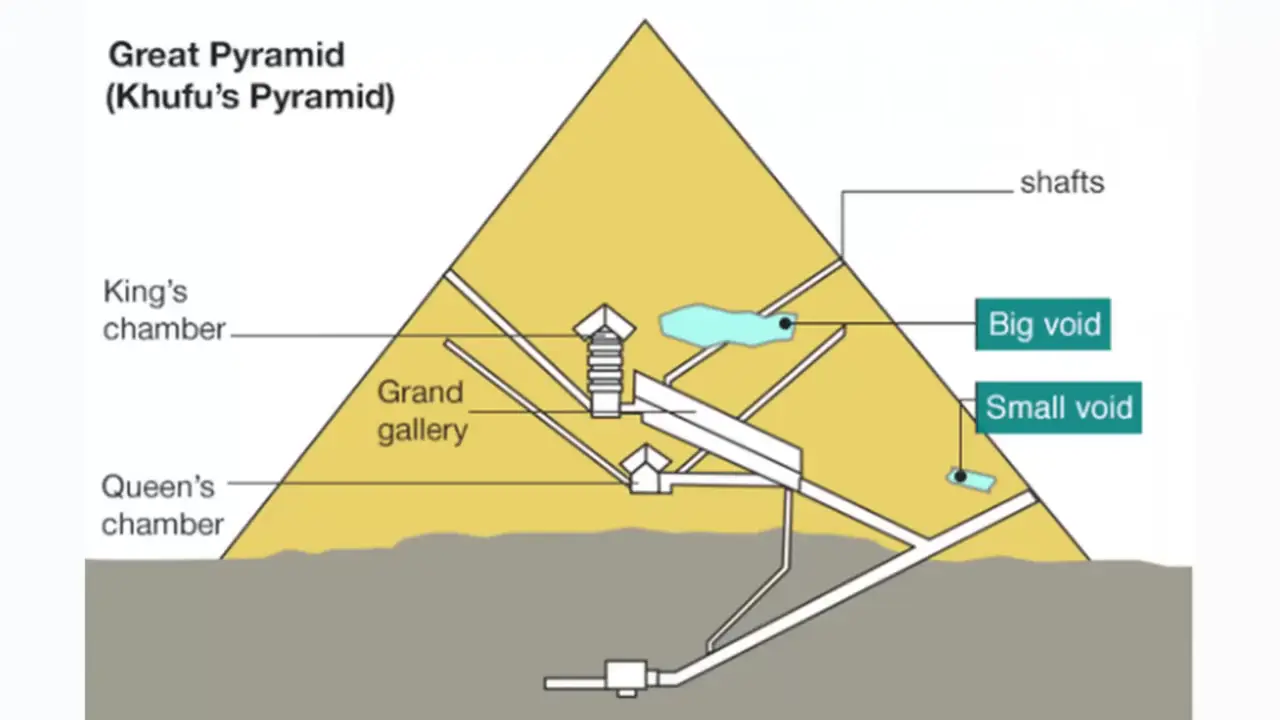
ScanPyramid finds unknown voids but no internal ramp evidence
ScanPyramid finds unknown voids but no internal ramp evidence. ScanPyramid Project used muon tomography to scan the Great Pyramid non-invasively Discovered a previously unknown…
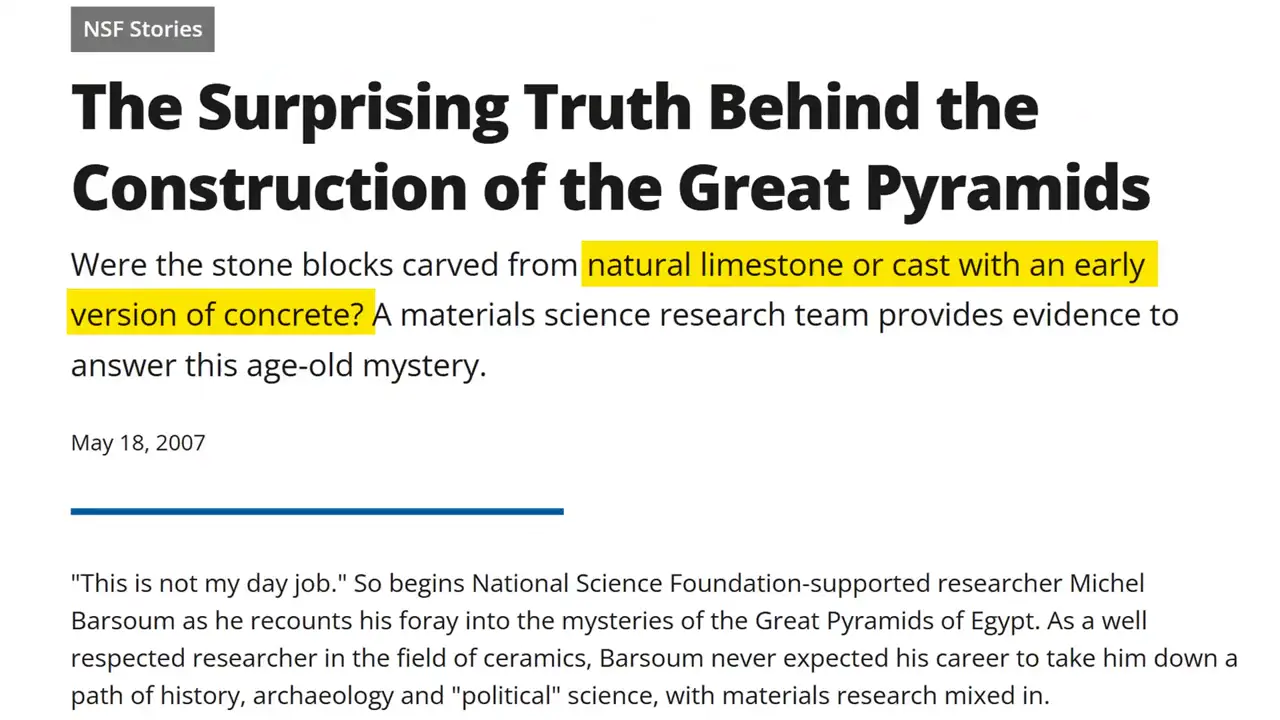
Evidence of ancient mortar does not prove pyramid blocks were cast
Concrete hypothesis proposes pyramid blocks cast in place. Joseph Davidovits proposed in the 1980s that pyramid blocks were cast from limestone-based geopolymer concrete Multiple…

Great Pyramid ramp debate remains unresolved
Ramp theories fail to explain upper pyramid construction. No evidence of ramps has ever been found on the Giza Plateau despite decades of excavation External spiral ramps create…

Aesir etymology: gods of the great pole or Asia
Aesir etymology: gods of the great pole or Asia. The Old Norse word 'Áss' (plural 'Aesir') has two homograph meanings documented in G. T. Zoega's 1910 'Concise Dictionary of Old…

Karnak Temple: About 2,000 Years of Construction, 2000 BC to Ptolemaic Times
Karnak Temple: 3,000 Years of Construction from 2,000 BC Through Ptolemaic Period. Complex took almost 3,000 years to evolve, starting around 2,000 BC through the Ptolemaic period…
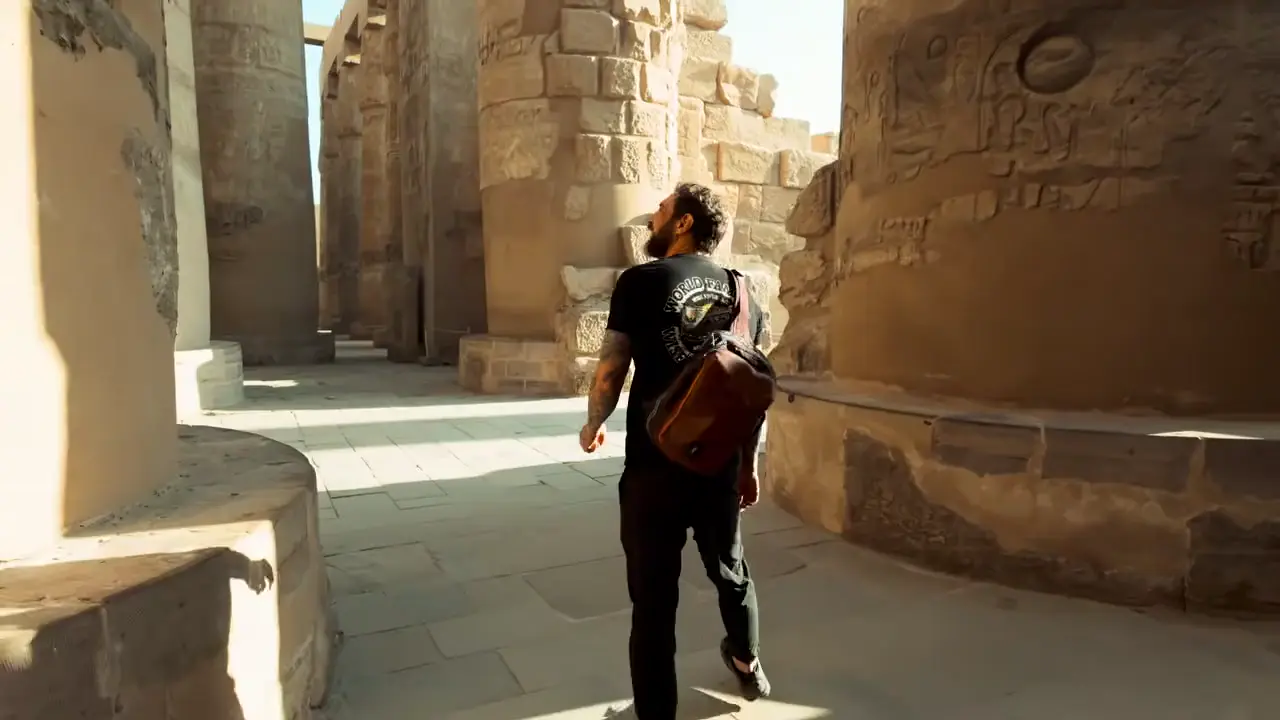
Karnak Temple Called 'Place of Kings and Giants' by Medieval Arabs
Karnak Temple Called 'Place of Kings and Giants' by Medieval Arabs. Medieval Arab scholars called Karnak 'Korn' meaning 'place of kings and giants' 16th and 17th century European…

Luxor Temple Built Around 1,400 BC, Expanded by Tutankhamun, Ramesses II, and Alexander
Luxor Temple Built Around 1,400 BC, Expanded by Tutankhamun, Ramesses II, and Alexander. Luxor Temple was built around 1,400 BC during the reign of Amenhotep III in honor of Amun,…
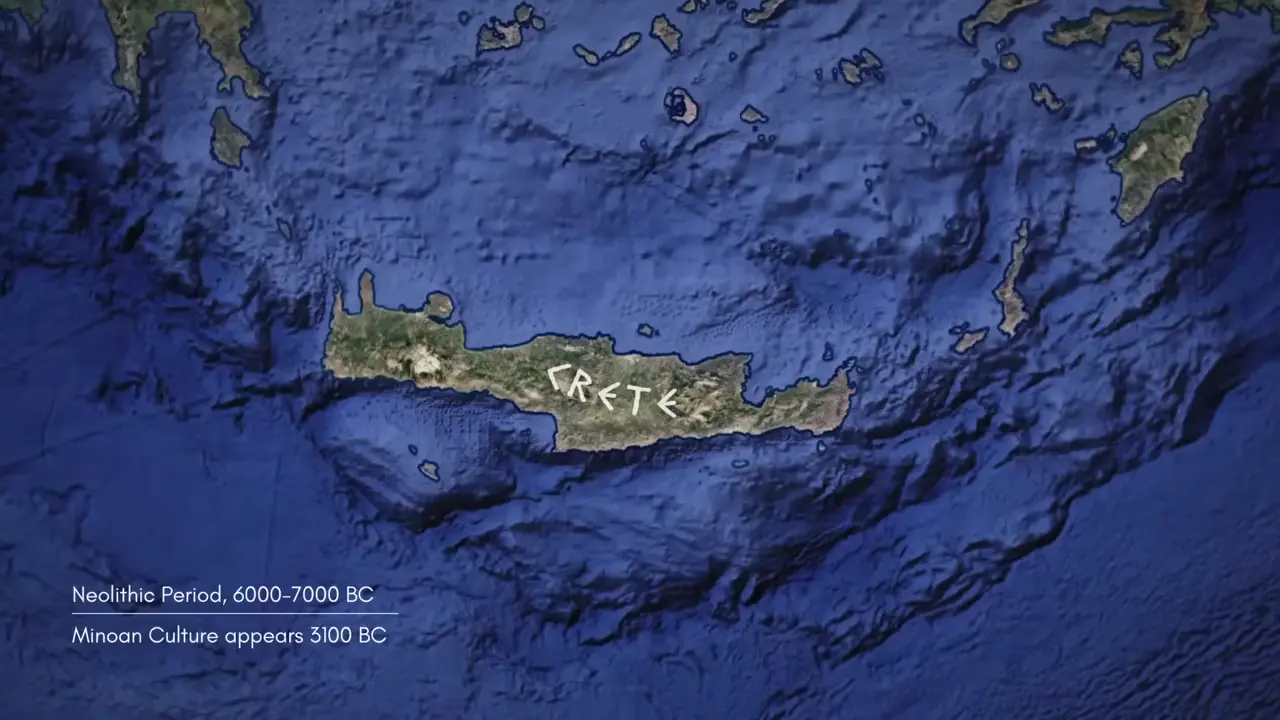
Minoan civilization named after King Minos emerged on Crete (Greece) around 3100 BC
Minoan civilization named after King Minos emerged on Crete (Greece) around 3100 BC. Sir Arthur Evans discovered and excavated Knossos palace on Crete (Greece) and named the…
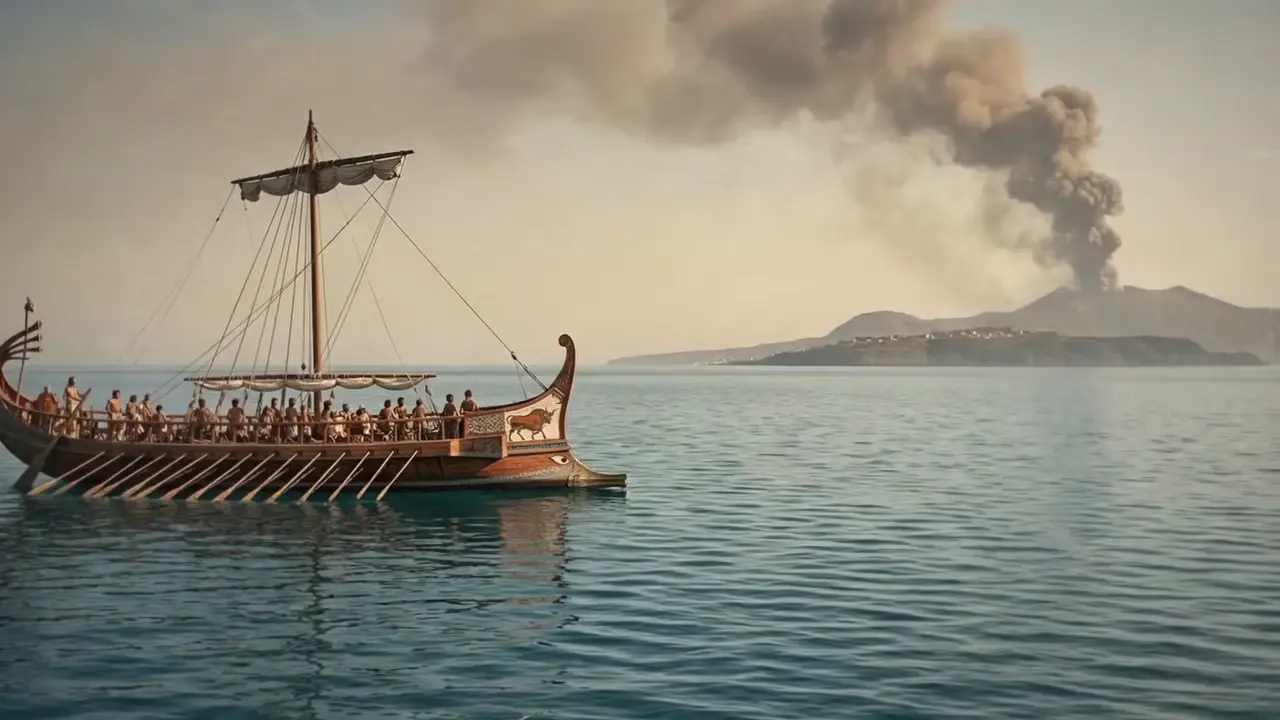
Video: Akrotiri appears to have been evacuated before the 1600–1500 BC Minoan eruption
Akrotiri residents successfully evacuated before massive volcanic eruption around 1550 BC. Series of major earthquakes struck Thera around 1550 BC (mid-16th century), with seismic…
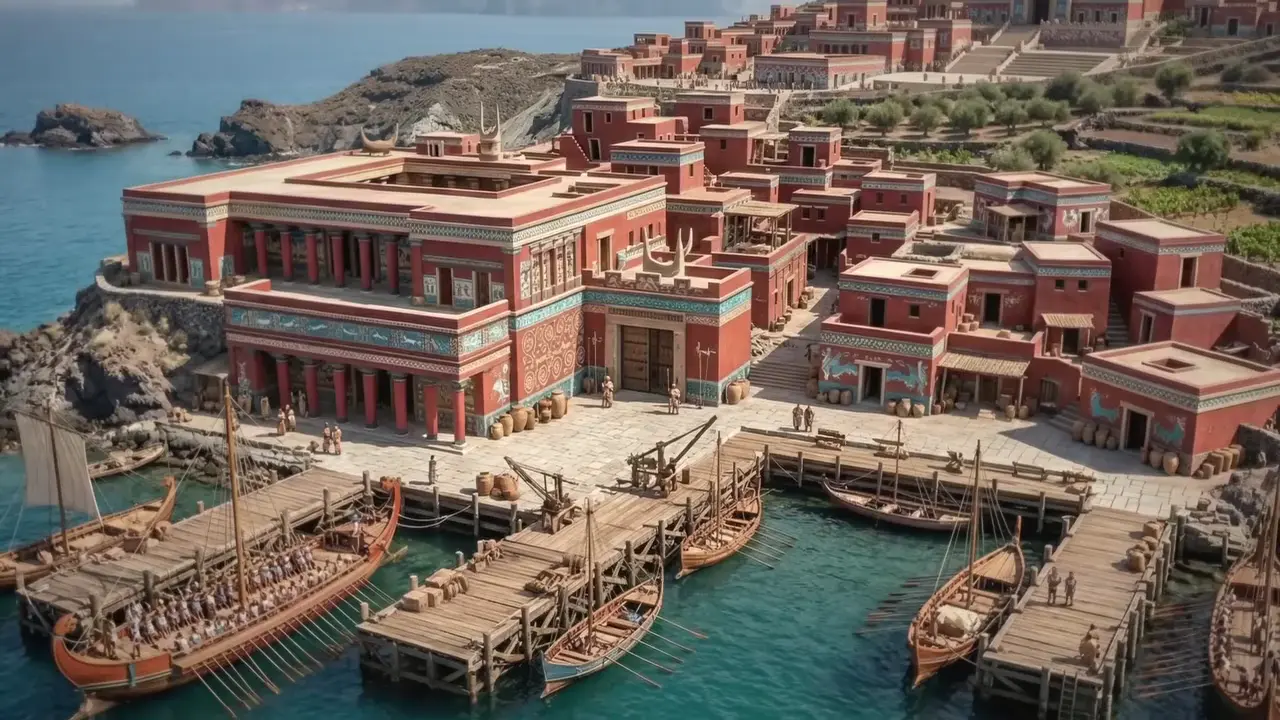
Akrotiri was an important Aegean copper-trade center by 1700 BC
Akrotiri became eastern Mediterranean's copper trade center by 1700 BC. Akrotiri played a major role in copper trade between 2500-2000 BC, distributing copper to Cyprus, mainland…

Akrotiri finds date to 1866; systematic excavations began in 1967
Akrotiri discovered in 1960s excavations on Santorini after 1866 volcanic material quarrying. In 1866, quarry workers stripping volcanic material for the Suez Canal found man-made…
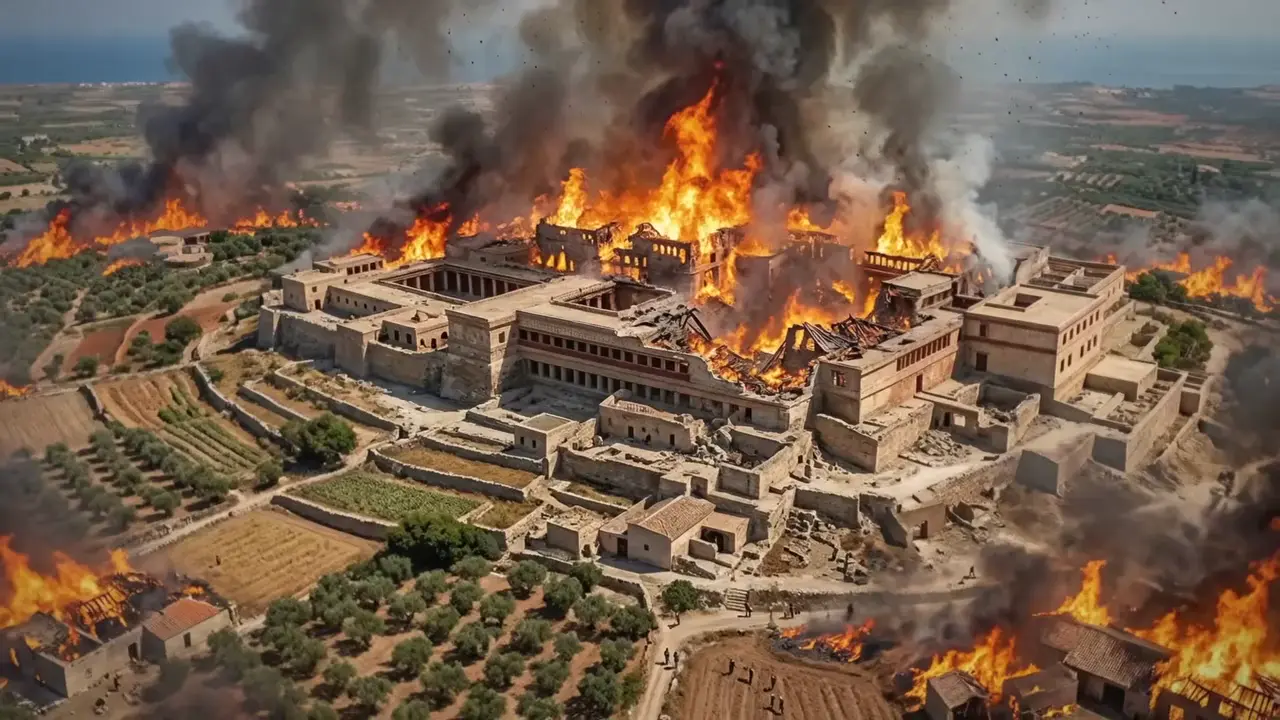
Most Minoan palaces fell around 1450 BC, roughly 150 years after Thera
Minoan palaces on Crete burned around 1450 BC, 150 years after the eruption. Every major Minoan palace on Crete was burned at the same time, a mystery for decades New research…
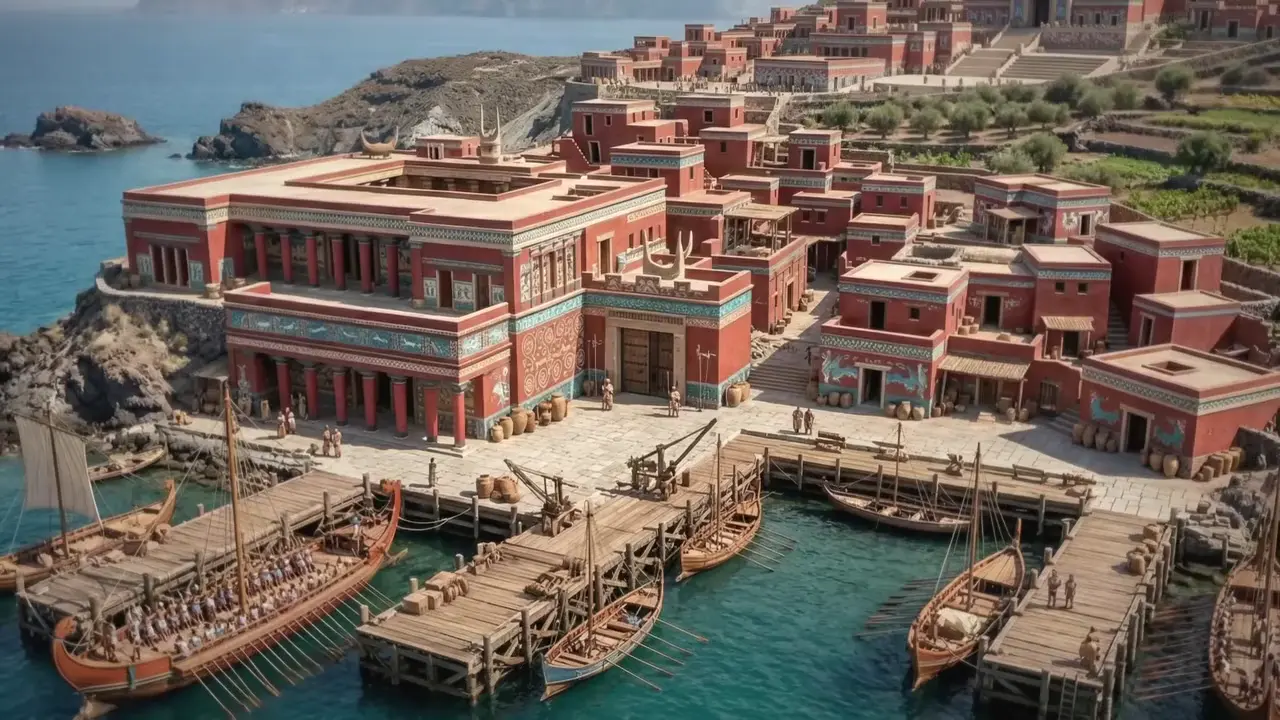
Video argues Akrotiri had hot and cold running water before 1600 BC
Akrotiri had world's first hot and cold running water in 1700 BC. Akrotiri had paved streets, private bathtubs, public fresh water access, indoor toilets, and centralized drainage…
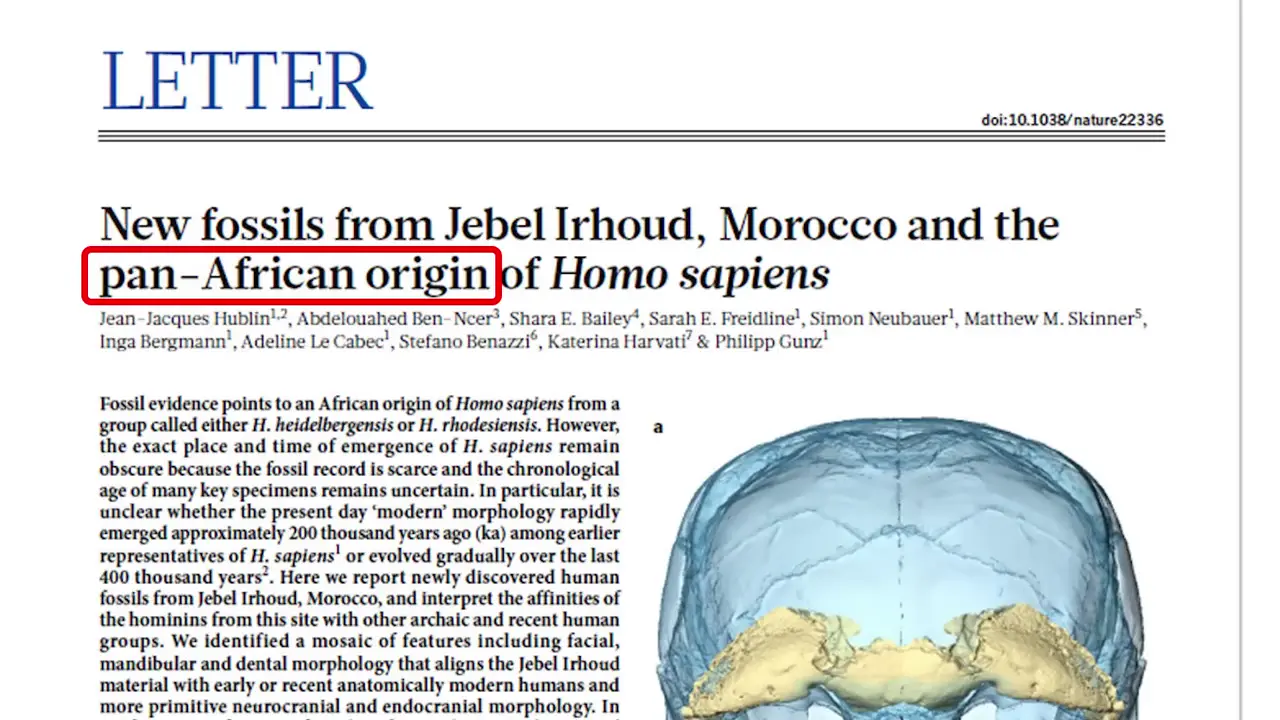
Early ape evolution research biased toward East Africa due to fossil sampling
Early ape evolution research biased toward East Africa due to fossil sampling. For decades, early ape evolution research has been anchored in East Africa due to the richest fossil…
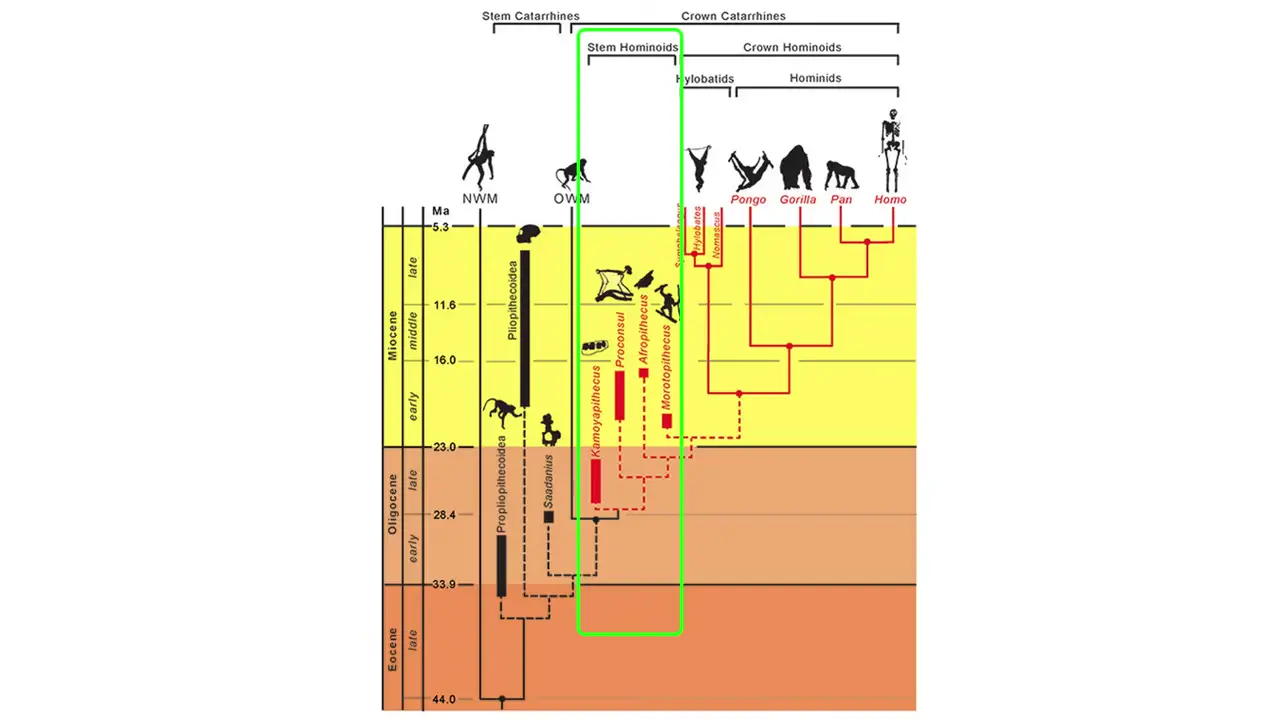
17–18-million-year-old Egyptian ape challenges an East African origin for crown apes
18-million-year-old ape fossil from Egypt challenges East African origins of apes. Mosropythecus (Afkinsharythecus alashari) is an 18 million year old Early Miocene ape fossil…
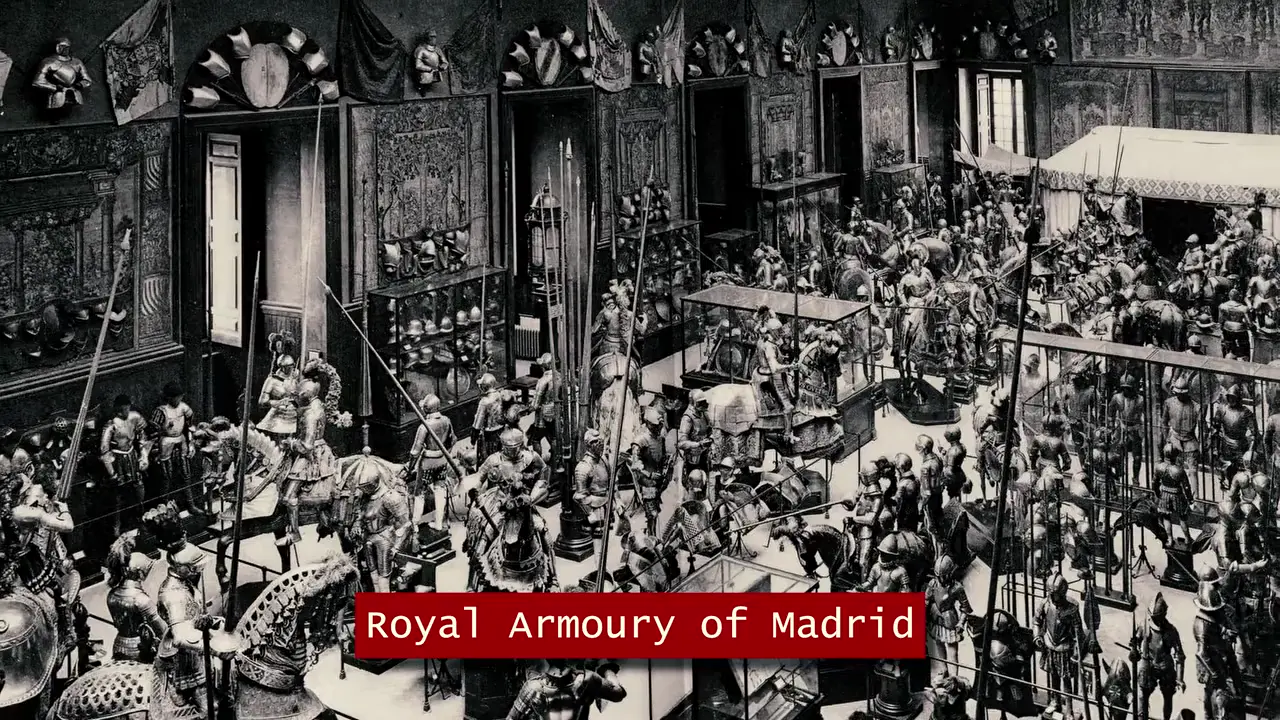
Aztec macuahuitl lost in 1884 Madrid armory fire
Aztec macuahuitl lost in 1884 Madrid armory fire. The macuahuitl was stored in the Royal Armory in Madrid, inside a stone building from Philip II's reign Renovators covered the…
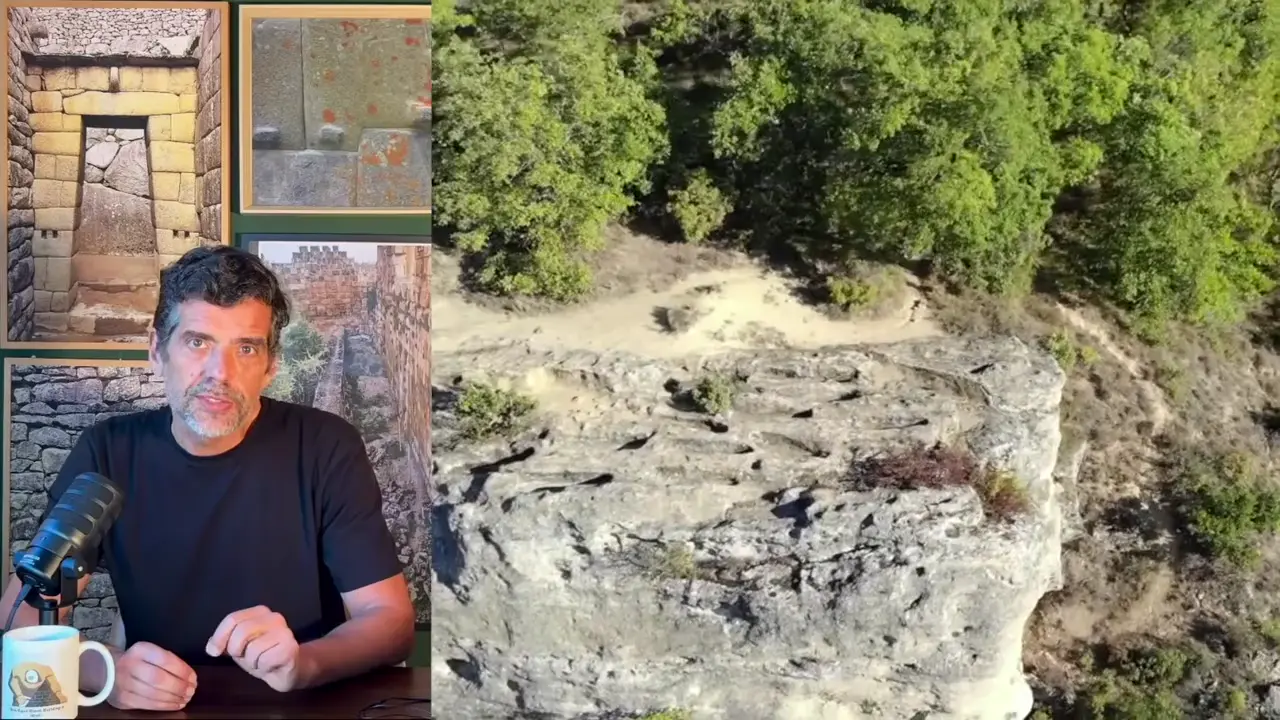
Presenter links some rock-cut graves to controlled excarnation
Excarnation theory proposes rock-cut graves were for controlled pre-ossuary decomposition. Excarnation (reburial) was a Bronze Age and Neolithic death ritual popular in areas with…
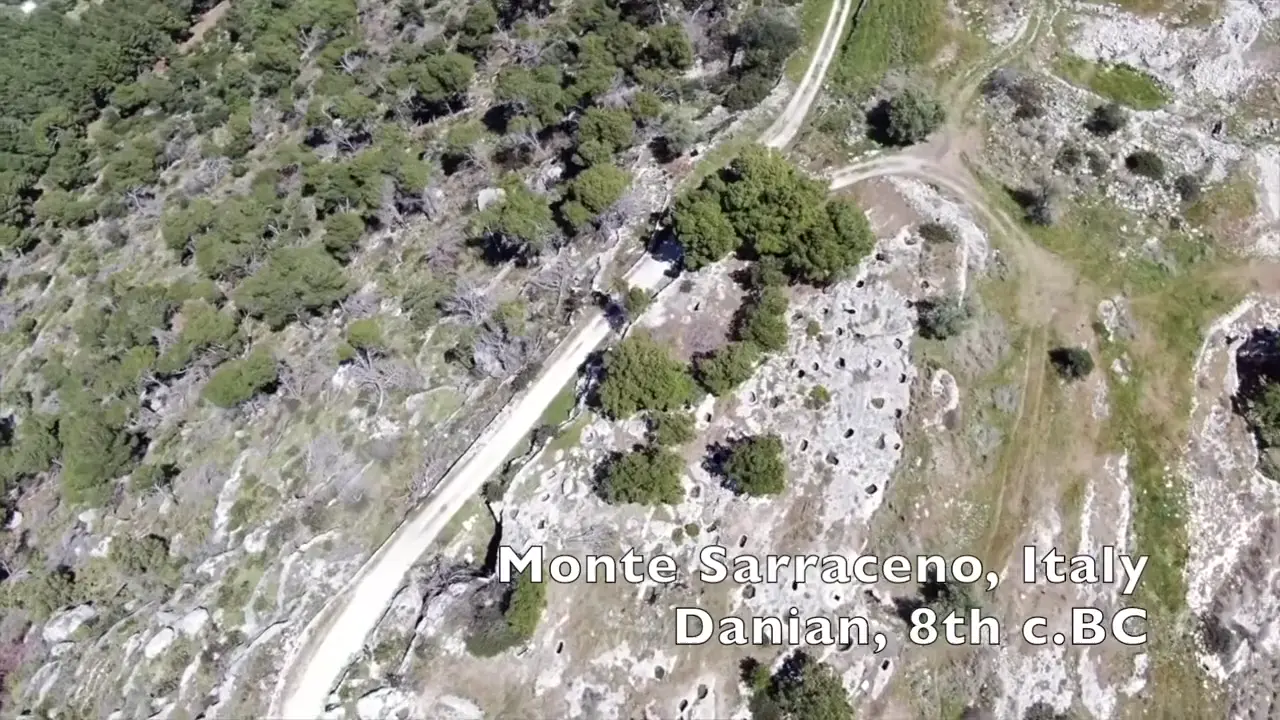
Rock-cut graves across Europe span 13th century BC to 10th century AD
Rock-cut graves across Europe span 20th century BC to 11th century AD. Necropole Monte Sarraceno, Italy - Daunians, 8th century BC Cava Dispica, Sicily - as early as 20th century…
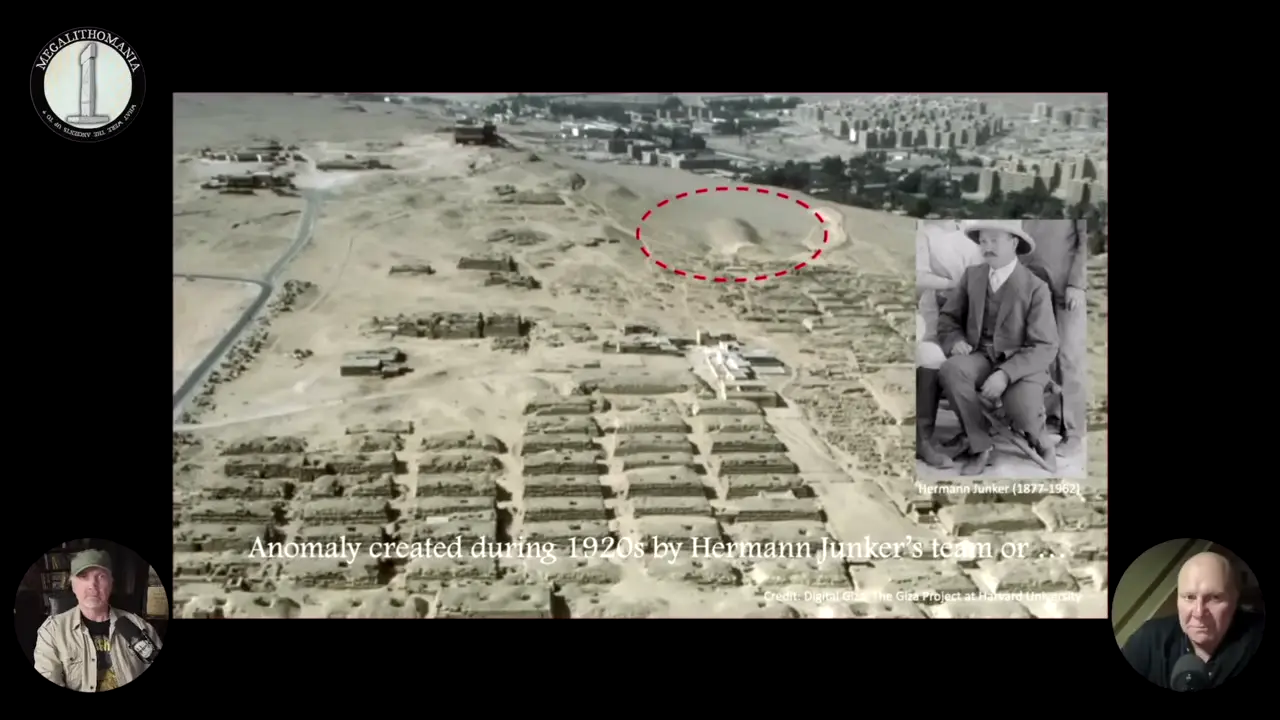
Retracted Giza SAR study did not establish a second Sphinx
SAR scans reveal potential second Sphinx structure under mound at Giza Plateau. Preliminary satellite-based SAR scans detected a massive structure concealed beneath a 180ft-high…

Hunter-gatherers in Belgium/Netherlands survived until 2500 BCE, women transmitted farming knowledge
Hunter-gatherers in Belgium/Netherlands survived until 2500 BCE, women transmitted farming knowledge. University of Huddersfield study led by Dr. David Reich (Harvard) published…
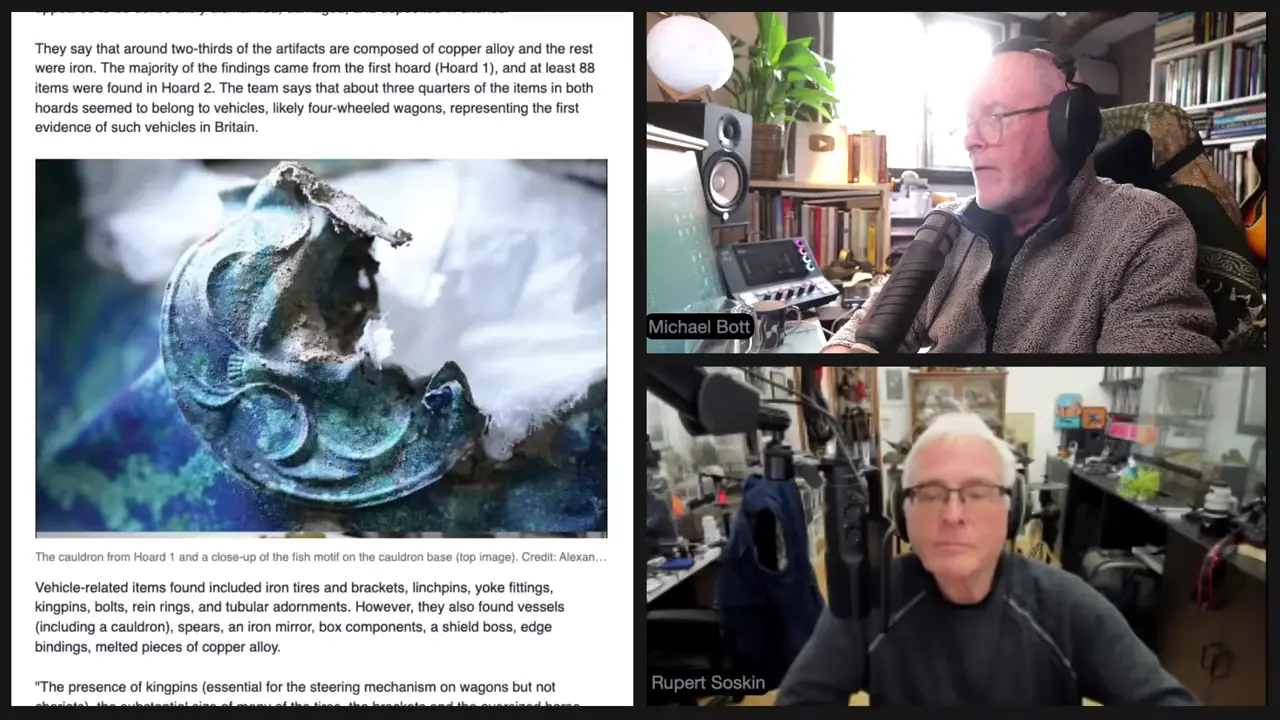
Melsonby hoard reveals first clear evidence of four-wheeled wagons in Iron Age Britain
Iron Age hoards in Yorkshire reveal first evidence of four-wheeled wagons in Britain. Peter Heds discovered hoards with metal detector in Melenby, North Yorkshire in 2021 Over 950…

Ancient dog DNA in Anatolia dates to 15,800 years ago
Ancient dog DNA reveals domestication 15,800 years ago in Anatolia. Researchers identified dog remains in Anatolia dating back 15,800 years through ancient DNA analysis Dog…

13,500-year-old human settlement in Saudi Arabia linked to Natufian culture
13,500-year-old human settlement in Saudi Arabia linked to Nufian culture. Sa Sahut archaeological site located on southern edge of Nefood Desert between Anan and Al-Nisma…

6,000-year-old Somerset trackway is roughly contemporary with Sweet Track
Neolithic trackway discovered in Somerset is 1,000 years older than Sweet Track. 6,000-year-old trackway discovered at Honeygar Farm in Somerset Levels and Moors Uncovered by…
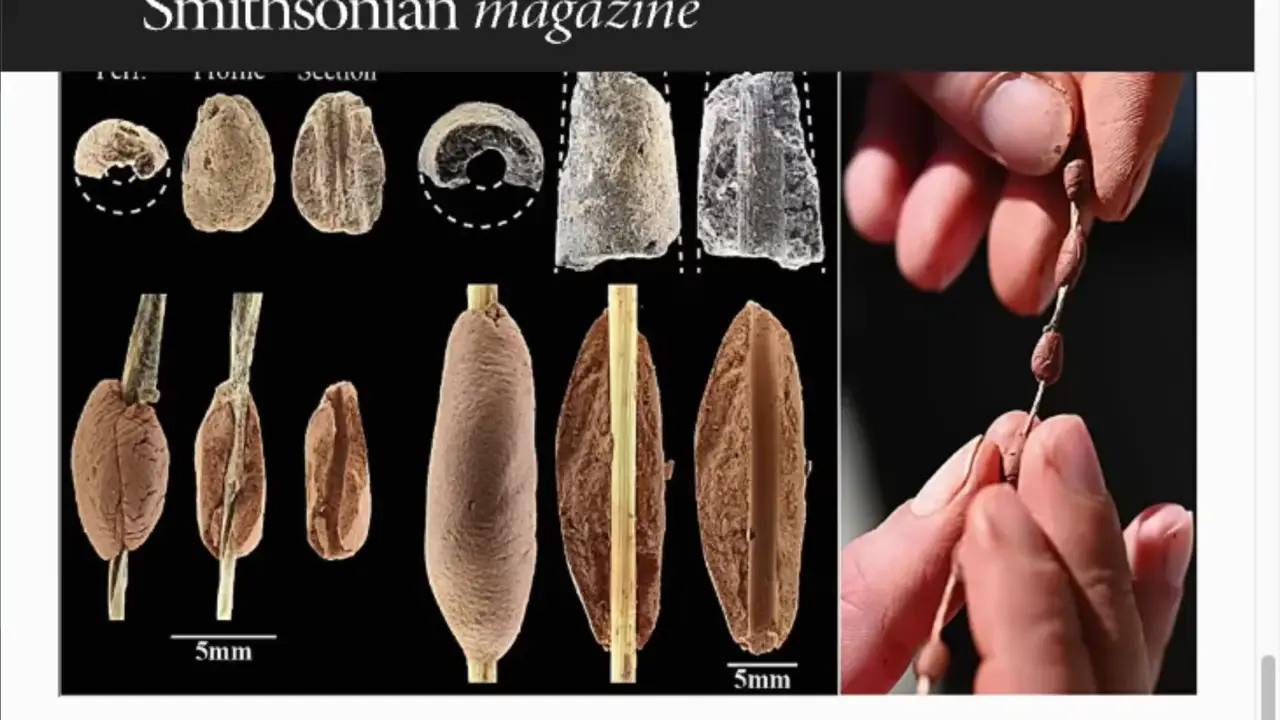
Children's fingerprints found on Natufian clay beads dating to 15,000 years ago
Children's fingerprints identified on 15,000-year-old clay beads in Israel. 142 clay ornaments found at four Nufian sites: Elwad, Nahal Oren, Hayanim, and Anan Malaha Study…

10,000-year-old Şıkâri settlement in southeastern Türkiye predates farming
10,000-year-old settlement in southeastern Turkey challenges origins of sedentary life. Site Shikari (BALL-1077) discovered in limestone foothills of Tur Abdin in Mardin province,…

Python Cave: 70,000-Year-Old Artifacts and a Claimed Snake Ritual
Python Cave Discovery: 70,000-Year-Old Snake Rock and Ritual Artifacts. Sheila Coulson of the University of Oslo led excavations at Python Cave in Tsodilo Hills, Botswana A…
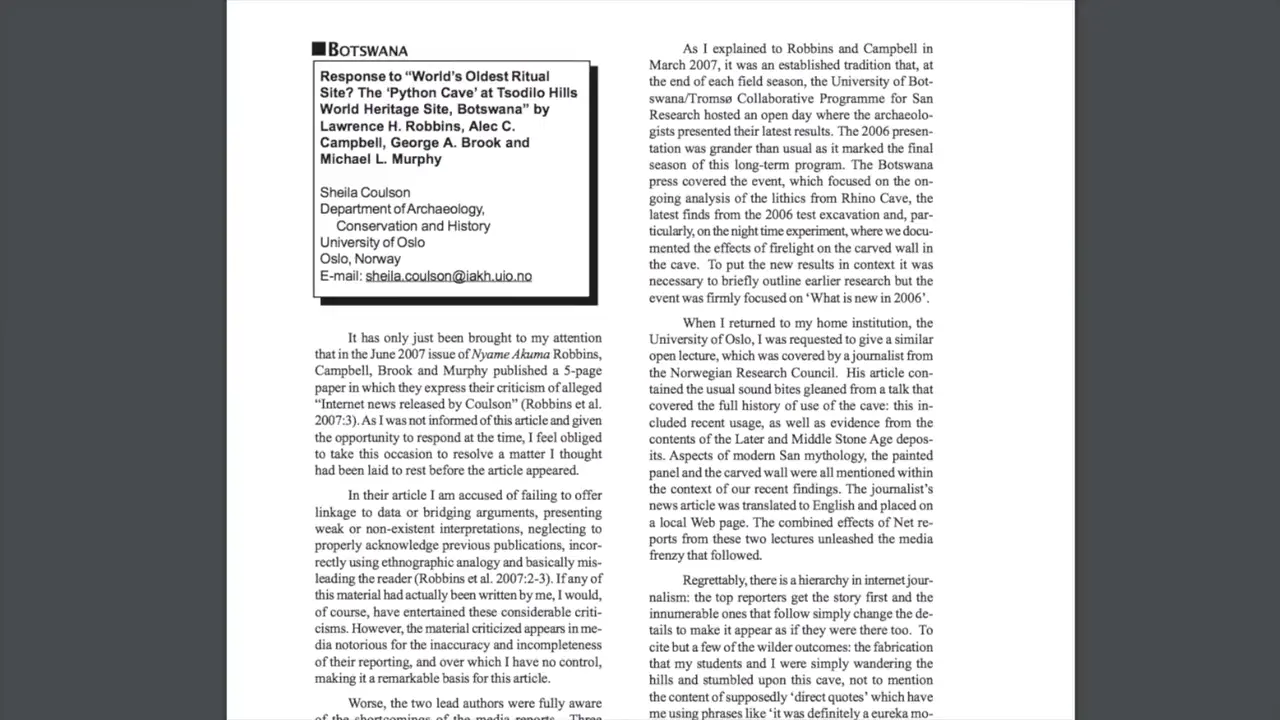
Revised Interpretation: Middle Stone Age Occupation Without Definitive Dating
Revised Interpretation: Middle Stone Age Occupation Without Definitive Dating. Coulson clarified that 2006 media stories were misleading journalism, not from her papers In 2011,…
Keep exploring
Every site on this page sits on the globe, and the people who research them are on the Discord.
3D Globe · Sites by country · Story Archive · Research Library · Weekly Journal · Search