

Karnak was known as Ipet-Isut ('Chosen of Places') to the ancient Egyptians. The modern name derives from Arabic 'Karnak,' meaning 'fortified village,' after the nearby village. Unlike many ancient sites, locals always knew where the ruins were. During antiquity, parts were dismantled and used as building material throughout the Nile Valley. Earthquakes and other natural phenomena toppled columns into the dirt. 16th and 17th century European travelers marveled at its scale.
Karnak Temple Called 'Place of Kings and Giants' by Medieval Arabs
 EgyptGeneral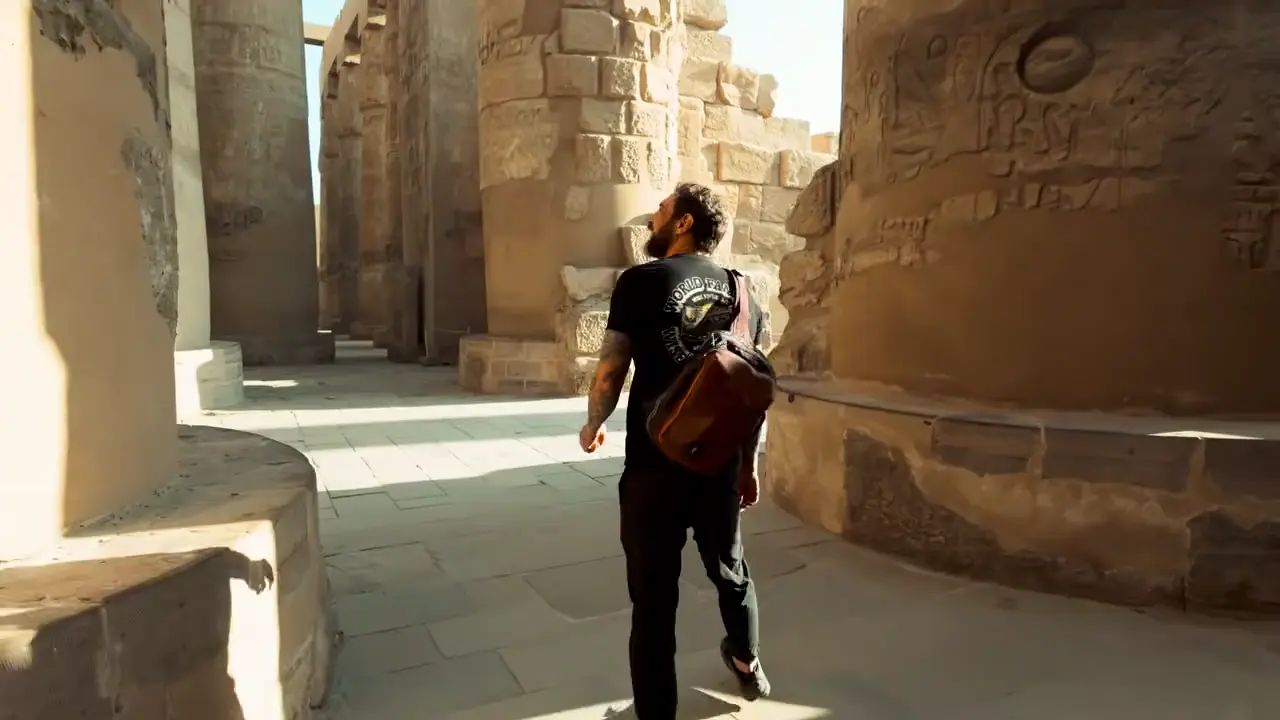
Site mentioned
Key facts
- Medieval Arab scholars called Karnak 'Korn' meaning 'place of kings and giants'
- 16th and 17th century European travelers called it the largest ruin structure ever witnessed
- Unlike many ancient landmarks, Karnak was never fully lost; locals always knew where the ruins were located
- During antiquity, parts were dismantled and used as building material throughout the Nile Valley
- Earthquakes and other natural phenomena knocked the columns into the dirt
- Rebuilding uses most of the original stone, but much remains missing
Sources
Karnak, Egypt – “The Most Perfect of Places”theindependenttourist.net
It was also the most important place of worship in Egypt from approximately 1500 – 1000 BC. It was called “Ipet-Isut” meaning “The Most Perfect ...
Karnak | Definition, History, Temple, & Mapbritannica.com
Karnak contains the northern group of the Theban city temples, called in ancient times Ipet-Isut, “Chosen of Places.” The ruins cover a ...
Karnak Temple Complexegyptologytravel.com
The modern name comes from the village of El-Karnak. The Egyptians called the complex Ipetisut which means “Most Select of Places.
Karnak | Ancient Egypt Wiki - Fandomancientegypt.fandom.com
The Karnak Temple Complex, commonly known as Karnak (Arabic: خورنق, meaning: "Fortified Village"), comprises a vast mix of decayed temples, pylons, chapels ...
Karnakworldhistory.org
Karnak is the modern-day name for the ancient site of the Temple of Amun at Thebes, Egypt. The Egyptians called the site Nesut-Towi, Throne of the Two Lands.
Was this story useful?
Keep exploring
Every site on this page sits on the globe, and the people who research them are on the Discord.
3D Globe · Sites by country · Story Archive · Research Library · Weekly Journal · Search
AI-generated text · images from the original sources · always verify with the sources.