

Story Archive

New artifacts from 1872 opening of Daisen kofun identified after loss
New artifacts from 1872 opening of Daisen kofun identified after loss. Japan has over 160,000 kofun tombs; 740-790 are imperial tombs, none of which have been fully excavated…

November 2025 study models generational droughts behind Harappan collapse
November 2025 study models generational droughts behind Harappan collapse. A study published in November 2025 combined lake sediments, cave deposits, and computer simulations to…
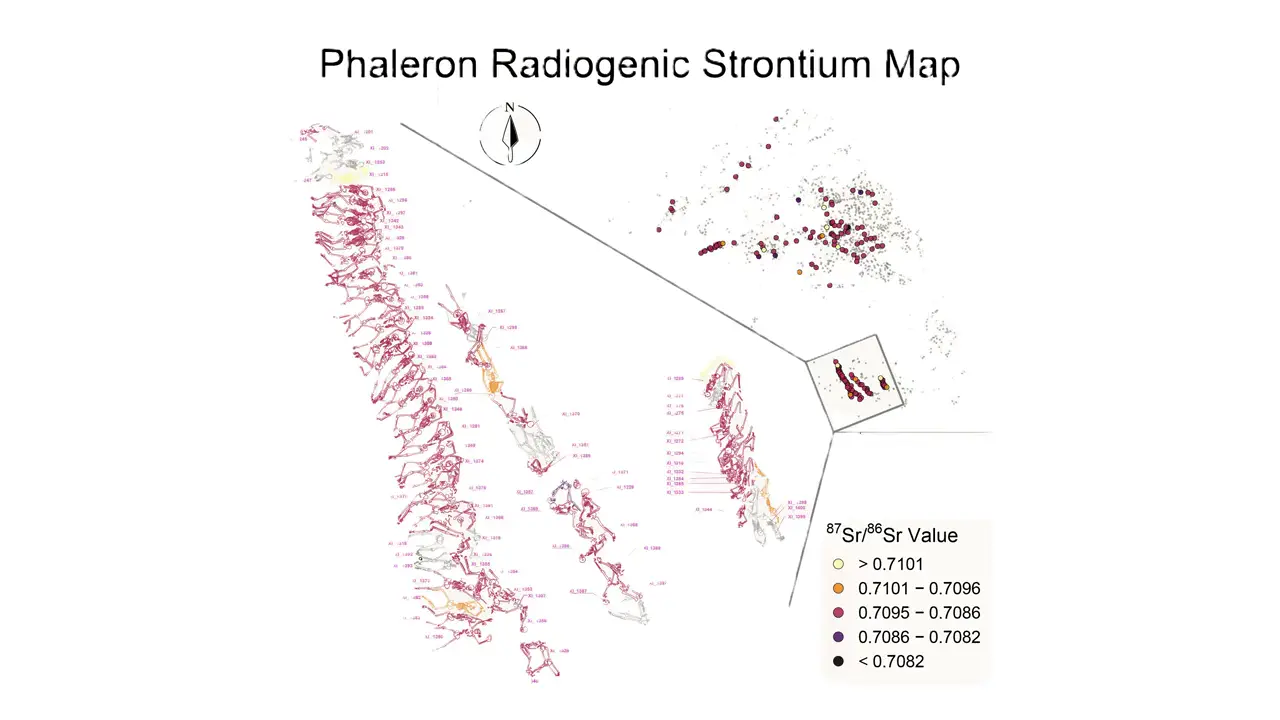
Strontium isotope study reveals shackled Phaleron men were locals
Strontium isotope study reveals shackled Phaleron men were locals. In 2016, archaeologists uncovered 79 shackled men buried in three rows at an ancient cemetery beside Phaleron…
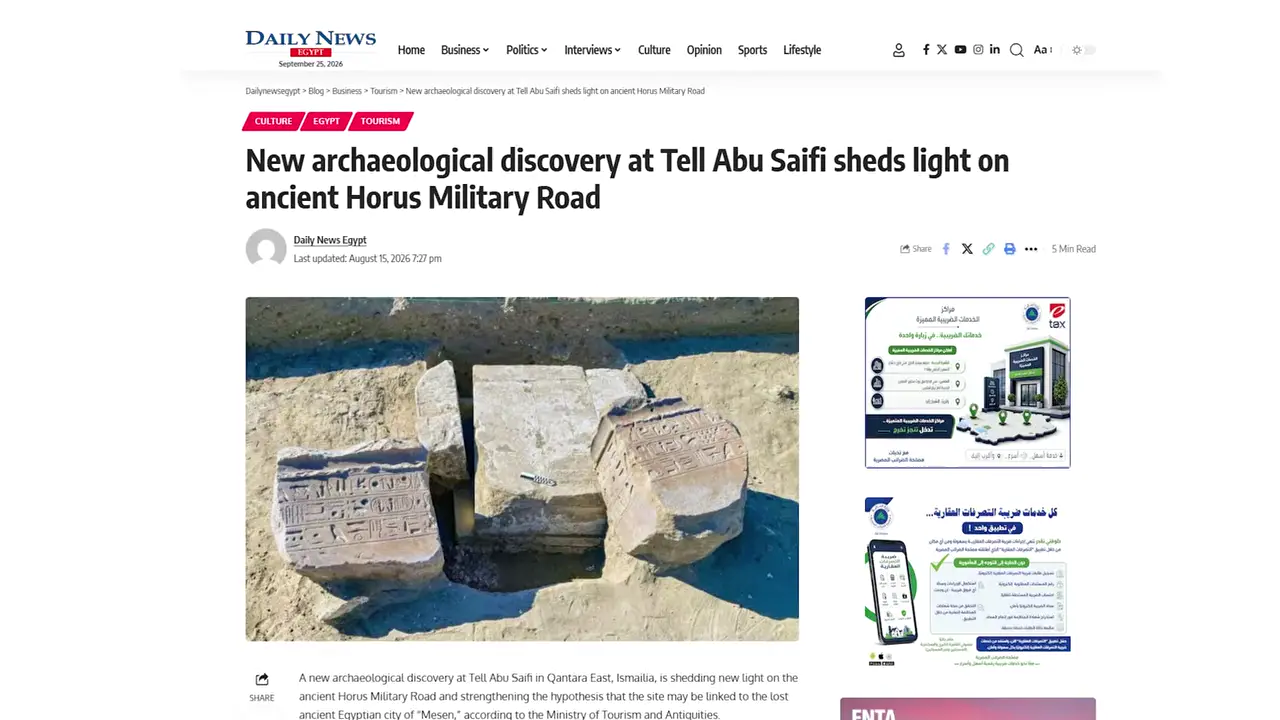
New Ramesses II lintel inscription supports Sile Tell Abu Sayfi as Mesen
New Ramesses II lintel inscription supports Sile Tell Abu Sayfi as Mesen. Sile Tell Abu Sayfi, near Qantara East in northern Sinai, lies along the Ways of Horus and had previously…

Apidima Cave skulls fuel debate over early Homo sapiens in Europe over 210,000 years ago
Apidima Cave skulls fuel debate over early Homo sapiens in Europe over 210,000 years ago. Apidima Cave is on the Mani Peninsula at the southern tip of the Peloponnese In the late…

Aegean island sites reveal human presence during ice age land bridges up to 476,000 years ago
Aegean island sites reveal human presence during ice age land bridges up to 476,000 years ago. On Naxos at a twin-peaked hill called Stynthys with a thick chert seam, Tristan…
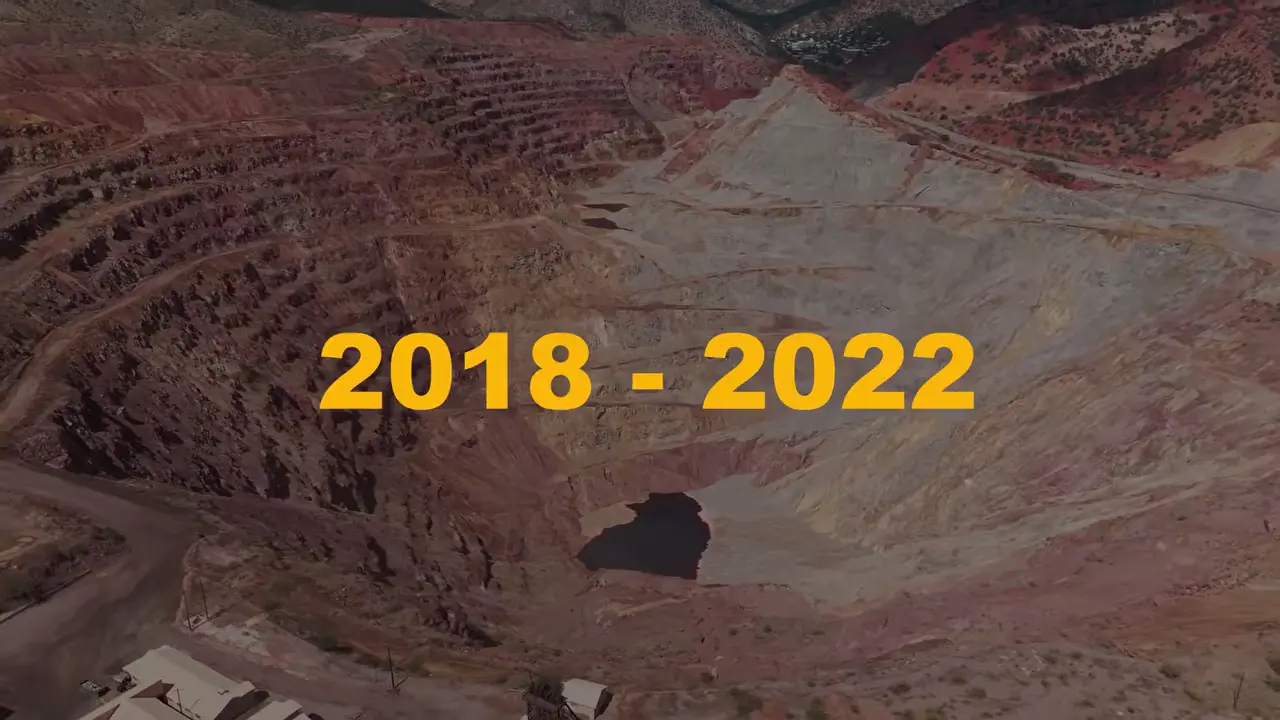
Megalopolis coal mine yields five Paleolithic sites including 700,000-year-old tools and world's oldest wooden tools
Megalopolis coal mine yields five Paleolithic sites including 700,000-year-old tools and world's oldest wooden tools. Opencast lignite mine operated by Greece's Public Power…
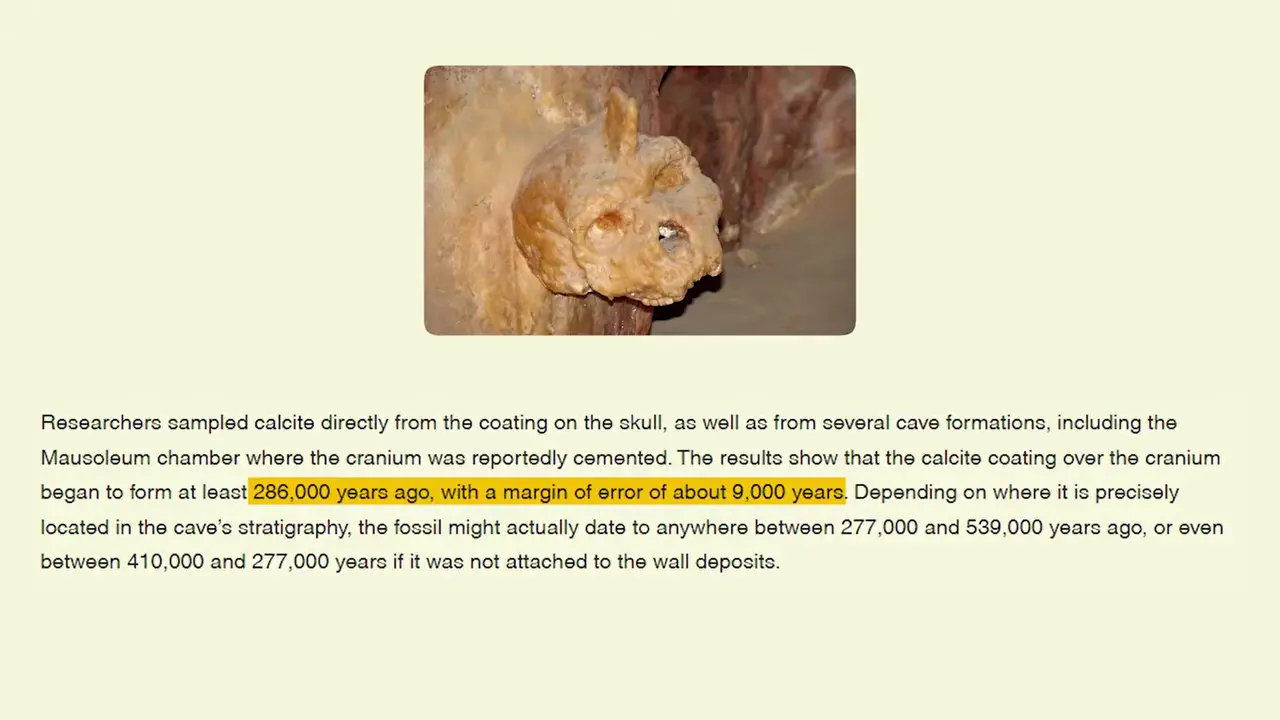
New uranium-series dating places Petralona skull at approximately 300,000 years
New uranium-series dating places Petralona skull at approximately 300,000 years. Skull found at Petralona cave (Chalkidike), Khalkidiki Peninsula, northern Greece, about an hour…
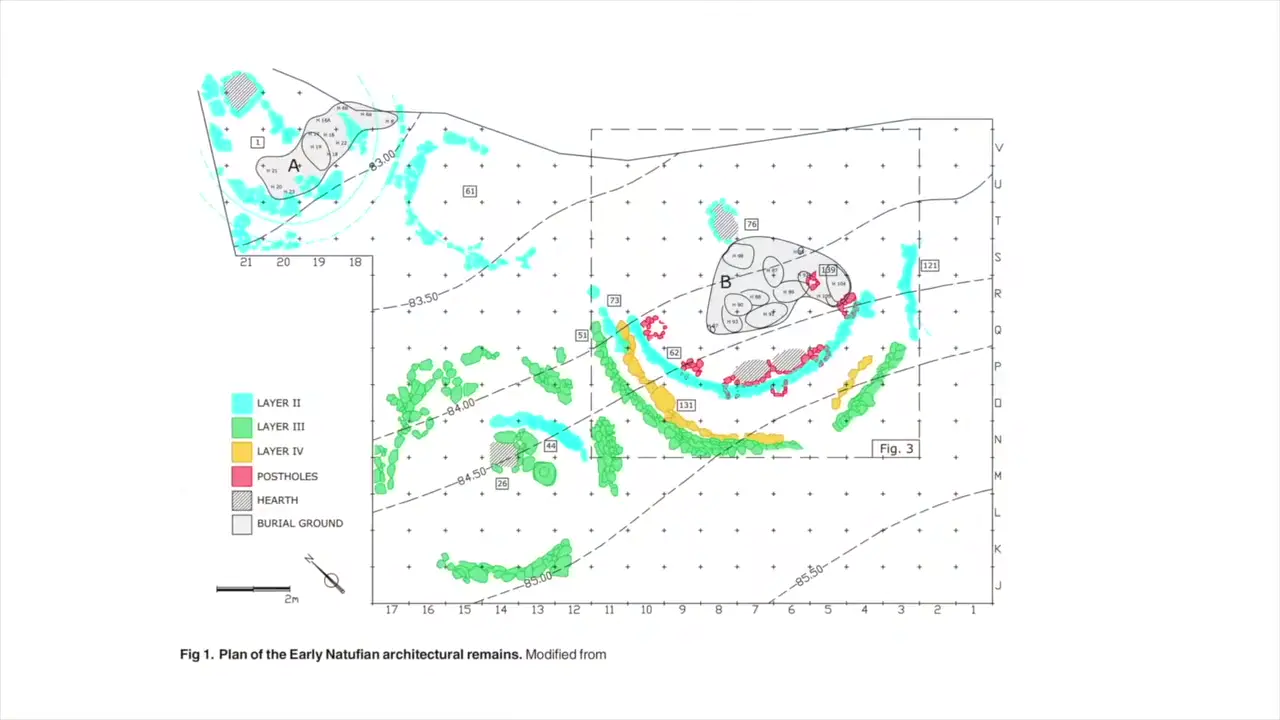
Natufian settlement architecture and construction at Ain Mallaha/Eynan
Natufian settlement architecture and construction at Ain Mallaha/Eynan. Ain Mallaha (also known as Eynan) is located in Upper Galilee on the shores of Lake Hula, Israel…
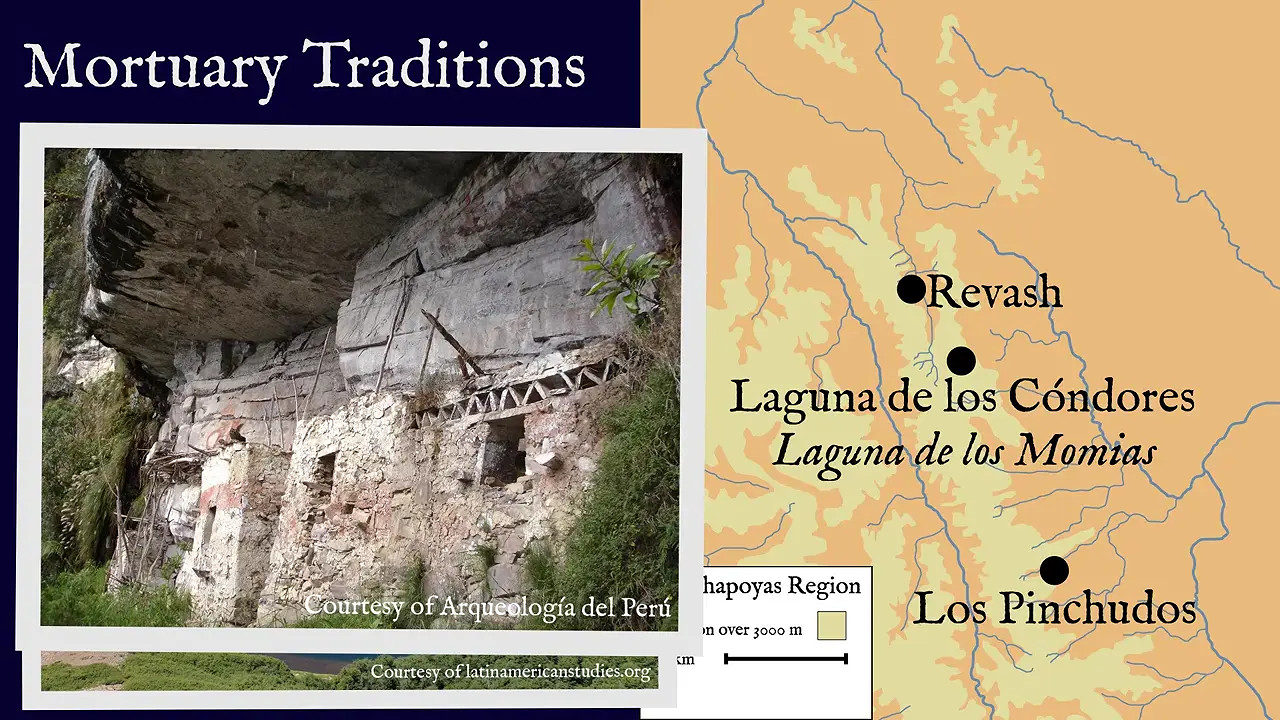
Chachapoya mortuary traditions: sarcophagi, mausoleums, and 200+ mummies
Chachapoya mortuary traditions: sarcophagi, mausoleums, and 200+ mummies. Mortuary traditions fall into four types: house burials, cave burials, purunmachus (sarcophagi), and…
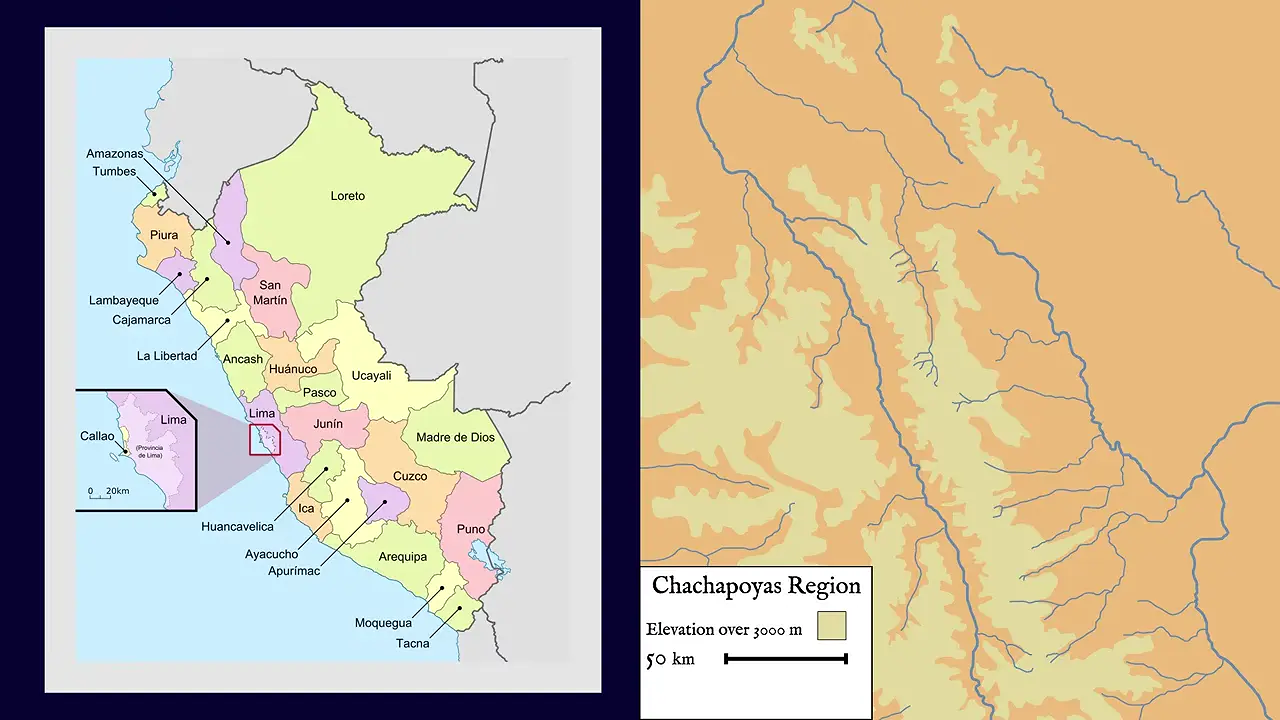
Geography of Chachapoya: cloud forests between Andes and Amazon
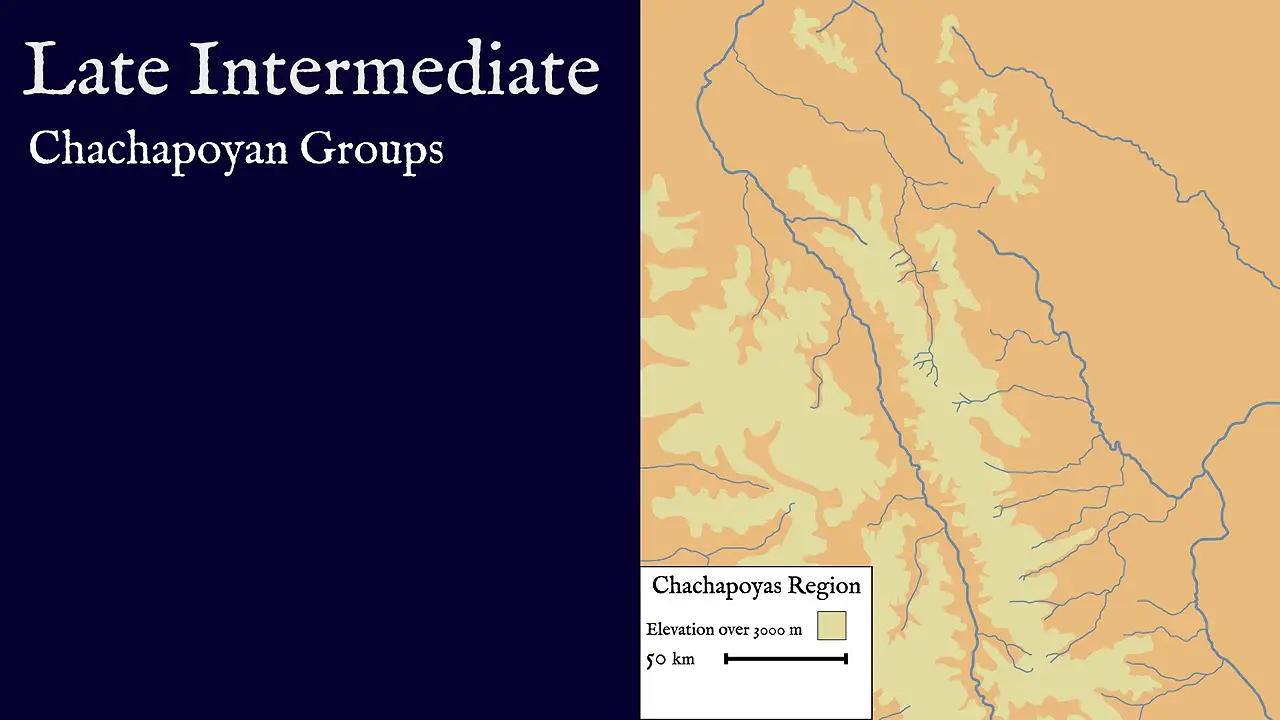
Geography of Chachapoya: cloud forests between Andes and Amazon. Region is located in the Ceja de la Selva (eyebrow of the jungle) on the eastern Andean slopes Ecological zone…
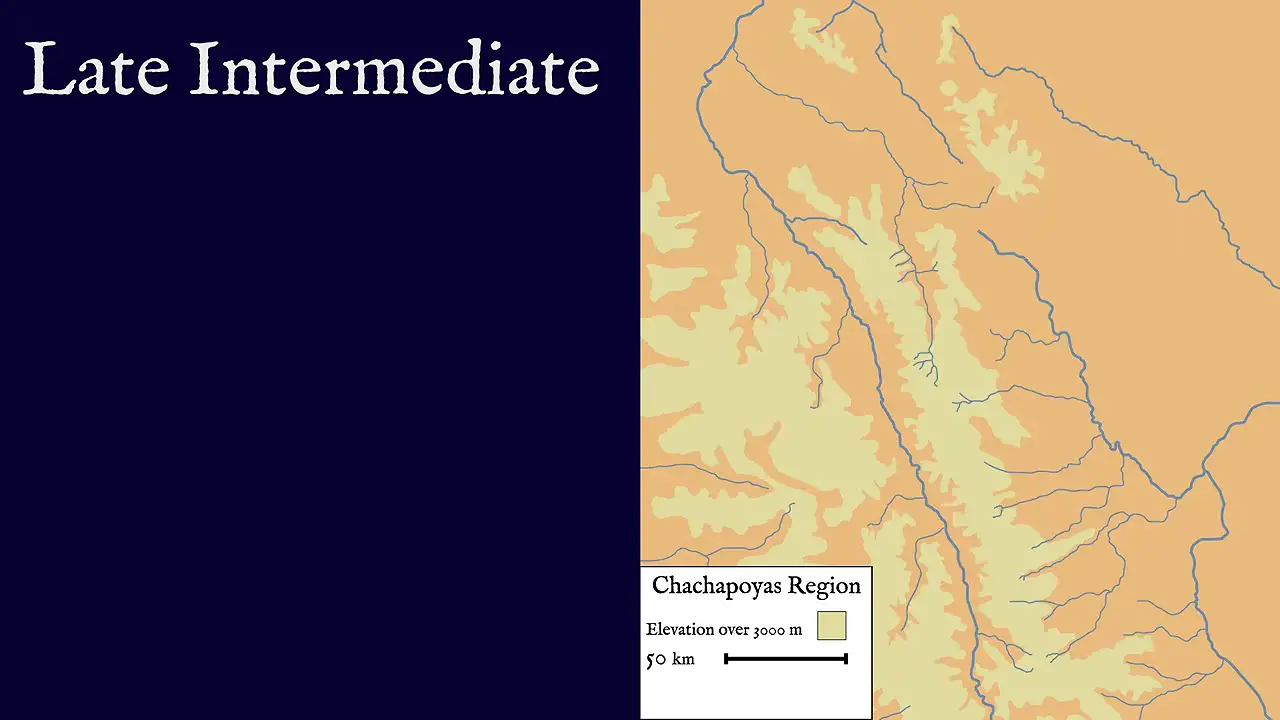
Late Intermediate Period settlements: stone houses and innovative earth terraces
Late Intermediate Period settlements: stone houses and innovative earth terraces. Populations shifted upward to elevations around 3,000m above sea level during the Late…
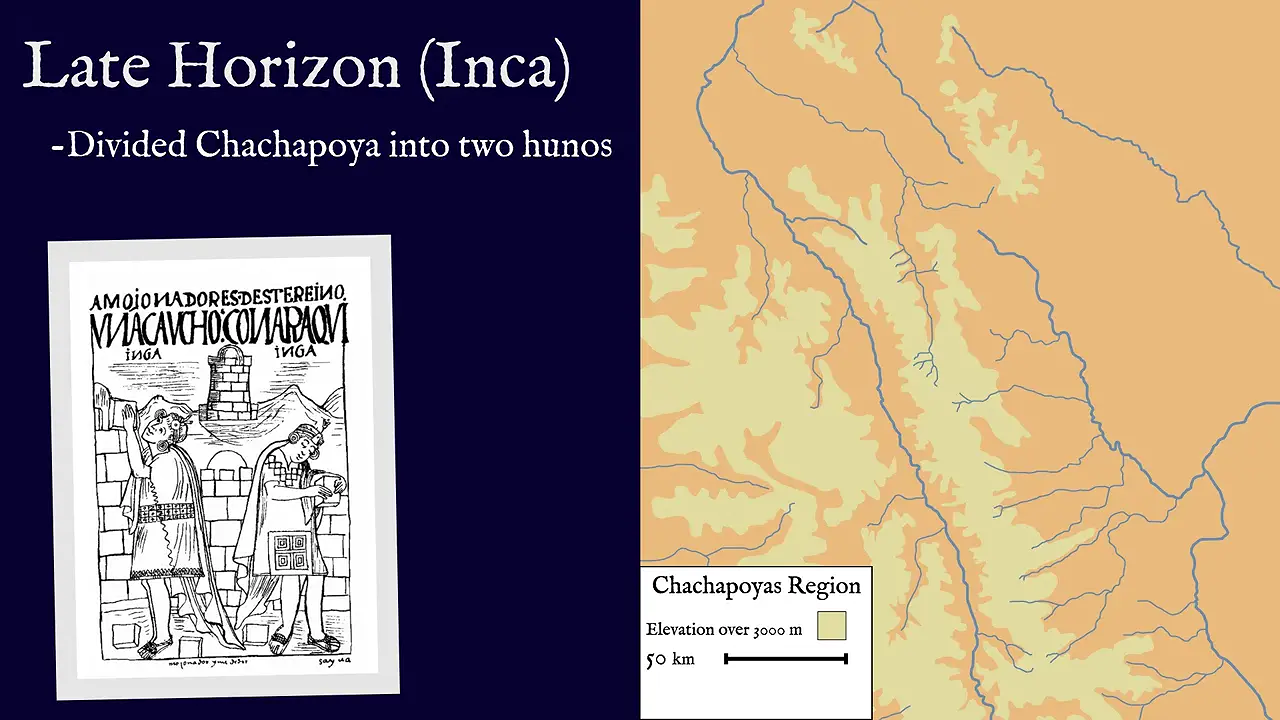
Inca conquest of Chachapoyas: mitmaq resettlement and administrative reorganization
Inca conquest of Chachapoyas: mitmaq resettlement and administrative reorganization. Inca expansion under Pachacuti (1430s) and Topa Inca Yupanqui brought Chachapoyas under Inca…
Middle Horizon: Wari influence in Chachapoyas without conquest
Middle Horizon: Wari influence in Chachapoyas without conquest. Wari-inspired ceramics and textiles have been recovered at sites in Chachapoyas Wari architecture has been…
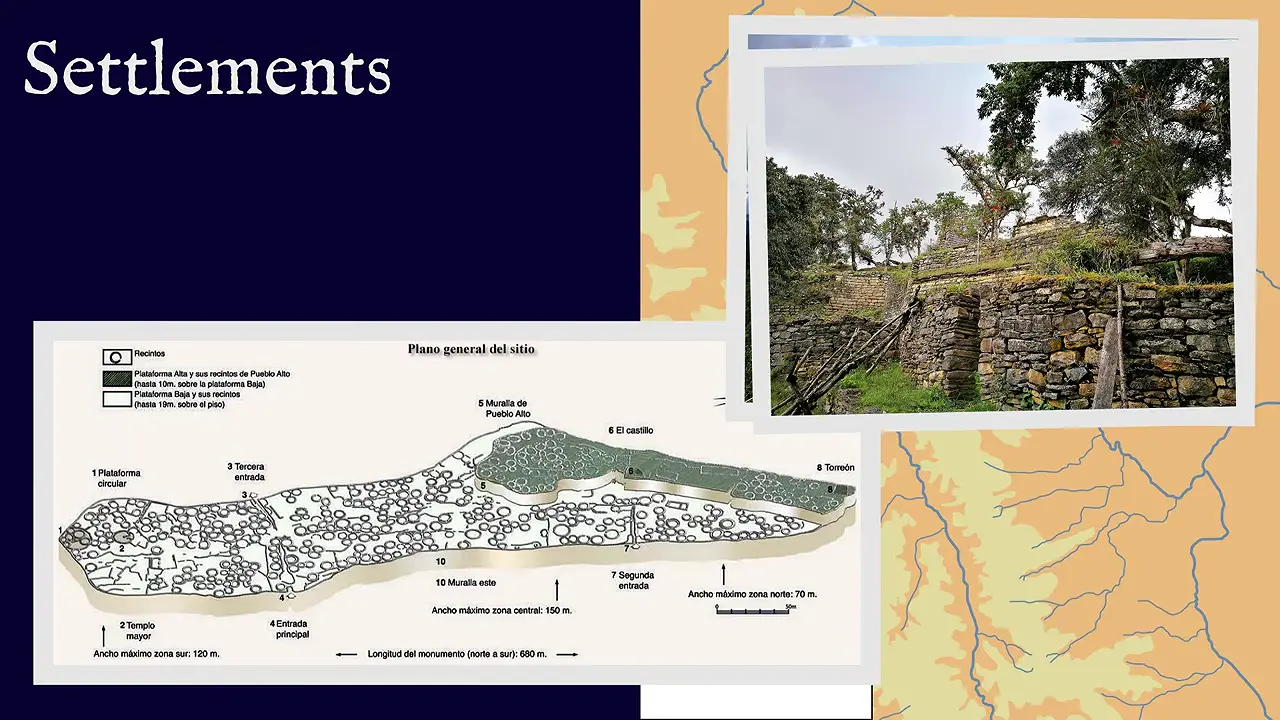
Kuélap: massive walled settlement with 600-meter walls and 400 structures
Kuélap: massive walled settlement with 600-meter walls and 400 structures. Kuélap's outer walls run 600 meters and enclose an artificial platform up to 19m high and 150m wide The…
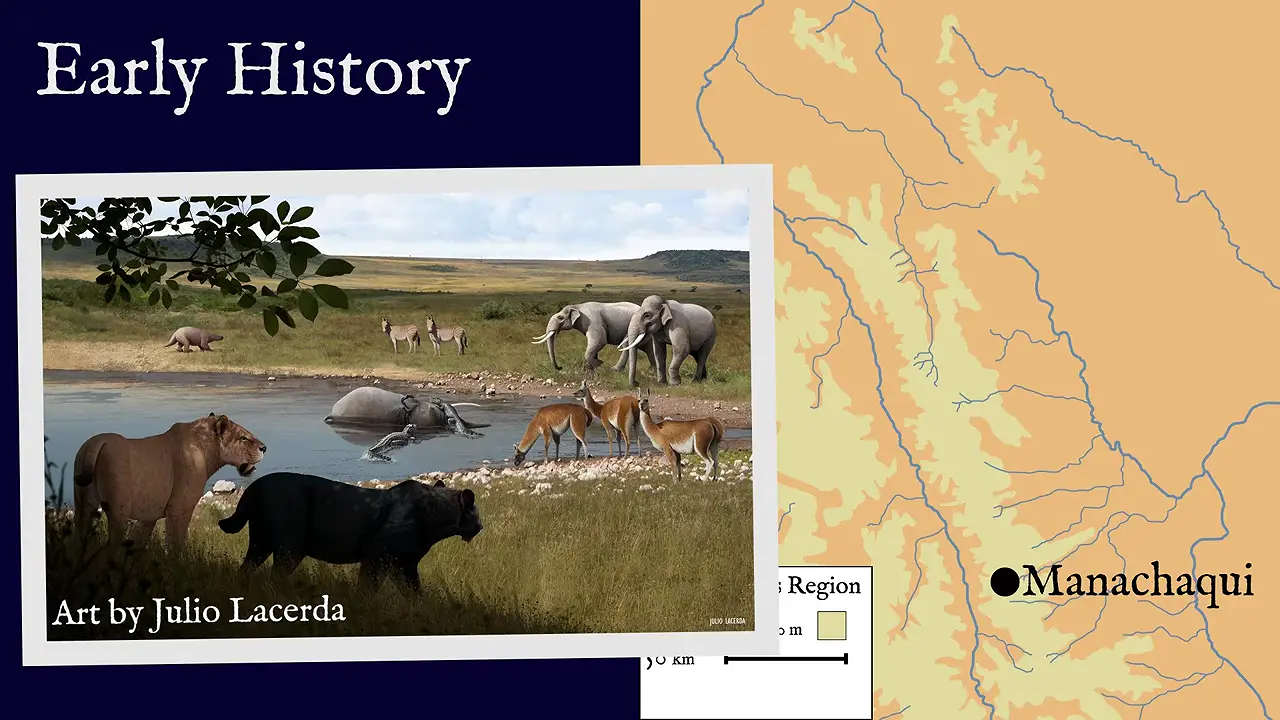
Cueva de Manachaqui reveals 12,000 years of human occupation
Cueva de Manachaqui reveals 12,000 years of human occupation. Cueva de Manachaqui was excavated by Warren Church in the 1980s and acted as a way station for travelers over…

Paracas Candelabra used as pareidolia example
Paracas Candelabra used as pareidolia example. The Paracas Candelabra is referenced as an example of pareidolia Host notes that the design's resemblance to a family tree does not…
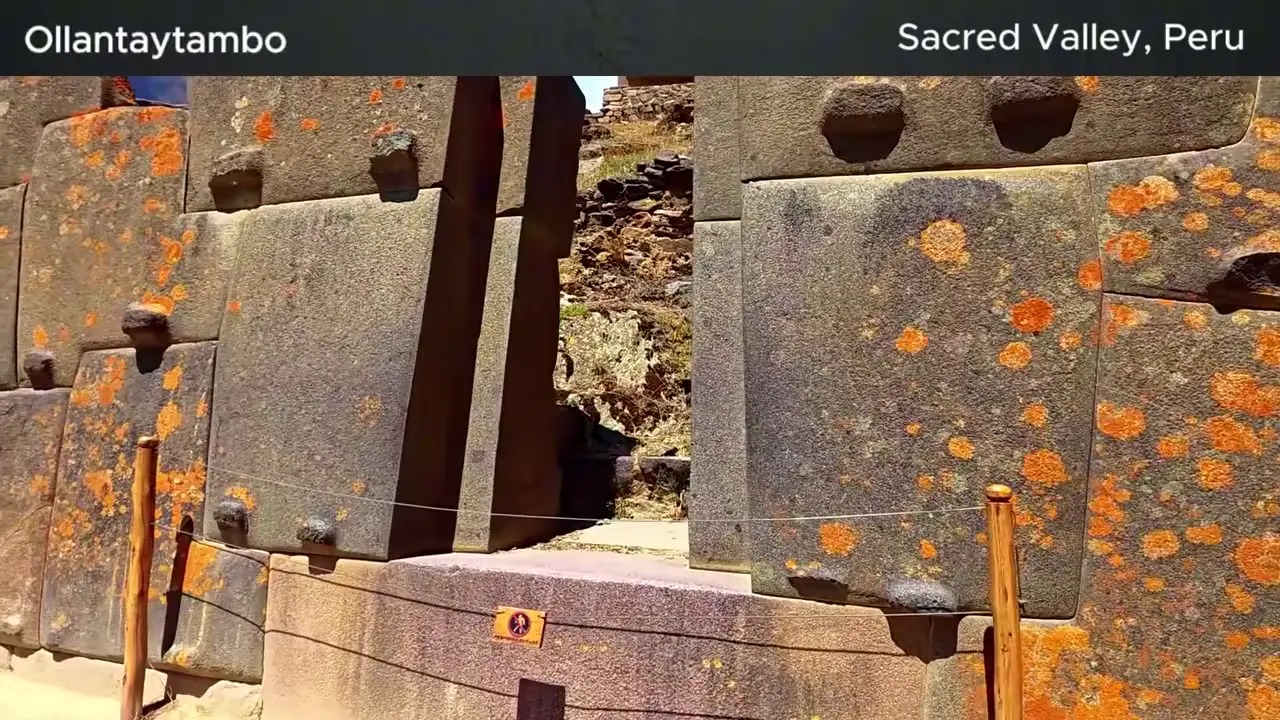
Trapezoidal double-jamb doors at Ollantaytambo made from single stones
Trapezoidal double-jamb doors at Ollantaytambo made from single stones. Trapezoidal door with double jamb constructed from a single rock for the bottom and a second rock on top…

Smithsonian agrees to PXRF testing of disputed Valentine Museum relics
Smithsonian agrees to PXRF testing of disputed Valentine Museum relics. Smithsonian Institution agreed to PXRF testing of the Valentine Museum/Mount Pisco relics Earlier…
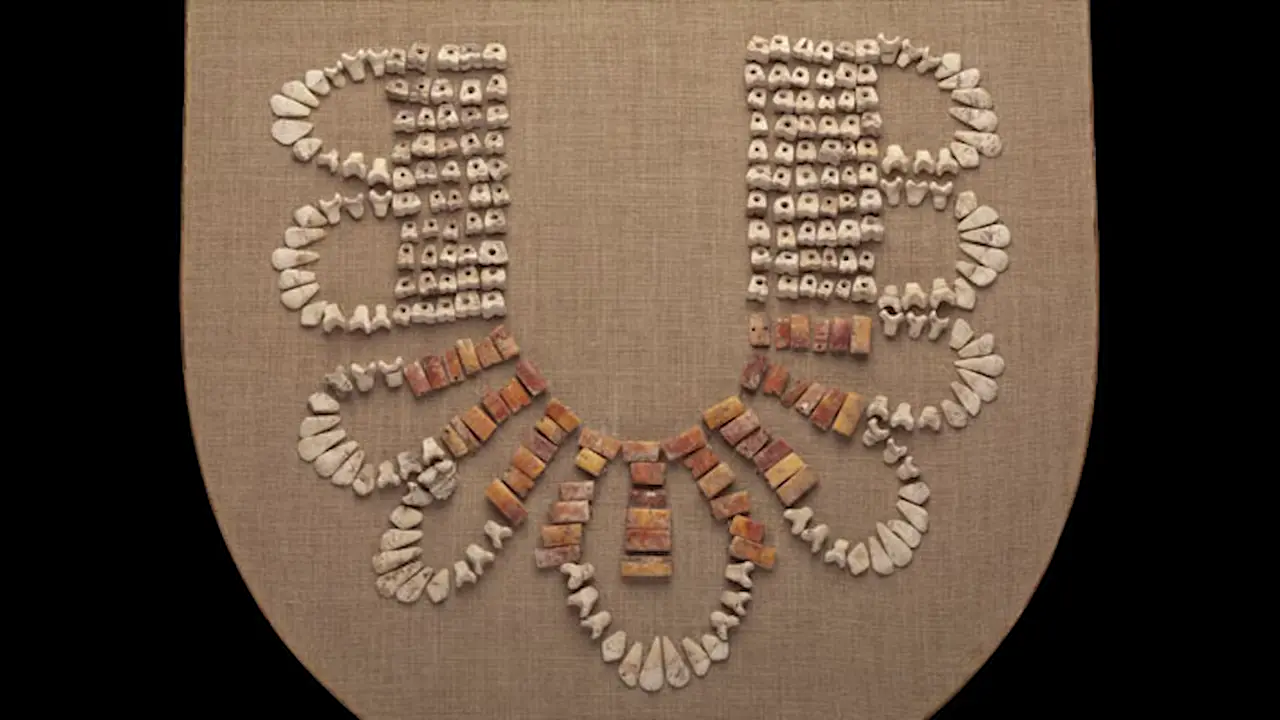
Human sacrifice evidence uncovered at Teotihuacan's pyramids
Human sacrifice evidence uncovered at Teotihuacan's pyramids. Temple of the Feathered Serpent at Teotihuacan was built in the early 3rd century CE 137 individuals recovered at the…

Ashurbanipal's library at Nineveh (Mesopotamia) preserved world's oldest literary works alongside his severed-head banquet relief
Ashurbanipal's library at Nineveh (Mesopotamia) preserved world's oldest literary works alongside his severed-head banquet relief. Ashurbanipal assembled a great library at…

Ashoka's pillar edicts preserved death penalty despite Buddhist nonviolence principles
Ashoka's pillar edicts preserved death penalty despite Buddhist nonviolence principles. Ashoka expressed remorse after the bloody conquest of Kalinga and promoted dharma,…

Shapur I's capture of Emperor Valerian recorded in Persian inscriptions and rock reliefs
Shapur I's capture of Emperor Valerian recorded in Persian inscriptions and rock reliefs. In 260 CE, the Persian king Shapur I captured the Roman emperor Valerian near Carrhae and…
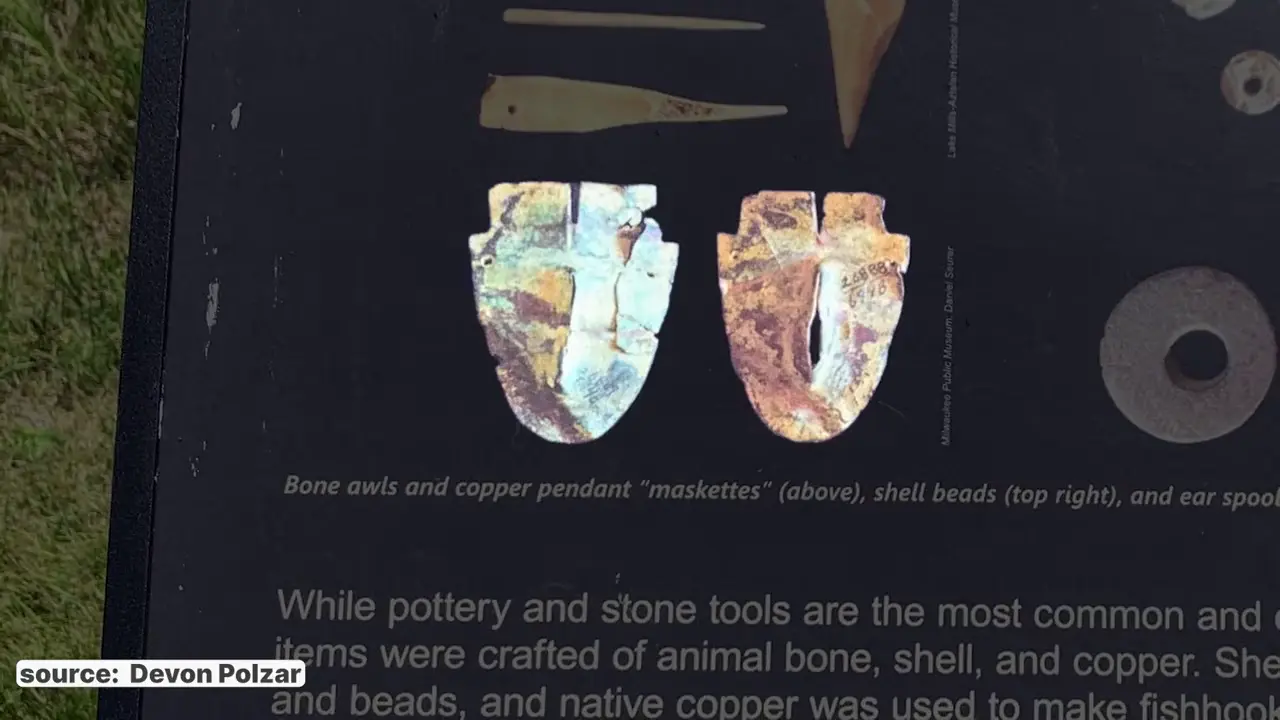
Evidence linking Aztalan to Cahokia as a Mississippian colony
Evidence linking Aztalan to Cahokia as a Mississippian colony. Aztalan housed approximately 500 people within its walls, far smaller than other Mississippian cities Cahokia…

Wisconsin's Late Woodland Effigy Mound builders preceded Aztalan
Wisconsin's Late Woodland Effigy Mound builders preceded Aztalan. Late Woodland people inhabited the eastern US from roughly 500 to 1000 CE, following the Hopewell civilization…

Evidence of internal division and destruction at Aztalan
Evidence of internal division and destruction at Aztalan. A regional survey in the 1980s documented approximately 500 Late Woodland sites around Aztalan with roundhouses and local…

Stuart Mason documents equinox shadow alignment at Long Man of Wilmington
Stuart Mason documents equinox shadow alignment at Long Man of Wilmington. Stuart Mason identified a shadow alignment at the Long Man of Wilmington hill figure A shadow bisects…
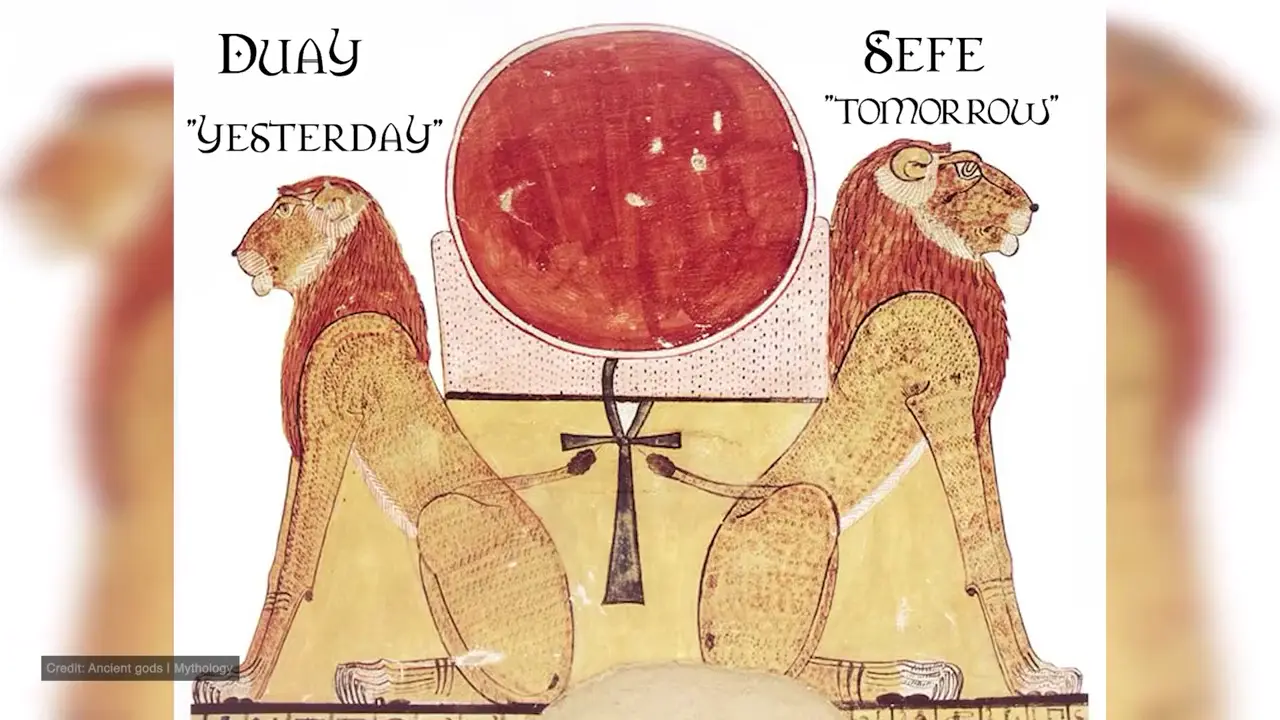
Ancient Egyptian Aker theology proposed dual guardian sphinxes from ~3000 BCE
Ancient Egyptian Aker theology proposed dual guardian sphinxes from ~3000 BCE. Aker is one of the oldest Egyptian deities, appearing as early as the First Dynasty around 3000 BCE…
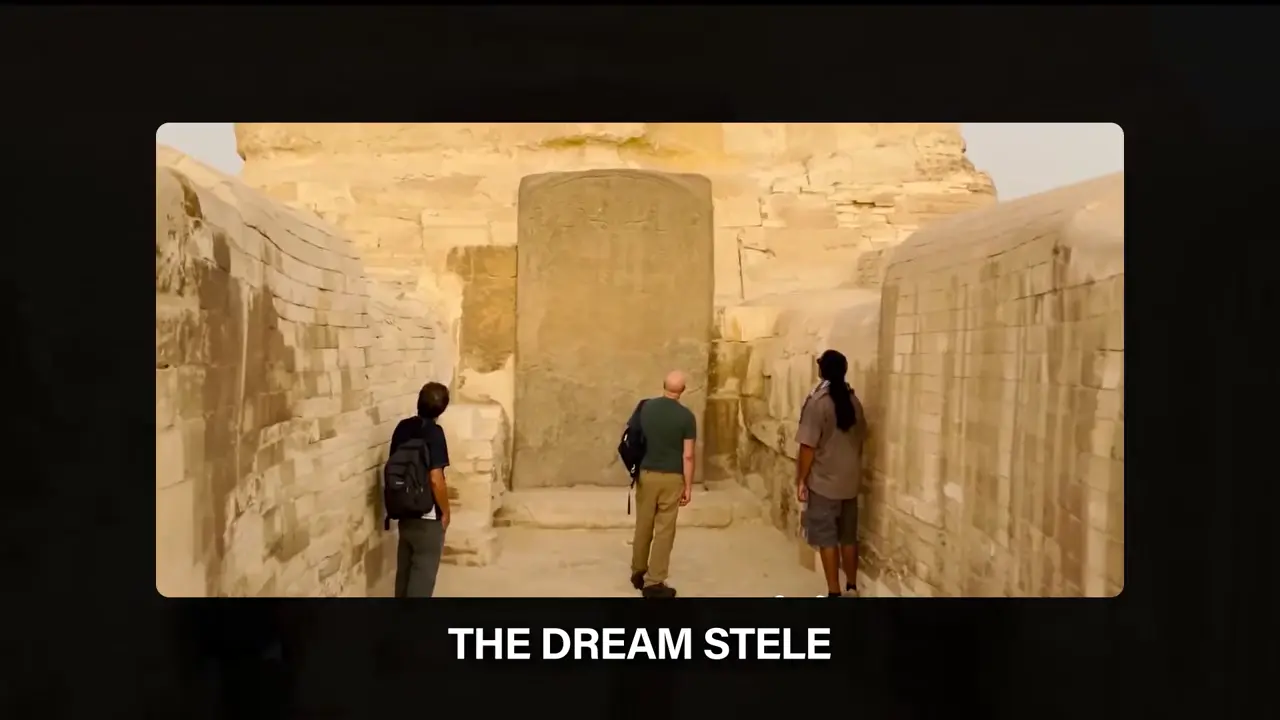
Dream Stele of Thutmose IV shows dual sphinx imagery likely representing single deity
Dream Stele of Thutmose IV shows dual sphinx imagery likely representing single deity. The Dream Stele is a large granite slab placed directly between the paws of the Great Sphinx…
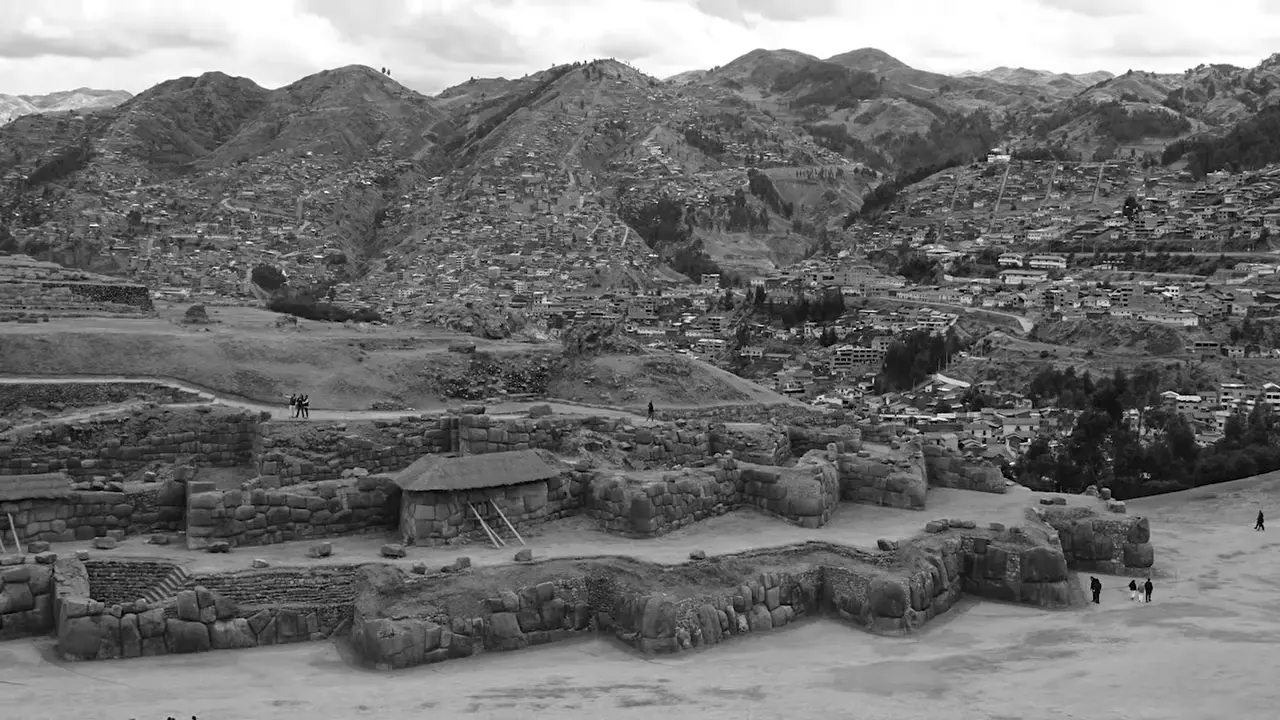
Rodadero diorite dome and natural springs drove Inca site selection
Rodadero diorite dome and natural springs drove Inca site selection. The Rodadero is an intrusive diorite dome formed approximately 80 million years ago when magma filled cracks…
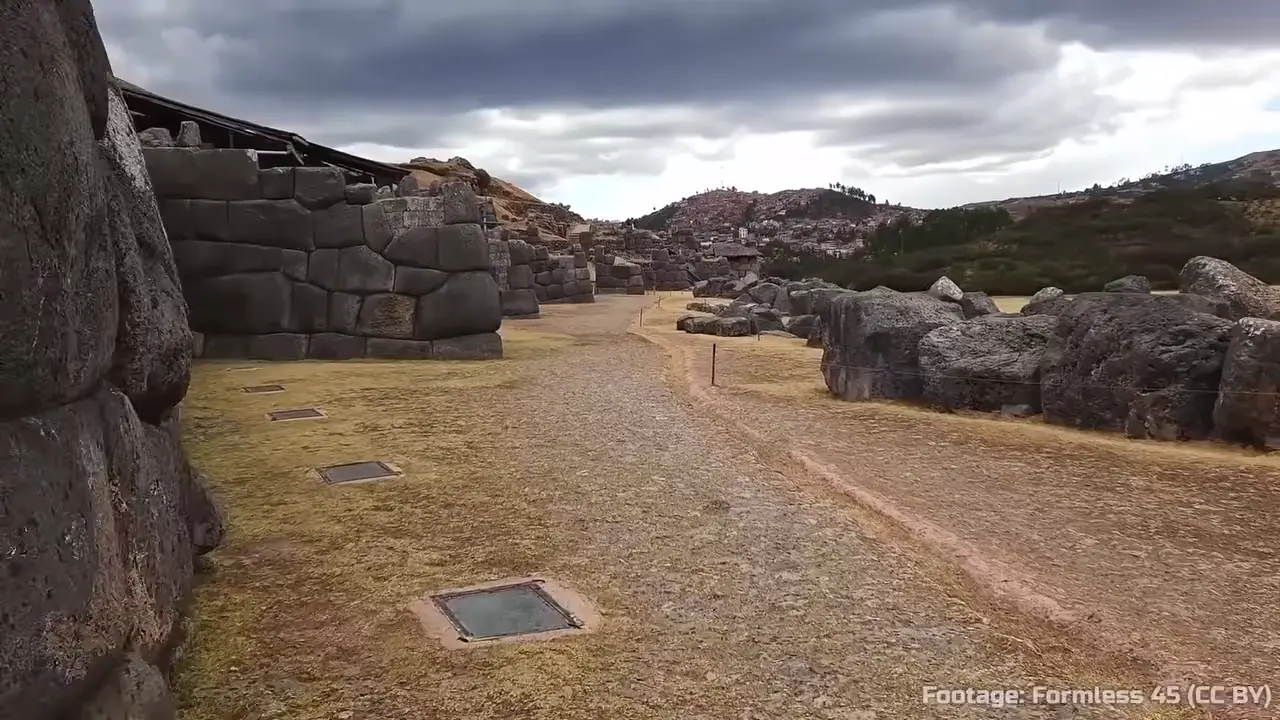
Kenneth Wright's research revealed underground hydraulic drainage system
Kenneth Wright's research revealed underground hydraulic drainage system. American hydraulic engineer Kenneth Wright conducted extensive research at Sacsayhuamán in the late 1990s…
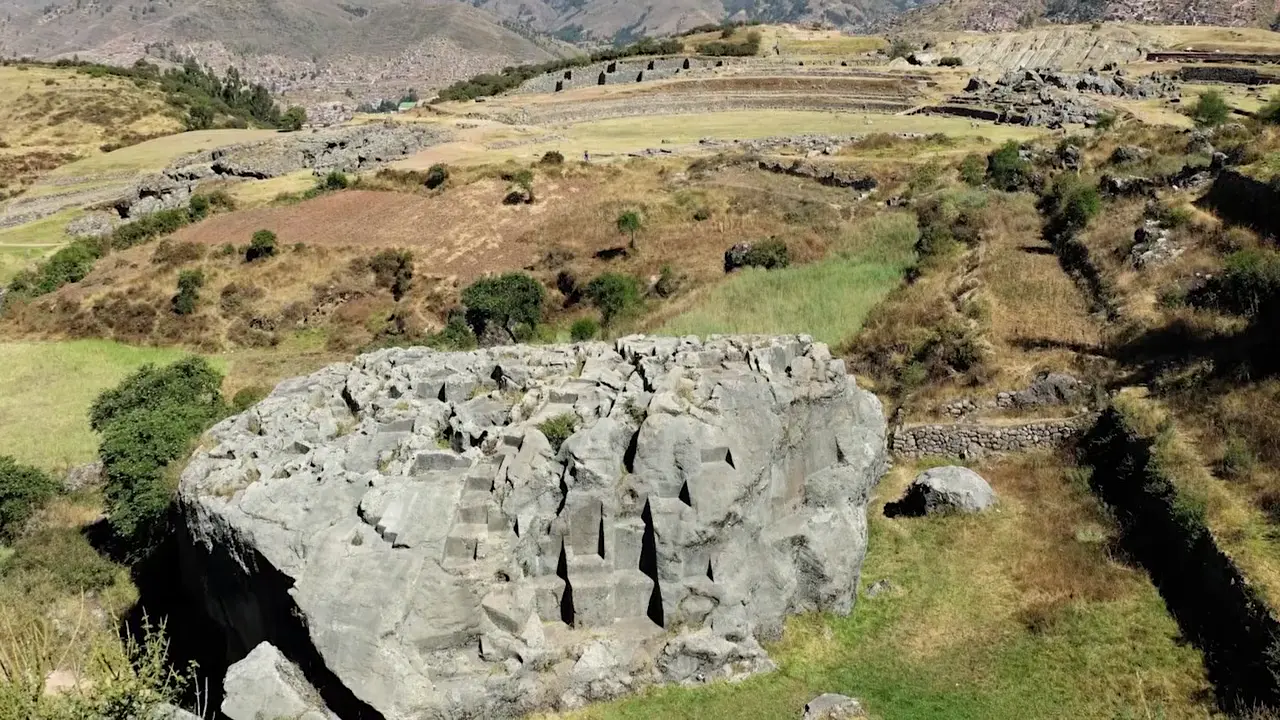
Chinkana underground tunnel network beneath Sacsayhuamán sealed with concrete
Chinkana underground tunnel network beneath Sacsayhuamán sealed with concrete. Chinkana Grande, located about 100 m north of the pool, is a massive bedrock formation covered with…
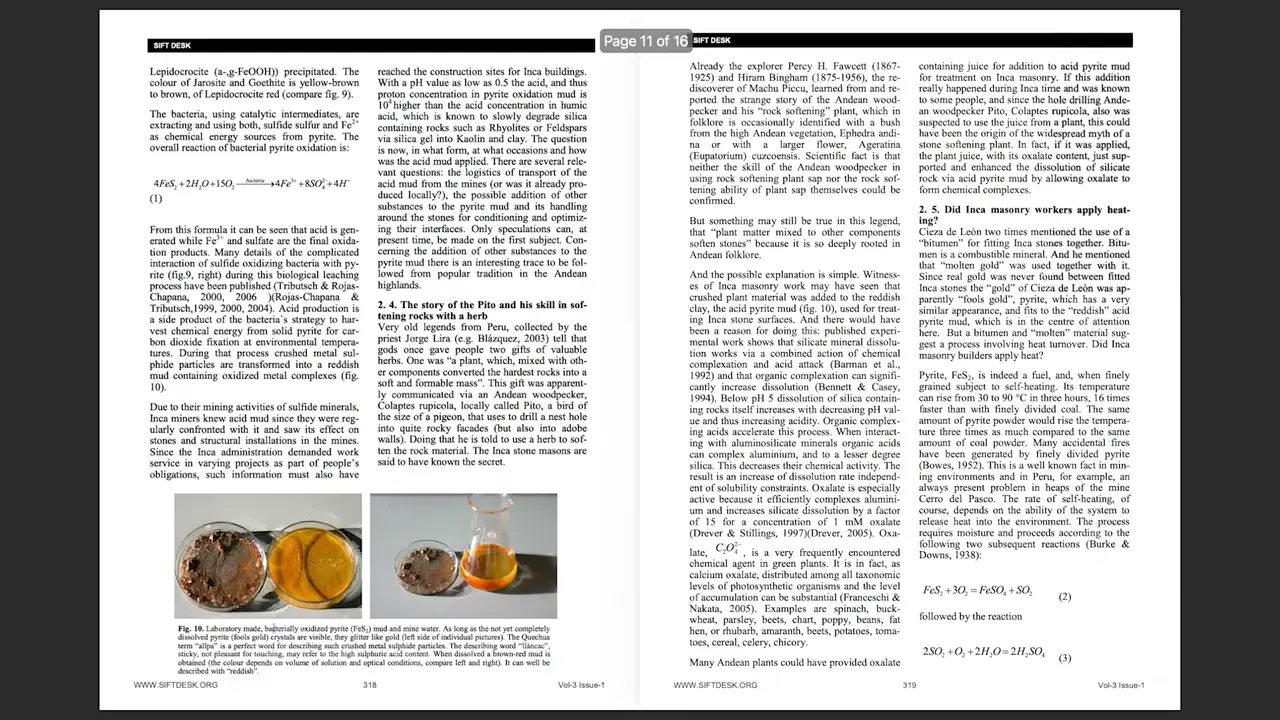
Tributsch pyrite paste theory explains Inca megalithic block fitting
Tributsch pyrite paste theory explains Inca megalithic block fitting. German physical chemist Helmut Tributsch published a 2017 article in the Journal of Earth Sciences and…

NAGPRA origins: early 20th-century pressure to collect Indigenous remains
NAGPRA origins: early 20th-century pressure to collect Indigenous remains. NAGPRA (Native American Graves Protection and Repatriation Act) passed in 1990 Around 1910 in British…

Shift from 'myth' to 'legendary history' for First Nations oral traditions
Shift from 'myth' to 'legendary history' for First Nations oral traditions. Around 1990 in Calgary, journalist Hugh Dempsey (married into the Kainai/Blackfoot) organized a…

Napi legendary history reflects real glacial flood events in Alberta
Napi legendary history reflects real glacial flood events in Alberta. Blackfoot legendary history describes a creator being called Napi (Naapi), whose name refers to dawn time or…

Old Copper Complex: Lake Superior mining fueled long-distance trade
Old Copper Complex: Lake Superior mining fueled long-distance trade. Academic literature estimates 400,000 to 680,000 tons of copper were extracted from 9,000 BC to around 1,000…

Cahokia and Cholula collapse connected by trade route disruption circa 1186-1200 CE
Cahokia and Cholula collapse connected by trade route disruption circa 1186-1200 CE. Siouan-speaking peoples (Osage, Ponca, Kansa) claim ancestral rulership of Cahokia around…
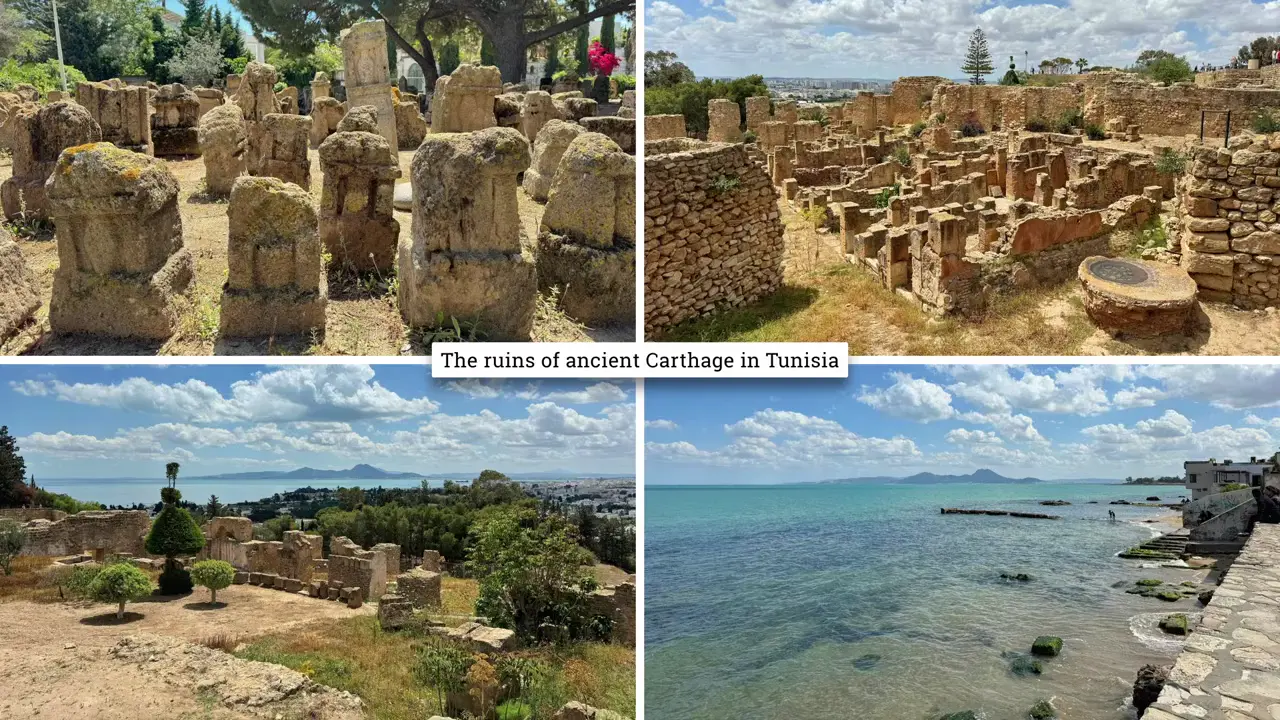
Roman authors framed empire's decline as moral decay, not political collapse
Roman authors framed empire's decline as moral decay, not political collapse. Since the 2nd century BC, Roman authors customarily contrasted present luxury with the frugal early…
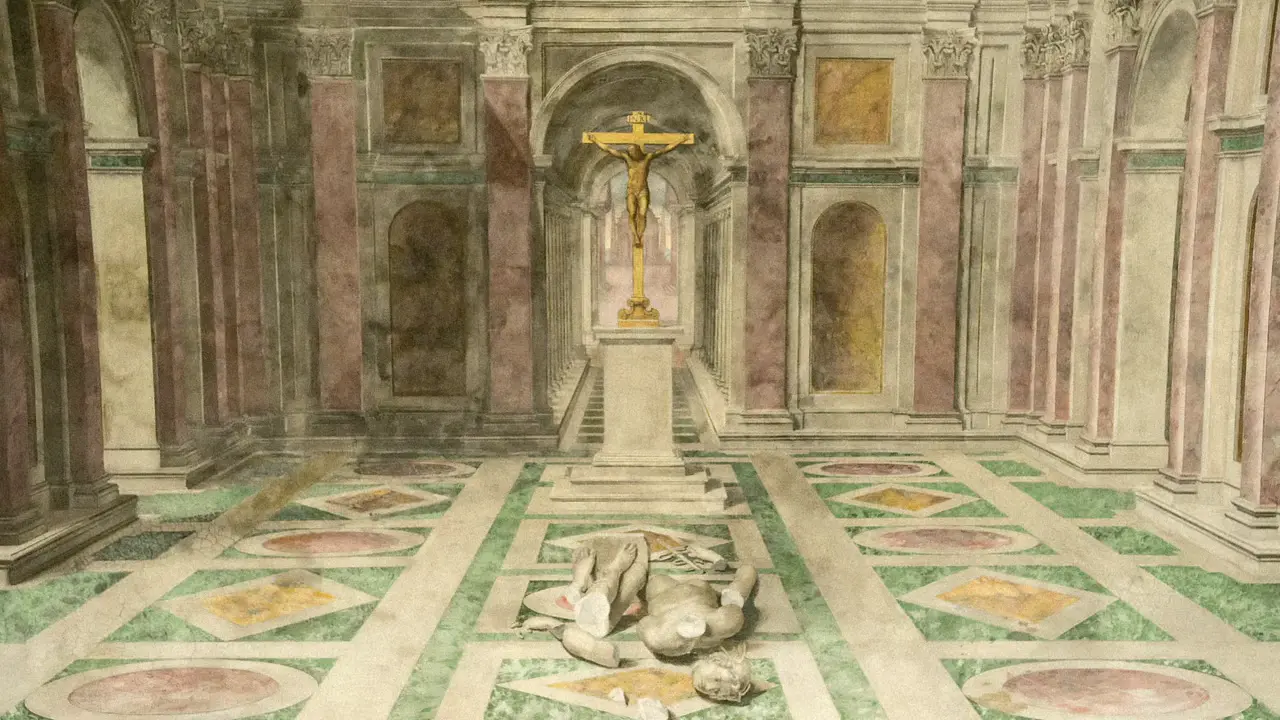
Alaric's sack of Rome (Italy) in 410 AD sparked Christian intellectual crisis
Alaric's sack of Rome (Italy) in 410 AD sparked Christian intellectual crisis. Alaric's Visigoths sacked Rome (Italy) in 410 AD St. JeRome (Italy), living in Bethlehem, lamented…

NASA imaging reveals 31-mile Ancestral Puebloan 'spirit road' from Chaco Canyon
NASA imaging reveals 31-mile Ancestral Puebloan 'spirit road' from Chaco Canyon. In 1982, NASA scientist Thomas Sever used thermal imaging at the National Space Technology Lab in…
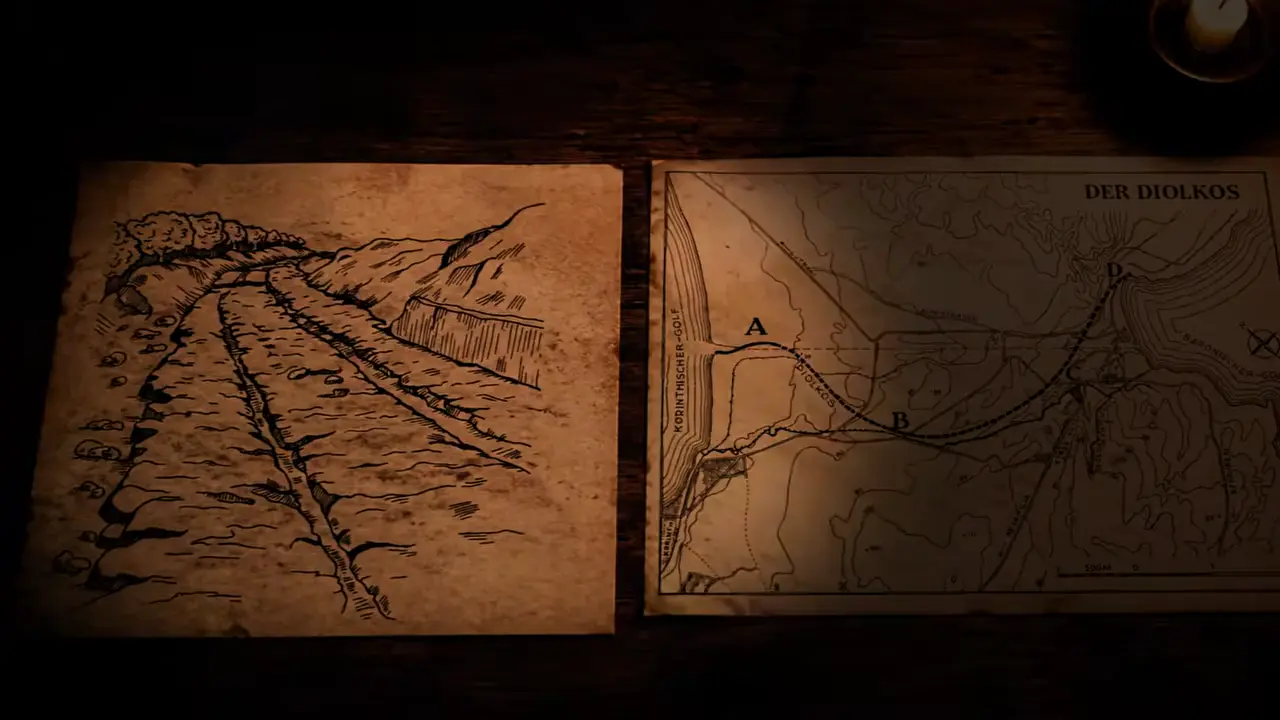
Diolkos: ancient paved ship-hauling road across the Isthmus of Corinth
Diolkos: ancient paved ship-hauling road across the Isthmus of Corinth. The Diolkos (called the 'Holocaust') was a 6-8 km limestone paved road across the Isthmus of Corinth, with…
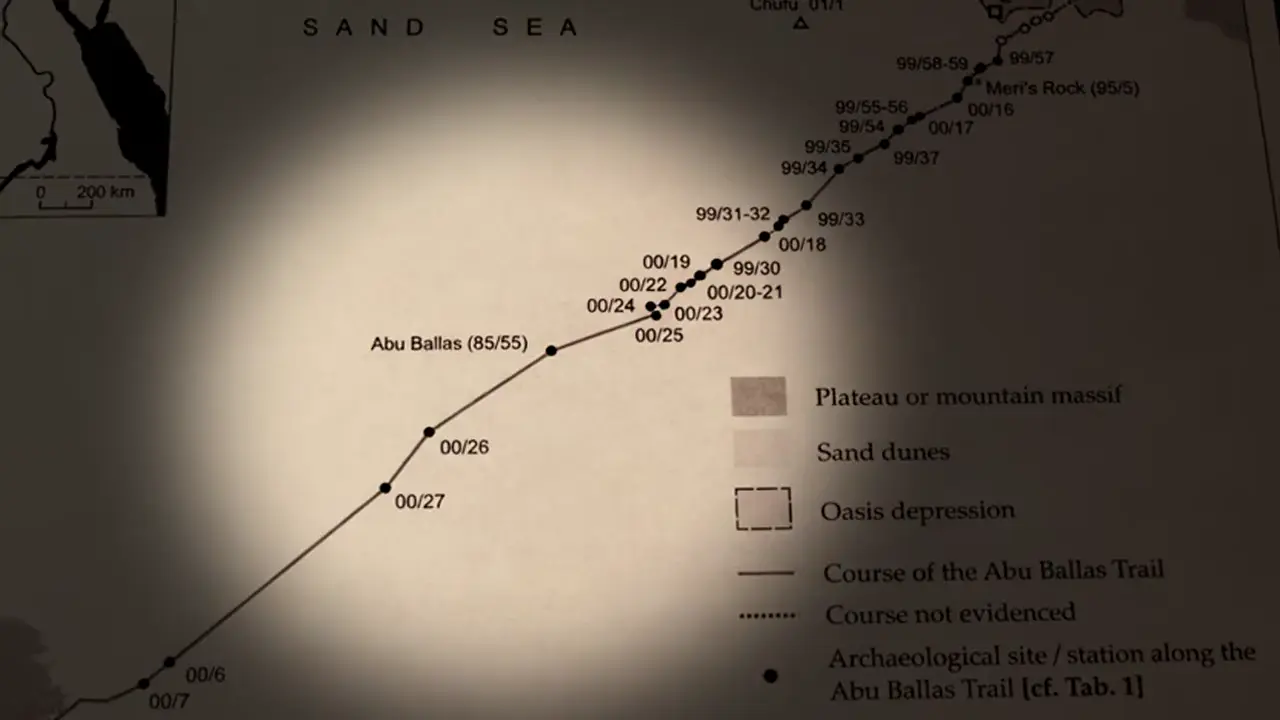
4,200-year-old Egyptian water-jar highway stretching 250 miles across the Sahara
4,200-year-old Egyptian water-jar highway stretching 250 miles across the Sahara. In 1874, German explorer Gerhard Rohlfs passed through Dakhla Oasis and recorded stories of…
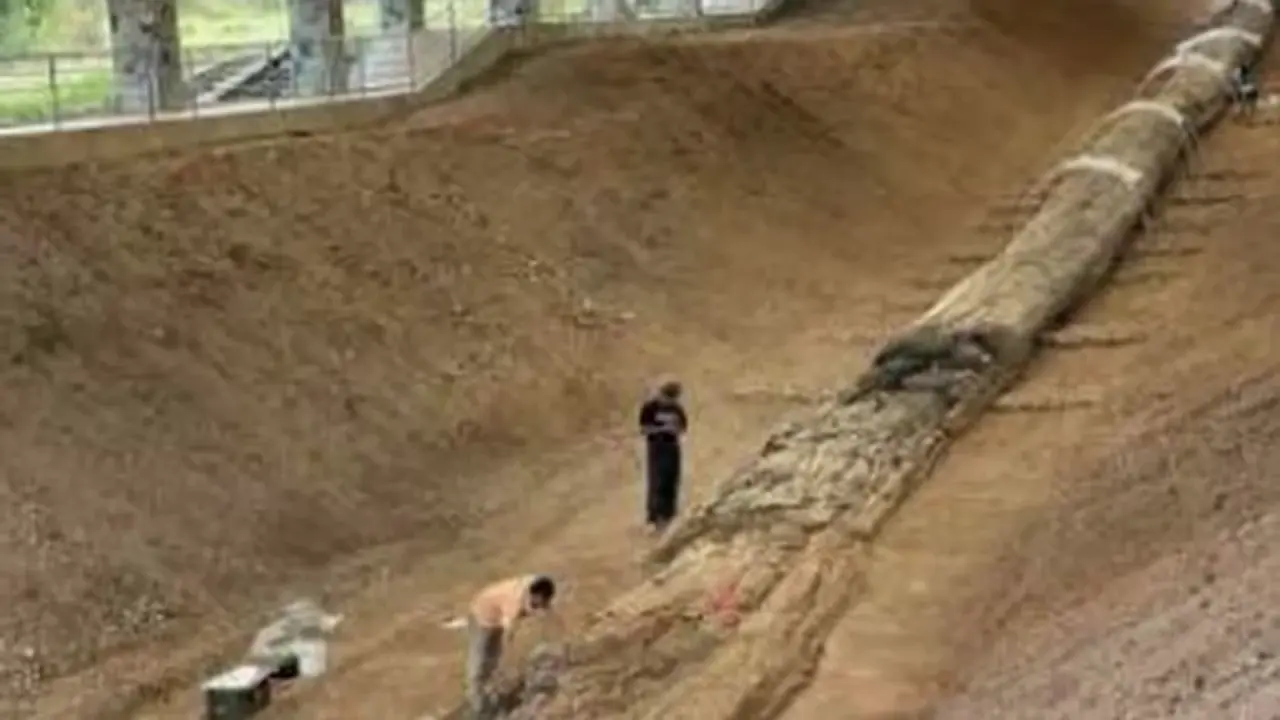
330-foot petrified trees discovered in Tak Province, Thailand
330-foot petrified trees discovered in Tak Province, Thailand. Petrified trees were found at a site in Tak Province, Thailand The longest petrified tree measured 237 ft, still…
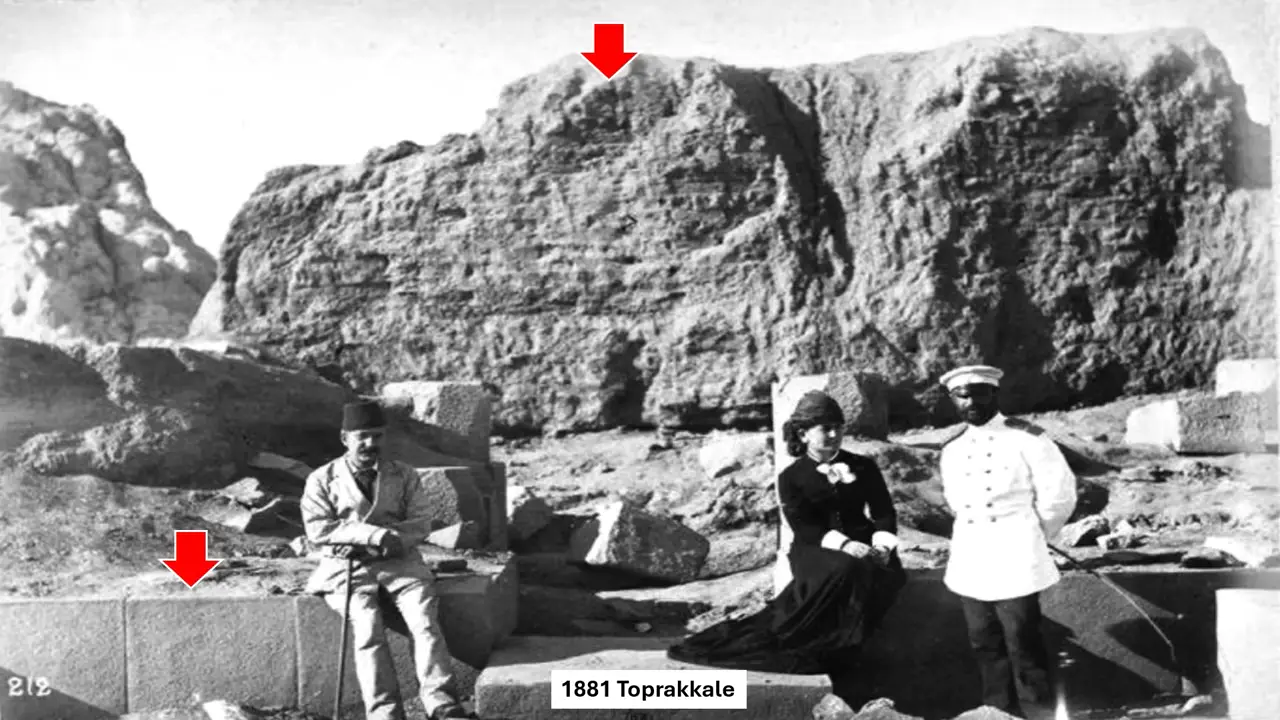
Toprakkale: First Van region site discovered in 1881, stonework mysteriously removed
Toprakkale: First Van region site discovered in 1881, stonework mysteriously removed. First archaeological site discovered in the Van region, with research beginning in 1881…
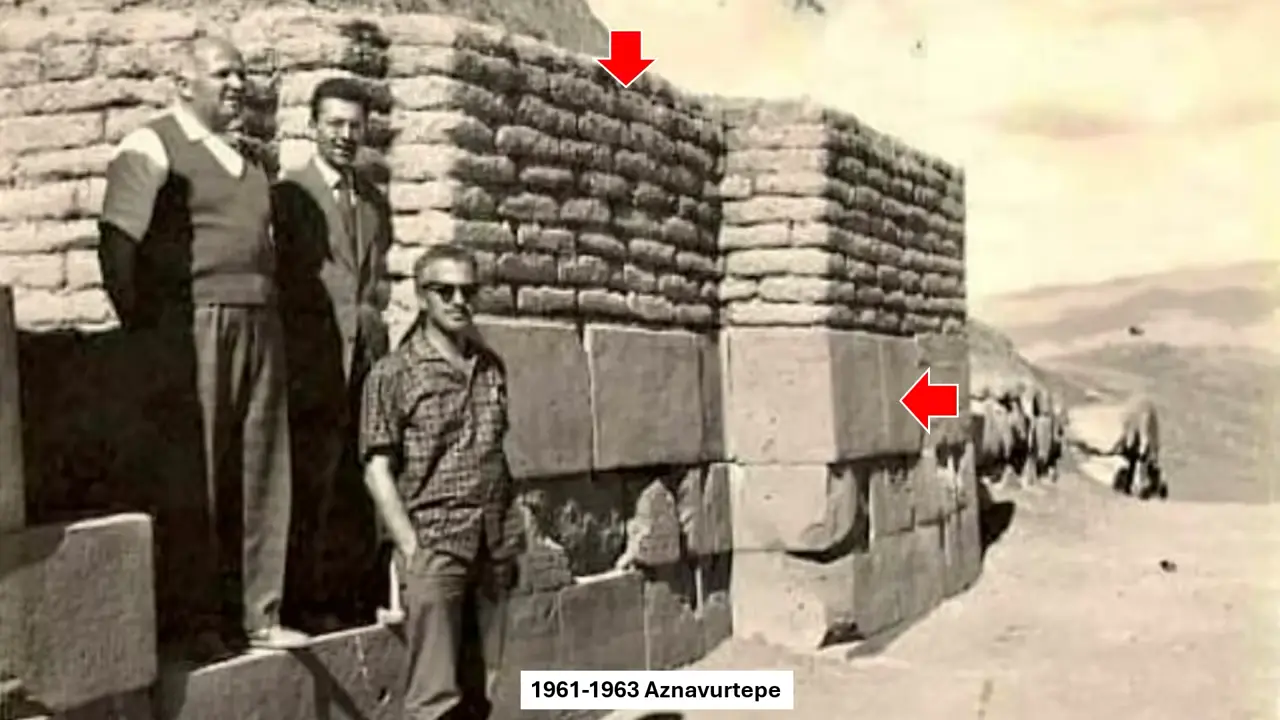
Anzavur Tepe yielded 20-ton obelisks now housed in Van Museum
Anzavur Tepe yielded 20-ton obelisks now housed in Van Museum. Located in Patnos, north of Lake Van Found massive obelisk features, each over 20 tons, among the first obelisk…

50% of megafauna species over 100 lbs went extinct at end of last ice age
50% of megafauna species over 100 lbs went extinct at end of last ice age. 50% of megafaunal species over 44 kg (100 lbs) body weight went extinct at the Pleistocene-Holocene…
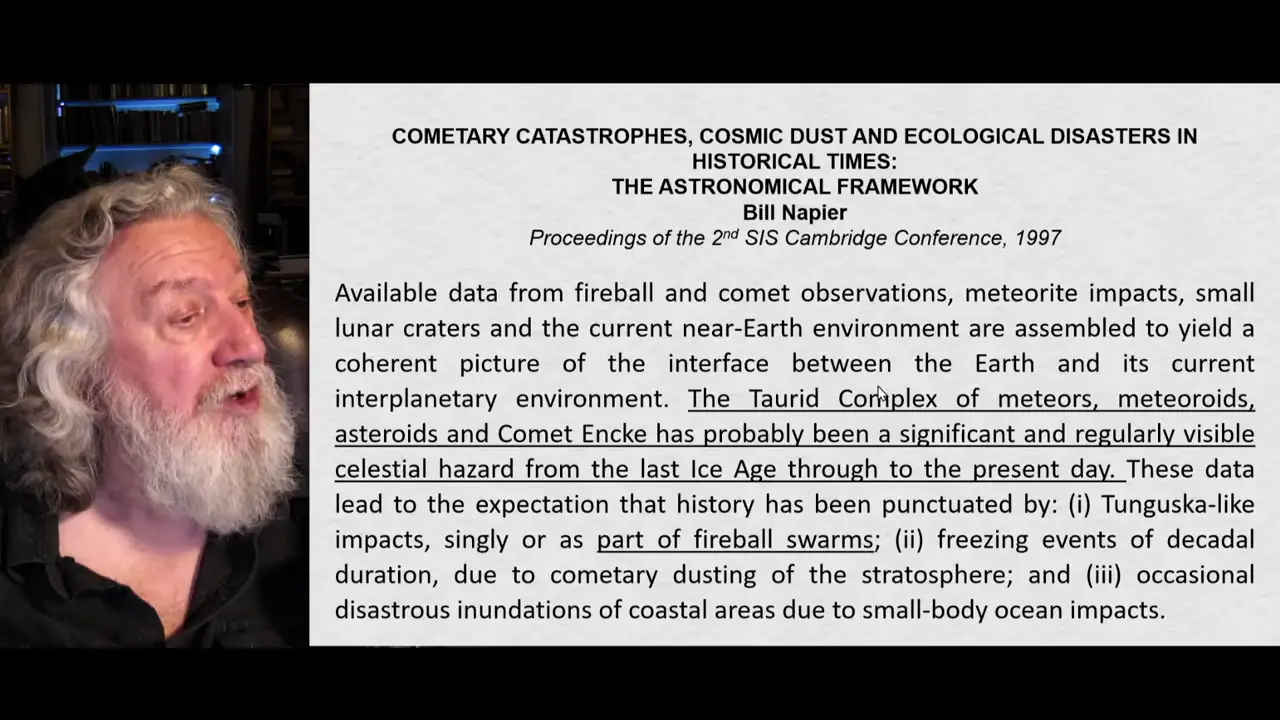
Napier identifies three classes of cosmic hazards from Taurid complex
Napier identifies three classes of cosmic hazards from Taurid complex. Findings presented by astronomer Bill Napier at the SIS Cambridge conference in 1997 The Taurid complex of…

Pleistocene began 2.6 million years ago; Holocene started ~11,600 years ago
Pleistocene began 2.6 million years ago; Holocene started ~11,600 years ago. Holocene epoch began approximately 11,600 years ago Pleistocene epoch began approximately 2.6 million…

First urban complexes emerged approximately 8,000-9,000 years ago
First urban complexes emerged approximately 8,000-9,000 years ago. Major shift from migratory to sedentary lifestyles accompanied the advent of agriculture in the first two…
Keep exploring
Every site on this page sits on the globe, and the people who research them are on the Discord.
3D Globe · Sites by country · Story Archive · Research Library · Weekly Journal · Search