

Roman writers since the 2nd century BC loved contrasting their luxurious present with a frugal early Republic. Sallust saw Carthage's destruction as Rome's turning point, and Ammianus skewered 4th-century elite decadence. Yet most maintained faith the empire would survive. Moral framing shaped how Romans remembered their history.
Roman authors framed empire's decline as moral decay, not political collapse
Key facts
- Since the 2nd century BC, Roman authors customarily contrasted present luxury with the frugal early Republic
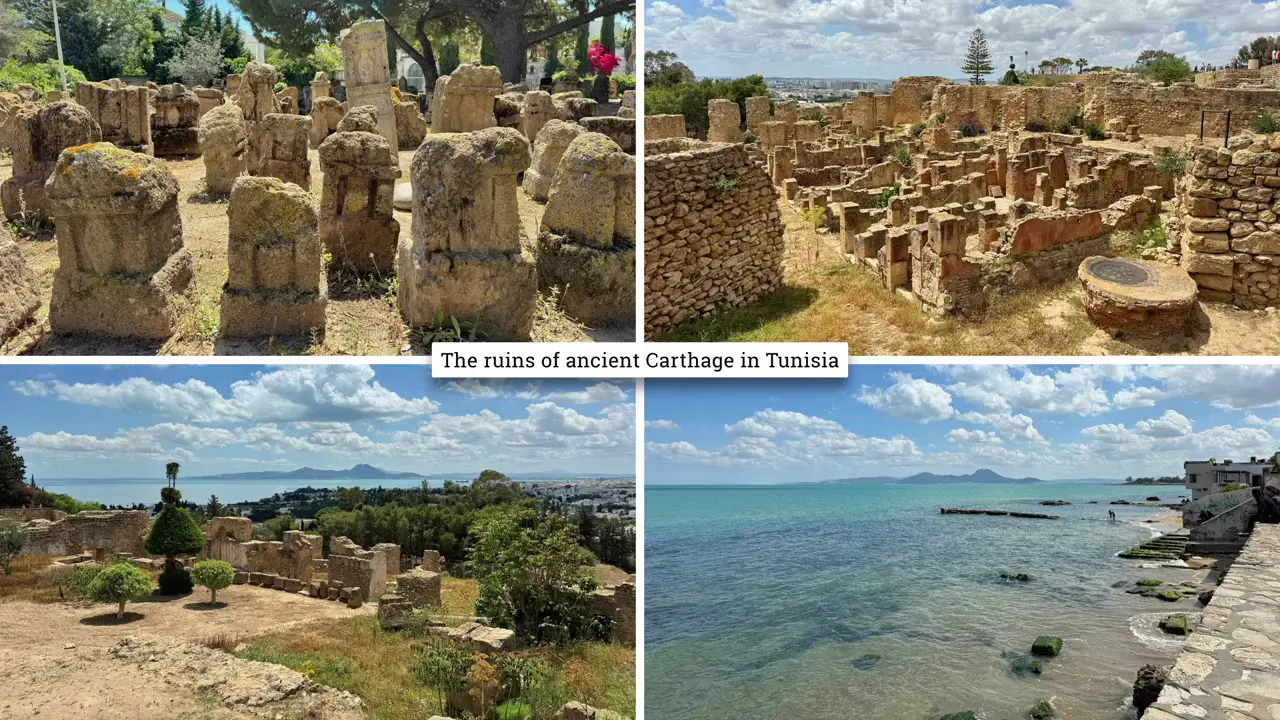
- Sallust, writing in the age of Caesar, believed Rome began to decay the moment it destroyed Carthage
- Ammianus Marcellinus visited Rome in the late 4th century and described the decadence of the wealthy elite
- Ammianus recorded the catastrophic Battle of Adrianople and Julian's failed Persian campaign
- Roman authors generally maintained confidence in the ultimate survival of the imperial system despite contemporary disasters
Sources
The Decline of the Roman Republic as Personified by Catilinehistoryissexydotcom2.wordpress.com
Chapter 2 Decadence and Roman Historiographypure.roehampton.ac.uk
The Manipulation of Historical and Moral Turning Points in ...classicalstudies.org
Sallusten.wikipedia.org
Roman Republicen.wikipedia.org
View Page: Imperial Rome vs. Roman Republicdepts.washington.edu
Was this story useful?
Keep exploring
Every site on this page sits on the globe, and the people who research them are on the Discord.
3D Globe · Sites by country · Story Archive · Research Library · Weekly Journal · Search
AI-generated text · images from the original sources · always verify with the sources.