
 Spain
SpainEl Castillón is an archaeological site located in the Spanish hamlet of Santa Eulalia de Tábara, in the municipality of Moreruela de Tábara, province of Zamora [1]. The site covers an area of about 4 hectares and is situated over a plateau at the top of a hill located on the right riverside of the River Esla [1]. The site has been inhabited since the Iron Age, but the most known period of the site belongs to the Late Roman Era as a large number of late Hispano-Roman red gloss pottery testifies [1]. Excavations have been carried out since 2007 to date with a gap year in 2015 [1]. In a shelter located just few meters below the site, some samples of schematic art have been discovered [1]. The images represent human-like icons, sticks, fingers, anchor-shaped symbols, circles and indefinites [1]. Painted in red colour on quartzite, they belong to the Bronze Age with an age of more than 3000 years [1].
Text: Wikipedia – 'El Castillón' (revision of 2026-05-06), CC BY-SA 4.0 · sentences selected and shortened by an AI system · source →El Castillón
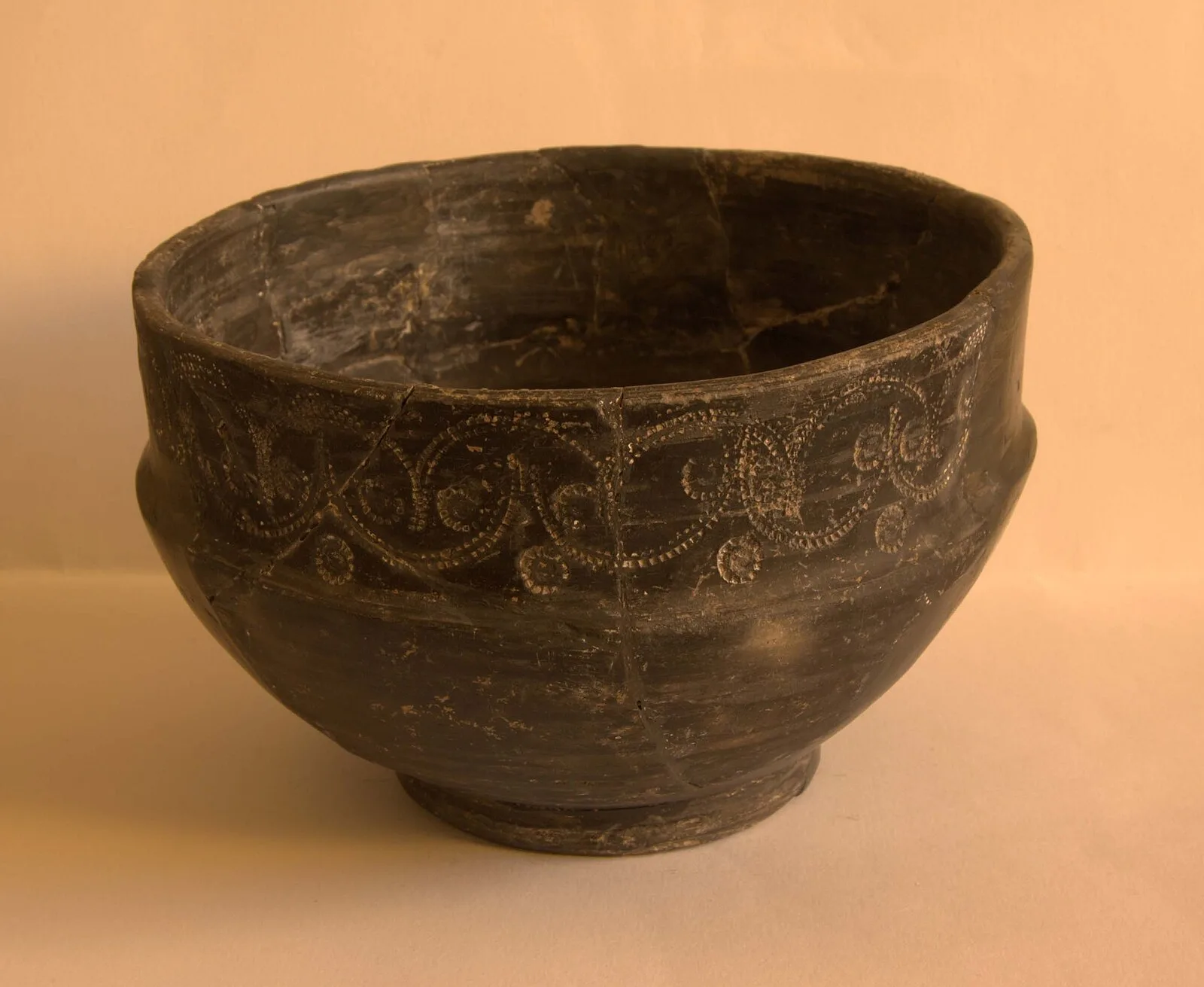
Also known as: Castillón, Castro de El Castillón, El Castillón (Santa Eulalia de Tábara)
| Type | City/town/settlement |
|---|---|
| Period | 1 - 500 AD |
| Country | Spain |
| Coordinates | 41.8385° N, 5.7920° W |