
 Spain
SpainThe Coves de l'Aranya (in original Catalan language, known in English as the Spider Caves and in Spanish Cuevas de la Araña) are a group of caves in the municipality of Bicorp in València, eastern Spain [1]. The caves are in the valley of the river Escalona and were used by prehistoric people who left rock art [1]. They are known for painted images of a bow and arrow goat hunt and for a scene depicting a human figure foraging honey [1]. The dating of such art is controversial, but the famous honey-gathering painting is believed to be epipaleolithic and is estimated to be around 8000 years old [1]. The caves were discovered in the early twentieth century by a local teacher, Jaume Garí i Poch [1]. They are included in the World Heritage Site Rock art of the Iberian Mediterranean Basin [1].
Text: Wikipedia – 'Cuevas de la Araña' (revision of 2026-07-26), CC BY-SA 4.0 · sentences selected and shortened by an AI system · source →Cuevas de la Araña
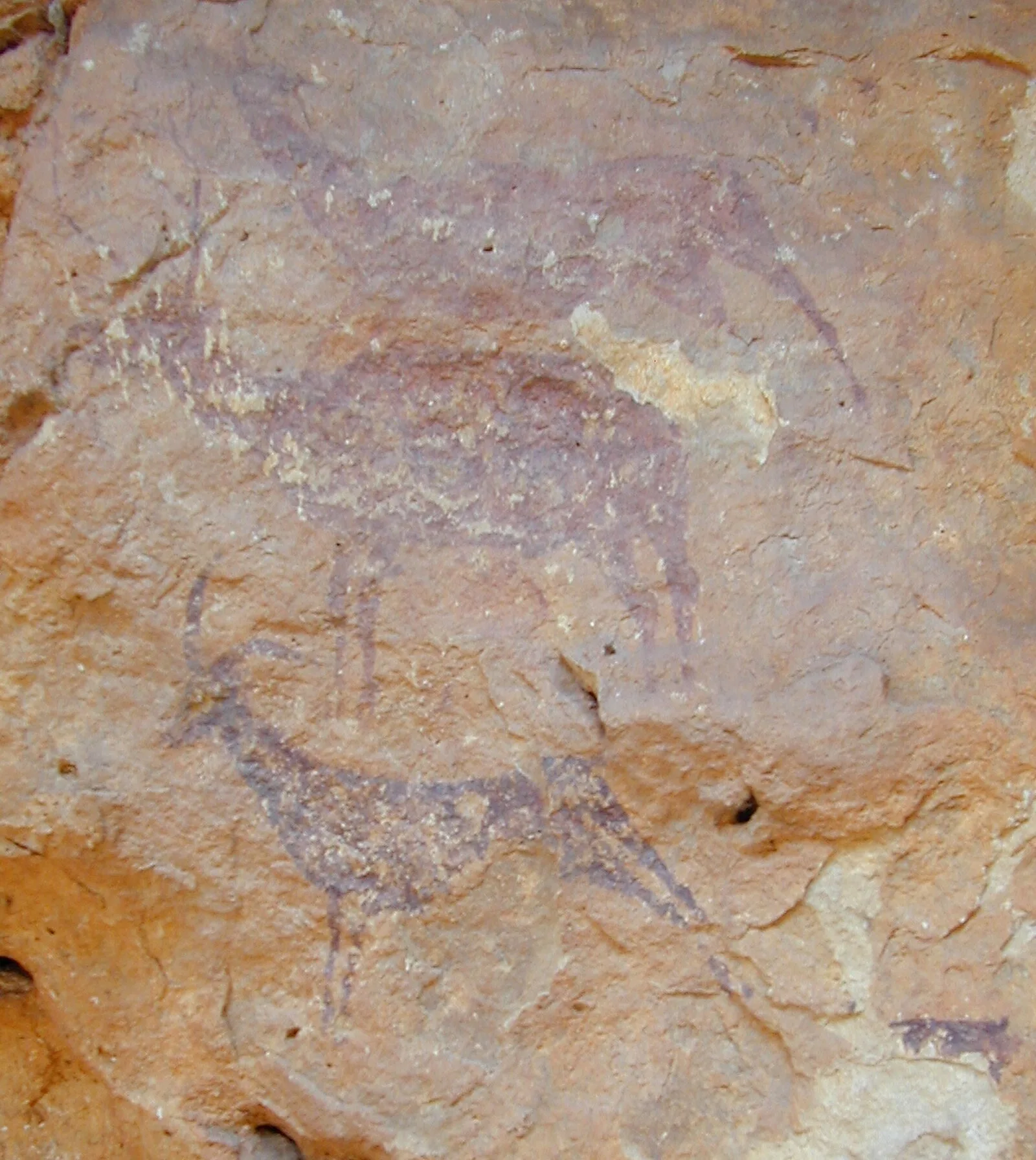
Also known as: Abris de l'Araignée, Armiarmaren haitzuloak, Cova de l'Aranya, coves de l'Aranya, Cueva de la Araña, Cuevas de la Arana en Bicorp, Gua Araña, Куевас-де-ла-Аранья, Куэвас-де-ла-Аранья, Паучья пещера, מערות העכביש, د غڼو سمڅې
| Type | Rock art |
|---|---|
| Period | < 4500 BC |
| Country | Spain |
| Coordinates | 39.1105° N, 0.8603° W |