
 India
IndiaThe Khapra Kodiya Caves are part of the Junagadh Buddhist Cave Group [1]. They are the oldest of the caves in the group [1]. The caves, on the basis of scribbles and short cursive letters on the wall, are dated to 3rd-4th century BCE during the Emperor Ashoka's rule and are the plainest of all the caves in the groups [1]. These caves are also known as Khangar Mahal [1]. They were carved in rock during the reign of Emperor Ashoka and are considered the earliest monastic settlement in the area [1]. These caves are along the edge of the ancient Sudarshan Lake (which no longer exists) and a little outside Uparkot fort, to the north [1]. The caves are carved out in an east–west longitudinal ridge [1]. Khapara Kodia was damaged by later quarrying, and now only the highest story remains [1].
Text: Wikipedia – 'Khapra Kodiya Caves' (revision of 2026-06-29), CC BY-SA 4.0 · sentences selected and shortened by an AI system · source →Buddhist Caves of Khapra Kodiya
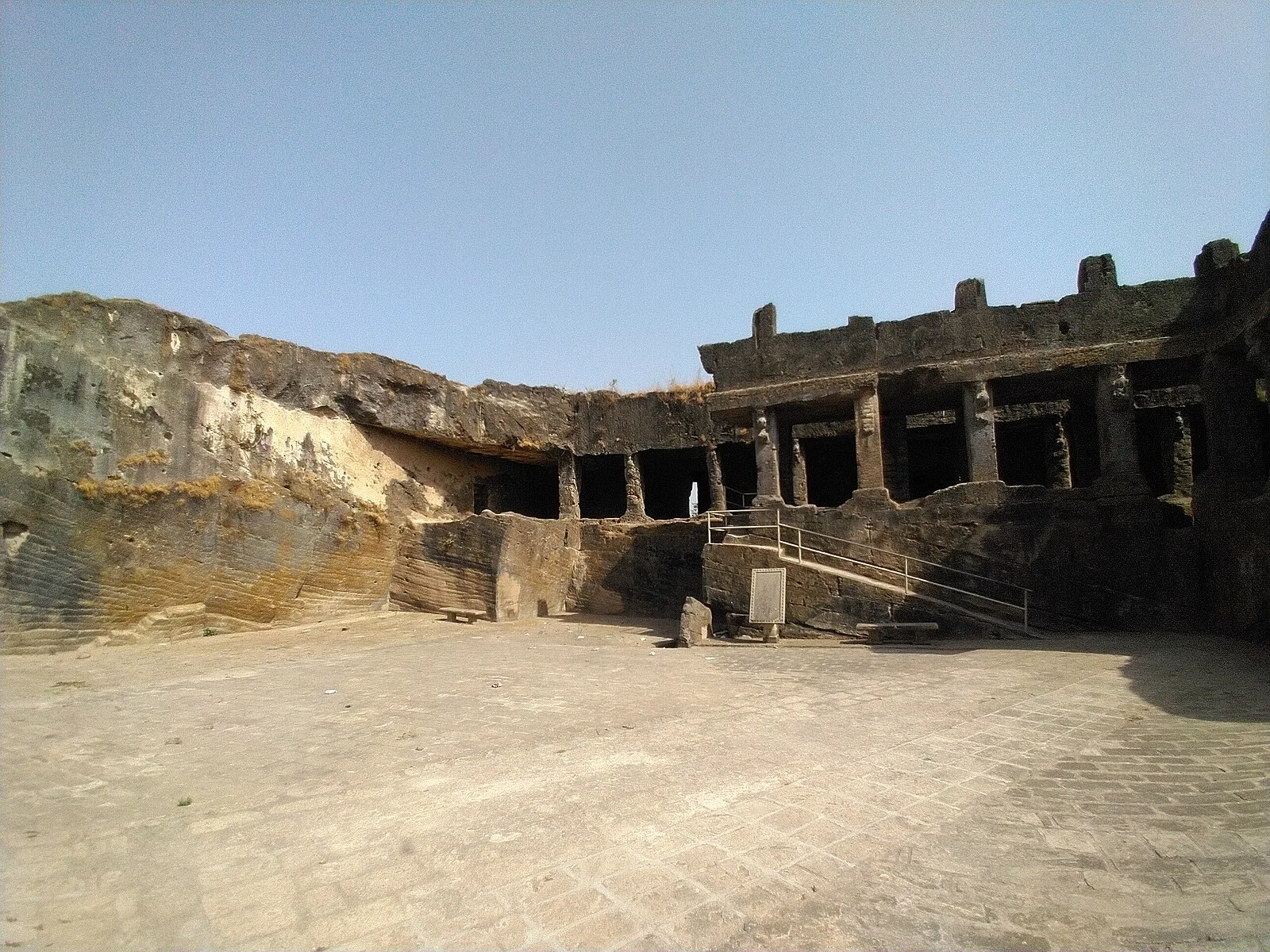
Also known as: Khapra Kodiya Caves, ખાપરા કોડિયા ગુફાઓ, கப்ரா கோடியா குகைகள், ඛාපරා කෝඩියා ලෙන්, ඛාප්රා කෝඩියා ලෙන්
| Type | Cave Structures |
|---|---|
| Period | 500 BC - 1 AD |
| Country | India |
| Coordinates | 21.5298° N, 70.4687° E |