
 Serbia
Top of Kinđa is at an altitude of 91 m, with the mound itself being elevated 5.3 m to 6 m above the surrounding ground [1]. The mound is earthen, circular and has a diameter of 50 m [1]. Kinđa is the largest and was one of the best preserved kurgans in Serbia [1]. Based on its monumental size, it is believed that Kinđa is the tomb of someone very important [1].
Text: Wikipedia – 'Kinđa' (revision of 2024-11-05), CC BY-SA 4.0 · sentences selected and shortened by an AI system · source →Kinđa
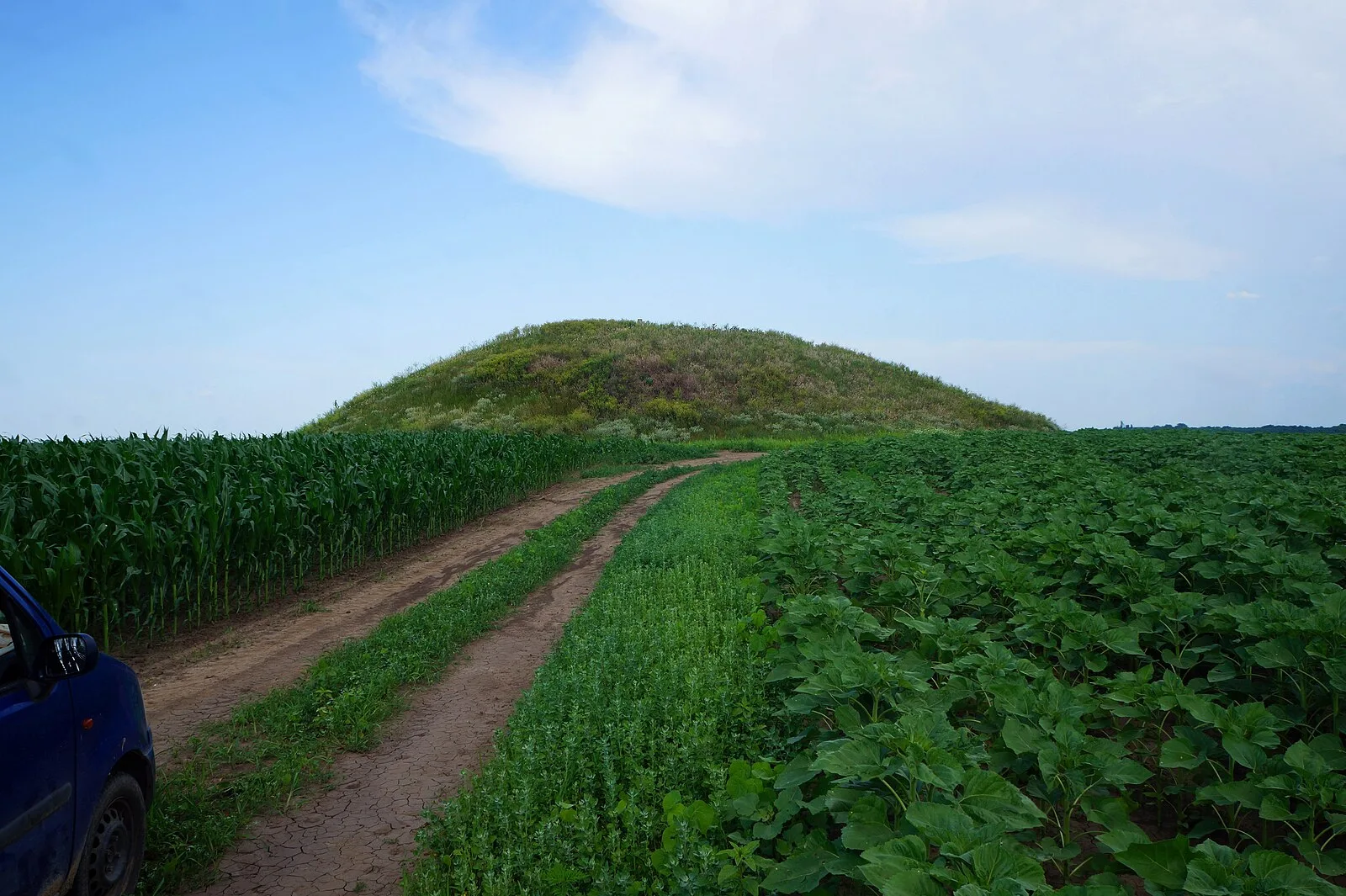
Also known as: Кинђа
| Type | Mound/tumulus |
|---|---|
| Period | 500 BC - 1 AD |
| Country | Serbia |
| Coordinates | 45.8548° N, 20.3924° E |