
 Poland
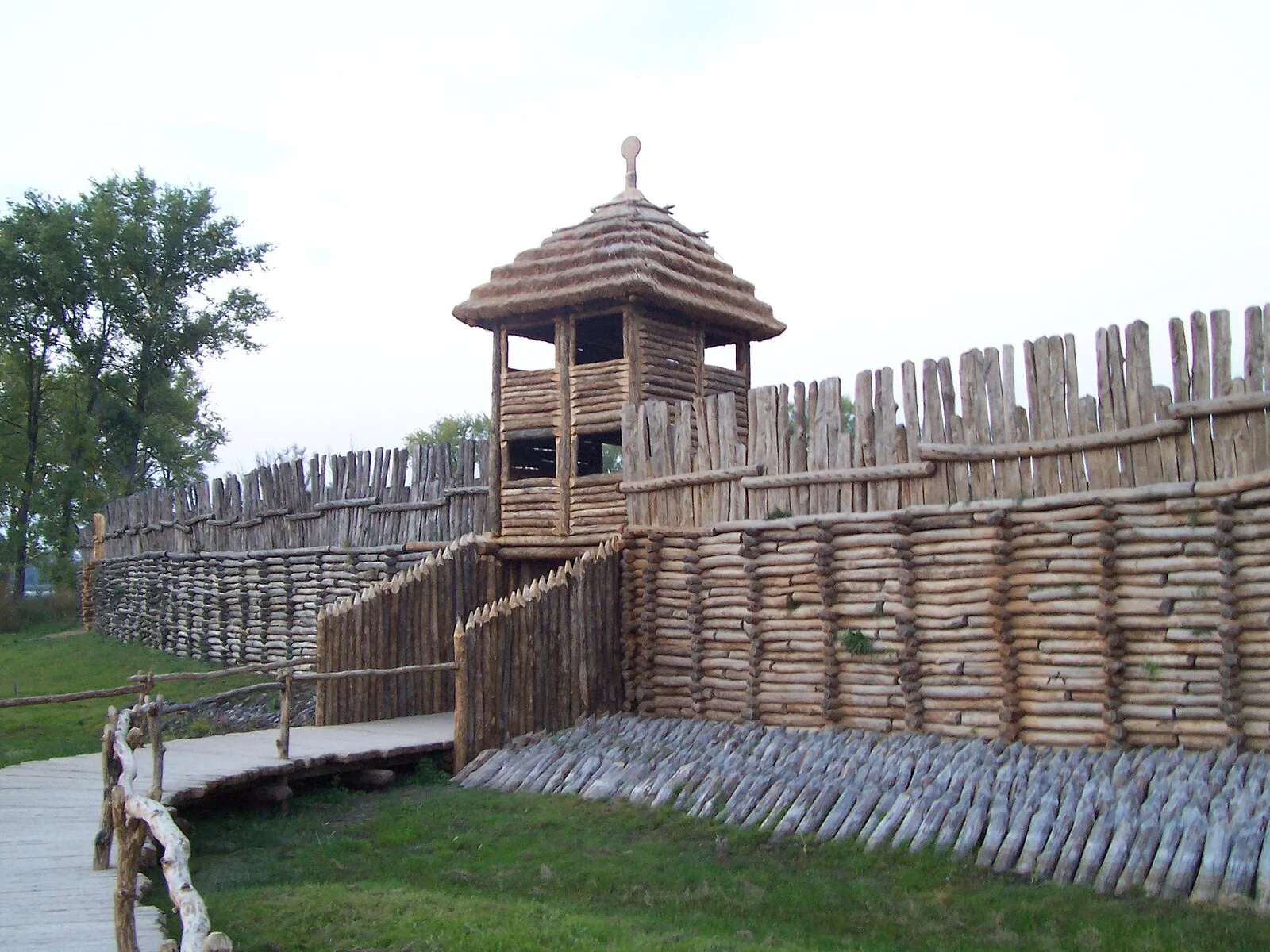
Biskupin is an archaeological site and a life-size model of a late Bronze Age fortified settlement in north-central Poland that also serves as an archaeological open-air museum [1]. When first discovered it was thought to be early evidence of a West Slavic settlement, but archaeologists later confirmed it belonged to the Biskupin group of the Lusatian culture from the 8th century BC [1]. In 1933, schoolteacher Walenty Szwajcer and his students discovered remains of a Bronze Age fort/settlement in Wielkopolska Region [1]. The site was excavated from 1934 onwards by the team from Poznań University, led by archaeologists Józef Kostrzewski and Zdzisław Rajewski [1]. The settlement at Biskupin belongs to the Hallstatt C and D periods (late Bronze Age/early Iron Age, 800–650 BC and 650–475 BC) [1].
Text: Wikipedia – 'Biskupin' (revision of 2026-07-18), CC BY-SA 4.0 · sentences selected and shortened by an AI system · source →Biskupin
Also known as: 비스쿠핀, 비스쿠핀 유적, Biskupina, Biskupino gyvenvietė, Biskupin (Polsha), Biskupin (prähistorisches Dorf), Réserve archéologique de Biskupin, Rezerwat archeologiczny Biskupin, Stanowisko archeologiczne w Biskupinie, Urstätt, Μπισκούπιν, Бискупин
| Type | City/town/settlement |
|---|---|
| Period | 1500 - 500 BC |
| Country | Poland |
| Coordinates | 52.7884° N, 17.7445° E |