
 Egypt
EgyptAbu Simbel comprises two massive rock-cut temples carved into a mountainside in the 13th century BC during the reign of Pharaoh Ramesses II [1]. The Great Temple features four colossal seated statues of Ramesses, while the smaller temple is dedicated to Queen Nefertari and the goddess Hathor [1]. When the Aswan High Dam threatened to submerge the site, a UNESCO-led international effort relocated the entire complex between 1964-1968, cutting them into over 1,000 blocks [1] [2]. It is now a UNESCO World Heritage Site [1] [3].
Abu Simbel Temples
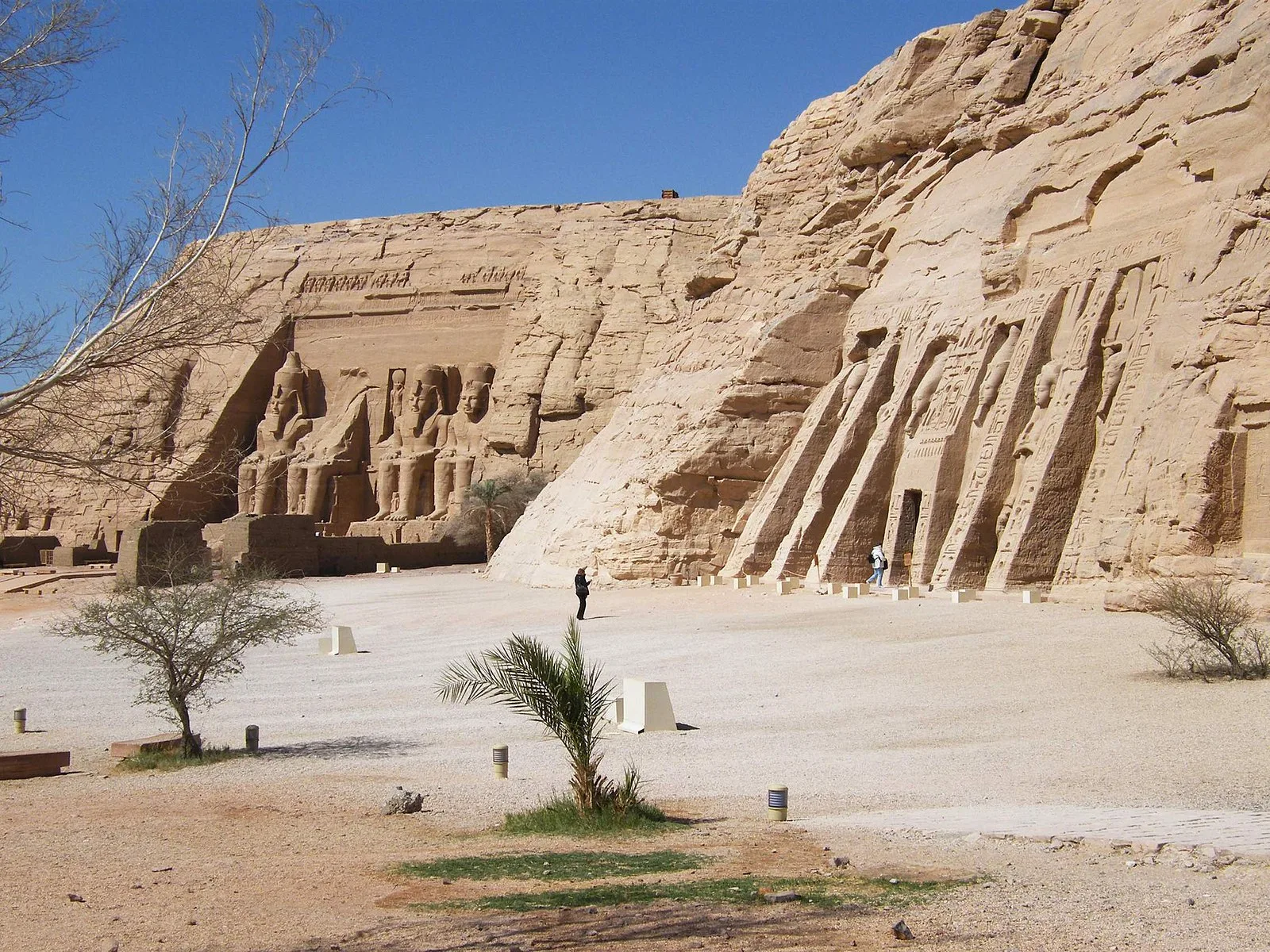
Also known as: 아부심벨, 아부심벨 신전, 아부 심벨, 아부 심벨 신전, Aboe Simbel, Aboe Simbel tempel, Aboe Simbel-tempels, Abul-Simbel, Abu Simbal, Abu Simbel, Abu-Simbel, Abu Simbelas
| Type | Temple complex |
|---|---|
| Period | 1500 - 500 BC |
| Country | Egypt |
| Coordinates | 22.3374° N, 31.6265° E |