
 Tunisia
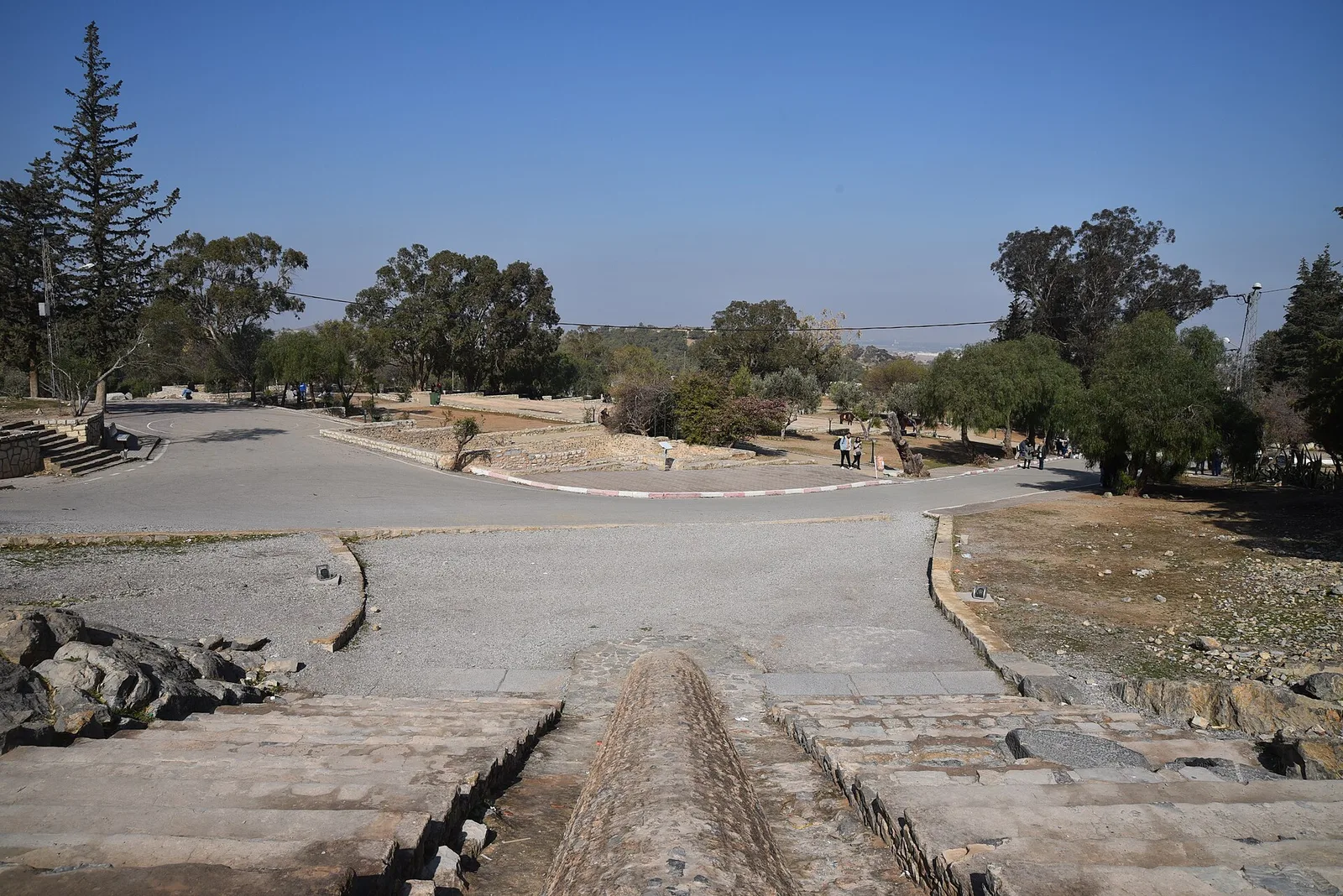
The Water Temple at Zaghouan, built during the reign of Emperor Hadrian around the mid-2nd century AD, is a semi-circular monument erected over a mountain spring that supplied the city of Carthage. Its crescent-shaped portico features 12 niches that once held statues representing the months of the year, with a central cella housing the spring source. The temple served as the starting point of the 90 km Zaghouan Aqueduct to Carthage, one of the longest Roman aqueducts ever built, portions of which remain in use by Tunisia's national water company today.
The Water Temple
| Type | Temple complex |
|---|---|
| Period | 1 - 500 AD |
| Country | Tunisia |
| Coordinates | 36.3872° N, 10.1312° E |