
 Türkiye
Karatepe-Aslantaş Open-Air Museum is an open-air museum in Osmaniye Province, Turkey [1]. The museum is located north of the 638 m-high Karatepe at Kızyusuflu village in Kadirli district of Osmaniye Province [1]. The site contains the remains of an ancient fortress dating back to the 8th century BC [1]. Originally named Azatiwadaya, the walled settlement was founded by Azatiwada, the king of Quwê, a Neo-Hittite kingdom [1]. It was built for defense against invaders from the north [1]. The ruined inner and outer walls of the fortress are 4–6 m high and 2–4 m thick [1]. The fortification stretches over 376 m in the south-north direction and 196 m in the east-west direction [1].
Text: Wikipedia – 'Karatepe-Aslantaş Open-Air Museum' (revision of 2026-07-09), CC BY-SA 4.0 · sentences selected and shortened by an AI system · source →Karatepe-Aslantaş Open-Air Museum
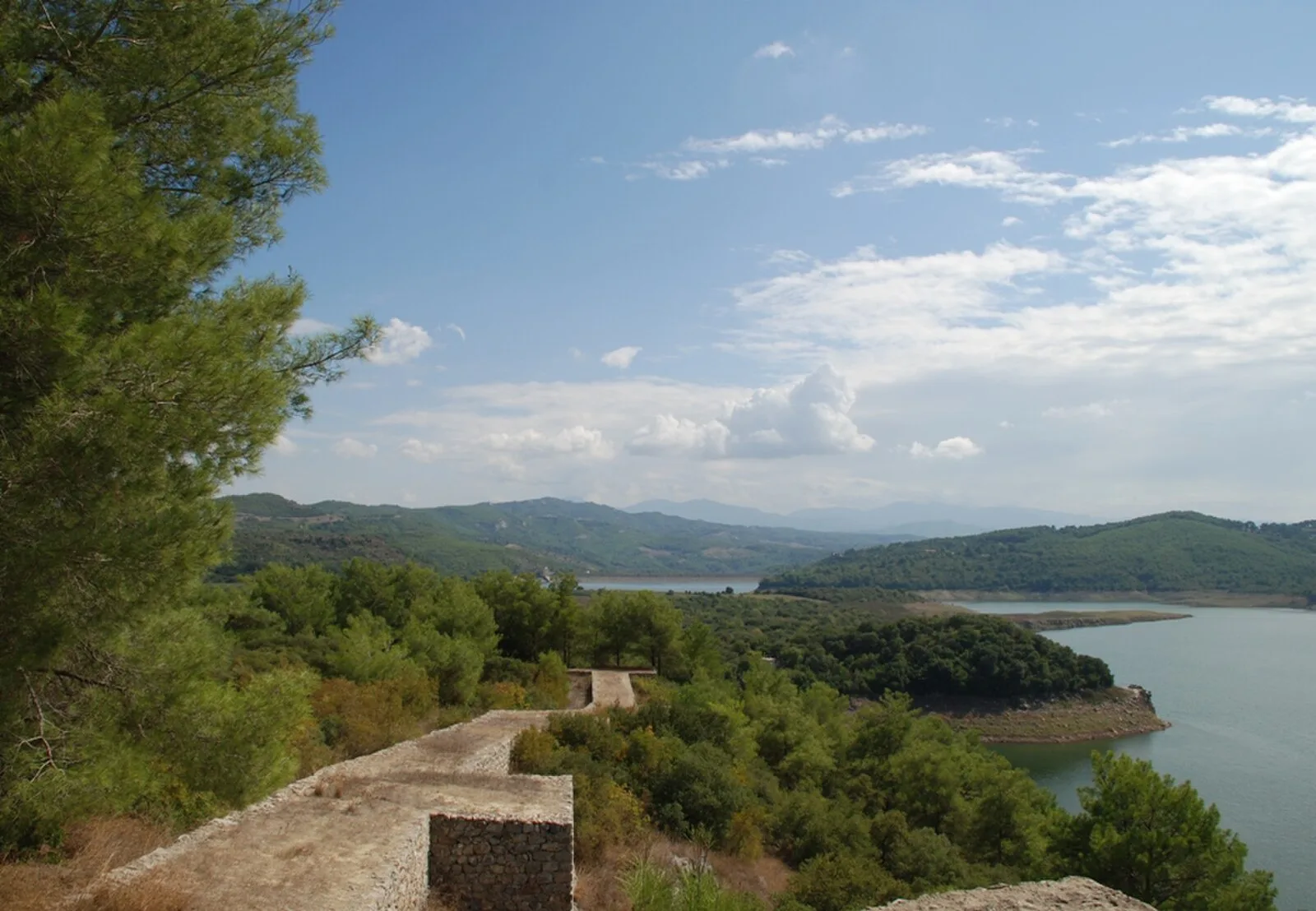
Also known as: Karatepe-Aslantaş Açık Hava Müzesi, ქარათეფე-ასლანთაშის ღია ცის ქვეშ მუზეუმი, متحف كاراتيب اسلانتا المفتوح
| Type | Museum |
|---|---|
| Period | 1500 - 500 BC |
| Country | Türkiye |
| Coordinates | 37.2963° N, 36.2530° E |