
 Kazakhstan
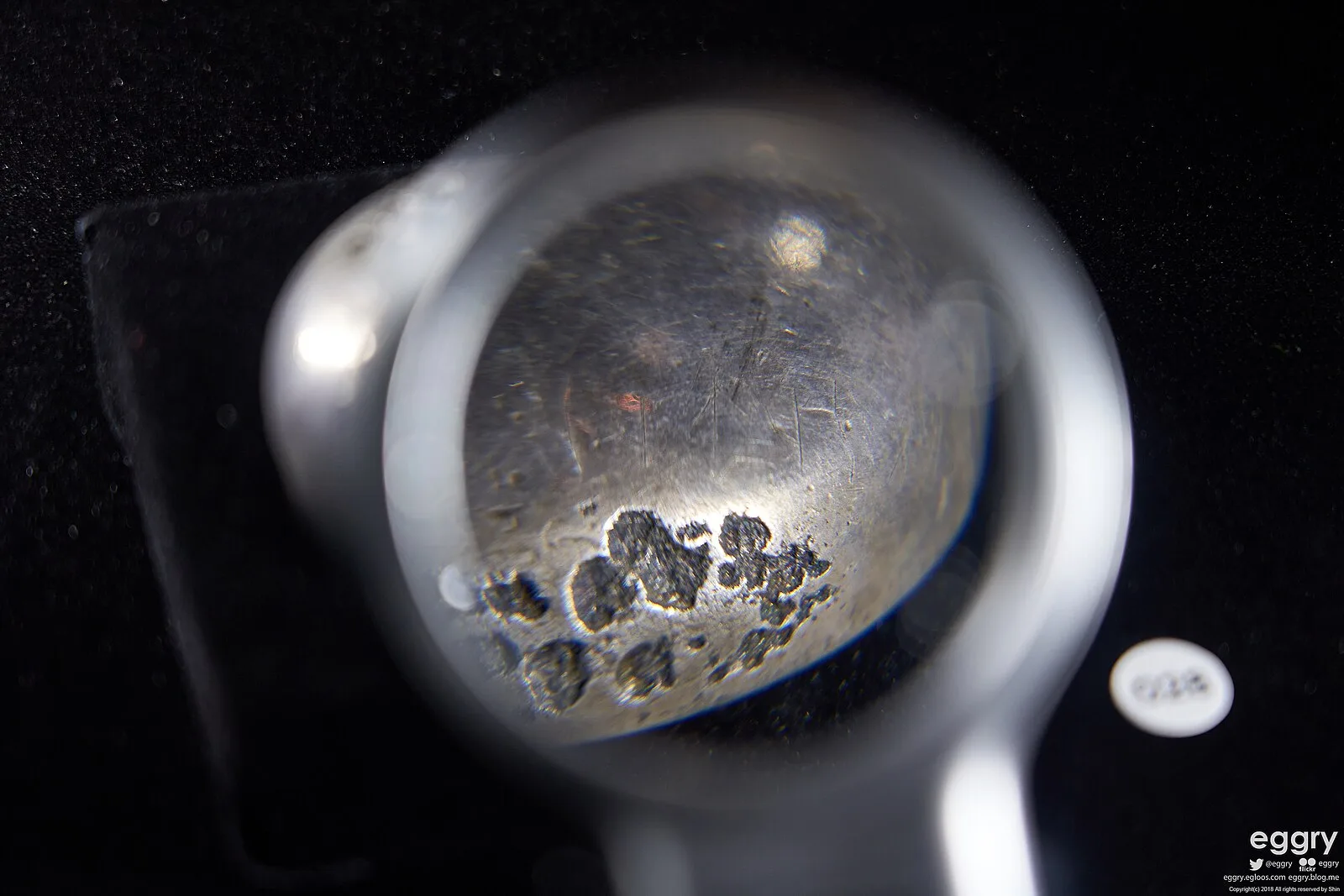
The Issyk kurgan, in south-eastern Kazakhstan, less than 20 km east from the Talgar alluvial fan, near Issyk, is a burial mound discovered in 1969 [1]. A notable item is a silver cup bearing an inscription, known as the Issyk inscription [1]. The burial complex is located on the left bank of the Issyk Mountain River, 50 kilometers to the east of the city of Almaty [1]. The burial ground consists of 45 large royal mounds with a diameter of 30 to 90 and a height of 4–15 meters [1]. The Issyk barrow is located in the western half of the burial ground [1]. Situated in eastern Scythia just north of Sogdiana, the kurgan contained a skeleton, warrior's equipment, and assorted funerary goods, including 4,000 gold ornaments [1].
Text: Wikipedia – 'Issyk kurgan' (revision of 2026-07-18), CC BY-SA 4.0 · sentences selected and shortened by an AI system · source →Issyk Kurgan
Also known as: Esik kurganı, Grafheuvel van Esik, Grafheuvel van Jesik, Isiški Kurgan, Issiq, Issyk-kurganen, kourgane de Iessik, kurgán de Issyk, Kurgan di Esik, Kurhan Issyk, Есік обасы, Иссыкский курган
| Type | Mound/tumulus |
|---|---|
| Period | 500 BC - 1 AD |
| Country | Kazakhstan |
| Coordinates | 43.3302° N, 77.6186° E |