
 Mongolia
The Noin-Ula burial site contains over 200 large burial mounds dating from the 1st century BCE to the 1st century CE. Located by the Selenga River in the hills of northern Mongolia north of Ulaanbaatar in Batsumber sum of Tov Province, these approximately square mounds reach about 2 metres in height and cover timber burial chambers [1]. Excavated in 1924–1925 by Pyotr Kozlov, the site was identified as the necropolis of Xiongnu aristocracy, including an exceptionally rich tomb of the historically known ruler Wuzhuliu, who died in 13 CE [1][2]. Most artifacts are now housed in the Hermitage Museum in Russia, while some are displayed in the National Museum of Mongolian History in Ulaanbaatar [1]. Four kurgans contained lacquer cups inscribed with Chinese characters naming Chinese craftsmen, dated from 9 BCE to 2 BCE [1].
Noin-Ula Burial Site
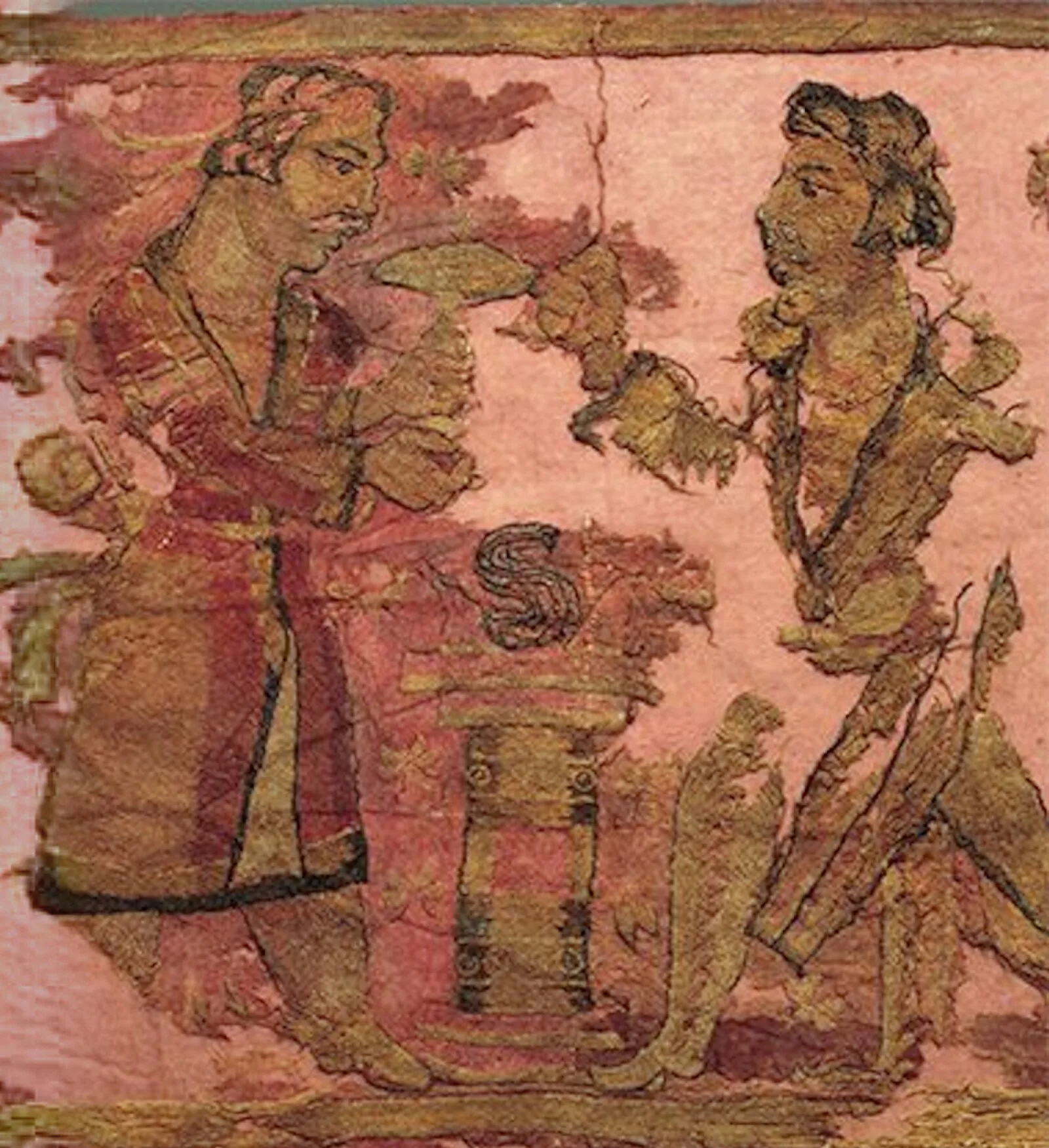
Also known as: 노인 울라 고분군, 노용 올 고분군, Noin-Ula, Noin Uła, Noin-Ula Kurganı, Noin-Ula kurgans, Гробље Нојон-ула, Ноён уулын булш, Ноин-Ула, נויון אול, ノイン・ウラ, ノイン・ウラ・クルガン
| Type | Necropolis/tombs complex |
|---|---|
| Period | 500 BC - 1 AD |
| Country | Mongolia |
| Coordinates | 48.3864° N, 106.7550° E |