

Archaeological Sites in Chile, Easter Island
Megalithic statues in Chile, Easter Island (3)
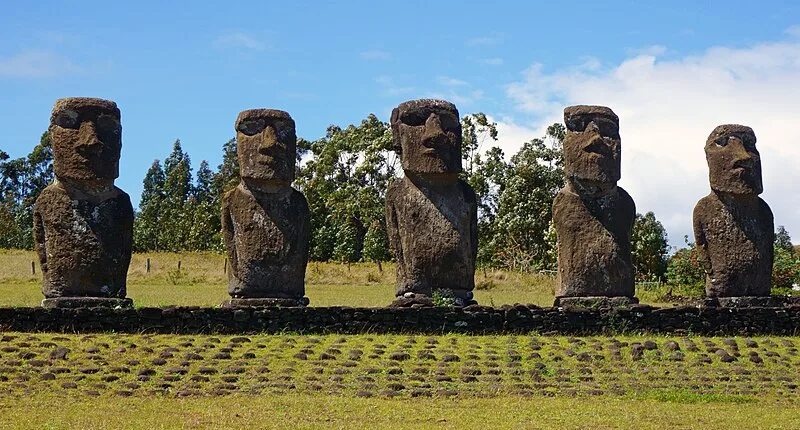
Ahu Akivi
An inland ceremonial platform on Easter Island bearing seven identical moai statues, uniquely oriented to face the ocean rather than inland. According to Rapa Nui tradition, they…
Ahu Nau Nau
Ahu Nau Nau is a megalithic platform located approximately 150 metres inland from Anakena Beach on Easter Island. Built between 1100 and 1500 AD, it occupies a site traditionally…

Ahu Tongariki
The largest ahu on Rapa Nui, Ahu Tongariki was constructed between 1-500 AD. Its fifteen moai were toppled during the island's civil wars and in the 20th century the ahu was swept…
Geological interest in Chile, Easter Island (2)
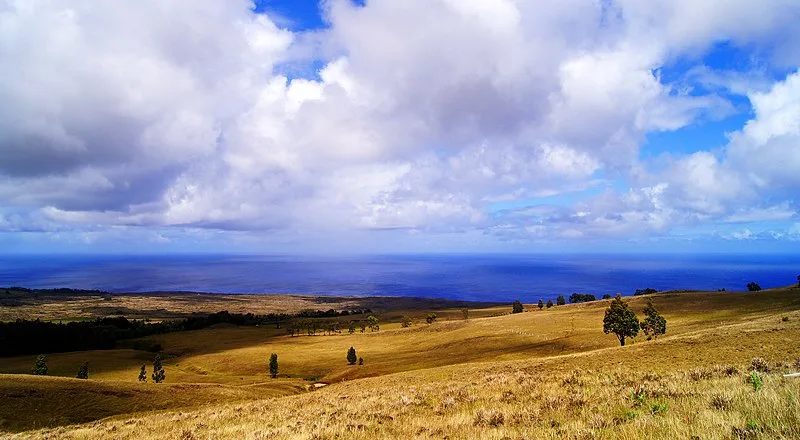
Easter Island
Easter Island (Rapa Nui) is a Chilean island in the southeastern Pacific Ocean, famous for its nearly 1,000 monumental moai statues created by the Rapa Nui people. The island…
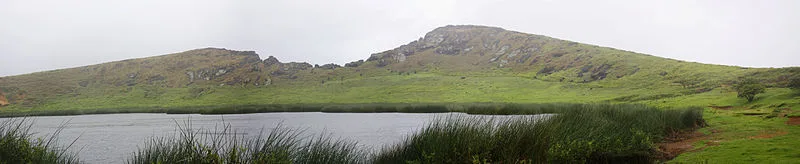
Rano Raraku
Rano Raraku is a volcanic crater on Easter Island formed from consolidated volcanic ash (tuff) on the lower slopes of Terevaka. It served as the primary quarry for approximately…
Megalithic stones in Chile, Easter Island (2)
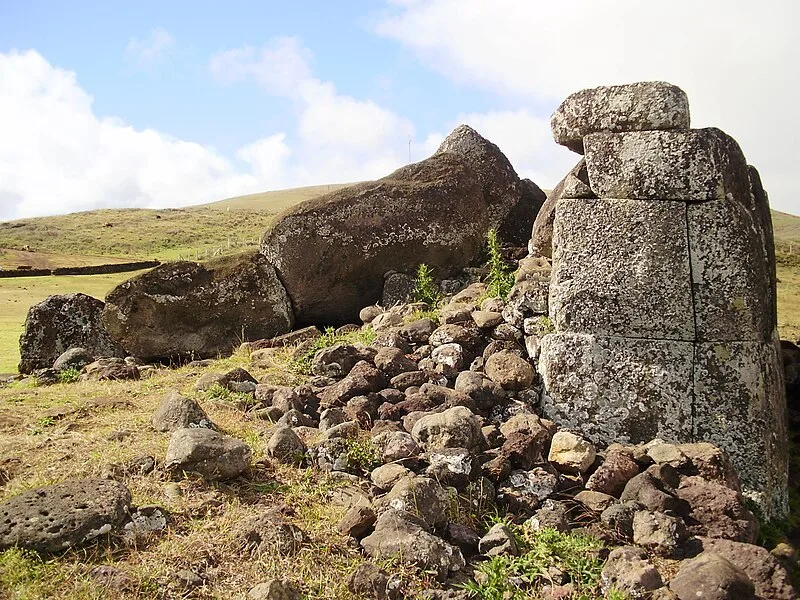
Ahu Vinapu
Ahu Vinapu is an archaeological site on Rapa Nui (Easter Island) featuring one of the largest ahu platforms on the island. The site is renowned for its exceptional megalithic…
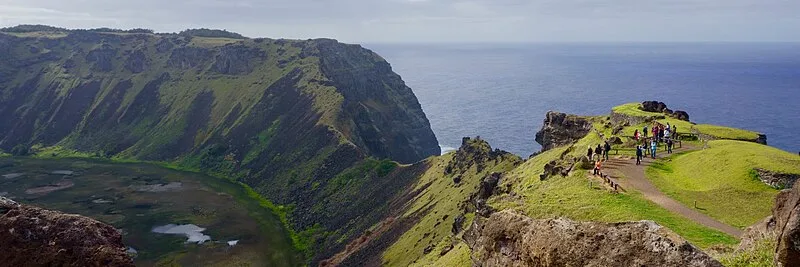
Orongo
Orongo is a stone village and ceremonial center at the southwestern tip of Rapa Nui, positioned on the high south-westerly rim of the volcanic caldera Rano Kau. The site comprises…
Megalithic structures in Chile, Easter Island (1)
Keep exploring
Every site on this page sits on the globe, and the people who research them are on the Discord.
3D Globe · Sites by country · Story Archive · Research Library · Weekly Journal · Search