

Archaeological Sites in Syria
Temple complex in Syria (5)
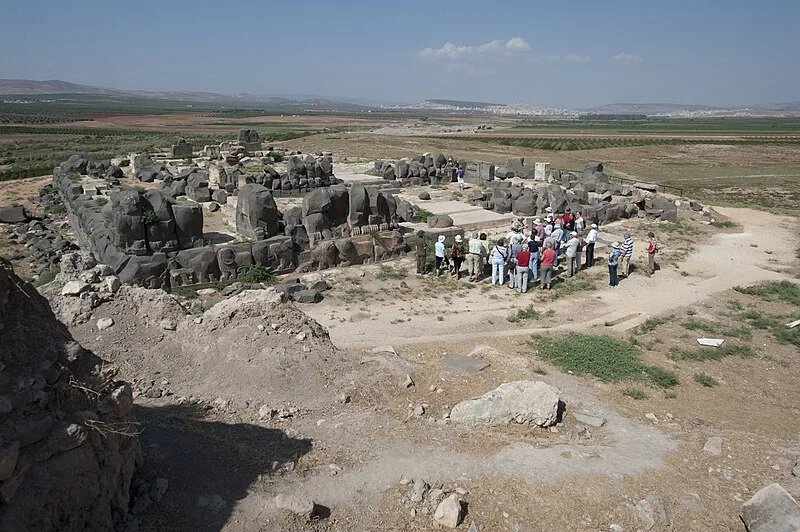
A'en Darah
Ain Dara is an Iron Age site in northern Syria featuring a Syro-Hittite temple complex located 49 km northwest of Aleppo and 7 km south of Afrin on the Afrin River's east bank. It…
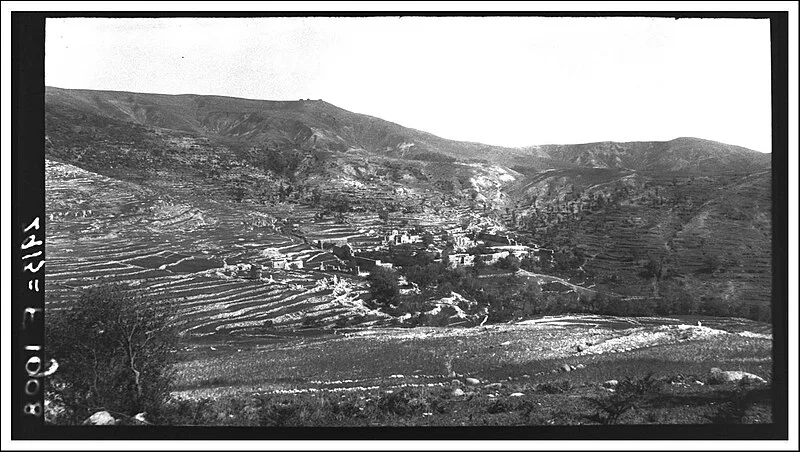
Husn Suleiman
A Syrian village on the Al-Ansariyah mountains, anciently known as Baetocaece, housing a major temple complex. Originally dedicated to the Phoenician god Baal, the sanctuary was…
, Syria - Architectural fragment (directly west of reliquary) - PHBZ024 2016 5168 - Dumbarton Oaks.webp)
KirkBiza
Qirqbize was an early Byzantine settlement in northwest Syria, one of the Dead Cities of the basalt region. The ruins are significant for early Christianity, containing the…
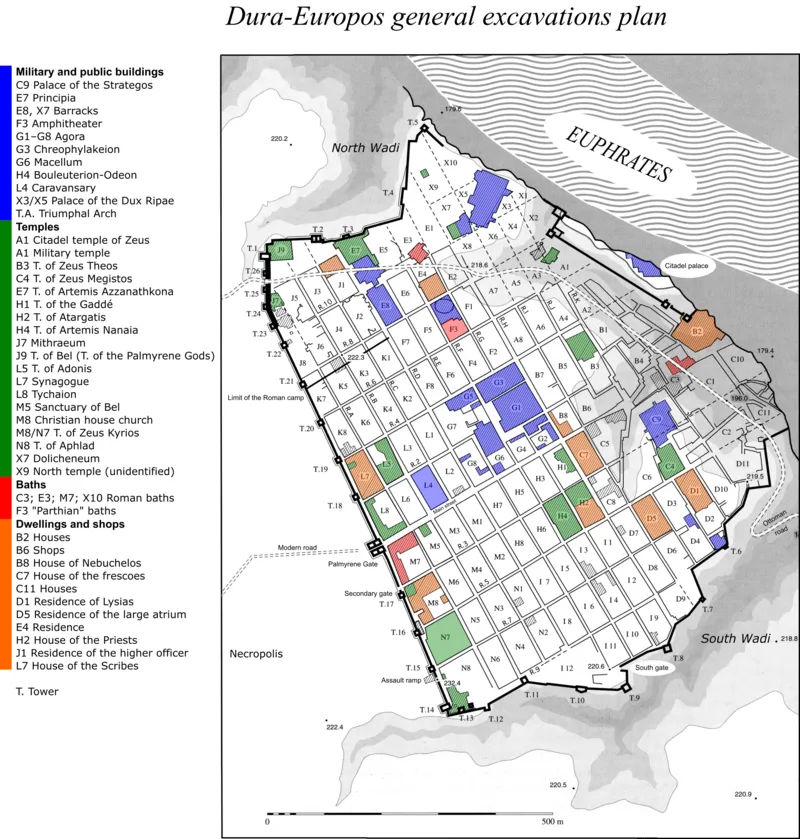
Temple of Zeus Theos, Dura Europos
Built in the 2nd century AD, the Temple of Zeus Theos was one of Dura Europos' most important sanctuaries, situated in the city center. The temple complex covered approximately 37…
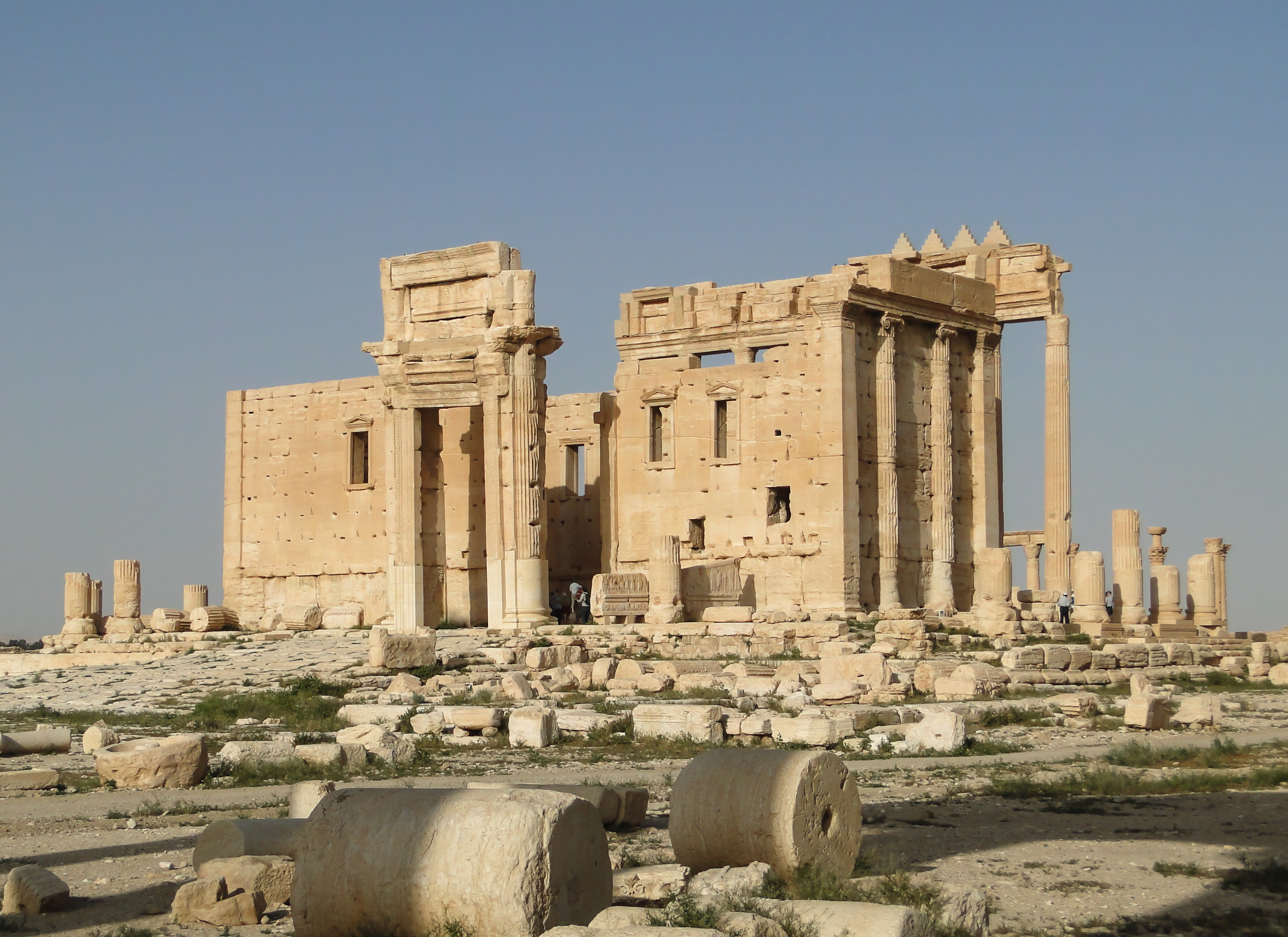
Templo de Bel
The Temple of Bel was an ancient temple in Palmyra, Syria, dedicated to the Mesopotamian god Bel, worshipped there in a triad with the lunar god Aglibol and the sun god Yarhibol.…
City/town/settlement in Syria (4)
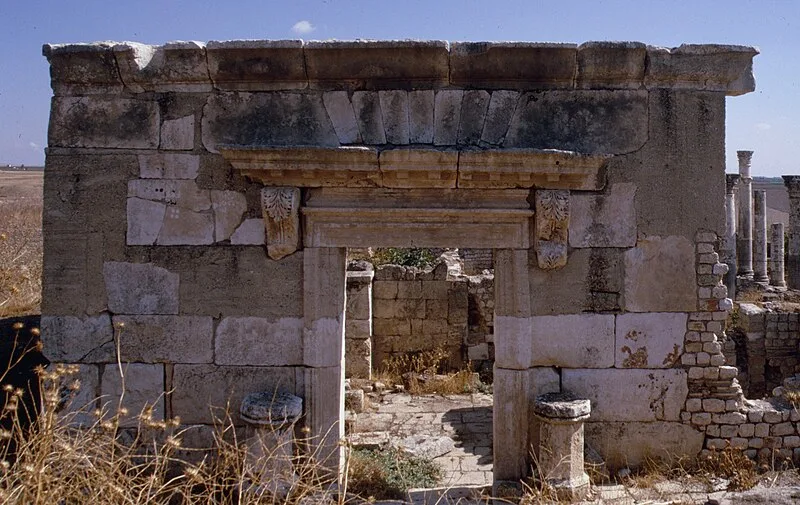
Apamea
Founded around 300 BC by Seleucus I Nicator on the Orontes River in northwestern Syria and named for his wife Apama. With some 117,000 inhabitants, it was one of the largest…
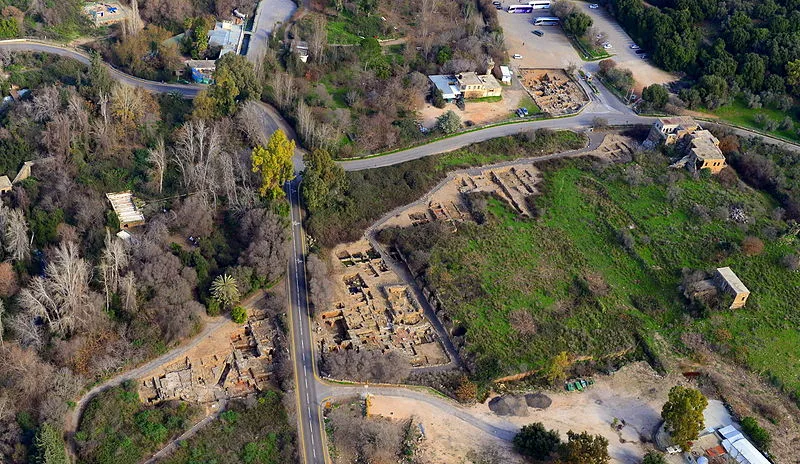
Banias
Banias is an archaeological site in the Golan Heights near a natural spring associated with the Greek god Pan. The spring is the source of the Banias River, one of the main…
Kharrab Shams
Kharab Shams (also Kharab al-Shams) is an early Byzantine settlement located in the Dead Cities region of northwestern Syria, flourishing during the late 4th century AD. The…
Zenobia Cham Palace Hotel
(4th-6th c. AD) An early Byzantine settlement located in the Dead Cities region of northwestern Syria. The site features the ruins of an unusually tall basilica, two churches…
Temple in Syria (2)
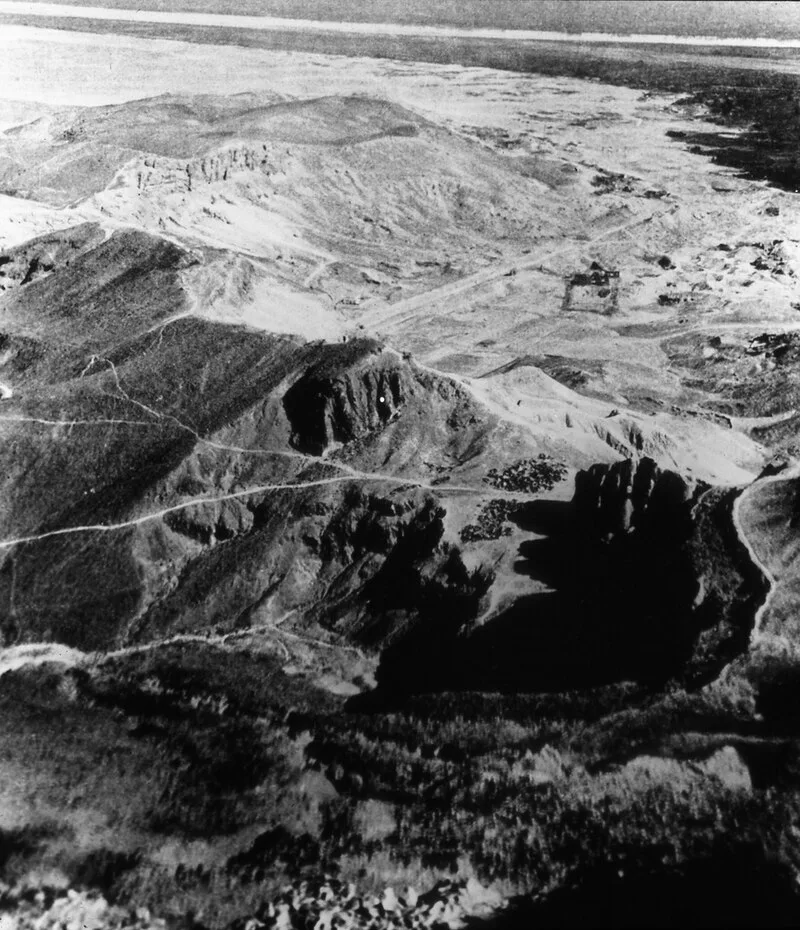
Funerary Temple
Funerary temple in Palmyra dating to the 2nd–3rd century AD, featuring a well-preserved portico supported by six columns with Corinthian capitals. The portico leads to a large…
Temple of Baalshamin
(2nd c. BC - 131 AD, destroyed 2015) Ancient temple in Palmyra dedicated to Baalshamin, the Canaanite sky deity. Earliest phase dates to the late 2nd century BC. The altar was…
Castle/palace in Syria (1)
Megalithic stones in Syria (1)
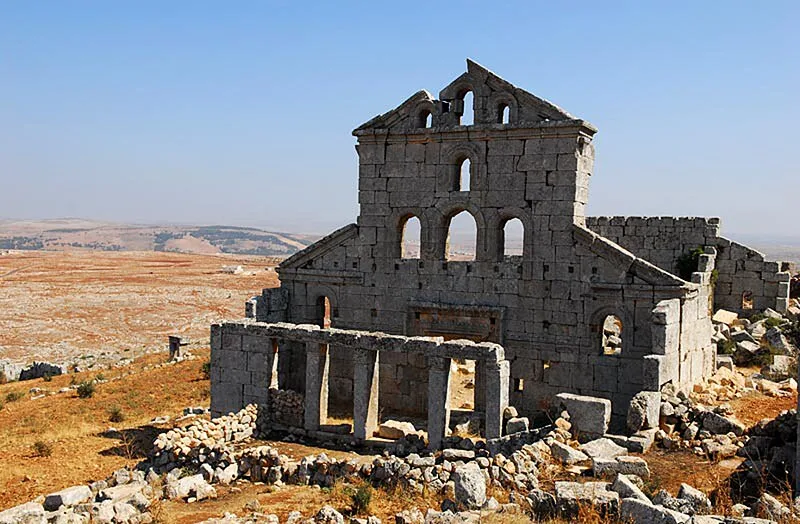
Megalithic structures in Syria (1)
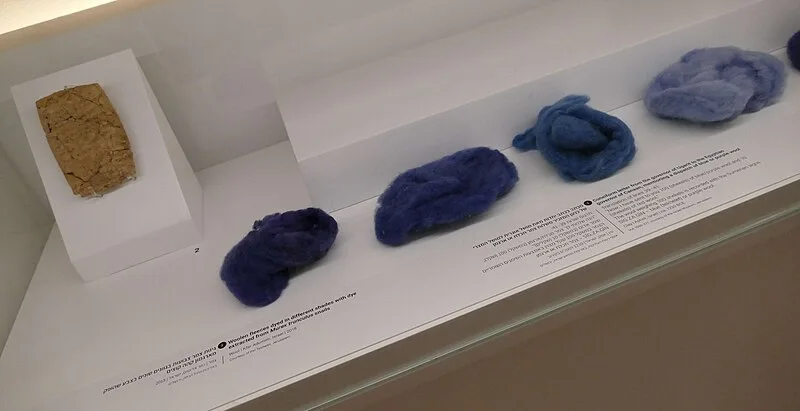
Museum in Syria (1)
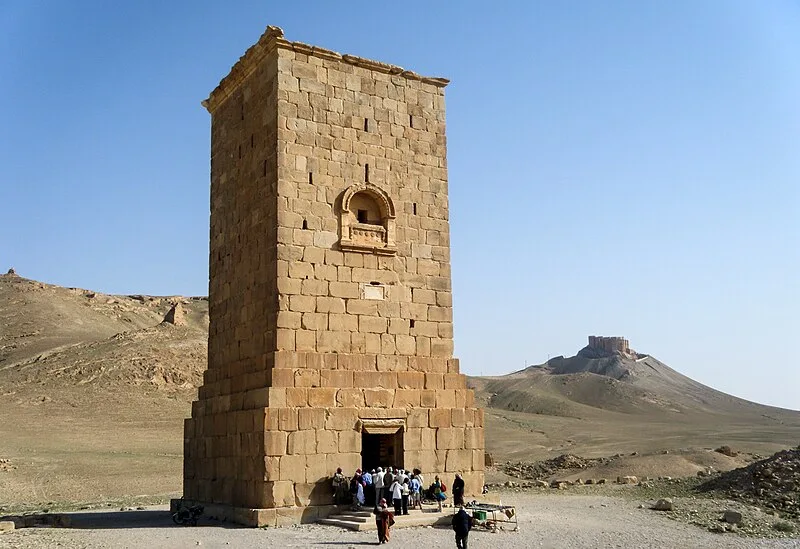
Necropolis/tombs complex in Syria (1)
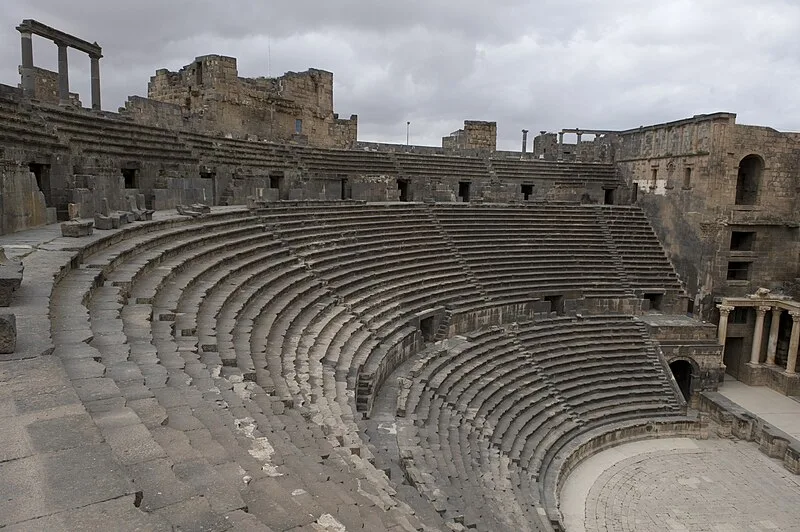
Theatre in Syria (1)
Keep exploring
Every site on this page sits on the globe, and the people who research them are on the Discord.
3D Globe · Sites by country · Story Archive · Research Library · Weekly Journal · Search