
 Panama
Venado Beach is part of the Gran Coclé culture [1]. This site is notable for its large number and variety of burials and grave goods, especially those with offerings objects of gold and evidence for human sacrifice [1]. Venado Beach was once within the target area used by Fort Kobbe, about 10 miles from the 16th century Spanish settlement of Old Panama [1]. It was first discovered by the U.S. Navy in 1948 while bulldozing off the topsoil in order to enrich the lawns of the 15th Naval District [1]. The site was excavated in the late 1940s and early 1950s [1]. The skeletal remains of a total of 369 individuals were found extended across the Mangopobre Valley [1]. Excavators found many burials in ceramic urns [1].
Text: Wikipedia – 'Venado Beach' (revision of 2025-11-24), CC BY-SA 4.0 · sentences selected and shortened by an AI system · source →Venado Beach
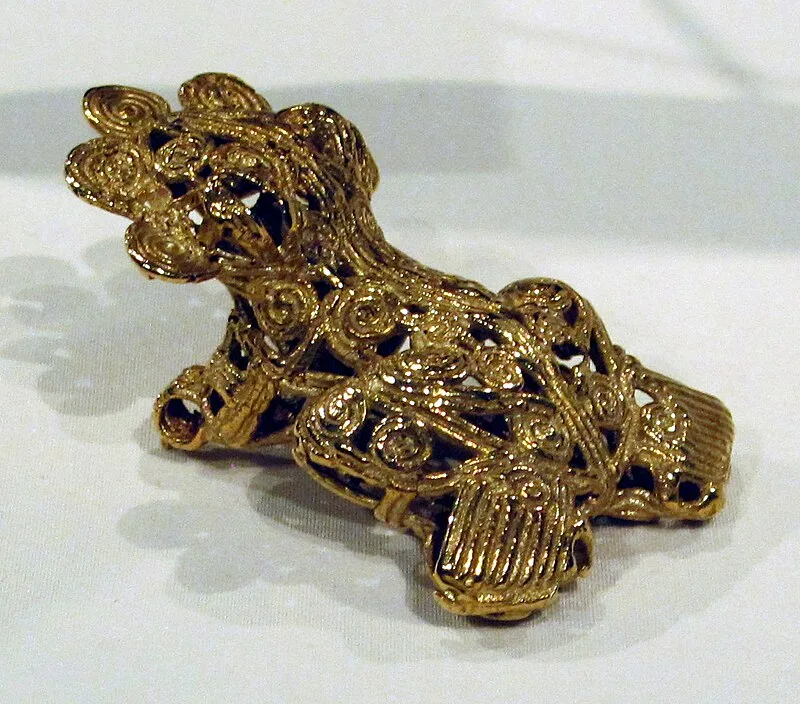
Also known as: Playa Venado
| Type | Archaeological site |
|---|---|
| Period | 500 - 1000 AD |
| Country | Panama |
| Coordinates | 8.9078° N, 79.6015° W |