

The 1st century BCE geographer Strabo used Homer's clues about Ithaca being low-lying and farthest out to sea to identify it as the modern Greek island. He theorized Homer's 'Samos' was modern Kefalonia. Coins from 4th-2nd centuries BCE found on Ithaca often depict Odysseus himself! 📜
Strabo identified Homer's Ithaca (Ionian Islands) as modern island using geographic clues
 Greeceunverified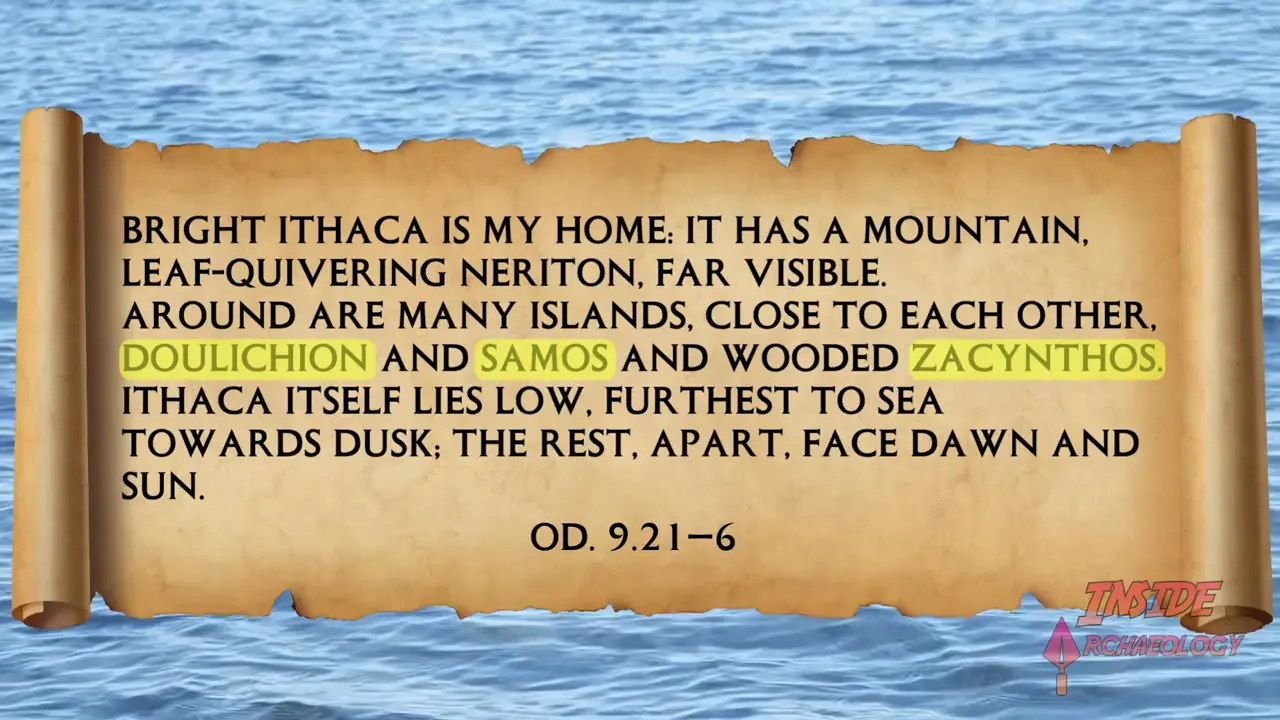
Key facts
- Strabo wrote in the 1st century CE, approximately 700 years after the Odyssey was composed
- Strabo interpreted the description of Ithaca (Ionian Islands) as low-lying and furthest out to sea towards dusk as meaning it was close to the mainland and farthest to the north
- Strabo theorized Samos was modern Kefalonia and Doulichion was one of the Echinades islands
- Coins from the 4th to 2nd centuries BCE found in Ithaca (Ionian Islands) frequently portray Odysseus
- A 3rd century BCE inscription at Magnesia in modern Turkey refers to an Ithaca (Ionian Islands)n hero shrine of Odysseus and games called the Odiseia
Site mentioned
Keep exploring
Every site on this page sits on the globe, and the people who research them are on the Discord.
3D Globe · Sites by country · Story Archive · Research Library · Weekly Journal · Search
AI-generated text · images from the original sources · always verify with the sources.