

Two major culprits likely drove Rapa Nui's deforestation: rats and drought. A 2025 study estimated Polynesian rats could have hit 11 million within 50 years of settlement, and ancient palm nut analysis shows up to 95% gnawed through. Rat bone deposits drop ~63% over time, reflecting declining populations. Meanwhile, 2025 sediment cores from crater lakes reveal a severe drought beginning around 1550, cutting rainfall by 600–800 mm annually for about a century.
Polynesian rats and drought, not statue carving, drove Easter Island deforestation
 ChileDating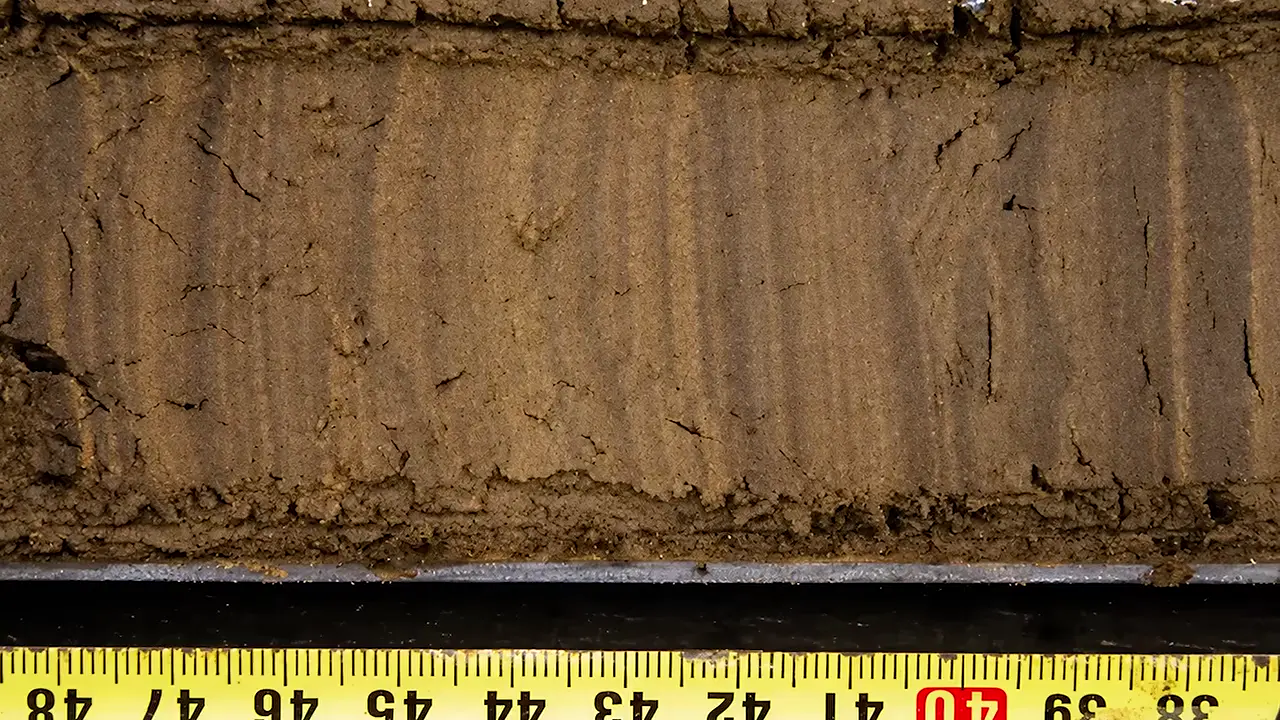
Site mentioned
Key facts
- Polynesian rats arrived with the original settlers and bred rapidly with no natural predators
- A 2025 study estimated the rat population could have reached 11 million within 50 years
- Studies of ancient palm nuts found up to 95% had been gnawed through by rats
- By around 1650, nearly all of the estimated 15 to 20 million palm trees were gone
- Rat bone deposits in the archaeological record decline by about 63%, suggesting fewer rats were eaten over time
- In 2025, scientists pulled sediment cores from crater lakes showing a severe drought beginning around 1550 and lasting about 100 years
- The drought reduced rainfall by 600 to 800 mm per year
Sources
pbs.org
Linked in video description
nationalgeographic.com
Linked in video description
eisp.org
Linked in video description
penguin.co.uk
Linked in video description
Was this story useful?
Keep exploring
Every site on this page sits on the globe, and the people who research them are on the Discord.
3D Globe · Sites by country · Story Archive · Research Library · Weekly Journal · Search
AI-generated text · images from the original sources · always verify with the sources.