

Rapa Nui farmers spread broken volcanic rock to build gardens that held moisture and sheltered plants. A 2024 study used satellite imagery and machine learning to measure all rock gardens on the island, finding they total about 3/4 of a square kilometer, roughly a fifth of earlier farmland estimates. This suggests a peak population of only 3,000–4,000 people, close to the ~3,000 Roggeveen's crew counted when they arrived in 1722.
2024 satellite survey of rock gardens revises Easter Island population downward
 ChileRemote SensingNew Research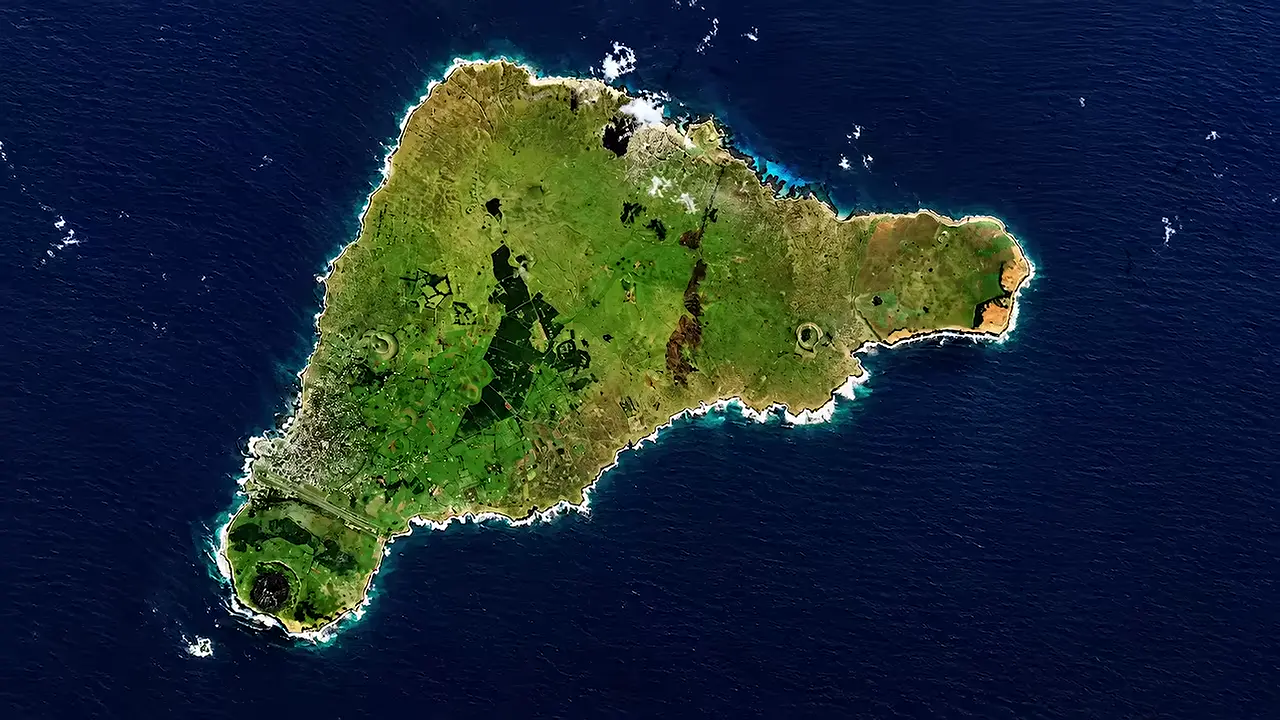
Site mentioned
Key facts
- Rapa Nui farmers used rock gardens, spreading broken volcanic rock to hold moisture and shelter plants
- In 2024, satellite imagery and machine learning were used to measure total rock garden coverage
- All rock gardens on the island together cover about 3/4 of a square kilometer
- This is roughly a fifth of earlier careful estimates of farmland
- Best population estimate based on farmland is around 3,000 to 4,000 people
- When Roggeveen's ships arrived in 1722, they counted roughly 3,000 inhabitants
- Older estimates of 15,000 to 30,000 people are now considered inflated
Sources
pbs.org
Linked in video description
nationalgeographic.com
Linked in video description
eisp.org
Linked in video description
penguin.co.uk
Linked in video description
Was this story useful?
Keep exploring
Every site on this page sits on the globe, and the people who research them are on the Discord.
3D Globe · Sites by country · Story Archive · Research Library · Weekly Journal · Search
AI-generated text · images from the original sources · always verify with the sources.