

Varna's gold was cast, not just hammered: a Cambridge Archaeological Journal study, plus lost-wax casting, famous in Asia. Vinča copper was smelted, not hammered. ✨
Lost-wax casting and deliberate gold alloys evidence advanced Varna metallurgy
 BulgariaGeneral
Key facts
- While some early accounts proposed cold hammering, a study in the Cambridge Archaeological Journal argues the Varna gold objects were made by casting.
- There is also evidence for the lost-wax casting technique at Varna, a technique best known for intricate Asia. examples.
- Some gold objects contain enough copper to indicate deliberate alloying rather than the use of naturally impure gold.
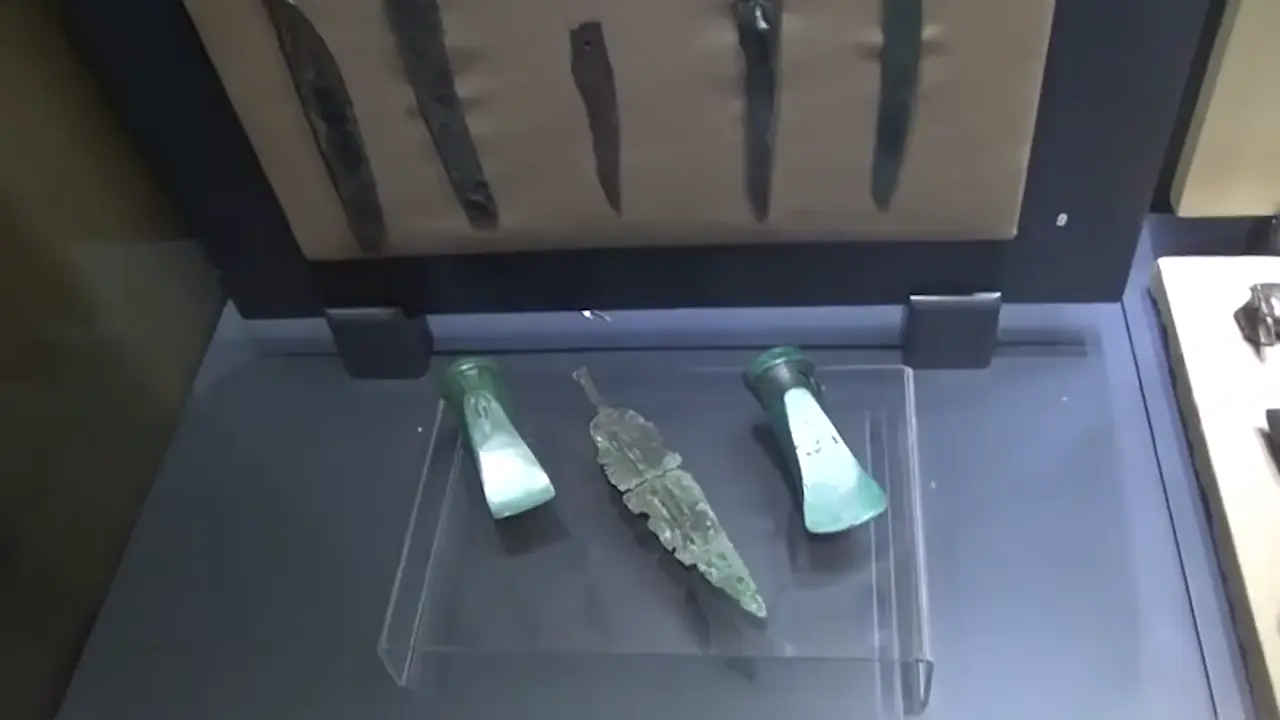
- Varna copper was smelted and poured into molds, unlike the cold-hammered copper technique used at Vinča
- Agate beads show carefully repeated arrangements of 32 facets, requiring shaping, grinding, polishing and drilling, with a tiny gold cylinder inside the perforation probably for threading onto a necklace, bracelet or tassel; the beads are only a few millimeters across.
- A flint blade exceeding 40 cm (16 in) in length shows that stone tools remained in use alongside early metallurgy.
Was this story useful?
Keep exploring
Every site on this page sits on the globe, and the people who research them are on the Discord.
3D Globe · Sites by country · Story Archive · Research Library · Weekly Journal · Search
AI-generated text · images from the original sources · always verify with the sources.