

A 2024 dietary study analysed 60 individuals from the Varna 1 and Varna 3 cemetery layers and found no clear correlation between the number of grave goods and modelled meat and fish contributions to diet. The standout case: Grave 44, a 13-year-old boy with no grave goods at all, had the highest estimated combined animal and fish contribution — and he lies right next to the richest burial, Grave 43. 🥩
2024 diet study finds no link between Varna grave goods and meat consumption
 BulgariaGeneral
Key facts
- A dietary study published in 2024 analyzed 60 individuals from the Varna 1 and Varna 3 cemetery layers.
- Researchers found no clear correlation between the number of grave goods and modelled contributions of meat and fish to diet.
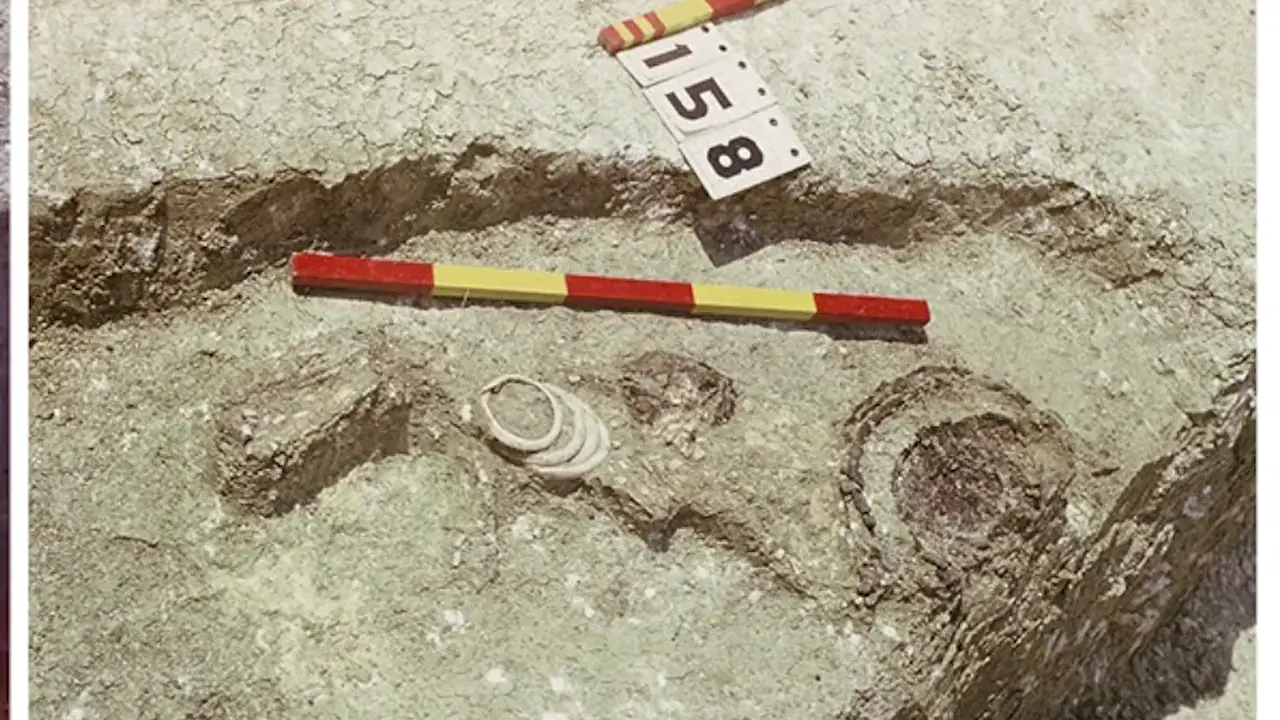
- Grave 44, a 13-year-old boy with no grave goods, had the highest estimated combined animal and fish contribution in the sample.
- Grave 44 lies directly adjacent to the richest burial, Grave 43.
- The results undercut the assumption that in early farming societies only the rich gold burials ate meat, and the presenter argues gold may not have functioned as a status symbol in Varna culture.
Was this story useful?
Keep exploring
Every site on this page sits on the globe, and the people who research them are on the Discord.
3D Globe · Sites by country · Story Archive · Research Library · Weekly Journal · Search
AI-generated text · images from the original sources · always verify with the sources.