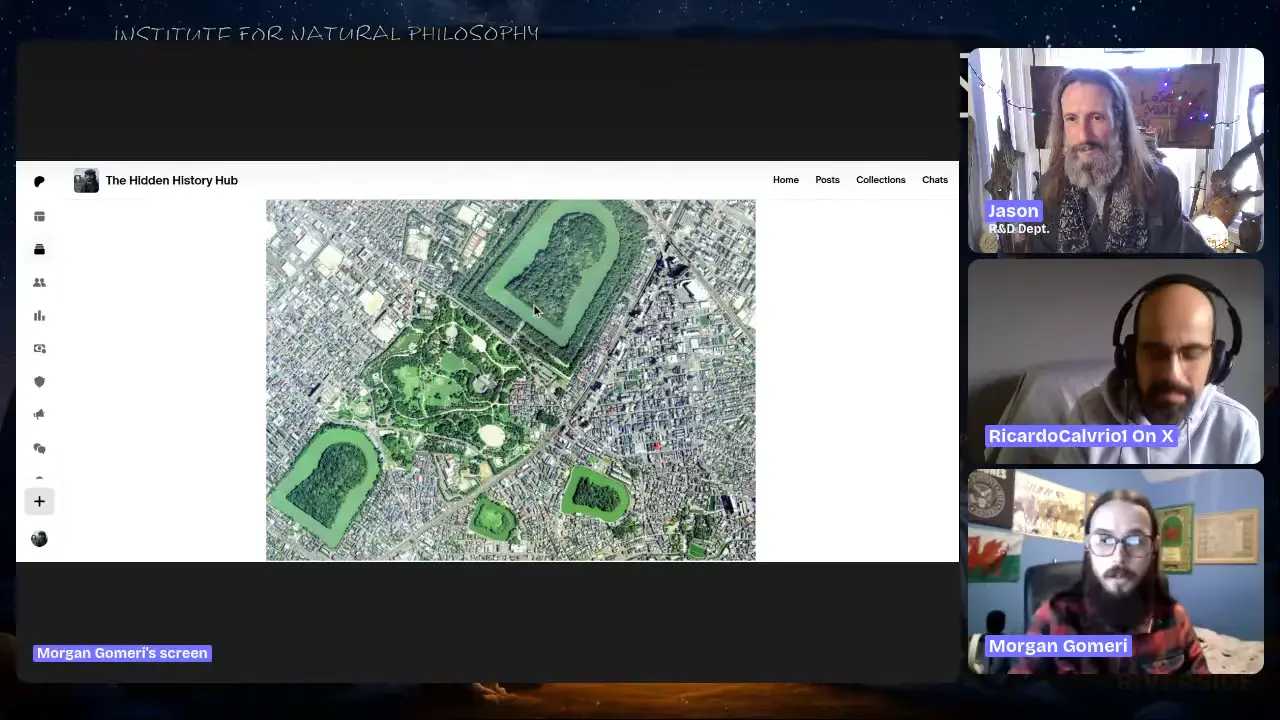
Keyhole-shaped Kofun burial mounds in Japan date to roughly 300-710 AD and are MASSIVE - Daisenryō Kofun (Emperor Nintoku's tomb) at 486m long is among the world's largest ancient burial mounds! Research suggests this culture emerged as the Yamato state formed, with significant contributions from Korean Peninsula migrants (Toraijin) who introduced iron technology, continental writing systems, and new cultural practices that helped shape Japanese civilization. 🏛️
Key facts claimed:
- Kofun culture emerged around 300 AD with influences from Korean Peninsula migrants
- Kofun period burial mounds (keyhole-shaped) with Daisenryō Kofun being the world's largest keyhole-shaped tomb
- Migrants introduced continental technologies including iron working and writing systems
- Kofun culture established clan-based systems that influenced later Japanese political structures
- Technological innovations developed during this period, advancing iron working techniques
Sources
The Guardians of Japan's Keyhole Tombs - ny timesnytimes.comThe burial mound, known as a kofun, is a gently arching mass of greenery in the Osaka urban sprawl. Covered originally in stone, it gives a profound sense of ...
Kofun: Japan's Keyhole-Shaped Burial Mounds | Amusing Planetamusingplanet.comThey ranged in size from a few meters to over four hundred meters long. The more powerful and influential the person was, the bigger his kofun ...
Kofun: Japan's Mysterious Key-shaped Burial Moundsjapancheapo.comThese burial mounds vary in sizes, from a relatively small 50 m in diameter to an impressive 400 m in length. Often located in areas of great political or ...
— JojaMapsjojamaps.com... Kofun (Emperor Nintoku's tomb) is the largest kofun in Japan at 486 meters. The Mozu-Furuichi Kofun Group comprises 49 ancient burial mounds ...
Exploring Japanese Kofun Tombs: Ancient Japanese Burial Moundjobsinjapan.comThe most prevalent and recognizable shape among kofun tombs is the keyhole design. This design resembles, quite literally, a keyhole when ...
AI-generated text · images from the original sources · always verify with the sources.