

'Stepped cenote' is what Chinkultic means in Maya, named after Agua Azul — a ~164-foot-deep sinkhole with offerings and temples on its rim. The Acropolis required 1,000 steps symbolizing the sun's passage from earth to sky. Unlike most Maya centers abandoned ~900 CE, Chinkultic survived into the 13th century. Remarkable! 🏺
Chinkultic's Agua Azul cenote, Acropolis, and Postclassic survival to the 13th century
 MexicoGeneral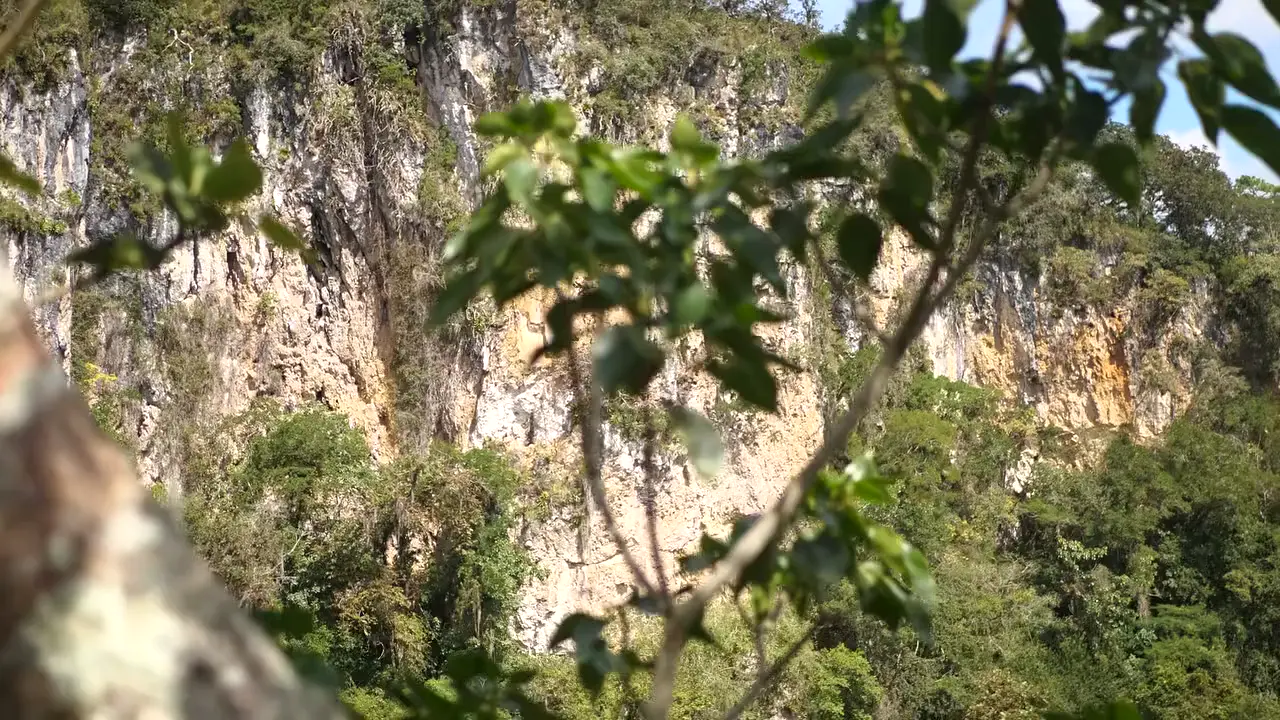
Key facts
- The Agua Azul Cenote is a natural sinkhole approximately 164 feet (50 meters) deep
- The Maya name "Chinkultic" means "stepped cenote," named after the Agua Azul cenote
- At least two temples were constructed on the cenote rim, and archaeologists found offerings within the waters
- The Acropolis required climbing a thousand steps, with the stairway likely symbolizing the passage of the sun from beneath the earth up into the sky
- Elite tombs were found beneath altars at the Acropolis dating to the early Postclassic period, around the 1200s CE
- The Pyramid of the Slabstones contains Mesoamerica's largest cut stone building blocks
- Unlike most major Maya centers abandoned around 900 CE, Chinkultic continued to be occupied until the 13th century, making it one of the few Maya sites in the region to survive into the Postclassic period
- The practice of erecting hieroglyphic monuments ceased after 900 CE, suggesting a change in political organization
Site mentioned
Was this story useful?
Keep exploring
Every site on this page sits on the globe, and the people who research them are on the Discord.
3D Globe · Sites by country · Story Archive · Research Library · Weekly Journal · Search
AI-generated text · images from the original sources · always verify with the sources.