

Chinkultic's earliest occupation dates to the Late Preclassic (around 50 BCE), but it became a major Classic center after 250 CE, peaking 700-900 CE. A branch of the Chan Ao royal lineage ruled for ~300 years. The ball player marker features 12 glyphs with a Long Count date of May 19, 591 CE. 🏛️
Chinkultic's Classic period rise and ball court marker linked to Chan Ao dynasty
 MexicoGeneral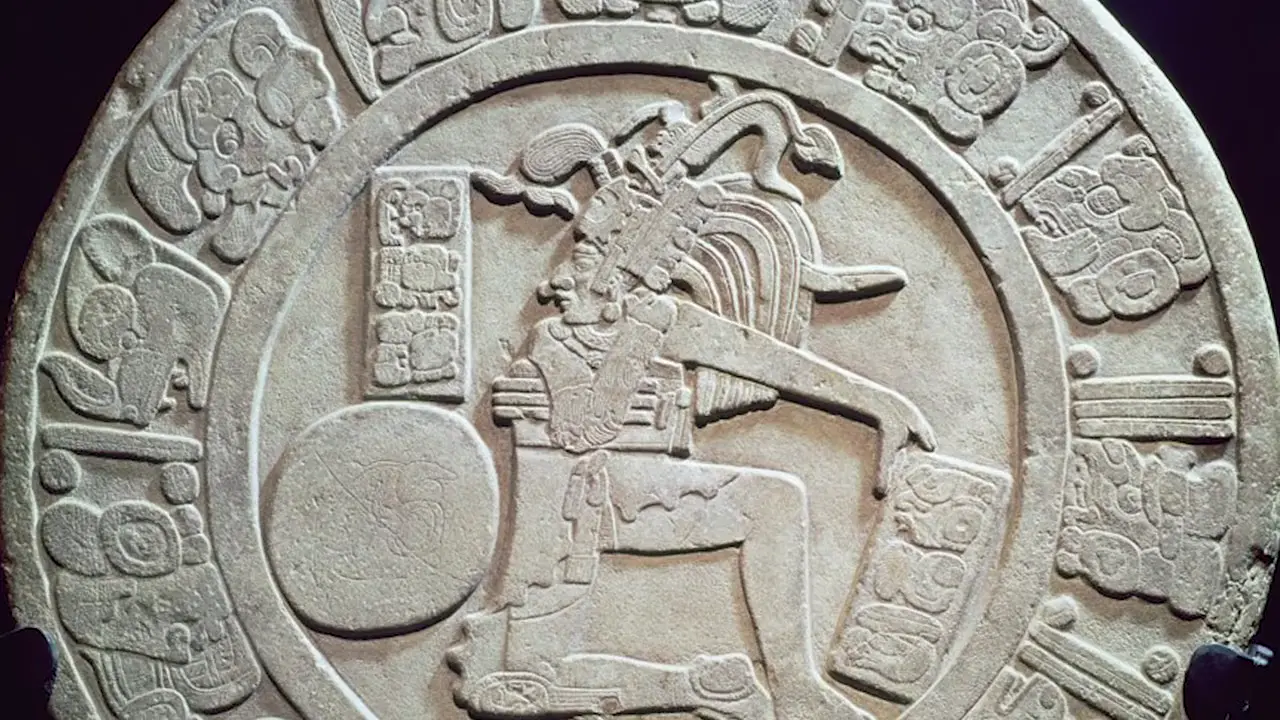
Key facts
- Earliest human occupation at Chinkultic dates to the Late Preclassic period, around the 3rd century BCE
- Site transformed into a significant regional center during the Classic period beginning around 250 CE
- Greatest development occurred during the Late Classic period, particularly between 700 and 900 CE
- A branch of the Chan Ao royal lineage arrived and established control, ruling for about three centuries
- The core of Chinkultic contains approximately 200 mounds representing structures from small domestic platforms to massive pyramidal temples
- The Chinkultic ball player marker features 12 glyphs giving a Long Count date corresponding to May 19, 591
- The ball court was officially dedicated two days after the marker date, on May 21, 591
- The ball player marker was actually found at the nearby site of La Esperanza and is now at the National Museum of Anthropology in Mexico City
- The inscription refers to a lord associated with the Chan Ao dynasty, whose emblem glyph means either "sky lord" or "serpent lord"
- Chinkultic has approximately 40 carved stelae, one of the most substantial collections of Classic period hieroglyphic inscriptions from the eastern highlands
- The monuments date from 591 to 897 CE, documenting almost three centuries of political stability
Site mentioned
Was this story useful?
Keep exploring
Every site on this page sits on the globe, and the people who research them are on the Discord.
3D Globe · Sites by country · Story Archive · Research Library · Weekly Journal · Search
AI-generated text · images from the original sources · always verify with the sources.