

The Asuka region near Osaka contains Japan's famous keyhole-shaped burial mounds (kofun). The Ishibutai tumulus reveals multi-tiered internal chambers built from precisely fitted stones that structurally resemble European dolmens in Spain and France. Notably, sarcophagi found inside show stylistic similarities to Egyptian examples from 3,000 years earlier. These megalithic techniques likely served as practice for later castle construction.
Asuka tumulus show Egyptian and European megalithic parallels
 JapanGeneral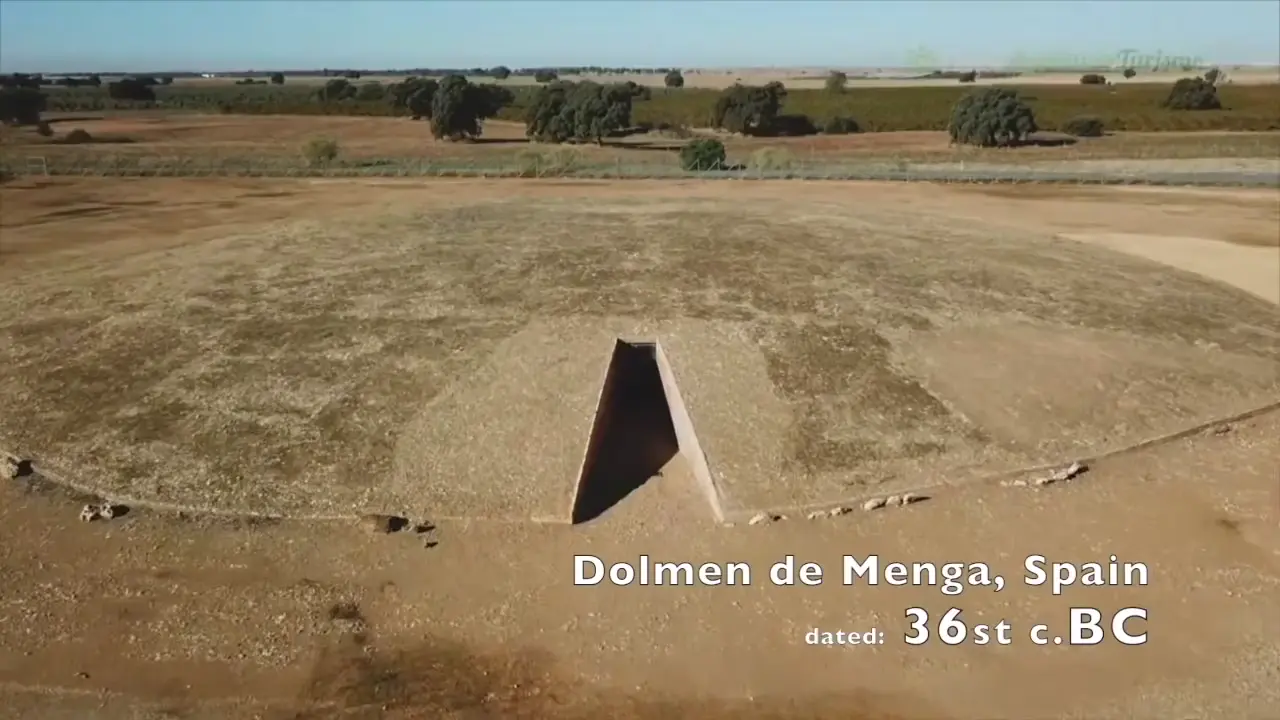
Site mentioned
Key facts
- Asuka is located 50 km from Osaka and was the Japanese imperial capital from 3rd to 6th century AD
- Contains keyhole-shaped burial mounds (kofun) with internal megalithic chambers
- Japan has approximately 160,000 surviving kofun burial mounds
- The Ishibutai tumulus reveals multi-tiered internal chambers built from fitted stones
- Japanese tumulus chambers structurally resemble European dolmens in Spain and France
- Sarcophagi found inside are stylistically similar to Egyptian examples from 3,000 years earlier
- These megalithic techniques likely served as practice for later castle mirror stones
Sources
Asuka, Yamato - Wikipediaen.wikipedia.org
Asuka was the Imperial capital of Japan during the Asuka period (538 – 710 AD), which takes its name from this place. It is located in the present-day ...
The village of Asuka, the first capital of Japanjapan-experience.com
Asuka is a village located in the center of Nara Prefecture, in the Kansai region. It is located just 40 km southeast of Osaka and is easily accessible by car ...
Reviewing the ruins of the Asuka-kyo and Fujiwara-kyo, the first ...heritageofjapan.wordpress.com
Asuka was the first of the Imperial capitals of Japan to be built at the very beginning of the ancient state of Japan during the Asuka period (538 AD – 710 AD).
Asuka: Where Dawn, History, and Women Shape the Soul of Japantricolage.com
Long before Kyoto or Nara rose to prominence, Asuka was the first capital of Japan, the place where the nation began to take form.
Was this story useful?
Keep exploring
Every site on this page sits on the globe, and the people who research them are on the Discord.
3D Globe · Sites by country · Story Archive · Research Library · Weekly Journal · Search
AI-generated text · images from the original sources · always verify with the sources.