
 Belgium
Spy Cave (French: Grotte de Spy) is located in Wallonia near Spy in the municipality of Jemeppe-sur-Sambre, Namur Province [1]. The cave consists of numerous small chambers and corridors [1]. In 1886 Neanderthal fossils of excellent quality were discovered [1]. The excavation was conducted by Liège-based archaeologist Marcel de Puydt and geologist Max Lohest [1]. In 2018, researchers succeeded in extracting DNA from Spy94a, an upper right molar that has been directly dated to around 39,150-37,880 BP [1]. Almost 12,000 faunal remains of the Pleistocene were discovered, including mammoth, horse, cave hyena, woolly rhinoceros, reindeer, and cave bear bones [1]. Evidence of occupation by Upper Paleolithic anatomically modern humans has also been found at Spy [1].
Text: Wikipedia – 'Spy Cave' (revision of 2026-07-22), CC BY-SA 4.0 · sentences selected and shortened by an AI system · source →Spy Cave
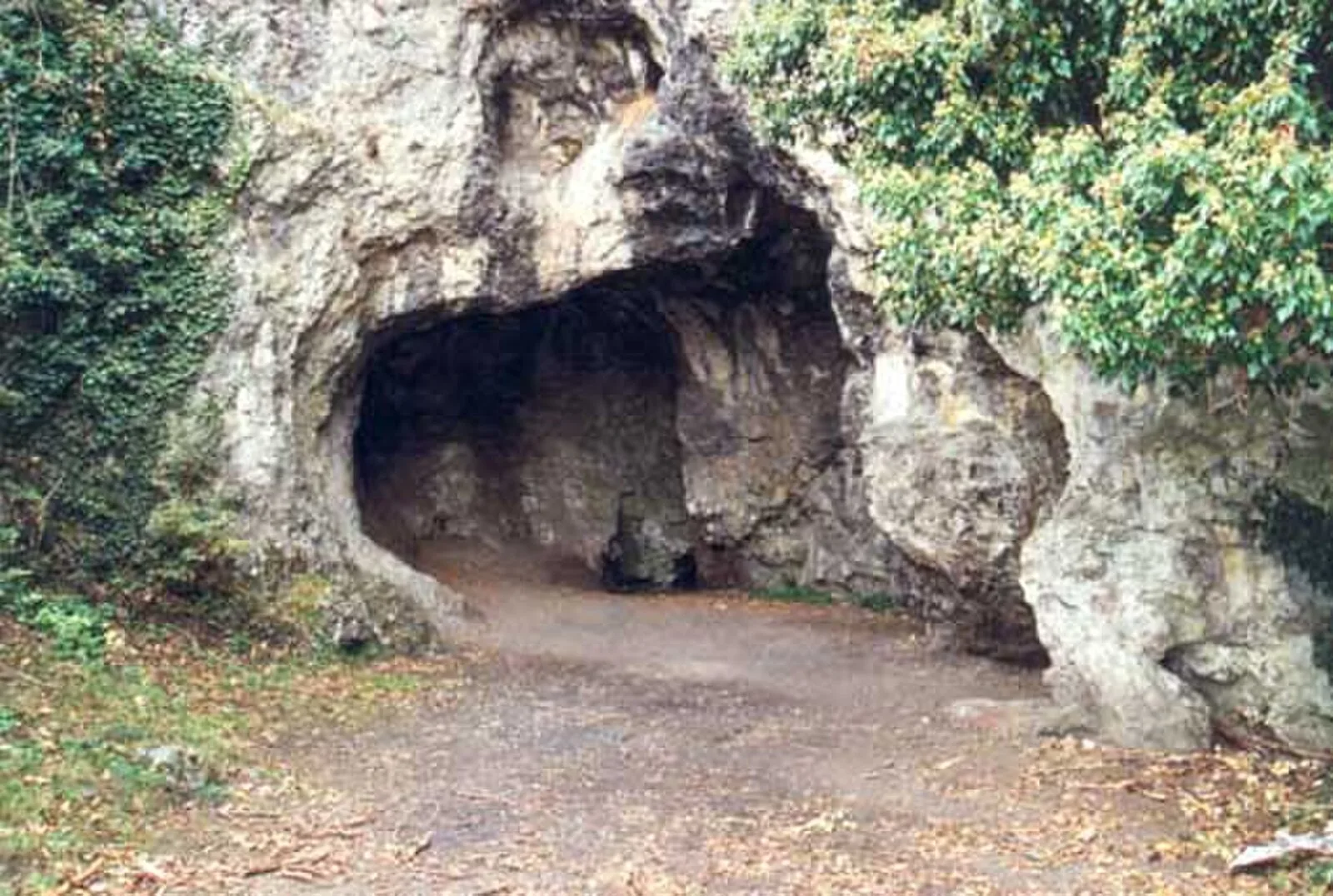
Also known as: 스피 인, 스피 동굴, Bec-aux-Roches, Bèche au Roche, Bèche-aux-Roches, Betchaud Rotche, Betche-al-Roche, Betche al Rotche, Betche al’Rotche, Betche-al-Rotche, Betche-aux-Rotches, Caverna de Spy
| Type | Cave Structures |
|---|---|
| Period | 500 BC - 1 AD |
| Country | Belgium |
| Coordinates | 50.4823° N, 4.6692° E |