

The video reports that sand from Egypt's western desert averages about 0.25 mm across and is well rounded. It argues that these windblown grains slip over one another almost like ball bearings, making sand a combined vice and holder for Egyptian crews — including tipping a sarcophagus upright to saw it. The presenter also attributes the famous wayward cut on a half-finished sarcophagus to turning, leaning and repositioning it.
Video argues rounded windblown quartz sand enabled Egyptian stone handling
Key facts
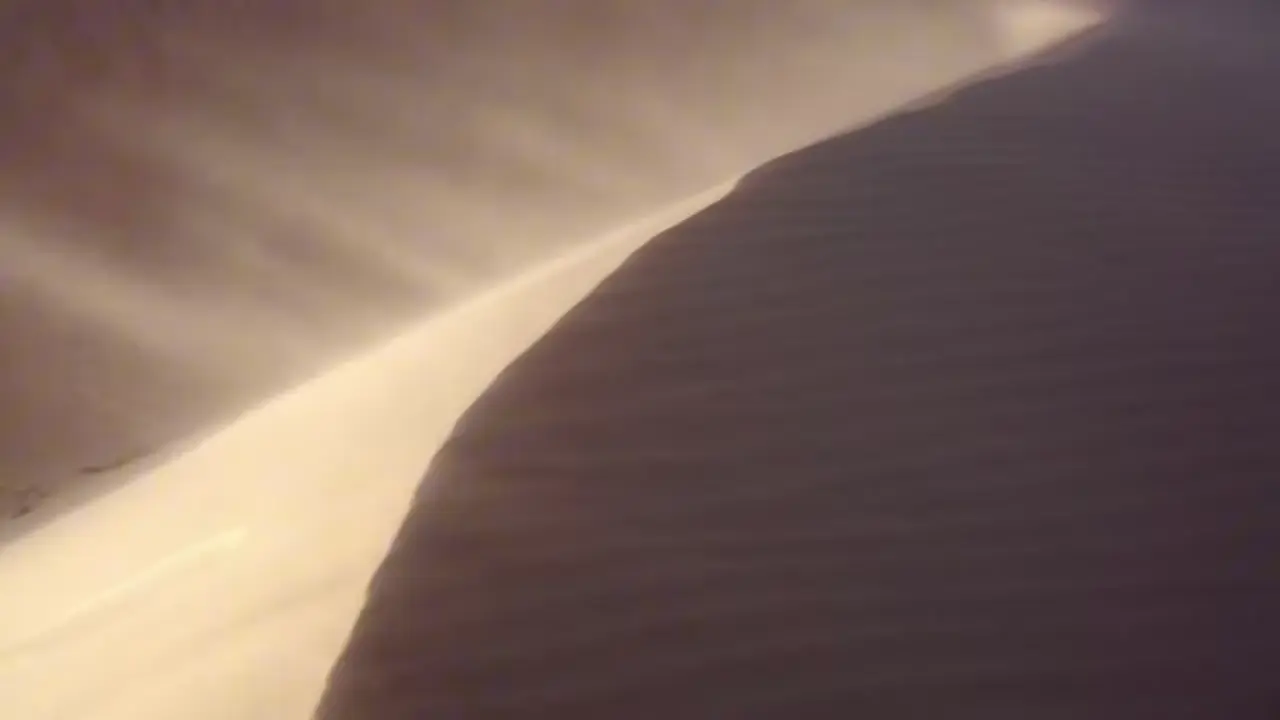
- The video reports that sand sampled from Egypt's western desert averages about 0.25 mm in diameter and is well rounded.
- It says windblown, sorted sand tends to be rounder than beach sand, with rounded grains slipping over one another almost like ball bearings.
- The video contrasts beach sand as generally smaller and more angular, noting that it compacts better but flows less easily.
- The presenter says they compared washed white windblown dune sand from the United States with uncleaned beach sand under a microscope.
- The video argues that Egyptians learned the behavior of sand grains experientially and applied it despite having no microscope.
- It proposes that sand served as both a vice and a holder, including setting a sarcophagus upright for sawing and packing sand around statues to hold them at working angles.
- The presenter says research and evidence suggest that turning, leaning and repositioning a sarcophagus produced the famous wayward cut on a half-finished sarcophagus.
Sources
Great Sand Seaen.wikipedia.org
Sand dune in the Western desert of Egyptpictures.blueplanetarchive.com
The Western Desert of Egyptwesterndeserttours.com
Western Deserten.wikipedia.org
Was this story useful?
Keep exploring
Every site on this page sits on the globe, and the people who research them are on the Discord.
3D Globe · Sites by country · Story Archive · Research Library · Weekly Journal · Search
AI-generated text · images from the original sources · always verify with the sources.