

In 1986, French scientists drilling at the Great Pyramid of Giza discovered cavities filled with fine quartz sand behind walls in a passage near the Queen's Chamber area. The sand was anomalous and not native to the Giza Plateau. No substantial follow-up investigation occurred in subsequent decades 🔬
1986 drilling found imported quartz sand behind Queen's Chamber walls
 EgyptExcavation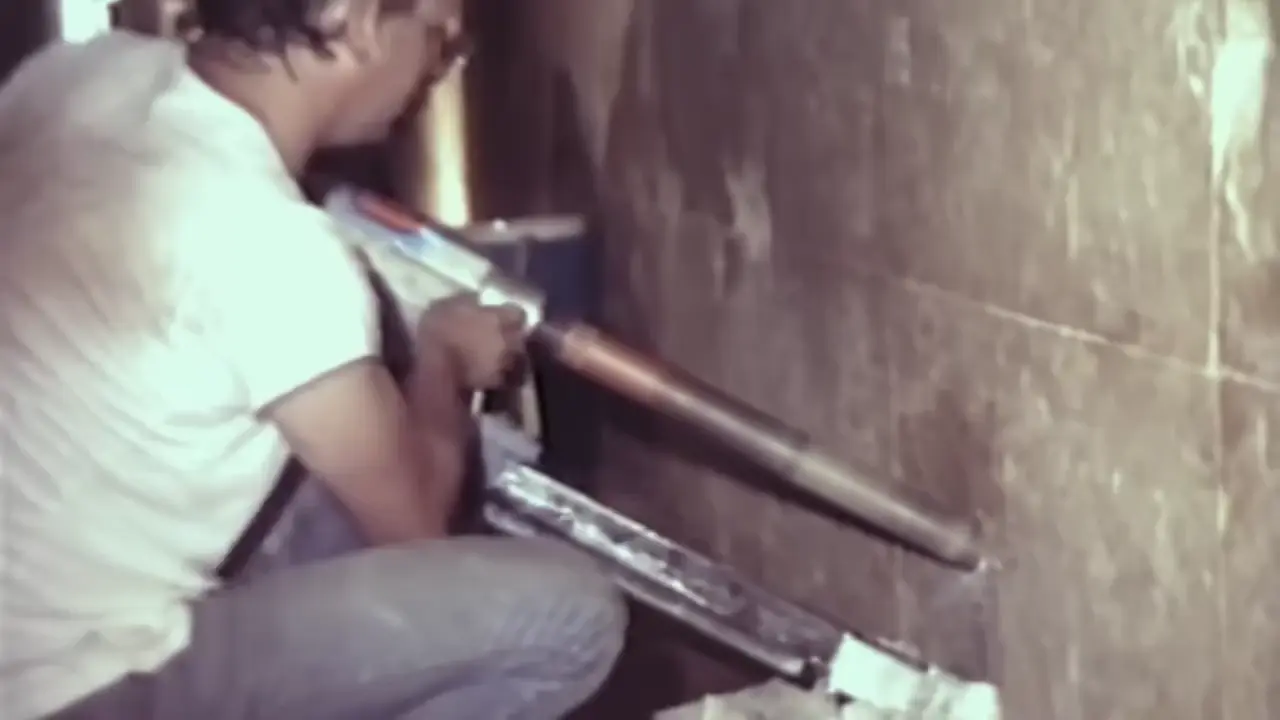
Site mentioned
Key facts
- In 1986, three drill cores were drilled at different angles into the Western Wall of the Queen's Chamber passage
- First core drilled 30° from horizontal reached 2.6m depth with 20cm sand cavity, second core at 35° had 10cm sand cavity, third core at 40° reached at least 40cm deep sand cavity
- The sand is smooth, large-grained pure quartz not native to Giza Plateau
- Closest match is El Tour on the Sinai Peninsula, hundreds of miles away
- The passage sand is 99% pure quartz compared to Giza sand which is a mixture of calcite, quartz and plagioclase
- Grain size ranges 100-400 microns versus 10-100 microns for local Giza sand
- Sand grains are smooth and rounded versus angular Giza desert sand
- Well-graded quartz sand reduces friction of dragging heavy stones by up to half compared to local desert sand
- No follow-up drilling has occurred at the Great Pyramid since 1986
- Egyptology has characterized the sand as simple filler material
Sources
The Great Pyramid: Secret Chambers.gregorspoerri.com
In a passage near the so-called queen's chamber, they actually discovered a cavity around three meters deep – filled with fine quartz sand. However, further ...
Scientists Say They've Found Hidden Space In Great ...keranews.org
Researchers used equipment that detects muons. Measuring the density of the tiny particles yielded an image of what's behind the pyramid walls
Chambers hidden in Great Pyramid of Giza? Not so fast, ...csmonitor.com
A team of scientists have cast doubt on earlier claims that the Great Pyramid of Giza may contain unknown cavities.
Scientists Seeking Hidden Vaults in Great Pyramid Find ...latimes.com
A team of French scientists searching for hidden, treasure-filled rooms in the Great Pyramid of Cheops suspended work Monday after drilling ...
How Sand Built the Great Pyramidbeyondexams.org
In the passage leading to the chamber, drilling was conducted in 1986 which found anomalous quartz sand behind the stones. Despite the well ...
Was this story useful?
Keep exploring
Every site on this page sits on the globe, and the people who research them are on the Discord.
3D Globe · Sites by country · Story Archive · Research Library · Weekly Journal · Search
AI-generated text · images from the original sources · always verify with the sources.