

Pharaoh sarcophagi were PLAINER than noble mastaba coffers: Khufu's thin, plain box vs mastaba coffins with elaborate palace facade carvings. Royal lids often featured bosses removed — a technique mastaba coffers typically did not employ. Why did kings get less than their officials?
Pharaoh sarcophagi simpler than mastaba coffers in Old Kingdom
 EgyptGeneral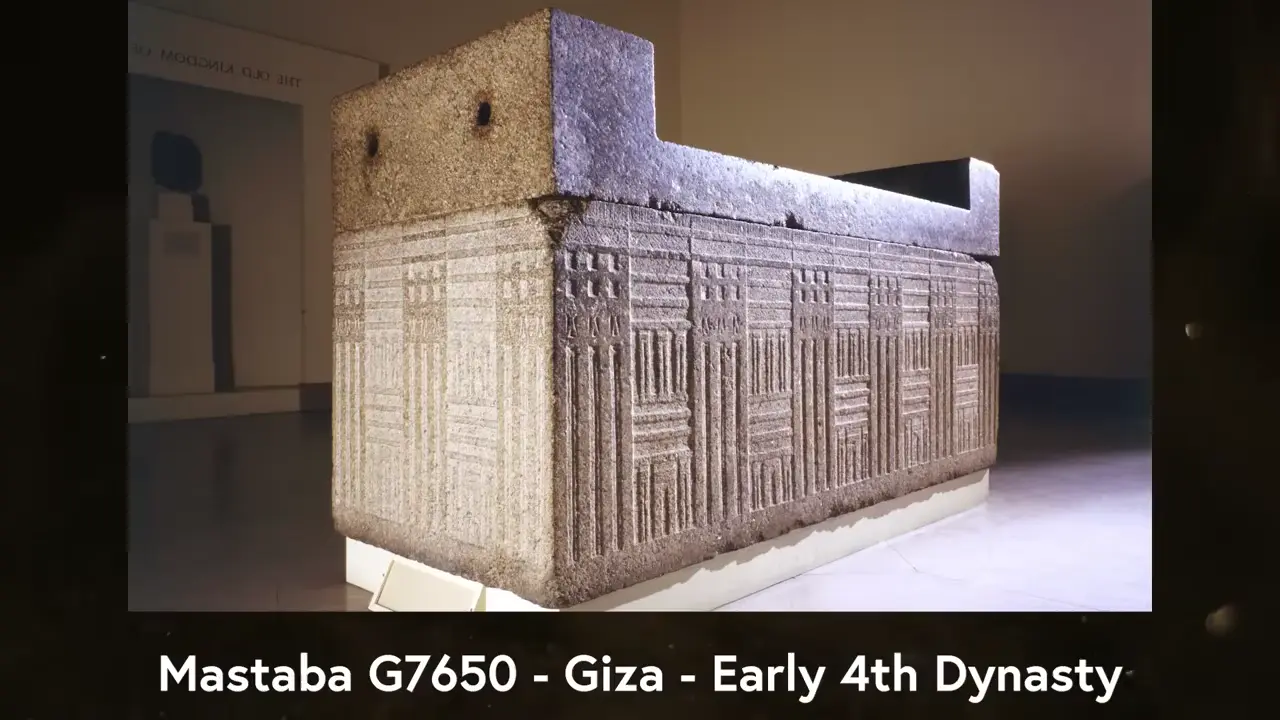
Site mentioned
Key facts
- Great Pyramid (Khufu) sarcophagus is famously simple, uninscribed, and unadorned
- Pharaoh sarcophagi from Khufu to end of Old Kingdom all had bosses removed from lids
- Royal sarcophagi featured dovetail cuts for lids and various locking mechanisms with pin holes
- Mastaba sarcophagi typically retained bosses, had no dovetail cuts, and no pin locks
- Mastaba coffers often featured elaborate palace facade carvings in granite - a highly extravagant choice
- Custom practice of inscribing name on stone coffers existed during Khufu's reign but not used in pyramids until Pharaoh Teti (6th Dynasty)
- Khufu's sarcophagus was thin and plain; Khafre's larger but still plain; Menkaure's was a rare masterpiece
- Later kings like Pepi I, Merenra, and Pepi II finally obtained sarcophagi with size and finish expected of a king
- Evidence suggests Old Kingdom sarcophagi were not standardized - design choices were personal preference or tradesmen skill
- This pattern may relate to sarcophagi originally being temporary resting places rather than eternal tombs
Sources
isida-project.ucoz.com
Linked in video description
lah.ru
Linked in video description
academia.edu
Linked in video description
Was this story useful?
Keep exploring
Every site on this page sits on the globe, and the people who research them are on the Discord.
3D Globe · Sites by country · Story Archive · Research Library · Weekly Journal · Search
AI-generated text · images from the original sources · always verify with the sources.