

The Osirion's mysterious New Kingdom structure uses granite from Aswan and quartzite—stones transported across vast distances. Rediscovered in the early 20th century, it is identified by most Egyptologists as the cenotaph (symbolic tomb) of Seti I, though its unusual subterranean architecture and original purpose continue to intrigue scholars.
Osirion at Abydos features massive granite and quartzite stones of pre-dynastic origin
 EgyptGeneral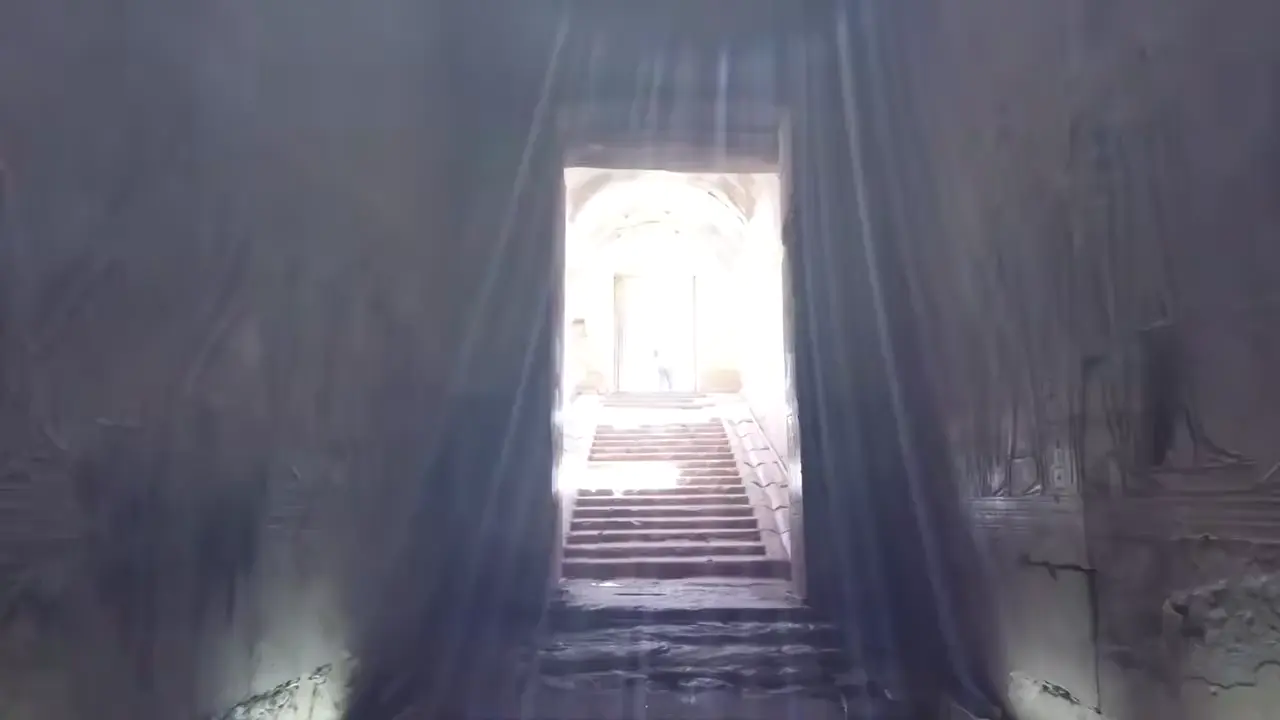
Key facts
- Osirion was rediscovered by archaeologists in the 19th century, buried in sand
- Vertical stones are granite, likely from Aswan
- Perimeter wall made of quartzite from Cairo
- Represents pre-dynastic construction with stones brought from great distances
- Original function remains unknown; some Egyptologists label it a symbolic tomb
- Osirion was closed to public in April 2019 but scheduled to open fully by March 2020
Site mentioned
Sources
Osireion - Wikipediaen.wikipedia.org
The Osireion (or Osirion) is believed to be the cenotaph of Seti I, located to the rear of the Temple of Seti I at Abydos, Egypt. The temple was built in the ...
Osireion - Egypt Museumegypt-museum.com
The Osireion is unique due to its subterranean design, constructed at a much lower level than the surrounding Seti I's temple.
The Osirion at Abydos: The Ancient Egyptian Temple Still Defying ...marahouseluxor.com
Carved deep into the bedrock, the Osirion combines excavated sandstone with enormous red granite blocks quarried at Aswan, over a thousand ...
The unexplained Osireion: Ancient Egypt's most mysterious structurehistoryskills.com
Instead of the limestone favoured in most 19th Dynasty temples, the Osireion used red granite that workers quarried from Aswan and transported hundreds of ...
Was this story useful?
Keep exploring
Every site on this page sits on the globe, and the people who research them are on the Discord.
3D Globe · Sites by country · Story Archive · Research Library · Weekly Journal · Search
AI-generated text · images from the original sources · always verify with the sources.