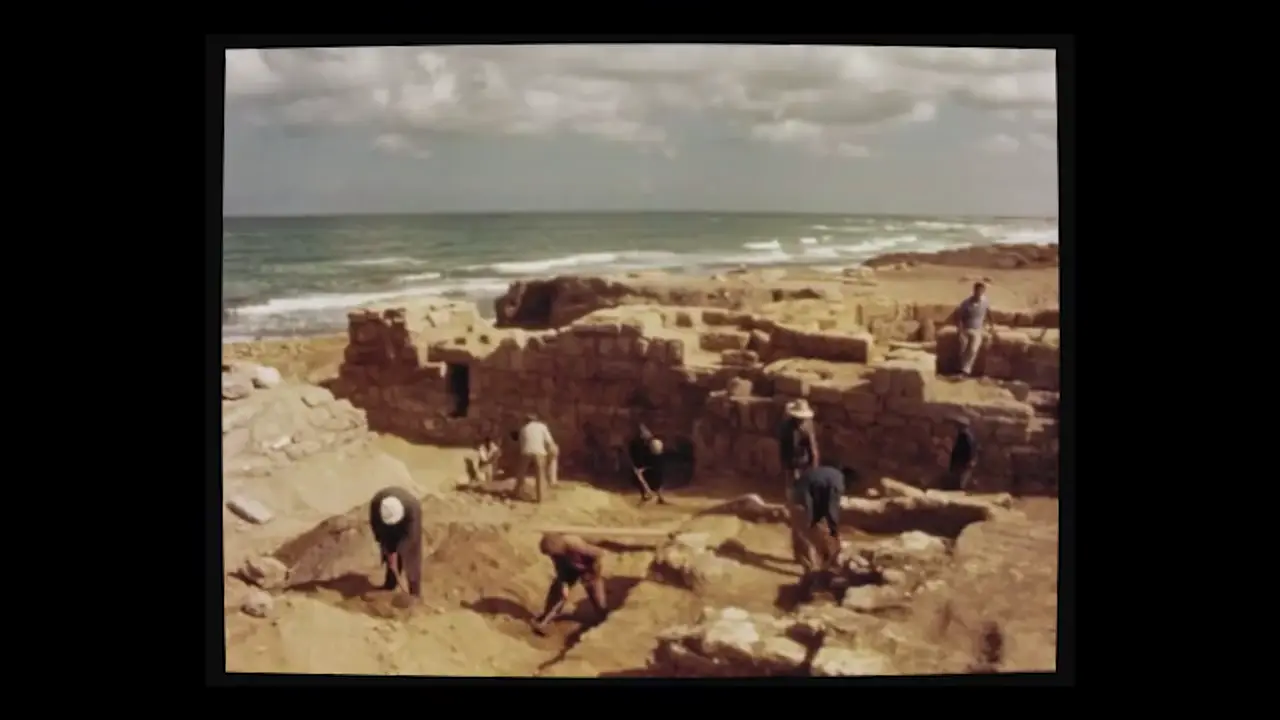
Most archaeological sites remain unexcavated due to limited funding and resource constraints. Discovery increasingly happens through multiple means, including contributions from amateur enthusiasts. Commercial tourism operations at some sites raise questions about balancing research priorities with visitor experience. Many sites hold significance within local communities prior to broader recognition.
Key facts cited:
- Excavation rates vary significantly; only a fraction of known sites undergo full excavation
- Amateur contributors sometimes identify sites using publicly available satellite imagery and other accessible tools
- Some commercial operations manage heritage sites and seek to generate revenue through tourism
- Questions persist about how profitability influences research focus at managed sites
- Local communities often have prior knowledge of heritage sites before academic documentation
Sources
[PDF] ACHP ARCHAEOLOGY GUIDANCE.pdfachp.govArchaeological sites are identified and evaluated under Section 106 by federal agencies for their eligibility for listing in the National Register. Through ...
Archaeological Sites' Management, Interpretation, and Tourism ...mdpi.comThe primary purpose of this study was to identify and analyze the possible future challenges that the current management may encounter.
[PDF] Problems Protecting and Preserving Federal Archeological Resourcesgao.govlogical sites because staffing and funding constraints limit the agencies' ability to monitor the sites and document looting incidents and ...
THE END OF ARCHAEOLOGICAL DISCOVERY | American Antiquitycambridge.orgArchaeological sites are rarely excavated in their entirety, and the great majority of sites that have been discovered are still available for ...
[PDF] Archaeological Conservation Issue. Spring 2018 (PDF Edition)getty.eduThe world's archaeological remains constitute humanity's collective memory, comprising the physical evidence of our journey on the planet—from the bones and ...
AI-generated text · images from the original sources · always verify with the sources.