

The central temple at Karnak features massive granite columns and blocks, including the famous hypostyle hall constructed under Amenhotep III and continued by Seti I and Ramses II. The temple complex employed sandstone, limestone, and granite materials, with granite notably used for major architectural elements like columns and doorways. Some granite door sockets and pivot holes exist, though claims about surviving original hinges and locking mechanisms lack verification. The precision of certain cut stone elements, including pivot holes for doors, demonstrates skilled ancient Egyptian engineering.
Karnak's central temple built entirely of massive megalithic granite blocks
 EgyptArchitecture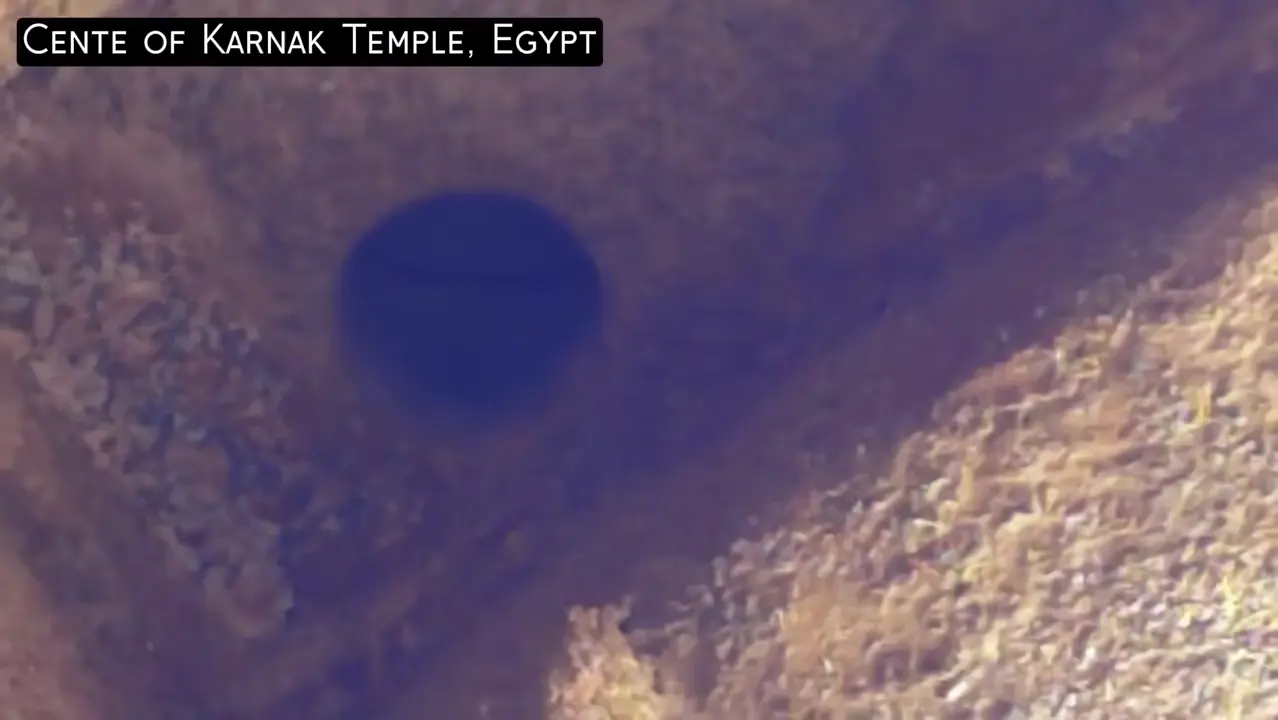
Key facts
- The central temple at Karnak is constructed entirely of huge megalithic granite blocks
- Granite blocks are exceptional in scale compared to surrounding limestone structures
- Ancient circular holes in the floor are precisely cut
- Original floor features round holes that would be difficult to recreate today
- Door hinges and locking mechanisms visible in the stone
- Stalactite formations cover the ancient stone floor
Site mentioned
Sources
History of the Karnak Temple complex - Wikipediaen.wikipedia.org
It comprises 2 rooms, aligned with the main axis of the temple. The Opet temple was the last important cult building to be constructed in the Karnak complex.
Who Built the Temple of Karnak? Learn About the Buildersrespectegypttours.com
The temple was constructed using sandstone, limestone, and granite, materials that were readily available in Egypt and were durable enough to last millennia.
Karnac Complex - Buffalo Architecture and Historybuffaloah.com
Sandstone, limestone, and red granite were the primary types of stone used for buildings and large decorative features at Karnak temple.
[PDF] Environmental Degradation of Granite Stoneworks, Karnak Temples ...sphinxsai.com
Abstract: Karnak temples complex is one of the most important archaeological sites in the world. A huge portion of this complex was constructed of granite ...
Karnak Temple: Architecture, Components, Settlements ...africame.factsanddetails.com
Construction of the main hypostyle hall began in 1375 B.C. under Amenhotep III, and was continued under Seti I, his son Ramses II and was finally completed ...
Was this story useful?
Keep exploring
Every site on this page sits on the globe, and the people who research them are on the Discord.
3D Globe · Sites by country · Story Archive · Research Library · Weekly Journal · Search
AI-generated text · images from the original sources · always verify with the sources.