

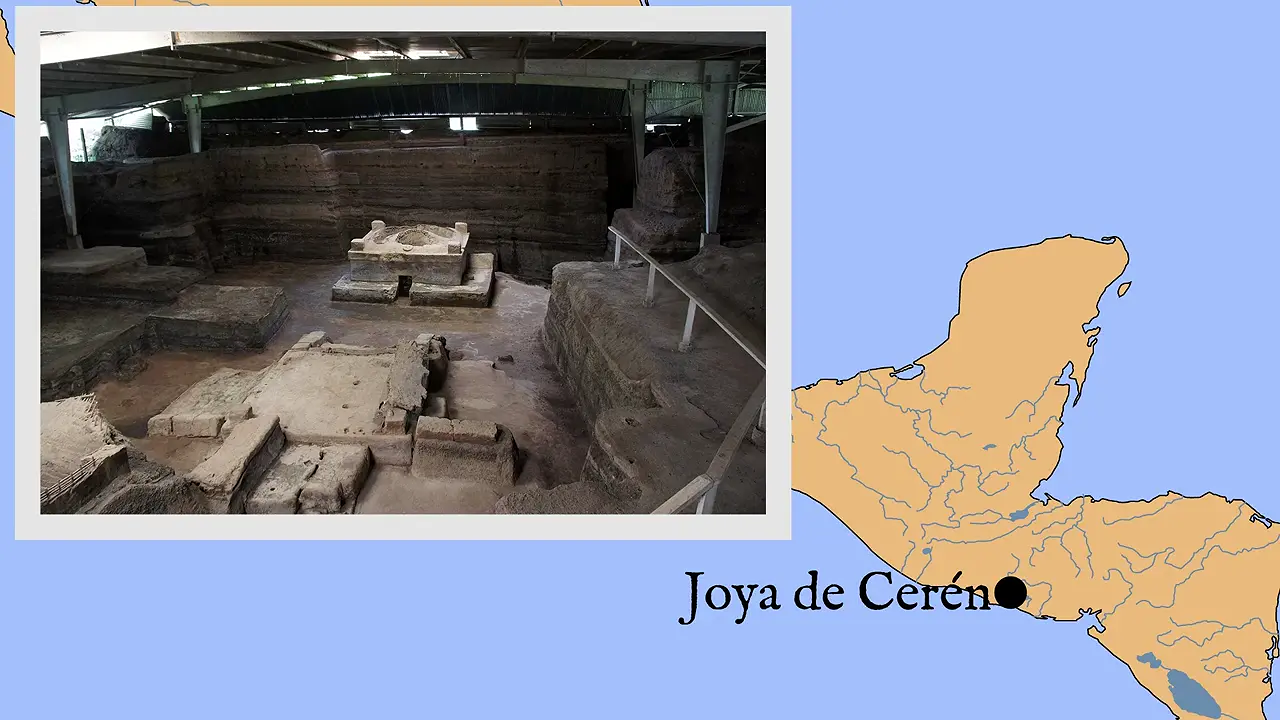
Joya de Cerén in El Salvador was a small Maya village buried by the Loma Caldera eruption around 600 CE, preserved in remarkable detail by the sheer volume of volcanic ash. Plant remains show chilies among the crops grown there. David DeWitt suggests the pods look like chili de árbol or something similar 🌋🌶️
Joya de Cerén: ash-buried Maya village reveals chili cultivation around 600 CE
 ItalyGeneral
Key facts
- Joya de Cerén in El Salvador was a small Maya village buried by an eruption of the Loma Caldera around 600 CE.
- Because of the quality and sheer volume of volcanic ash, the site was preserved in remarkable detail, making it a Pompeii-like archaeological record.
- Plant remains show that chilies were among several crops being cultivated by the inhabitants.
- Pepper scholar David DeWitt proposed that the recovered chili pods are likely chili de arbol or something similar, based on pod characteristics.
Sources
Joya de Cerén – La Libertad – El Salvadoroceanposse.com
Joya de Cerénen.wikipedia.org
Joya de Cerén Archaeological Sitewhc.unesco.org
Parque Arqueológico Joya de Ceréncultura.gob.sv
Joya de Cerén Archeological Parkelsalvador.travel
Was this story useful?
Keep exploring
Every site on this page sits on the globe, and the people who research them are on the Discord.
3D Globe · Sites by country · Story Archive · Research Library · Weekly Journal · Search
AI-generated text · images from the original sources · always verify with the sources.