

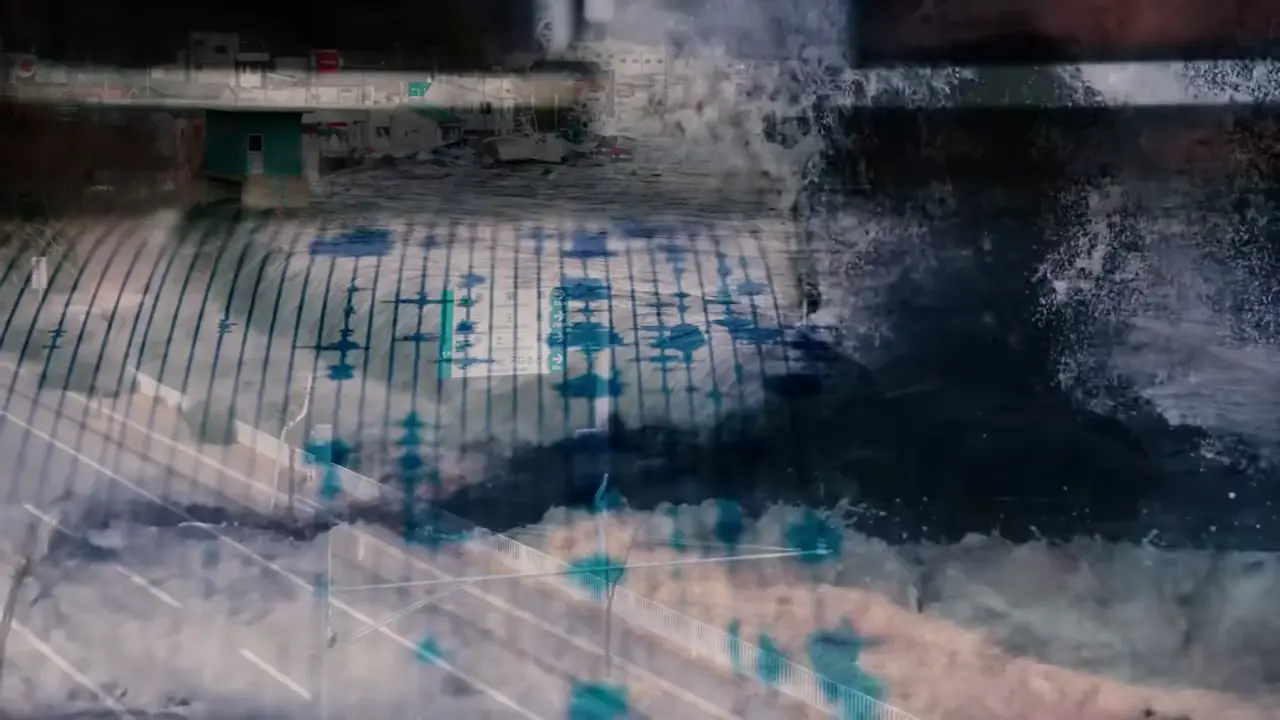
The 2011 Tōhoku earthquake and tsunami killed nearly 20,000 people (over 15,000 confirmed deaths and 2,500 missing), and the village of Aneyoshi in Iwate Prefecture survived—the story traces to a tsunami stone warning carved over a century earlier. The stone warned villagers not to build homes below a certain elevation, and in 2011, the waves stopped well short of that line. Tsunami stones across Japan's coast mark flood zones, with most dating to around 1896 after the Meiji Sanriku tsunami that killed about 22,000 people. Some stones bear urgent commands to run to high ground after an earthquake. Scientists studying the stones note that villages following such warnings had lower casualty rates.
Key facts claimed:
- In 2011, a tsunami slammed into Japan's coast, killing nearly 20,000 people
- Village of Aneyoshi survived because villagers obeyed a stone warning carved over a century earlier
- The stone warns: 'Do not build any homes below this point'—waves stopped well short of that line
- Tsunami stones date to 1896 (Meiji Sanriku tsunami, 22,000 dead) and 869 AD (Jōgan tsunami)
- Some stones bear urgent commands: 'Run to high ground after an earthquake'