

Alabama's archaeological documentation has gaps compared to some neighboring states. While Moundville Archaeological Park preserves one of the largest Mississippian sites in the United States, fewer sites may be formally protected compared to Louisiana and Mississippi. The state contains numerous documented and undocumented mound sites. Concerns about site preservation near residential areas and construction impacts on archaeological resources have been raised by tribal leaders and researchers. Greg Little's Mound Lore work has documented various mound sites in the region.
Hillocks composed entirely of quartzite and rose quartz stone piles
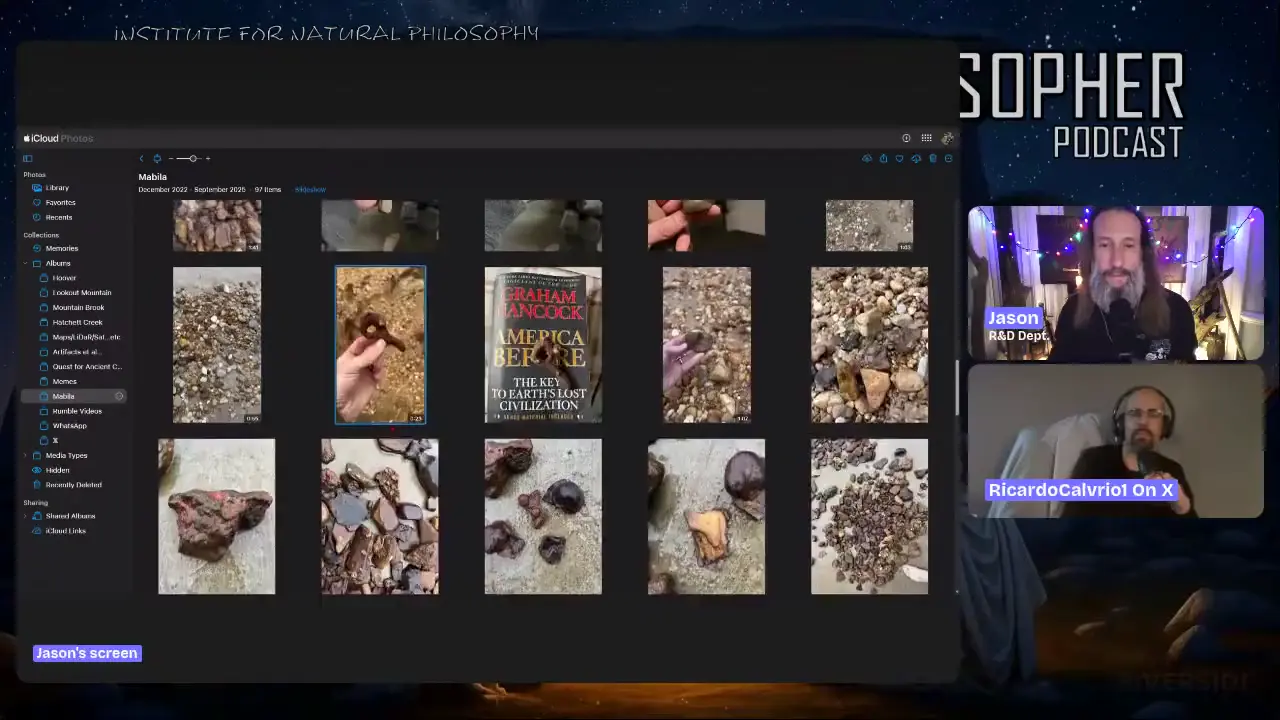
Site mentioned
📍 Hatchet Creek area
Key facts
- Hillocks composed entirely of quartzite and rose quartz stone piles
- Rocks described as 'pyramid-shaped' when observed in forest context
- Waterfalls visible from cave entrances on landscape
- Tree species indicator: deciduous trees mark scattered rock/rubble areas, pine trees on disturbed soil
- Rock layering: curved edges with multiple mineral striations visible
- Large cave systems with primary spring sources located
- Meteoric impact reference: Wetumpka impact event (30 million years ago) affected regional geology
- Rock stratification: bases of hills composed of giant curved rock formations
Sources
Indian tribes seek return of remains, artifacts from Alabama | Newscherokeephoenix.org
Leaders of several American Indian tribes are asking the University of Alabama to return nearly 6000 human remains and artifacts from the ...
Moundville Archaeological Park - Encyclopedia of Alabamaencyclopediaofalabama.org
Moundville Archaeological Park contains the remains of one of the largest prehistoric Native American settlements in the United States.
Ancient Site - Moundville Archaeological Parkmoundville.museums.ua.edu
The Moundville site, occupied from around AD 1000 until AD 1450, is a large settlement of Mississippian culture on the Black Warrior River in central Alabama.
The mysterious history of Alabama's ancient Moundville ...alabamanewscenter.com
Alabama's Moundville archaeological site was once home to a thriving Native American community, but some of its mysteries remain unsolved.
Moundville Archaeological Site - Wikipediaen.wikipedia.org
Moundville Archaeological Site, also known as the Moundville Archaeological Park, is a Mississippian culture archaeological site on the Black Warrior River
Was this story useful?
Keep exploring
Every site on this page sits on the globe, and the people who research them are on the Discord.
3D Globe · Sites by country · Story Archive · Research Library · Weekly Journal · Search
AI-generated text · images from the original sources · always verify with the sources.