

Halliggye Fogou in Cornwall (c. 500 BCE) is Britain's best-preserved fogou at 27m long with side chambers. Built by late Iron Age people. Its subterranean design suggests ritual procession rather than storage. 🪨
Halliggye Fogou: Iron Age Passage System in Cornwall
 EnglandGeneral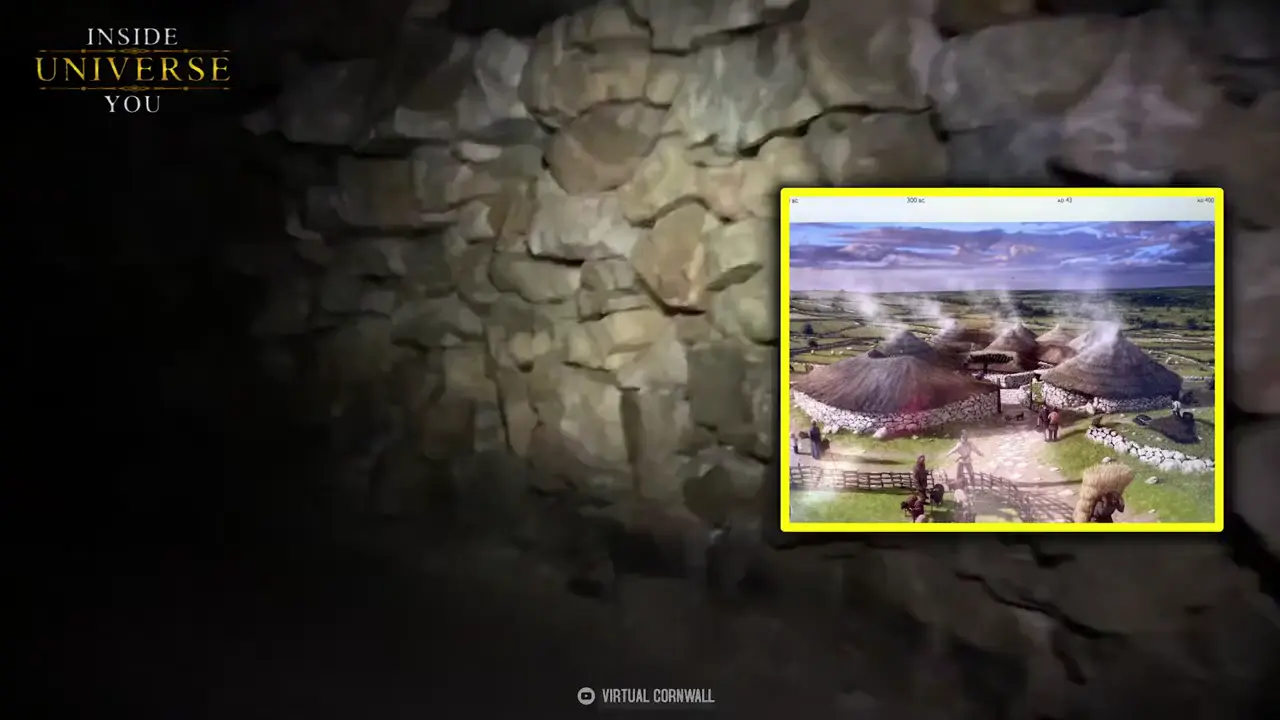
Key facts
- Largest and best-preserved fogou (underground passage) in Britain
- Dating back over 2,400 years, built by late Iron Age Cornwall around 500 BCE
- Structure consists of 27-meter long passage leading to side chambers and low tunnels
- Built by digging a deep trench and lining with dry-laid stone walls before roofing with granite slabs
- Function remains unknown with theories including refuge, ritual space, or storage
- Subterranean design evokes symbolic descent into earth or womb of the goddess
- Architecture suggests purpose more suited to ritual procession than routine storage
- Part of larger Iron Age settlement possibly defended farmstead or tribal enclosure
- Sealed and abandoned around time of Roman invasion in 1st century CE
Site mentioned
Sources
Halliggye Fogou: A Cave by Any Other Name - Essentially Englandessentially-england.com
Halliggye Fogou is the largest and best preserved of all Cornish fogous, and still extremely hard to spot even if you know where to look!
Halliggye Fogou - Wikipediaen.wikipedia.org
The complex of passages has a roof and walls of stone, and is the largest and best-preserved of several mysterious tunnels associated with Cornish Iron Age ...
Halliggye Fogou - One of Cornwall's mysterious subterranean tunnelscornishbirdblog.com
Halliggye fogou is thought to date from the Iron Age, around 2400 year ago, and was once part of a farming settlement occupied by several families for roughly ...
Halliggye, Cornwall | Megalithic Portalmegalithic.co.uk
One of several strange underground tunnels, associated with Iron Age villages, which are unique to Cornwall, although similar sites known as Souterrains are ...
Halliggye Fogou - The Modern Antiquarianthemodernantiquarian.com
Tiny homage to Stonehenge hidden deep in Halliggye Fogou, leading to the bricked up original entrance.
Was this story useful?
Keep exploring
Every site on this page sits on the globe, and the people who research them are on the Discord.
3D Globe · Sites by country · Story Archive · Research Library · Weekly Journal · Search
AI-generated text · images from the original sources · always verify with the sources.