

Stonehenge was a cremation cemetery for over 500 years. The 56 Aubrey holes inside the original ditch held cremated remains from ~3000-2500 BC. A 1920s excavation found 45kg of human bone fragments. An intact cremation deposit near Aubrey hole 7 was dated to 3090-2900 BC. 💀🕯️
Aubrey Holes Reveal Stonehenge as Neolithic Cremation Cemetery
 EnglandBioarchaeology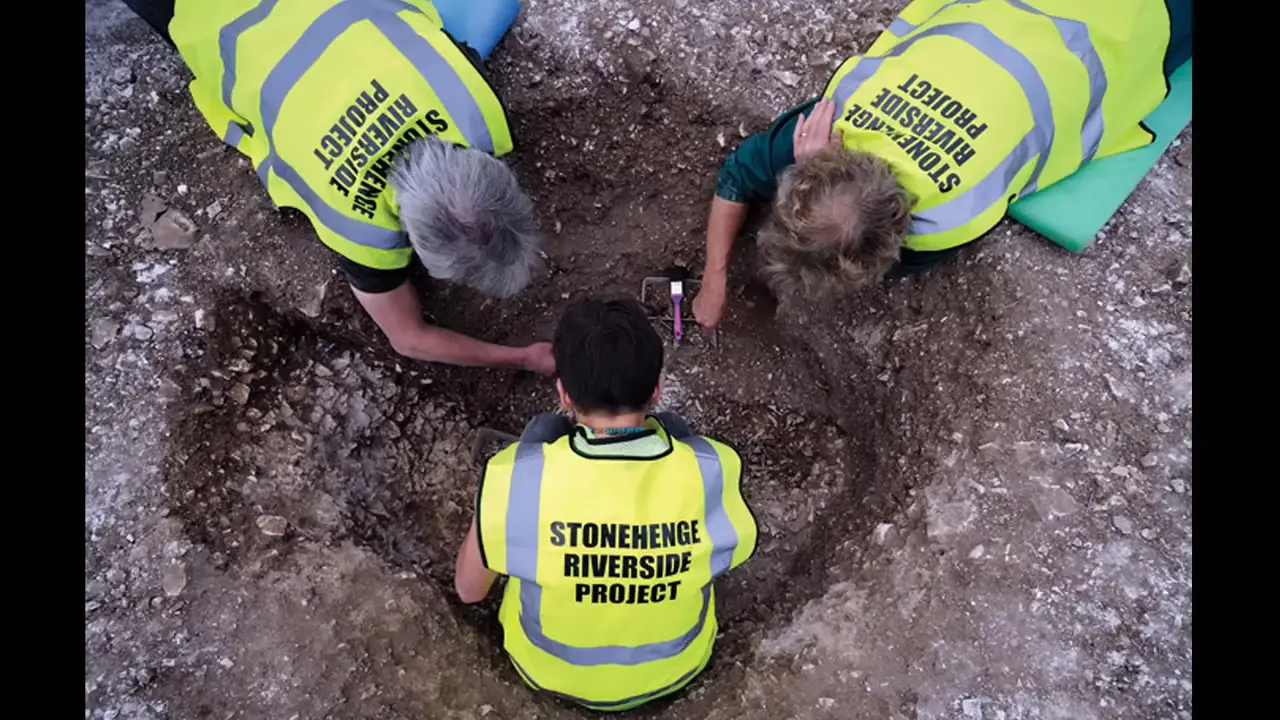
Site mentioned
Key facts
- A ring of 56 Aubrey holes existed inside the ditch, containing cremated human remains
- 1920s excavation by William Holly unearthed 59 cremations and 45kg of bone fragments from 34 Aubrey holes
- Cremated remains deposited from approximately 3000 to 2500 BC over 500 years
- Burials included men, women, children, and adults, some local and some from West Britain
- Total burial estimate was 240 individuals, though later discoveries suggest undercounting
- A 2022 excavation found an intact cremation deposit adjacent to Aubrey hole 7 dated 3090-2900 BC
- Latest cremation dated between 2570-2340 BC
- Stonehenge served as a cremation cemetery for over 500 years
- Old post holes found inside the hench suggest timber structures
Sources
english-heritage.org.uk
Linked in video description
Was this story useful?
Keep exploring
Every site on this page sits on the globe, and the people who research them are on the Discord.
3D Globe · Sites by country · Story Archive · Research Library · Weekly Journal · Search
AI-generated text · images from the original sources · always verify with the sources.