

No evidence exists for large-scale deconstruction after the Old Kingdom. Hamilton calculates that removing the structure at 300 camels per day would have taken 23 years, while the intact nearby mastaba suggests easy stone sources weren't touched. Roman artifacts discovered at the site indicate they may have removed stone for lime production, but the poor quality core limestone would have been difficult to repurpose. The evidence points to the structure never being completed rather than being demolished.
No evidence of deliberate deconstruction; pyramid may have been unfinished
 EgyptTheory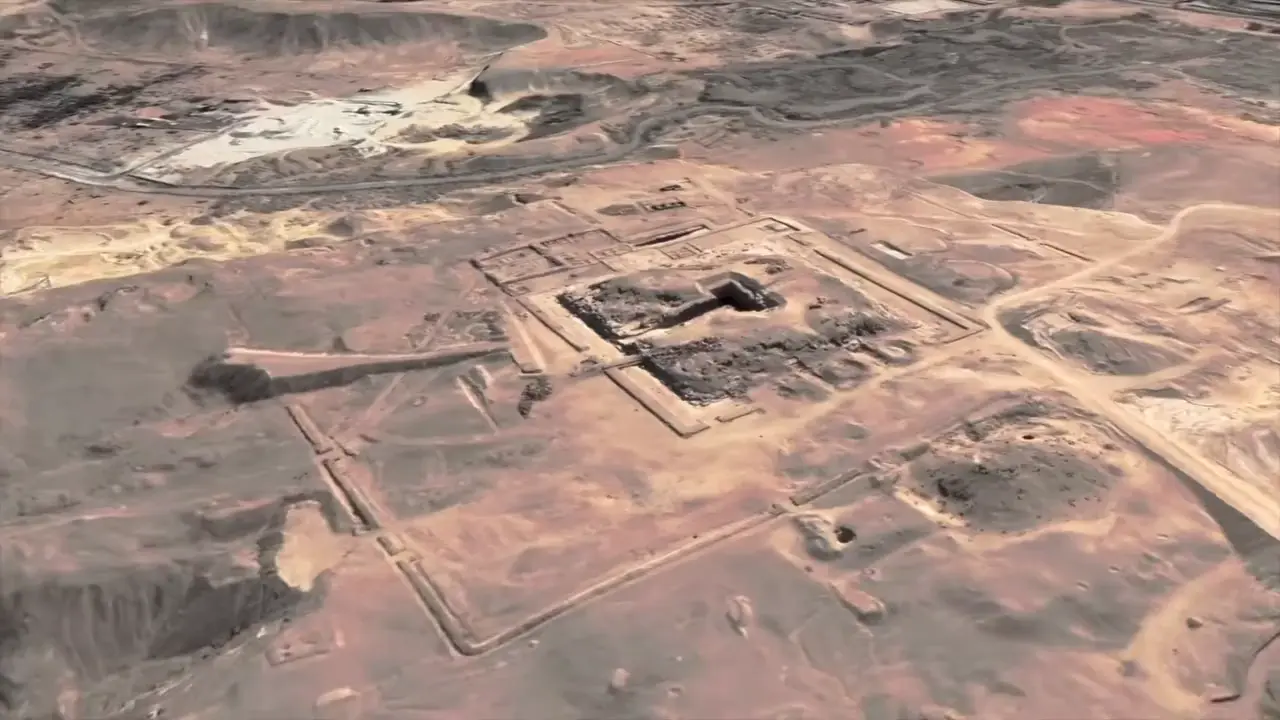
Site mentioned
Key facts
- No evidence of post-Old Kingdom large-scale deconstruction works has been found
- The claim that 300 camels per day removed stone would have taken approximately 23 years according to Hamilton's calculations
- The nearby mastaba remains intact, suggesting stone was not taken from easier sources
- Roman artifacts discovered at the site may indicate Romans dismantled the structure for lime production and building materials
- Poor quality core limestone would have been difficult to repurpose as it does not give a great finish
- The pyramid was likely never completed rather than being demolished after completion
Sources
independent.academia.edu
Linked in video description
Was this story useful?
Keep exploring
Every site on this page sits on the globe, and the people who research them are on the Discord.
3D Globe · Sites by country · Story Archive · Research Library · Weekly Journal · Search
AI-generated text · images from the original sources · always verify with the sources.